
10 Foods That Siberian Huskies Should Avoid
As someone who’s cared for dogs, I’ve learned that Siberian Huskies need careful attention when it comes to food. Their high energy, sensitive digestion, and unique metabolism mean that even small amounts of certain foods can cause severe health issues, from kidney failure to seizures.
Save For Later
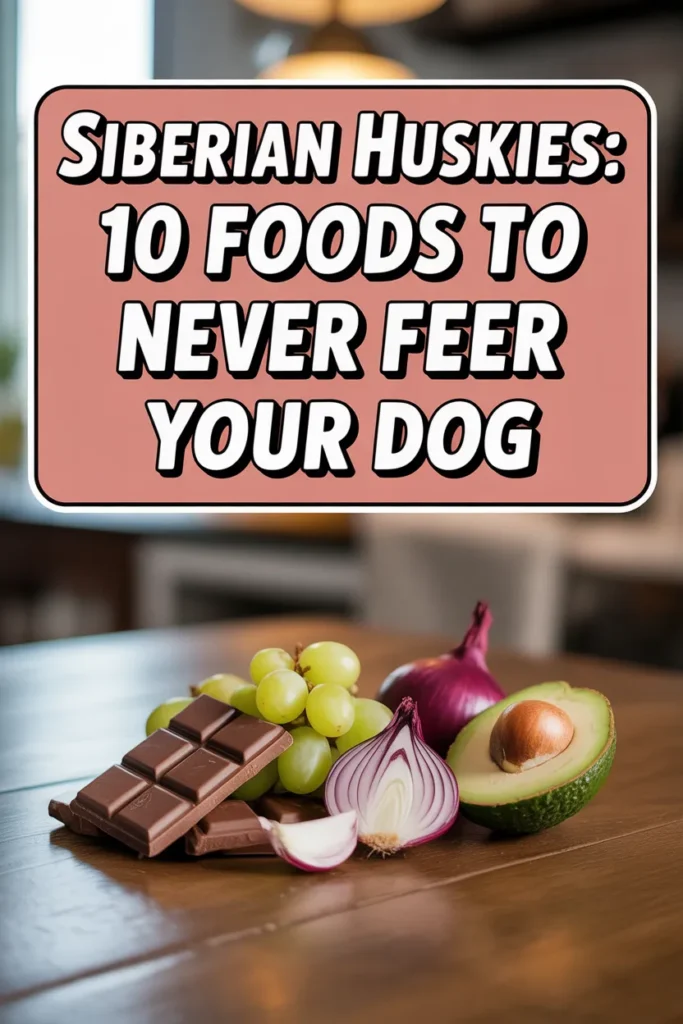
In this guide, I’ll walk you through 10 foods Huskies should never eat, why they’re dangerous, and safe alternatives to keep your dog thriving.
Key Takeaways
- Even common human foods like chocolate or grapes can be fatal for Huskies.
- Their digestive system is sensitive despite their active, robust appearance.
- Small amounts of toxic foods can cause long-term damage before symptoms appear.
- Protein-rich, clean diets support their energy, joints, and coat health.
- Always prefer simple, cooked, dog-safe ingredients over processed foods.
Watch Out For These 10 Foods
1. Chocolate
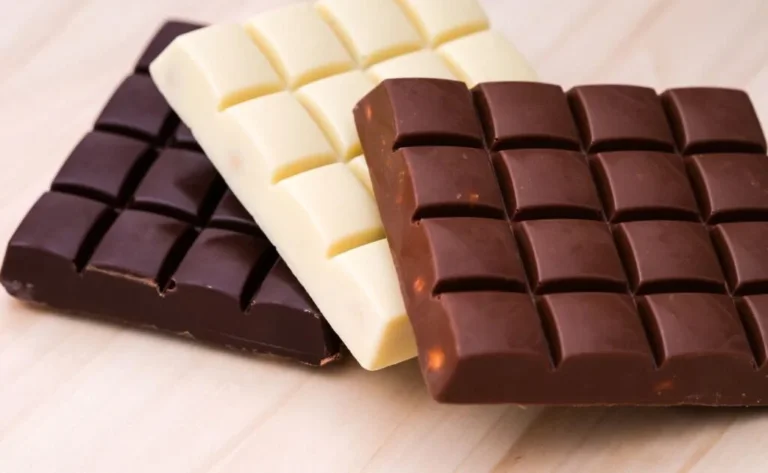
Chocolate contains theobromine and caffeine, which dogs cannot process efficiently. I’ve treated Huskies experiencing tremors, vomiting, and heart irregularities after eating even tiny amounts. Dark chocolate is especially potent—nearly five times more dangerous than milk chocolate. Always keep all chocolate out of reach.
Pro Tip: Store chocolate in high cabinets and educate guests about its dangers.
2. Grapes and Raisins

Grapes and raisins can trigger acute kidney failure in Huskies, sometimes after just one or two pieces. Symptoms appear within 24–72 hours and include vomiting, lethargy, and dehydration. Since the toxic compound isn’t fully understood, zero exposure is safest.
Fact: Veterinary studies show even small servings can be fatal.
3. Onions and Garlic
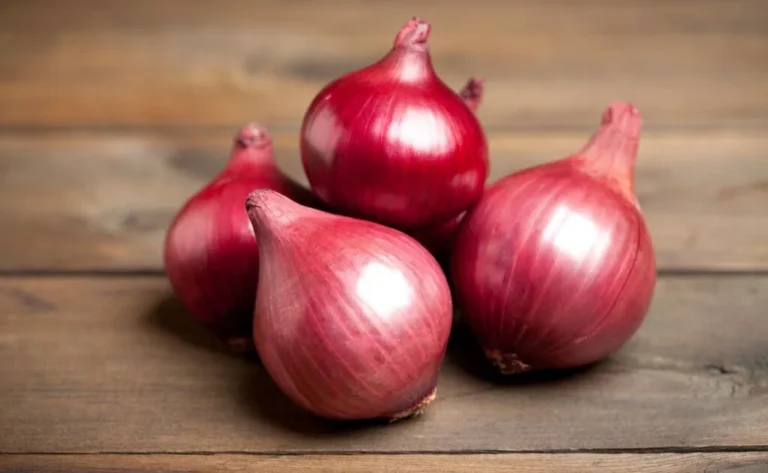
Onions and garlic damage red blood cells, causing anemia. Huskies may develop weakness, pale gums, and breathing issues. Toxicity can happen from raw, cooked, or powdered forms used in sauces and table scraps.
Pro Tip: Avoid feeding table scraps entirely, especially dishes with seasoning powders.
4. Avocado
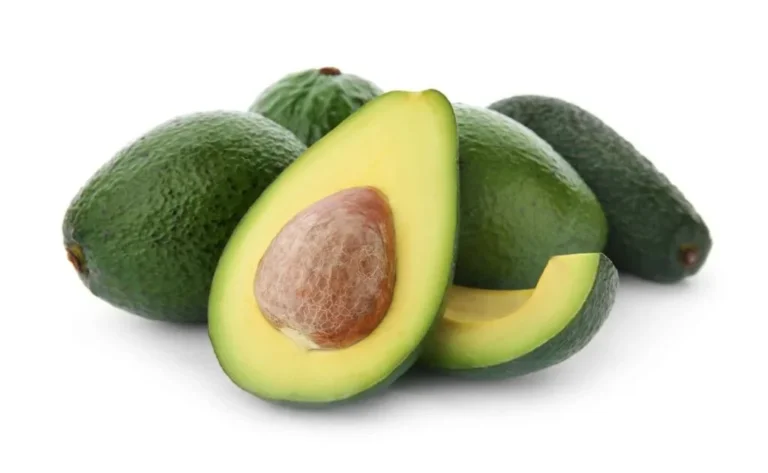
Avocados contain persin, which can upset digestion and the heart. I’ve seen Huskies vomit within hours of eating avocado. The pit is a choking hazard and can cause intestinal blockages. Avoid avocados completely.
5. Alcohol

Even a small amount of alcohol can be deadly for Huskies. Ethanol poisoning can cause vomiting, loss of coordination, low body temperature, and coma. Dogs metabolize alcohol much slower than humans, making it extremely dangerous.
Pro Tip: Never leave alcoholic drinks unattended and keep fermented foods away from pets.
6. Xylitol
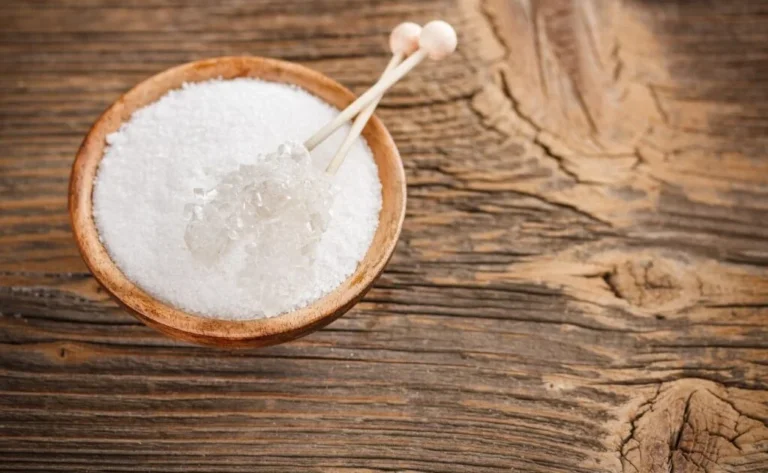
Xylitol, a sugar substitute in gum, candies, and peanut butter, can trigger rapid insulin release in Huskies, causing collapse and liver failure. Immediate vet care is essential for exposure. Always read labels before offering human foods.
Related Posts:
- 9 Foods That Poodles Should Avoid
- 8 Foods That German Shepherds Should Avoid
- 7 Foods That French Bulldogs Should Avoid
7. Caffeine
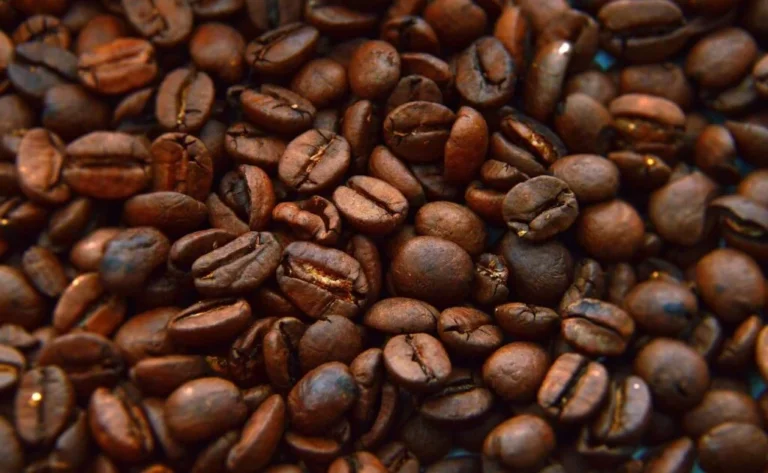
Caffeine overstimulates the nervous system and heart. Coffee, tea, energy drinks, and some medications can cause tremors, rapid breathing, and elevated heart rate. Huskies’ natural energy can mask early symptoms, increasing risk.
8. Yeast Dough
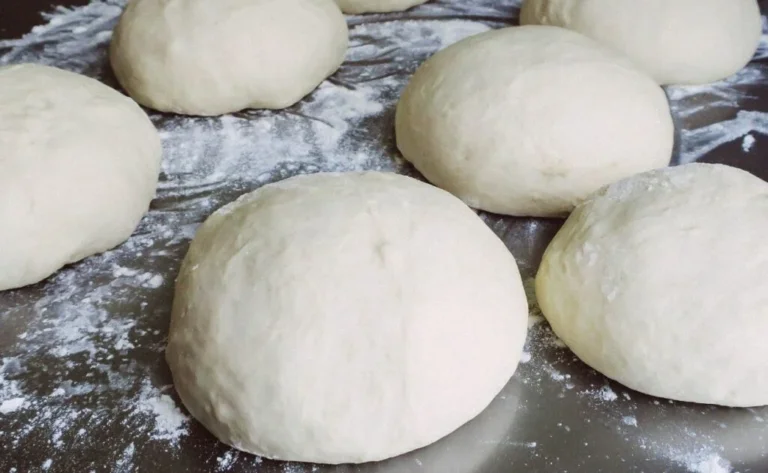
Raw yeast dough expands in the stomach and produces ethanol. I’ve seen Huskies need emergency surgery for bloating and alcohol poisoning from accidental ingestion. Always store baking supplies securely.
9. Raw Fish
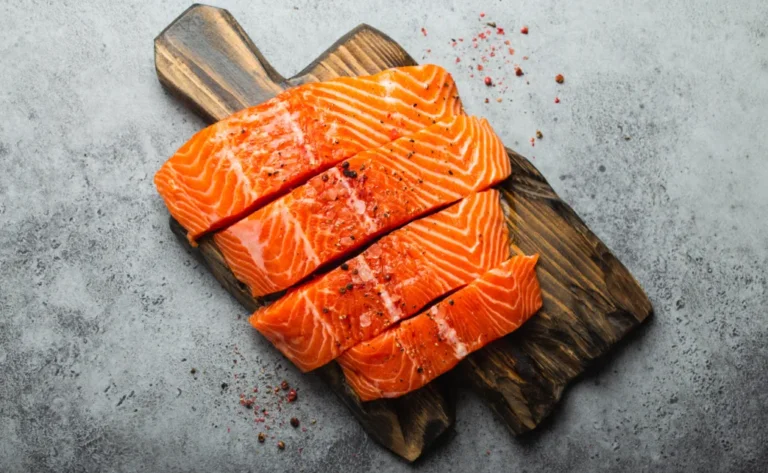
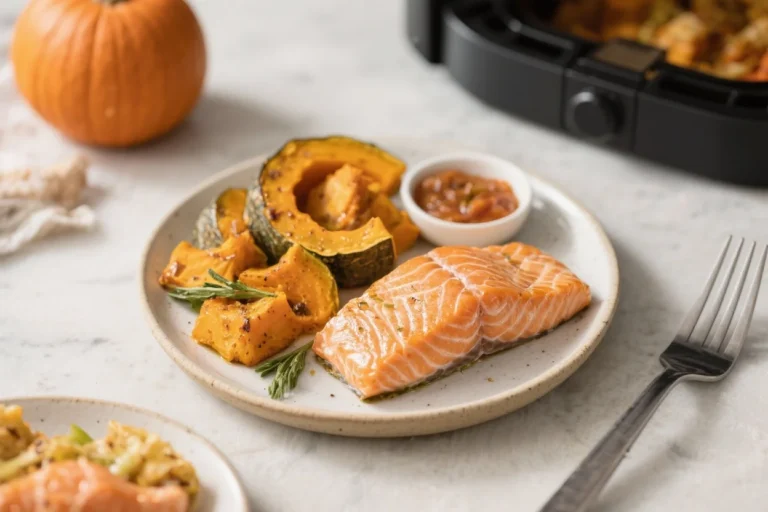
Raw fish can carry parasites like salmonella and listeria and may contain thiaminase, an enzyme that destroys vitamin B1. This can lead to neurological issues. Cooked fish is a safe, protein-rich alternative for coat and joint health.
10. Bones
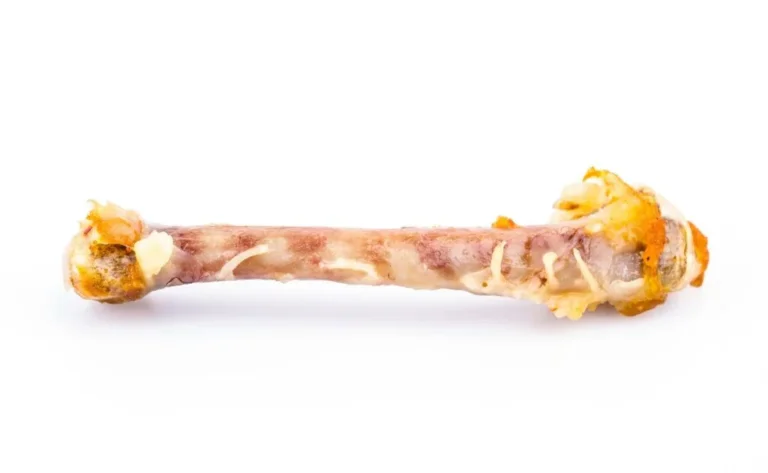
Cooked bones splinter easily, causing punctures and digestive injuries. Raw bones can be safer under supervision, but I prefer durable dog-specific chews for Huskies’ dental health.
Recommended Foods for Siberian Huskies
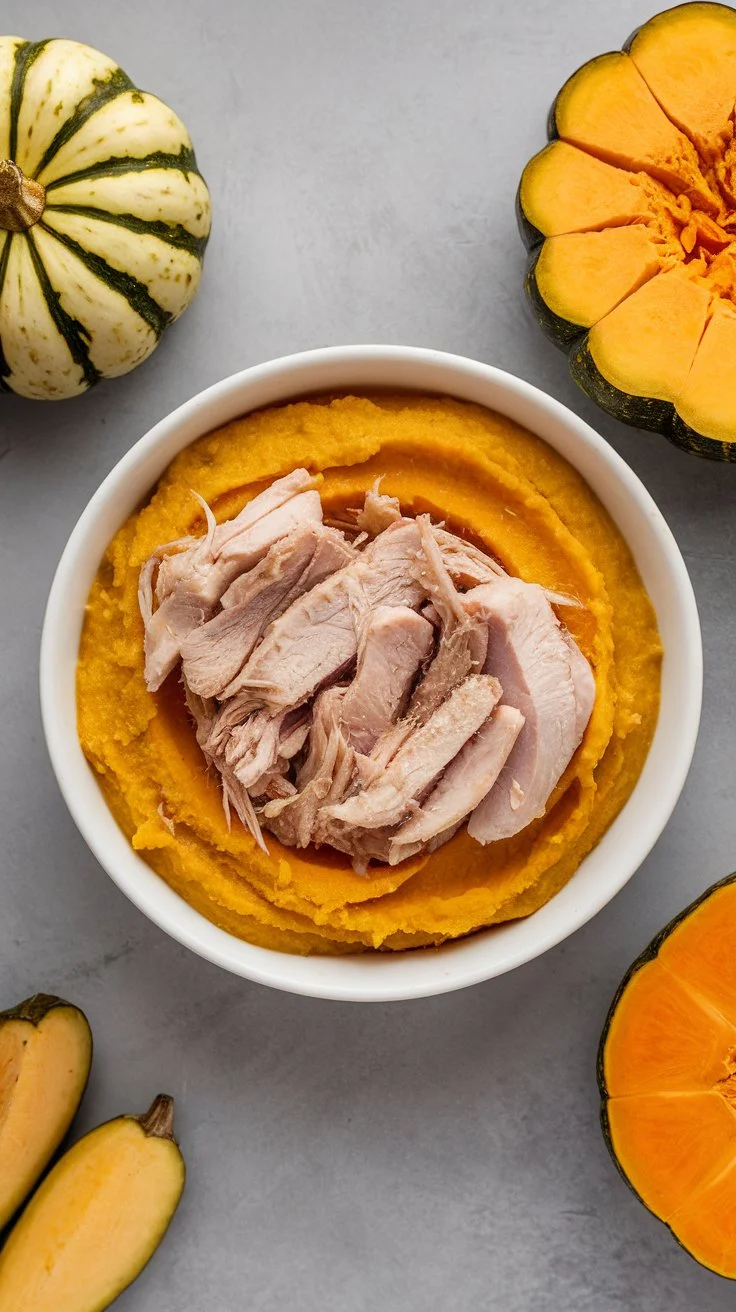
I focus on diets high in animal protein and healthy fats. Real meat should always be the main ingredient. Whole foods like carrots, sweet potatoes, pumpkin, and blueberries improve digestion, coat quality, and immunity. Omega-3 fatty acids also help reduce joint inflammation in this active breed. Avoid fillers like corn, soy, and artificial preservatives.
Pro Tip: Rotate proteins (chicken, beef, salmon) weekly for balanced nutrition.
FAQ
Q: Can Huskies eat dairy?
Some are lactose intolerant. Small amounts of plain yogurt or cheese may be okay, but watch for digestive upset.
Q: Are raw eggs safe?
Raw eggs risk salmonella and interfere with biotin. Cooked eggs are a safer protein option.
Q: Is peanut butter safe?
Yes, if it’s unsweetened and xylitol-free. Use as an occasional treat.
Q: Can Huskies eat fish?
Cooked fish like salmon or whitefish is excellent for joints and coat when bones are removed.
Q: Are any bones safe?
Large raw beef bones can be used under supervision. Avoid all cooked bones.
Q: What fruits are safe?
Apples (no seeds), blueberries, strawberries, and bananas are safe in moderation.
Final Thoughts
Feeding a Siberian Husky responsibly is one of the most effective ways to protect their health. Avoiding these 10 foods drastically reduces emergency vet visits and chronic issues. When unsure, consult your veterinarian. A well-fed Husky is energetic, healthy, and a longer-living companion.
All content on this site is written and reviewed by our experienced team to ensure it is accurate, reliable, and helpful for our readers. Our Our Process page explains how we carefully research and create high-quality content, while our Team page introduces the professionals behind our work. We also provide clear guidelines for content or image concerns on our Image Removal page, so you can trust that we prioritize transparency, quality, and reader safety.