15 Dog Breeds That Are Surprisingly Easy to Train
Training a dog is one of the most rewarding journeys I’ve experienced in my 20+ years of working hands-on with dogs. I’ve groomed them, trained them, cooked for them, rehabilitated stubborn cases, and helped first-time owners build confidence. And here’s something I’ve learned the hard way: while every dog can be trained, some breeds truly make the process smoother, faster, and more enjoyable.
Before we dive into the list, here’s what you should know.
Key Takeaways
- Certain breeds are genetically wired for cooperation and learning due to their working history.
- Intelligence alone doesn’t guarantee easy training — focus, motivation, and temperament matter just as much.
- Positive reinforcement methods significantly improve retention and responsiveness.
- High-energy dogs learn quickly but require structured mental stimulation.
- Early socialization between 8–16 weeks dramatically improves lifelong trainability.
- Consistency and leadership matter more than breed alone.
In my experience, owners who commit to short daily training sessions (10–15 minutes, 2–3 times a day) see dramatically better results than those who train sporadically. Structure builds confidence — in both you and your dog.
Now let’s explore the breeds that consistently stand out.
1. Border Collie
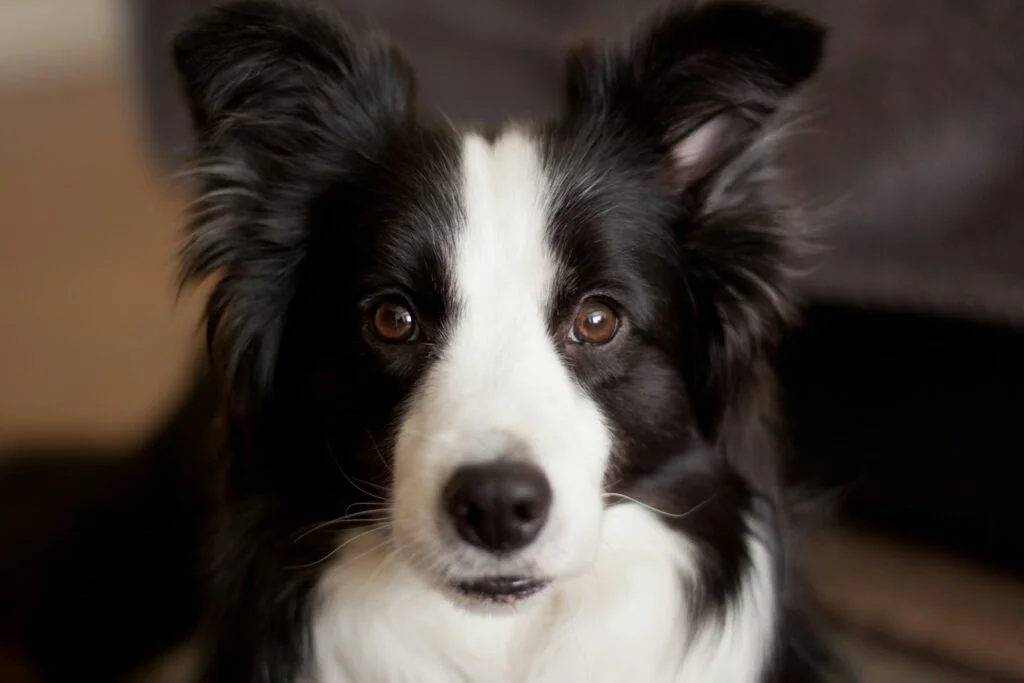
The Border Collie is widely recognized as one of the most intelligent dog breeds in the world.
Why They’re Easy to Train:
I’ve trained multiple Border Collies, and their ability to anticipate commands still amazes me. Originally bred for herding livestock, they are wired to respond to subtle cues. Many can learn a new command in under five repetitions.
Expert Tip:
They require serious mental stimulation. Without 60–90 minutes of daily activity, behavioral problems can develop quickly.
2. Golden Retriever
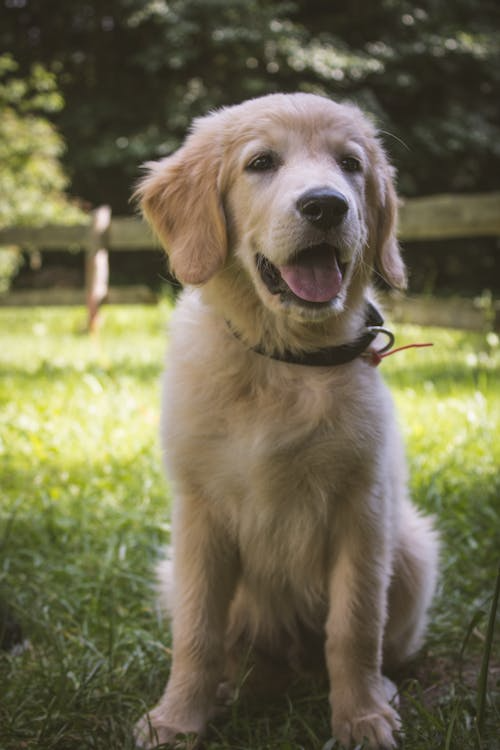
The Golden Retriever combines intelligence with emotional sensitivity.
Why They’re Easy to Train:
In my experience, Golden Retrievers thrive on praise. They genuinely want to make their humans happy. That eagerness makes obedience training smooth and enjoyable.
Training Insight:
They excel in therapy and service roles because of their steady temperament and reliable response to guidance.
3. Labrador Retriever
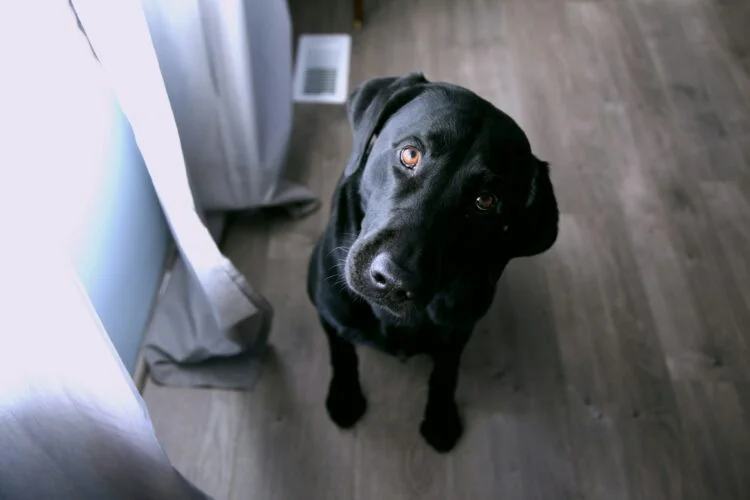
The Labrador Retriever has remained one of the most popular breeds in the U.S. for decades.
Why They’re Easy to Train:
Labs are incredibly food-motivated. Early in my career, I learned that controlled treat rewards can dramatically accelerate command learning with this breed.
Potty Training Advantage:
When crate-trained correctly, many Labs grasp house training faster than average.
4. Poodle (Standard, Miniature, and Toy)
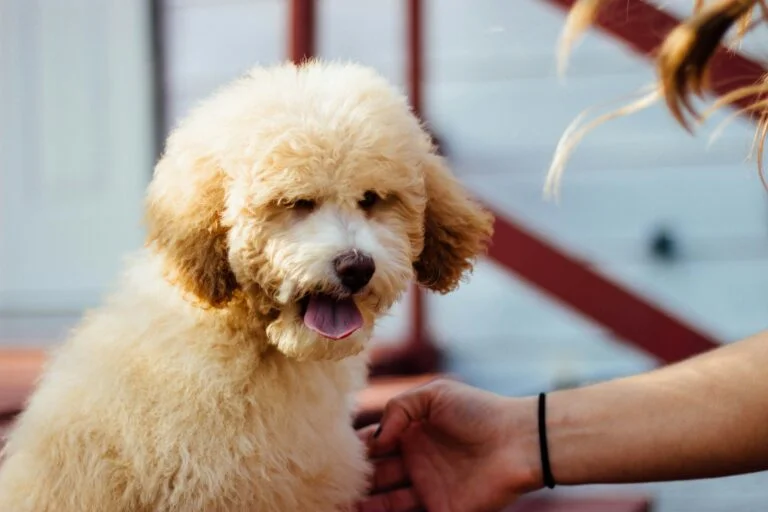
The Poodle is far more than a stylish companion.
Why They’re Easy to Train:
I’ve groomed and trained Poodles for years, and their cognitive sharpness stands out. They excel in obedience, agility, and even scent work.
Pro Groomer Note:
Regular grooming every 4–6 weeks keeps them comfortable and reduces distractions during training sessions.
5. German Shepherd

The German Shepherd is known for loyalty and focus.
Why They’re Easy to Train:
Structure is key. When leadership is clear, they respond with incredible consistency. They’re natural problem-solvers and thrive when given a purpose.
Important:
Early socialization reduces overprotective tendencies later in life.
6. Australian Shepherd
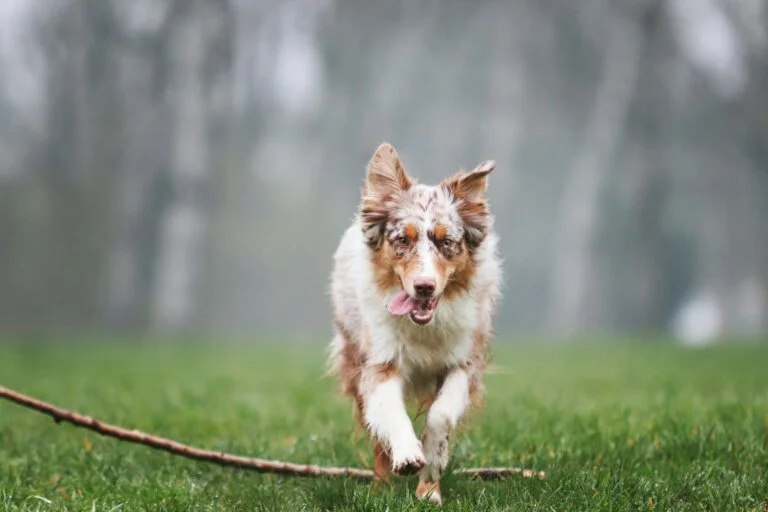
The Australian Shepherd is high-energy and mentally sharp.
Why They’re Easy to Train:
They crave engagement. I’ve found they respond best to fast-paced sessions that challenge both body and mind.
Activity Benchmark:
At least 90 minutes of combined exercise and mental work daily.
7. Doberman Pinscher
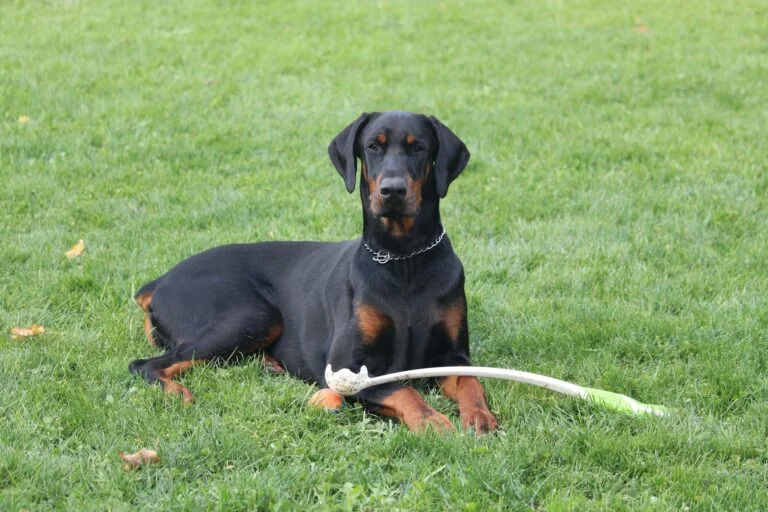
The Doberman Pinscher is intelligent and deeply loyal.
Why They’re Easy to Train:
Dobermans bond closely with their owners. In my hands-on work, I’ve seen them respond exceptionally well to calm, consistent authority.
Consistency Tip:
Clear boundaries from puppyhood make a massive difference in adulthood behavior.
8. Papillon
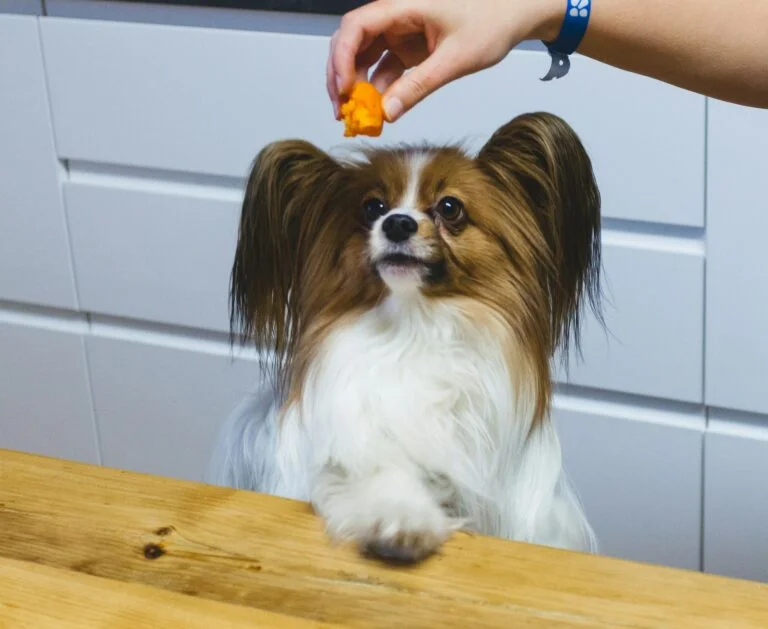
The Papillon proves that size has nothing to do with intelligence.
Why They’re Easy to Train:
I’ve seen Papillons outperform larger breeds in agility competitions. They are alert, quick-thinking, and eager learners.
Short Session Strategy:
Keep sessions brief and upbeat to match their energetic personality.
9. Shetland Sheepdog
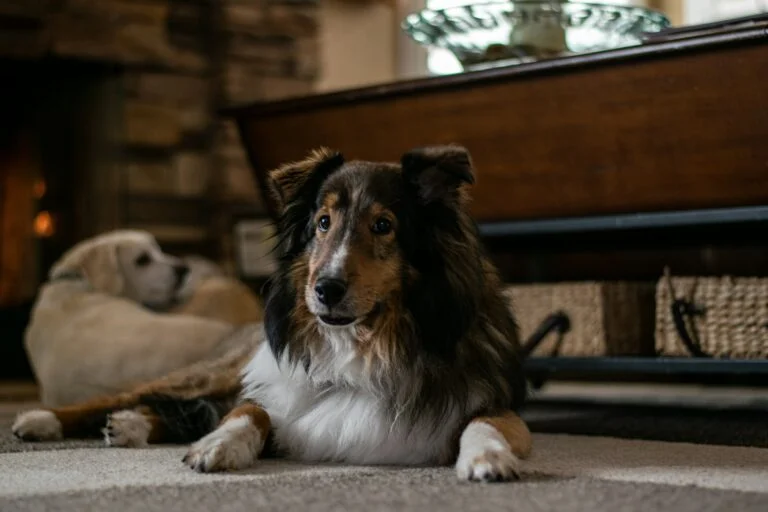
The Shetland Sheepdog thrives on routine.
Why They’re Easy to Train:
Shelties are structured learners. When training schedules are consistent, they absorb commands quickly and reliably.
10. Cavalier King Charles Spaniel

The Cavalier King Charles Spaniel is gentle yet intelligent.
Why They’re Easy to Train:
They are extremely people-oriented. Gentle praise and short training bursts produce excellent results in my experience.
11. Rottweiler

The Rottweiler is powerful but focused.
Why They’re Easy to Train:
With firm, structured leadership, Rottweilers become highly obedient. I always emphasize early obedience foundations with this breed.
12. Collie
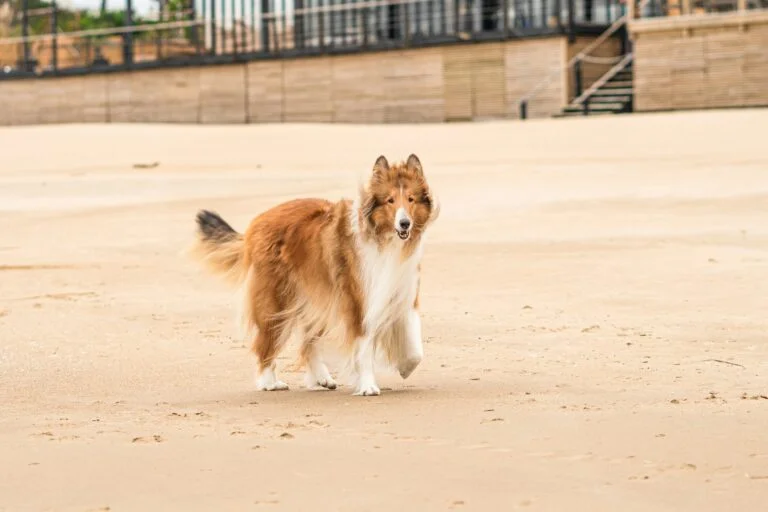
The Collie is smart and naturally cooperative.
Why They’re Easy to Train:
They respond well to positive reinforcement and thrive in family environments.
13. Belgian Malinois

The Belgian Malinois is incredibly driven.
Why They’re Easy to Train:
If you have experience, they are exceptional. I only recommend them to active owners who can provide strong structure and daily mental challenges.
14. Corgi
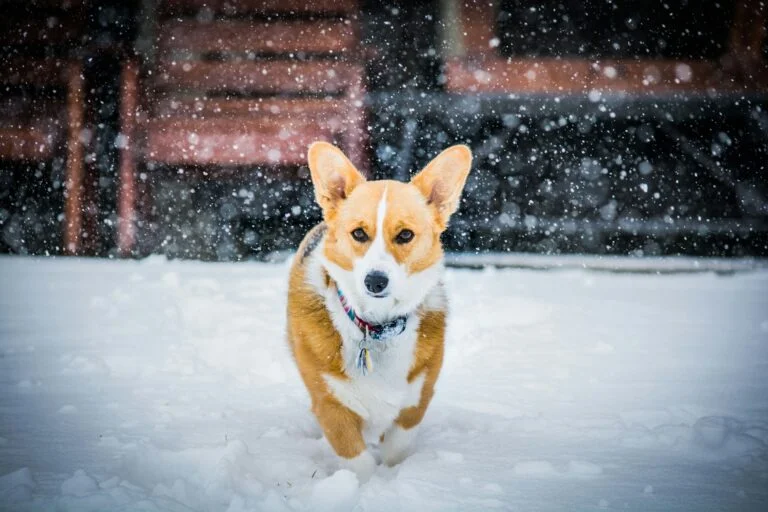
Both the Pembroke Welsh Corgi and Cardigan Welsh Corgi are clever and alert.
Why They’re Easy to Train:
They’re fast learners but slightly independent. Short, consistent sessions with positive reinforcement work best.
15. Boxer
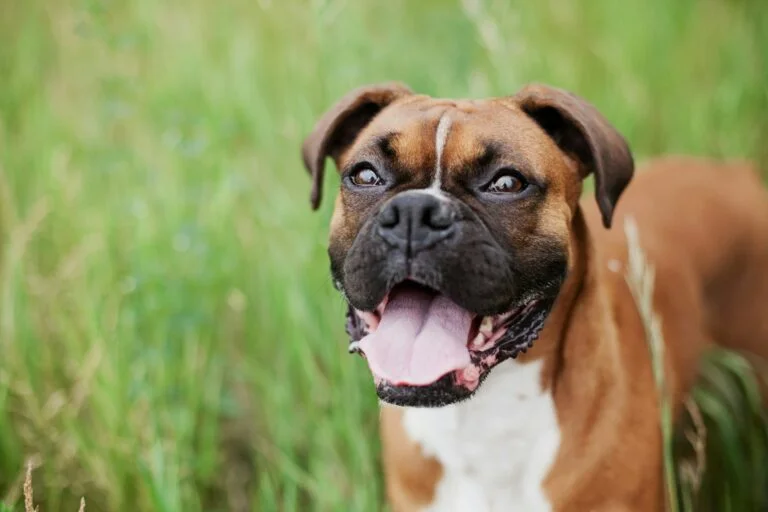
The Boxer is playful and loyal.
Why They’re Easy to Train:
Boxers respond well when training feels like a game. I often use enthusiastic praise and movement-based exercises to keep them focused.
After two decades of working closely with dogs, here’s what I truly believe: breed influences potential, but your leadership shapes the outcome.
Even the most intelligent dog needs consistency, structure, patience, and love. When you combine the right breed with the right approach, training becomes one of the most fulfilling parts of dog ownership.
Happy training 🐾