5 High-Protein Chicken Jerky Dog Treats
If your dog gets excited the second they hear a treat bag open, you already know how important snack time can be. My dog is exactly the same. He’ll come sprinting into the kitchen the moment he smells chicken. But after reading ingredient labels on many store-bought treats, I realized a lot of them were packed with preservatives, fillers, artificial smoke flavors, and unnecessary additives.
That’s when I started making homemade chicken jerky dog treats. They’re simple, protein-rich, affordable, and honestly one of the healthiest homemade treats I’ve added to my dog’s routine. High-protein treats can support muscle maintenance, energy levels, and healthy body condition when fed properly. Since dogs naturally thrive on protein-rich diets, these homemade chicken jerky recipes are a fantastic way to reward your pup without feeding empty calories.
Key Takeaways
- Homemade chicken jerky dog treats contain fewer preservatives and additives than many store-bought options
- Chicken breast is a lean protein source that supports muscle maintenance and healthy energy levels
- High-protein treats are excellent for training rewards because dogs find them highly motivating
- Proper dehydration is essential to prevent spoilage and improve shelf life
- Homemade jerky can be stored in the refrigerator or freezer for longer freshness
- These recipes are naturally grain-free and easy to customize for dogs with sensitivities
- Thin, even slices help chicken dry safely and evenly
- Treats should make up no more than 10% of your dog’s daily calorie intake
According to veterinary nutrition experts, protein plays a major role in maintaining lean muscle mass, supporting immune health, and helping active dogs recover after exercise. I’ve personally noticed my dog stays fuller and more satisfied with protein-rich treats compared to carb-heavy commercial snacks.
High-Protein Chicken Jerky Dog Treats: A Simple, Safe, and Healthy Snack for Your Pup

As a pet parent, I always want treats that are both healthy and practical. My dog absolutely loves chewy treats, but I wanted something made with real ingredients and no mystery fillers. That’s why these homemade high-protein chicken jerky dog treats became one of my favorite recipes to make.
Chicken jerky is naturally rich in lean protein, making it an ideal reward for active dogs, puppies in training, and even senior dogs needing muscle support. Unlike many commercial jerky treats, homemade versions allow you to fully control the ingredients and freshness.
One thing I love most about this recipe is how versatile it is. You only need one main ingredient, and the preparation process is surprisingly easy. Once you learn the basics of dehydrating chicken safely, you can make large batches at home for a fraction of the price of premium store treats.
Recipe Overview
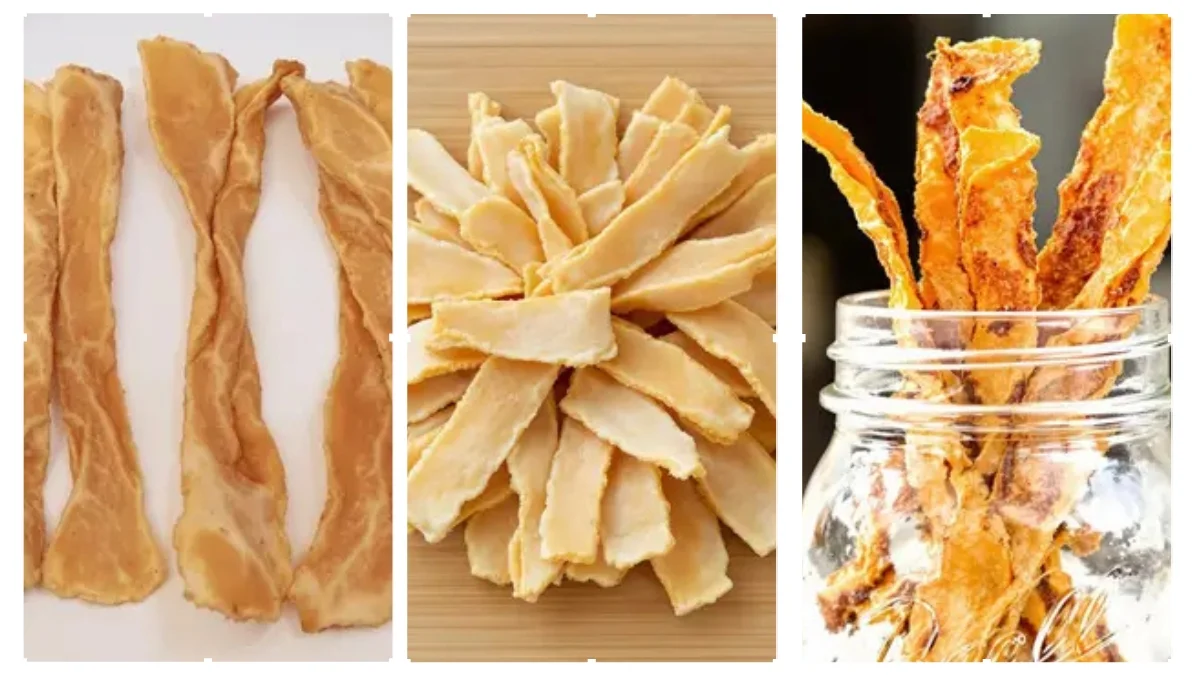
This recipe uses boneless, skinless chicken breast slowly dehydrated in the oven to create chewy, protein-packed jerky strips.
The slow dehydration process helps preserve nutrients while removing moisture that could lead to spoilage. I usually make a large batch every few weeks because these treats store well and work perfectly during training sessions.
Chicken breast is naturally low in fat and high in protein, making it suitable for dogs that need leaner treats.
Why You’ll Love This Recipe
- High in lean protein
- No preservatives or additives
- Budget-friendly homemade alternative
- Great for training rewards
- Easy freezer storage
- Naturally grain-free
- Suitable for most dog breeds and sizes
- Simple one-ingredient recipe
Essential Information
- Prep Time: 10 minutes
- Cook/Set Time: 2 hours
- Total Time: 2 hours 10 minutes
- Yield: Approximately 25 jerky strips
- Shelf Life: Up to 2 weeks refrigerated
- Freezer Storage: Up to 3 months
- Storage: Airtight container
Equipment Needed
I use very basic kitchen tools for this recipe:
- Sharp knife
- Cutting board
- Baking sheet
- Wire rack
- Parchment paper (optional)
A wire rack helps air circulate around the chicken for more even dehydration.
Ingredients Section
Main Components

- 1 pound boneless, skinless chicken breasts
Chicken breast is an excellent source of lean protein and essential amino acids. It helps support muscle development, tissue repair, and healthy energy levels.
If your dog has chicken sensitivities, you can substitute:
- Turkey breast
- Lean beef
- Venison
- Lamb loin
Expert Tips

I learned quickly that thin, even slices make the biggest difference when making jerky at home.
Helpful tips:
- Freeze chicken for 20 minutes before slicing for cleaner cuts
- Slice strips evenly for consistent drying
- Remove all visible fat to improve shelf life
- Pat chicken dry before dehydrating
- Never rush dehydration time
Fully dried jerky should feel firm and chewy, not wet or soft in the center.
Instructions
- Preheat oven to 200°F (93°C)
- Trim visible fat from chicken breasts
- Slice chicken into 1/8-inch strips
- Arrange strips on wire rack over baking sheet
- Bake for 2 hours, flipping halfway through
- Check for dryness and firm texture
- Cool completely before storing
Dietary Adaptations
This recipe is naturally:
- Grain-free
- Gluten-free
- Low-carb
- High-protein
For softer jerky, slightly reduce dehydration time. This works especially well for puppies or senior dogs.
Pro Tips and Success Secrets
I always make extra because homemade jerky disappears fast in my house.
Success tips:
- Store in small batches for freshness
- Freeze extras immediately
- Label containers with preparation date
- Break into smaller pieces for training
Serving Guidelines
- Small dogs: ½ strip daily
- Medium dogs: 1 strip daily
- Large dogs: 1–2 strips daily
Always supervise dogs while chewing jerky treats.
Common Questions
Can I use turkey instead of chicken?
Yes. Turkey breast works very well and provides similar protein benefits.
How do I know the jerky is done?
The strips should feel dry and firm without moisture in the center.
Can puppies eat chicken jerky?
Yes, but cut into smaller bite-sized pieces.
Why is my jerky spoiling quickly?
It may not have dehydrated fully. Moisture can reduce shelf life.
Homemade High-Protein Chicken Jerky Dog Treats Perfect for Your Pup’s Health and Training

Training my dog became dramatically easier once I started using high-value homemade treats like chicken jerky. Dogs naturally respond well to meat-based rewards because they’re flavorful, aromatic, and protein-rich.
This recipe is one of my go-to training treats because the jerky can easily be broken into smaller pieces without crumbling apart.
Recipe Overview
These chicken jerky strips are made using lean chicken breast slowly dehydrated in the oven.
The result is a chewy, protein-dense snack that supports:
- Muscle maintenance
- Healthy energy levels
- Training motivation
- Dental chewing enrichment
Because this recipe contains just one ingredient, it’s also a smart option for dogs with food sensitivities.
Why You’ll Love This Recipe
- Affordable homemade treat option
- Perfect for training sessions
- High-value reward dogs love
- No grains or fillers
- Simple prep process
- Great for batch cooking
Essential Information
- Prep Time: 15 minutes
- Cook Time: 2 hours
- Yield: 20–25 strips
- Shelf Life: 2 weeks refrigerated
- Freezer Life: Up to 3 months
Equipment Needed
- Sharp knife
- Baking sheet
- Wire rack
- Airtight container
Ingredients Section

Main Components
- 1 pound boneless, skinless chicken breasts
Chicken is highly digestible and rich in amino acids that support healthy muscles and tissue repair.
Expert Tips
Some of the best results I’ve had came from partially freezing the chicken before slicing.
Additional tips:
- Thin slices dry faster
- Rotate trays halfway through baking
- Avoid overlapping strips
- Cool completely before storage
Instructions

- Preheat oven to 200°F
- Trim excess fat
- Slice chicken into thin strips
- Place strips on rack
- Bake 2 hours, flipping halfway
- Allow to cool fully
- Store refrigerated
Dietary Adaptations
You can swap chicken for:
- Turkey breast
- Lean beef
- Duck breast
For dogs needing softer treats, reduce bake time slightly.
Pro Tips and Success Secrets
If you want crunchier jerky, leave it in the oven for an extra 15–20 minutes.
I also recommend storing jerky in smaller containers to reduce repeated moisture exposure.
Serving Guidelines
Training tip: break strips into pea-sized pieces for repetitive reward sessions.
Daily recommendations:
- Toy breeds: tiny pieces
- Medium dogs: half to one strip
- Large dogs: one to two strips
Common Questions
Is homemade jerky healthier than store-bought?
Usually yes, because you control ingredients and preservatives.
Can I freeze homemade dog jerky?
Absolutely. Freezing extends freshness significantly.
Why does my jerky bend too much?
It likely needs additional dehydration time.
Homemade High-Protein Chicken Jerky Dog Treats for Healthy, Happy Pups

One of the biggest reasons I continue making homemade chicken jerky is because my dog genuinely thrives on it. He stays excited during training, maintains healthy energy levels, and I never have to worry about questionable ingredients.
Protein is essential for dogs because it supports muscles, skin, coat health, enzymes, and immune function. Active dogs especially benefit from high-quality protein snacks after exercise and play.
Recipe Overview
This recipe focuses on simplicity and nutrition.
By slowly dehydrating chicken breast, you create a shelf-stable treat with concentrated flavor dogs absolutely love.
The chewy texture also provides mental enrichment because dogs naturally enjoy gnawing behaviors.
Why You’ll Love This Recipe
- Supports healthy muscle maintenance
- Easy homemade recipe
- Excellent training reward
- Long freezer life
- Minimal ingredients
- Budget-friendly
Essential Information
- Prep Time: 20 minutes
- Cook Time: 2 hours
- Yield: 30–35 strips
- Shelf Life: 10–14 days refrigerated
Equipment Needed
- Sharp knife
- Baking sheet
- Wire rack
- Storage containers
Ingredients Section

Main Components
- 1 pound boneless skinless chicken breasts
Choose fresh, high-quality chicken whenever possible.
Expert Tips
I always recommend checking jerky texture after cooling because warm jerky may still feel softer than it actually is.
Helpful tips:
- Slice against the grain for softer jerky
- Slice with the grain for chewier texture
- Blot moisture during baking if needed
Instructions
- Preheat oven to 200°F
- Remove fat from chicken
- Slice evenly into strips
- Arrange on rack
- Bake for 2 hours
- Flip halfway through
- Cool fully before storing

Dietary Adaptations
For higher-fat jerky, use chicken thighs instead of breast.
For dogs with poultry allergies, try:
- Venison
- Beef
- Turkey
Pro Tips and Success Secrets
I sometimes make mixed batches with different textures for variety.
- Shorter bake = softer jerky
- Longer bake = crunchier jerky
Serving Guidelines
Serve moderately based on activity level and body size.
Always provide fresh drinking water alongside dehydrated treats.
Common Questions
Can I make jerky without a dehydrator?
Yes. Your oven works perfectly well.
What if my dog has sensitive digestion?
Introduce slowly and start with small portions.
Is chicken breast better than thighs?
Chicken breast is leaner and stores longer because it contains less fat.
High-Protein Chicken Jerky Dog Treats: A Simple, Nutritious Snack for Your Furry Friend

I’ve tested several homemade dog treat recipes over the years, but chicken jerky consistently remains one of the easiest and most rewarding options.
Dogs naturally love chewy meat treats because they mimic instinctive chewing behaviors while delivering concentrated flavor and protein.
Recipe Overview
This recipe uses slow dehydration to remove moisture while preserving protein and flavor.
Chicken jerky is excellent for:
- Training rewards
- Mental enrichment
- Chewing satisfaction
- Protein supplementation
Why You’ll Love This Recipe
- Single-ingredient simplicity
- Protein-rich nutrition
- No artificial preservatives
- Great shelf life
- Easy portion control
- Training-friendly texture
Essential Information
- Prep Time: 15 minutes
- Cook Time: 2–2.5 hours
- Yield: 30–40 strips
- Freezer Life: Up to 3 months
Ingredients Section
Main Components
- 1 pound boneless skinless chicken breasts

Lean chicken breast provides protein while remaining relatively low in calories and fat.
Expert Tips
Some tricks that improved my jerky dramatically:
- Use parchment for easier cleanup
- Leave space between strips
- Rotate pans halfway through drying
- Cool completely before sealing
Instructions
- Preheat oven or dehydrator
- Slice chicken evenly
- Arrange strips on tray
- Dry slowly at low heat
- Flip halfway through
- Cool completely
- Store refrigerated

Dietary Adaptations
For added variety, lightly season with dog-safe herbs like:
- Parsley
- Dill
- Turmeric
Avoid salt, garlic, and onion.
Pro Tips and Success Secrets
If using a dehydrator, drying may take slightly longer but often creates more even results.
I also recommend vacuum-sealing frozen jerky batches for maximum freshness.
Serving Guidelines
- Small dogs: bite-sized pieces
- Medium dogs: half strips
- Large dogs: whole strips
Always supervise chewing sessions.
Common Questions
Can I use a dehydrator?
Yes, and many pet owners prefer it for even drying.
Why is my jerky brittle?
The strips may have dried too long or were sliced too thin.
Can I add flavor?
Dog-safe herbs are fine in small amounts.
High-Protein Chicken Jerky Dog Treats The Ultimate Healthy Snack for Your Dog

Homemade chicken jerky has honestly become one of my favorite meal-prep style dog treats because it’s affordable, nutritious, and incredibly practical.
Instead of spending money on premium packaged jerky, I can make fresh batches at home with ingredients I trust.
Recipe Overview
This recipe delivers:
- Lean protein
- Chewy texture dogs love
- Long-lasting freshness
- Simple preparation
The dehydration process concentrates flavor naturally without artificial additives.
Why You’ll Love This Recipe
- Supports healthy muscles
- Excellent training reward
- Budget-friendly homemade snack
- Easy freezer storage
- One-ingredient simplicity
- Suitable for most dogs
Essential Information
- Prep Time: 10 minutes
- Cook Time: 2–3 hours
- Yield: 20–30 strips
- Shelf Life: 7–10 days refrigerated
Equipment Needed
- Oven or dehydrator
- Sharp knife
- Baking sheet
- Wire rack
Ingredients Section
Main Components
- 1 pound boneless skinless chicken breasts

Expert Tips
My best jerky batches always come from very consistent slicing.
Helpful reminders:
- Avoid thick pieces
- Trim fat carefully
- Store cooled jerky only
- Freeze extra portions immediately
Instructions
- Preheat oven to 200°F
- Trim and slice chicken
- Arrange on racks
- Bake 2–3 hours
- Check for firm texture
- Cool fully
- Store airtight

Dietary Adaptations
You can substitute:
- Turkey breast
- Lean duck meat
- Venison
For softer treats, reduce drying slightly.
Pro Tips and Success Secrets
The key to safe homemade jerky is full dehydration. Moisture encourages bacteria growth, so patience matters.
I also recommend labeling freezer bags with preparation dates for easy rotation.
Serving Guidelines
Use jerky as:
- Training rewards
- Enrichment treats
- High-value snacks
- Special rewards after exercise
Common Questions
How long does homemade jerky last?
Typically 7–14 days refrigerated depending on dryness level.
Can I use chicken thighs?
Yes, but remove extra fat to improve shelf life.
Why does my dog love jerky so much?
Dogs are naturally attracted to meat-based protein snacks because of their scent and flavor.
Final Thoughts
Making homemade high-protein chicken jerky dog treats has been one of the best upgrades I’ve made for my dog’s snack routine. They’re simple, healthy, protein-rich, and far more transparent than many commercial treats.
The best part is knowing exactly what my dog is eating. No preservatives. No mystery fillers. Just real chicken carefully prepared into chewy, satisfying treats dogs genuinely love.
Whether you’re training a puppy, rewarding good behavior, or simply giving your dog a healthier snack option, homemade chicken jerky is a fantastic addition to your routine.
All content on this site is written and reviewed by our experienced team to ensure it is accurate, reliable, and helpful for our readers. Our Our Process page explains how we carefully research and create high-quality content, while our Team page introduces the professionals behind our work. We also provide clear guidelines for content or image concerns on our Image Removal page, so you can trust that we prioritize transparency, quality, and reader safety.