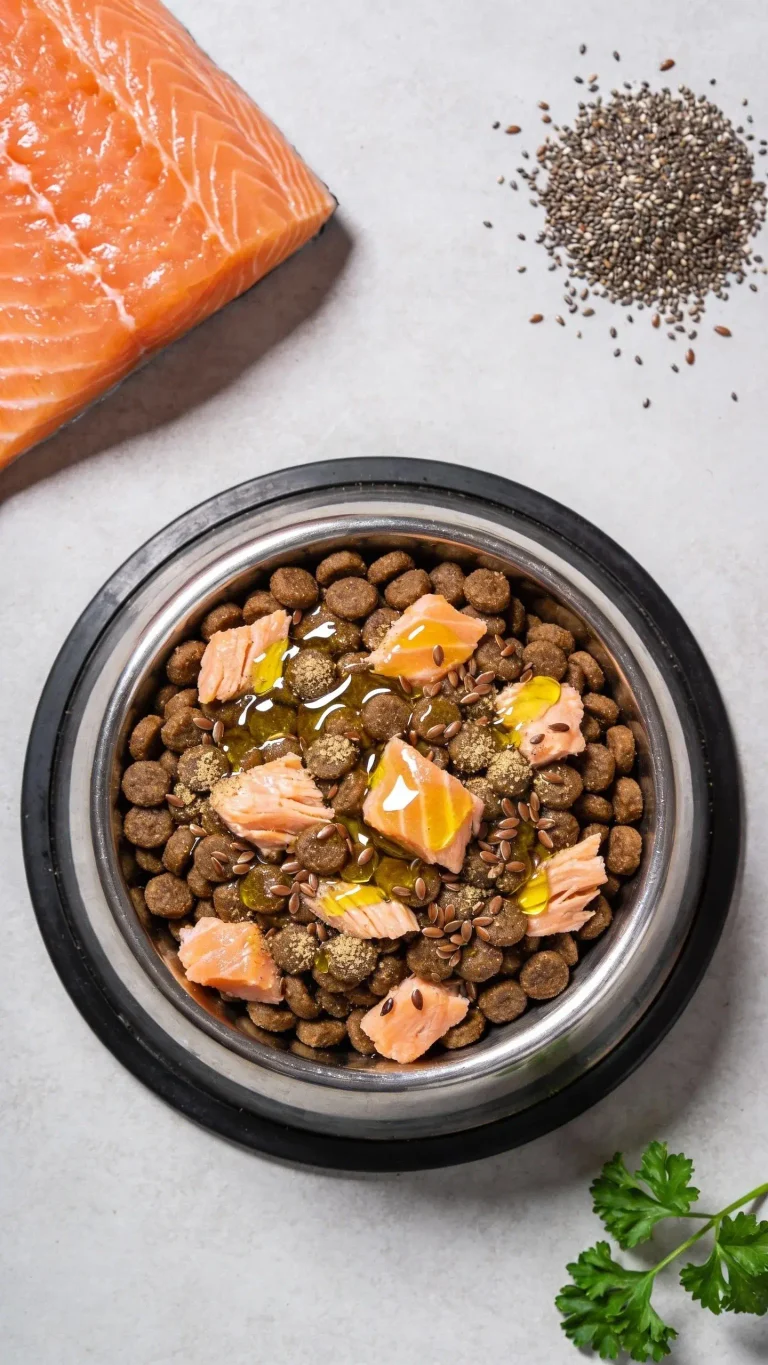

Allergy-Friendly Dog Food With Sweet Potato For Sensitive Dogs Made Simple
Does your dog constantly lick their paws, scratch their ears, or suddenly leave a loose-stool surprise somewhere you definitely didn’t want one?
When digestive or skin problems keep coming back, food naturally becomes part of the conversation. But figuring out whether a particular ingredient is actually responsible can be surprisingly complicated.
Sweet potato can be a useful ingredient in some dogs’ diets. It provides carbohydrates and fiber and can work well in certain limited-ingredient recipes. However, it isn’t a treatment for food allergies, and simply choosing a food containing sweet potato won’t identify or eliminate an allergy.
The real goal is to find a diet your individual dog tolerates while making sure they’re still getting complete, balanced nutrition.
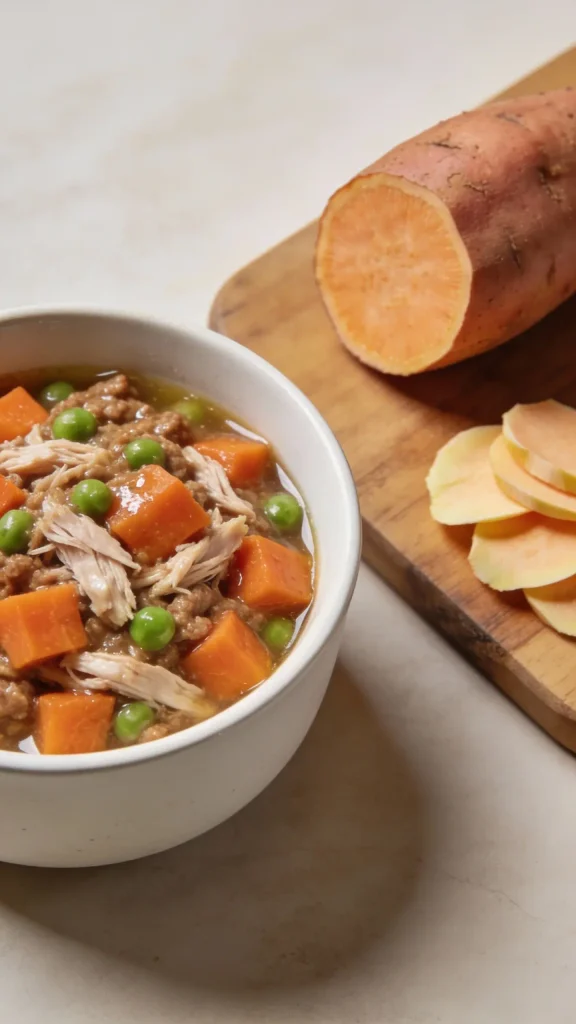
Why Sweet Potato Works for Sensitive Dogs
Sweet potato is a nutritious carbohydrate source that can fit into many dog foods and homemade recipes. It’s naturally rich in carbohydrates and provides dietary fiber along with nutrients such as beta-carotene.
For some dogs, it can be a perfectly reasonable ingredient in a balanced diet.
Here are a few reasons it can be useful:
- Provides carbohydrates: Sweet potato supplies readily available energy and can be used alongside an appropriate protein source.
- Contains dietary fiber: Its fiber content can contribute to normal digestive function, although too much can cause loose stools.
- Provides beta-carotene: Sweet potatoes contain carotenoids that dogs can convert to vitamin A as part of normal nutrition.
- Naturally low in fat: Plain sweet potato is relatively low in fat, which can make it a useful ingredient when building meals around leaner foods.
One important distinction: a dog isn’t automatically less likely to react to sweet potato simply because it is a plant ingredient. Dogs can develop adverse reactions to many different foods, so tolerance depends on the individual dog.
Spotting Food Sensitivities: Is It Really the Food?
Itching and digestive problems can have many causes, so it’s easy to blame the food too quickly.
Food allergies can cause persistent itching, especially around areas such as the ears, paws, and underside of the body. Some dogs may also experience gastrointestinal signs such as vomiting or diarrhea. Recurring ear or skin infections can occur as well.
Possible signs of an adverse reaction to food include:
- Persistent paw licking or chewing
- Repeated scratching or rubbing
- Recurring ear inflammation or infections
- Red or irritated skin
- Vomiting or recurring diarrhea
- Changes in stool quality
- Excessive gas in some dogs
But these symptoms aren’t proof of a food allergy.
Environmental allergies, fleas, parasites, bacterial or yeast infections, gastrointestinal disease, and other conditions can produce similar signs. Food allergies are also less common than many pet owners assume.
If your dog has ongoing itching, repeated ear problems, vomiting, diarrhea, or unexplained skin changes, it’s worth having your veterinarian investigate the underlying cause instead of simply changing foods repeatedly.
What “Allergy-Friendly” Actually Means
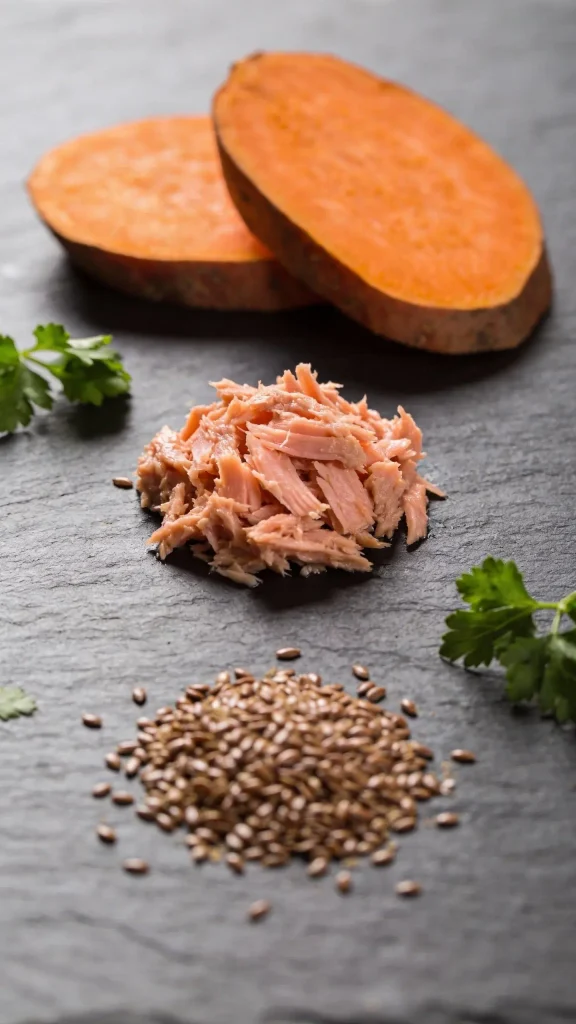
The phrase “allergy-friendly” sounds reassuring, but it doesn’t mean the same thing for every dog.
A food that works beautifully for one sensitive dog could contain an ingredient that causes problems for another. There is no universal list of ingredients that every allergy-prone dog must avoid.
When evaluating a diet, pay attention to the actual protein sources and your dog’s previous food history.
Useful things to look for include:
- A clearly defined protein source: Knowing exactly which protein is included makes it easier to manage a suspected food reaction.
- A carefully selected novel protein: A protein is only “novel” if your dog hasn’t previously been exposed to it.
- A limited ingredient list: Fewer ingredients can make dietary troubleshooting easier, although a short ingredient list doesn’t automatically make a food hypoallergenic.
- A complete-and-balanced nutritional statement: If the food is intended as your dog’s main diet, it should be appropriate for their life stage and nutritionally complete.
- Consistent formulation: Dietary trials are easier to interpret when the food’s ingredients are tightly controlled.
Also remember that ingredient lists alone don’t tell the whole story. Over-the-counter limited-ingredient foods can potentially contain trace amounts of other ingredients through manufacturing cross-contact. Veterinary therapeutic diets may offer tighter controls when a formal elimination trial is being performed.
Hydrolyzed vs. Novel Protein
Hydrolyzed and novel-protein diets are two common approaches used during veterinary food trials.
A novel-protein diet uses a protein source the dog has not previously consumed. Choosing the right one requires knowing the dog’s dietary history because a protein isn’t novel if the dog has eaten it repeatedly in the past.
Hydrolyzed diets take proteins and break them into much smaller fragments. This can make them less likely to trigger an immune response in dogs with certain food allergies. The degree of hydrolysis varies between diets, so these diets are best selected with veterinary guidance.
Neither approach should be treated as a casual “try it and see” solution when a dog has significant symptoms. A veterinarian can help determine whether a proper food trial is appropriate.
How to Choose a Sweet Potato-Based Food
Sweet potato appears in everything from dry kibble to canned foods and fresh-food formulas. The presence of sweet potato, however, shouldn’t be the deciding factor by itself.
Start with the overall nutritional profile and the reason you’re considering the diet.
When comparing foods, consider:
- The primary protein source: Choose a protein that fits your dog’s dietary history, particularly if you’re working through a suspected food reaction.
- Nutritional adequacy: Look for a food that is complete and balanced for your dog’s appropriate life stage if it will make up most of their diet.
- The entire ingredient list: Sweet potato isn’t the only ingredient that matters. Check all protein sources, treats, flavorings, and supplements.
- Quality and consistency: A diet used for a food trial should have dependable ingredient control.
- Your dog’s individual needs: Age, weight, activity, medical conditions, and previous diet history all matter.
Don’t assume that an ingredient being listed near the beginning automatically makes a food better. Dogs require the right balance of nutrients rather than simply a particular collection of ingredients.
Ingredients to Avoid (Common Triggers)
There isn’t one universal “avoid” list for every dog with suspected food allergies.
However, certain ingredients are reported more frequently as food allergens in dogs, including beef, dairy, chicken, wheat, and lamb. Dogs can also react to less common ingredients, so simply removing the most common allergens doesn’t guarantee success.
If your veterinarian recommends an elimination diet, don’t randomly remove several ingredients and then add them back whenever symptoms improve. The purpose of the trial is to control exactly what your dog consumes so the results can actually be interpreted.
Treats, table scraps, flavored medications, supplements, chews, and other food-based extras can interfere with a strict diet trial.
Transitioning Without Tummy Turmoil
Even when you’re moving to a nutritionally appropriate food, an abrupt change can upset your dog’s digestive system.
A gradual transition is usually easier for many dogs.
A simple seven-day approach can look like this:
- Days 1–2: About 25% new food and 75% previous food
- Days 3–4: About 50% new food and 50% previous food
- Days 5–6: About 75% new food and 25% previous food
- Day 7 onward: Mostly or entirely new food
Some dogs need considerably longer than a week. If your dog develops loose stools, vomiting, or obvious digestive discomfort, don’t keep increasing the new food simply because you’re following a calendar.
Slow the transition and contact your veterinarian if symptoms are significant, persistent, or accompanied by other concerning signs.
And if the new diet is part of a formal elimination trial, ask your veterinarian how they want the transition handled. Once the actual trial begins, the diet generally needs to be followed very strictly.
Elimination Diet 101
A proper elimination diet is more structured than simply feeding sweet potato with one meat for several weeks.
For dogs with suspected food allergy, the usual approach involves feeding either a carefully selected novel-protein diet or a hydrolyzed diet exclusively for the appropriate trial period.
For skin-related signs, veterinary guidance commonly involves a longer trial—often around 8–12 weeks, and some veterinary sources recommend that at least 10 weeks may be necessary to identify most food-allergic dogs. Gastrointestinal trials can sometimes require less time.
During the trial:
- Don’t add random treats.
- Don’t offer table scraps.
- Check flavored supplements and medications.
- Prevent other pets from sharing food.
- Keep track of symptoms.
- Follow the veterinarian’s diet exactly.
Most importantly, improvement during the elimination phase isn’t the entire diagnosis. A controlled dietary rechallenge is generally used to determine whether the original food actually causes the symptoms to return.
Store-Bought vs. Homemade: What’s Best?
Both commercial and homemade diets can have a place, but they aren’t equally easy to balance.
For most owners, a properly selected commercial food offers the convenience of consistent formulation and nutritional adequacy.
Store-bought perks:
- Convenient daily feeding
- Consistent nutrient formulation
- Complete-and-balanced options for different life stages
- Therapeutic diets available for dogs undergoing veterinary food trials
- Easy portioning and storage
Homemade perks:
- Greater control over individual ingredients
- Useful when a veterinarian needs a highly customized diet
- The ability to avoid specific ingredients identified as problematic
But there’s a major catch with homemade feeding: simply combining sweet potato and a meat source does not create a complete dog diet.
Long-term homemade diets need carefully calculated amounts of protein, fat, carbohydrates, vitamins, minerals, and other nutrients. A veterinary nutritionist can formulate a recipe based on your dog’s individual requirements.
Changing ingredients or leaving out supplements can throw off the nutritional balance.
Sweet Potato Serving Tips (for toppers or treats)
If you’re using plain sweet potato as a topper or occasional treat rather than as the foundation of a complete diet, keep preparation simple.
- Steam, bake, or boil it until soft.
- Remove the skin if your dog has difficulty digesting it.
- Don’t add butter, heavy sauces, salt, sugar, or seasoning.
- Let it cool before serving.
- Introduce small amounts first.
- Stop or reduce it if it causes loose stools or digestive discomfort.
Sweet potato should complement your dog’s regular diet rather than replace a complete-and-balanced food.
Treats and toppers should also stay within your dog’s overall calorie needs. A commonly used veterinary guideline is to keep treats and extras to around 10% or less of daily calories.
What Results Should You Expect—and When?
There isn’t a reliable schedule in which every dog will stop itching after one or two weeks of eating sweet potato.
If sweet potato is simply part of a nutritionally appropriate food, any improvement could be related to the overall diet rather than the sweet potato itself.
For dogs undergoing a formal food trial, digestive signs may change sooner than chronic skin problems. Dermatological food trials generally need substantially more time before they can be properly evaluated.
If your dog’s symptoms don’t improve, don’t assume you need even more sweet potato.
Other possibilities may include:
- Environmental allergies
- Flea allergy
- Parasites
- Yeast or bacterial skin infections
- Another gastrointestinal condition
- An ingredient still present in the diet
- A food allergy that isn’t related to sweet potato
Persistent symptoms deserve a proper veterinary evaluation rather than an endless cycle of food changes.
FAQs
Is sweet potato better than regular potato for allergies?
Not necessarily.
Sweet potato and white potato are different ingredients, but neither is automatically “better” for a dog with food allergies. The important question is whether your individual dog tolerates the ingredient and whether the overall diet meets their nutritional needs.
For a formal elimination trial, the diet should be selected based on the dog’s dietary history and veterinary recommendations rather than choosing an ingredient simply because it sounds gentle.
Can grain-inclusive diets still be allergy-friendly?
Yes.
Grains aren’t automatically a problem for dogs with suspected food allergies. Dogs can react to individual ingredients, but the presence of grains alone doesn’t make a diet unsuitable.
In fact, avoiding grains isn’t necessary unless there is a specific reason to do so.
When choosing a diet, focus on the ingredients your dog needs to avoid, the nutritional adequacy of the food, and the overall formulation.
Will grain-free with sweet potato cause heart issues?
The relationship between diet and non-hereditary canine dilated cardiomyopathy is complicated and has not been reduced to a simple “sweet potato causes heart disease” rule.
The FDA has investigated reports involving various diets, many of which were grain-free and contained substantial amounts of peas, lentils, or other pulse ingredients. However, the FDA has not established that these ingredients or grain-free diets are inherently unsafe for every dog.
For that reason, don’t choose a grain-free diet solely because your dog has itchy skin or a sensitive stomach.
If your dog has a specific medical reason for a restricted diet, discuss the best formulation with your veterinarian.
Can I use sweet potato treats during an elimination diet?
Only if they fit the specific elimination diet your veterinarian has prescribed.
If the trial is testing a particular diet, an extra treat can introduce an unplanned ingredient and make the results difficult to interpret.
Even a treat that contains “just sweet potato” may not be appropriate if sweet potato isn’t part of the prescribed trial.
During a strict elimination trial, the safest approach is to ask your veterinarian which treats, if any, are permitted.
What if my dog still itches on a sweet potato LID?
Don’t automatically conclude that your dog needs more sweet potato or a different vegetable.
If itching continues, your veterinarian may need to investigate whether the diet was truly appropriate for the trial, whether another food ingredient is involved, or whether environmental allergies, parasites, or secondary infections are contributing.
If food allergy remains strongly suspected, a properly selected hydrolyzed diet may also be considered.
Remember that food allergy and environmental allergy can occur together, so changing food won’t necessarily eliminate every source of itching.
How much sweet potato is too much?
There isn’t one universal serving size that is appropriate for every dog.
The right amount depends on your dog’s size, calorie requirements, existing diet, digestive tolerance, and whether the sweet potato is being used as a treat, topper, or part of a complete food.
As a general rule, extras should remain a small portion of the daily calorie intake. Too much sweet potato can add unnecessary calories and fiber and may lead to digestive upset.
If sweet potato is already included in a complete-and-balanced commercial diet, don’t add large quantities on top of the food without adjusting the overall feeding plan.
Bottom Line
Sweet potato can be a useful carbohydrate and fiber source for many dogs, but it’s not a magic ingredient for food allergies.
The bigger picture matters: identify the suspected trigger, choose an appropriately formulated diet, transition gradually, and avoid sneaky extras when performing a true elimination trial.
If your dog’s itching, digestive problems, or recurring ear and skin issues continue, work with your veterinarian rather than endlessly switching foods.
The goal isn’t simply to find a food containing sweet potato. It’s to find a diet your dog tolerates and that provides everything they need to stay healthy.