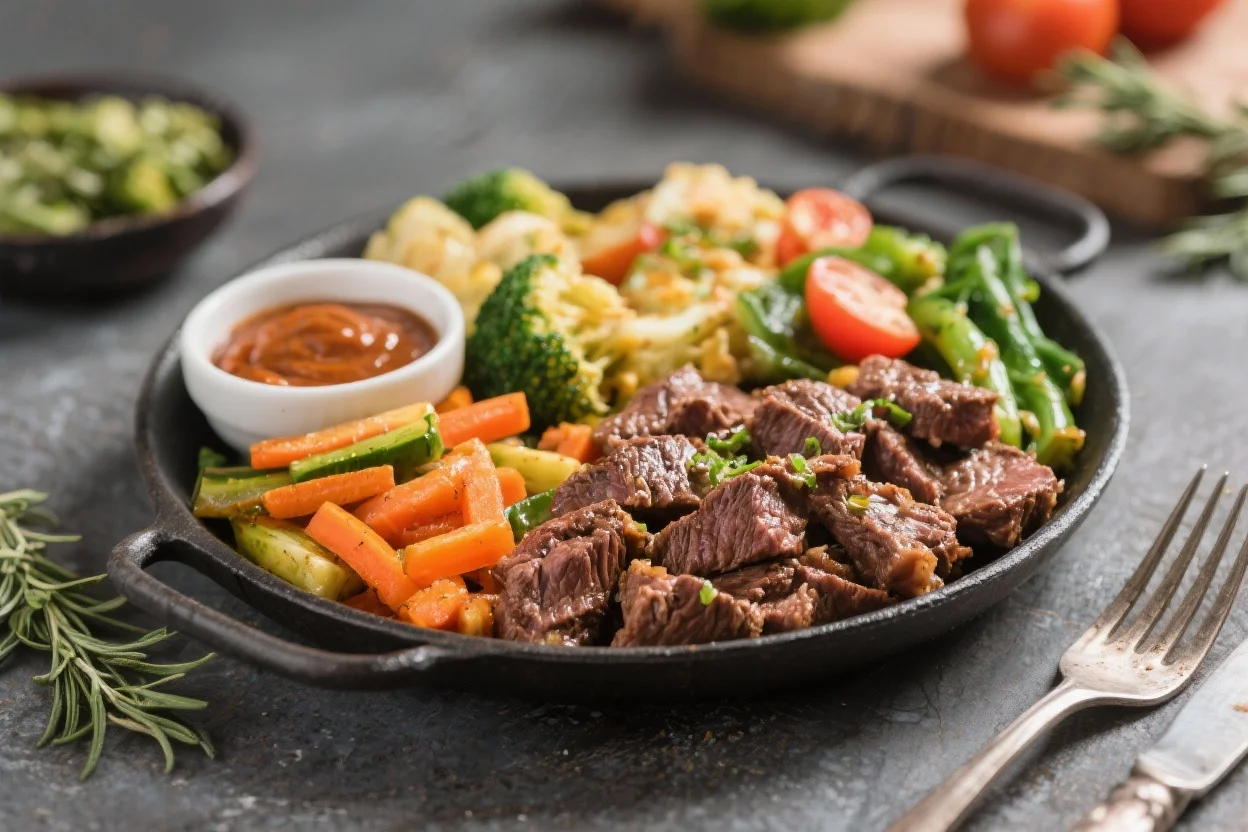
DIY Beef and Veggie Dog Meal – A Simple, Nutritious Home-Cooked Recipe
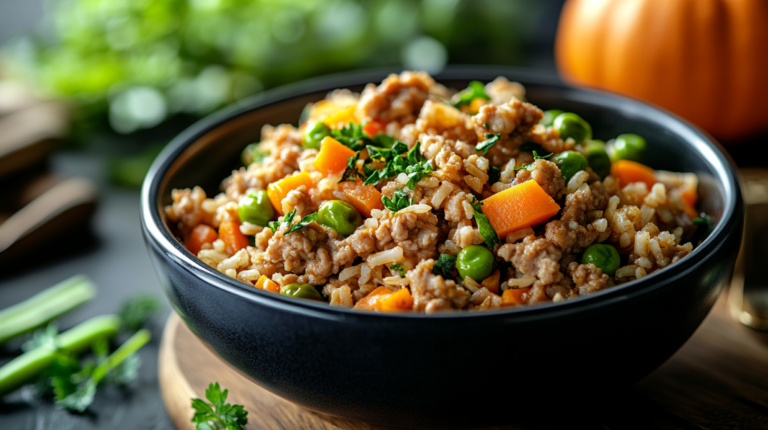
Homemade dog food can be straightforward when you stick with simple ingredients and an organized preparation method. This DIY Beef and Veggie Dog Meal combines lean ground beef, vegetables, pumpkin, and a cooked carbohydrate for a hearty homemade option.
It can be useful for pet parents who want to prepare food at home, but dogs have different nutritional requirements based on their age, size, health, and activity level. If you plan to feed homemade food regularly, work with your veterinarian or a veterinary nutrition professional to make sure the overall diet is nutritionally complete.
Disclosure: As Amazon Associates, we earn from qualifying purchases at no extra cost to you.
What Makes This Special
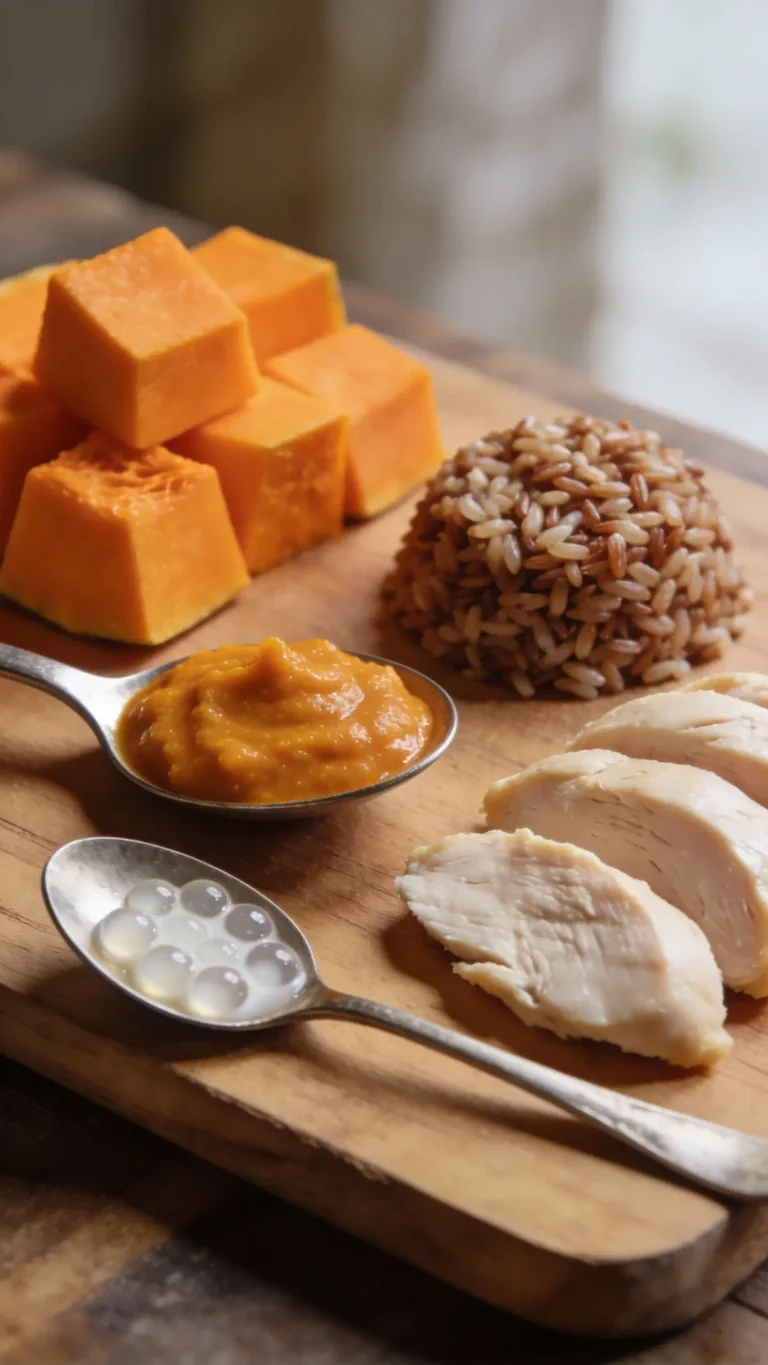
This recipe brings together lean beef, cooked vegetables, pumpkin, and a carbohydrate source to create a filling homemade meal. The ingredients provide protein, fiber, carbohydrates, and dietary fats without relying on heavy seasonings.
One of the advantages of preparing the food yourself is that individual ingredients can be adjusted according to what your dog tolerates. However, substitutions can change the nutritional balance, so regular homemade feeding should be planned carefully rather than relying on ingredients alone.
Shopping List
- Lean ground beef (90–95% lean), 2 pounds
- Brown rice, 2 cups uncooked, or rolled oats as an alternative
- Carrots, 2 large, finely diced
- Green beans, 2 cups, chopped, fresh or frozen
- Peas, 1 cup, optional
- Pumpkin puree (plain and unsweetened), 1 cup
- Spinach, 2 cups, chopped
- Olive oil or salmon oil, 1–2 tablespoons
- Eggs, 2 large, optional
- Calcium source, such as a veterinary-approved supplement, used according to appropriate directions
- Canine multivitamin/mineral supplement, when recommended for the complete diet
- Water or low-sodium broth, as needed; if using broth, make sure it contains no onion or garlic
Instructions
- Cook the rice. Prepare the brown rice according to the package directions using water or an appropriate low-sodium broth. Once cooked, set it aside to cool slightly.
- Brown the beef. Add the lean ground beef to a large skillet or pot over medium heat. Break it apart while cooking and continue until the meat is thoroughly cooked. Drain excess grease if needed.
- Add the firm veggies. Stir the carrots and green beans into the cooked beef. Add a small amount of water or broth, cover, and cook for several minutes until the vegetables become tender.
- Stir in peas and spinach. Add the peas and chopped spinach. Continue cooking for another few minutes, stirring occasionally, until the spinach has wilted and the vegetables are tender.
- Mix in pumpkin. Take the mixture off the heat and stir in the plain pumpkin puree. It adds moisture and fiber while helping bring the ingredients together.
- Optional eggs. If you’re using eggs, add them to the hot mixture and stir thoroughly until they are completely cooked. Avoid leaving any raw egg behind.
- Combine with rice. Add the cooked rice and mix everything thoroughly so the beef, vegetables, pumpkin, and rice are evenly distributed.
- Add healthy fats. If your dog’s diet calls for additional fat, mix in the recommended amount of olive or salmon oil. Remember that oils add calories quickly.
- Cool completely. Allow the prepared food to cool before dividing it into meal-sized portions. Do not serve it while it is hot.
- Add supplements just before serving. If a calcium supplement or canine vitamin/mineral product is part of your dog’s feeding plan, use it according to the product instructions or your veterinarian’s recommendations.Avoid adding extra supplements simply because they seem beneficial, as excessive amounts of certain nutrients can also be harmful.
How to Store
- Refrigerator: Place cooled portions in airtight containers and refrigerate for up to 4 days.
- Freezer: Divide the meal into individual portions and freeze for approximately 2–3 months for convenient longer-term storage.
- Thawing: Move frozen portions to the refrigerator and allow them to thaw gradually before serving.
- Serving temperature: Serve at room temperature or slightly warmed. Always check the temperature before giving it to your dog.Food should never be hot enough to burn your dog’s mouth.
Benefits of This Recipe
- High-quality protein: Lean beef provides protein and amino acids that help maintain muscles and other body tissues.
- Digestive support: Pumpkin, carrots, and green beans contribute dietary fiber that can support normal digestive function.
- Balanced carbs: Rice provides carbohydrates that can serve as an energy source.
- Micronutrients: Vegetables such as spinach and peas contribute a variety of vitamins, minerals, and plant compounds.
- Healthy fats: Olive or salmon oil can provide additional dietary fat when appropriate for your dog’s overall diet.
- Hydration boost: Pumpkin and vegetables contain water, while the moisture used during preparation can contribute to a softer meal.
Pitfalls to Watch Out For
- Skipping calcium: Meat-and-vegetable recipes can be deficient in calcium if they are not properly formulated. A calcium source may be necessary for long-term homemade diets.
- Seasoning mistakes: Never add onion, garlic, chives, leeks, excessive salt, or heavily seasoned ingredients. Some common cooking ingredients can be unsafe for dogs.
- Too much fat: Choose lean meat and avoid adding excessive grease or oil. High-fat meals may cause digestive problems and can be particularly inappropriate for dogs prone to pancreatitis.
- Portion creep: Homemade food can contain more calories than expected. Measure portions rather than estimating them.
- Rushing transitions: When introducing a new diet, make the change gradually over several days unless your veterinarian recommends otherwise. A sudden dietary change can cause digestive upset.
Alternatives
- Protein swaps: Ground turkey or chicken can replace beef if your dog tolerates those proteins. Other proteins may also be appropriate depending on your dog’s dietary requirements.
- Carb options: Cooked sweet potato, quinoa, or oats can be used in place of rice, provided they fit into the overall diet.
- Veggie swaps: Zucchini, cooked broccoli, or butternut squash can provide variety. Chop vegetables into manageable pieces and cook them until appropriately soft.
- Low-allergen version: If your dog has known food sensitivities, keep the ingredient list simple and only use foods your veterinarian has determined are appropriate.
- Broth booster: A small amount of plain, low-sodium broth can add moisture and flavor. Check the label carefully to ensure it contains no onion, garlic, or other unsuitable ingredients.
FAQ
How much should I feed my dog?
There isn’t a universal portion size for homemade dog food. Your dog’s calorie requirements depend on body weight, age, activity, health, and other factors.
Rather than using a fixed percentage of body weight as a rule for every dog, have your veterinarian determine an appropriate daily calorie and food amount. This is particularly important when homemade food replaces a commercial complete diet.
Can I use white rice instead of brown rice?
Yes. White rice can be substituted for brown rice and is often easier for dogs to digest because it contains less fiber. It also cooks more quickly.
The important consideration is the nutritional balance of the entire recipe rather than choosing one type of rice solely for its individual nutrient content.
Is this complete and balanced for long-term feeding?
Not automatically. A homemade recipe containing meat, vegetables, and rice does not necessarily provide every nutrient a dog needs in the correct proportions.
For long-term feeding, the recipe should be properly formulated and may require specific calcium, vitamin, and mineral supplementation. A veterinarian or board-certified veterinary nutritionist can help evaluate the complete diet.
Can I add salt or herbs?
It is best to avoid adding salt and never use onion, garlic, chives, or leeks in your dog’s food. If you want to add an herb, make sure it is known to be safe for dogs and use only a small amount.
What if my dog has a sensitive stomach?
Introduce the meal slowly and begin with a small amount. You may also want to keep the ingredient list simpler and use foods your dog has previously tolerated.
If your dog develops persistent vomiting, diarrhea, loss of appetite, or other concerning symptoms, stop introducing new foods and contact your veterinarian.
Can I cook this in an Instant Pot?
Yes, the recipe can be adapted for pressure cooking. Brown the beef using the sauté function, then add the rice, suitable vegetables, and the required cooking liquid.
Cooking times vary depending on the ingredients and appliance, so follow your Instant Pot’s instructions for the specific ingredients you’re using. Pumpkin and oils can be stirred in after cooking if preferred.
How long will it last in the fridge?
When promptly refrigerated in airtight containers, the prepared food can generally be kept for several days. Use the 4-day guideline for refrigerated leftovers, and freeze portions you won’t use within that period.
Is ground beef safe for all dogs?
Many dogs can eat properly cooked beef, but it isn’t appropriate for every dog. Some dogs may have a beef allergy or intolerance, while others may need a lower-fat diet because of a medical condition.
Use lean, thoroughly cooked beef and choose another protein if beef isn’t appropriate for your dog.
In Conclusion
This DIY Beef and Veggie Dog Meal offers a practical way to prepare homemade food using ground beef, vegetables, pumpkin, and a cooked carbohydrate. It can be portioned ahead of time and adjusted with suitable ingredients based on your dog’s individual needs.
For occasional meals or toppers, it can add variety to your dog’s bowl. If you intend to use homemade food as your dog’s primary diet, make sure the complete recipe is properly balanced with appropriate nutrients and supplements under veterinary guidance.