Ground Beef and Green Bean Homemade Dog Food – Simple, Nourishing, and Budget-Friendly
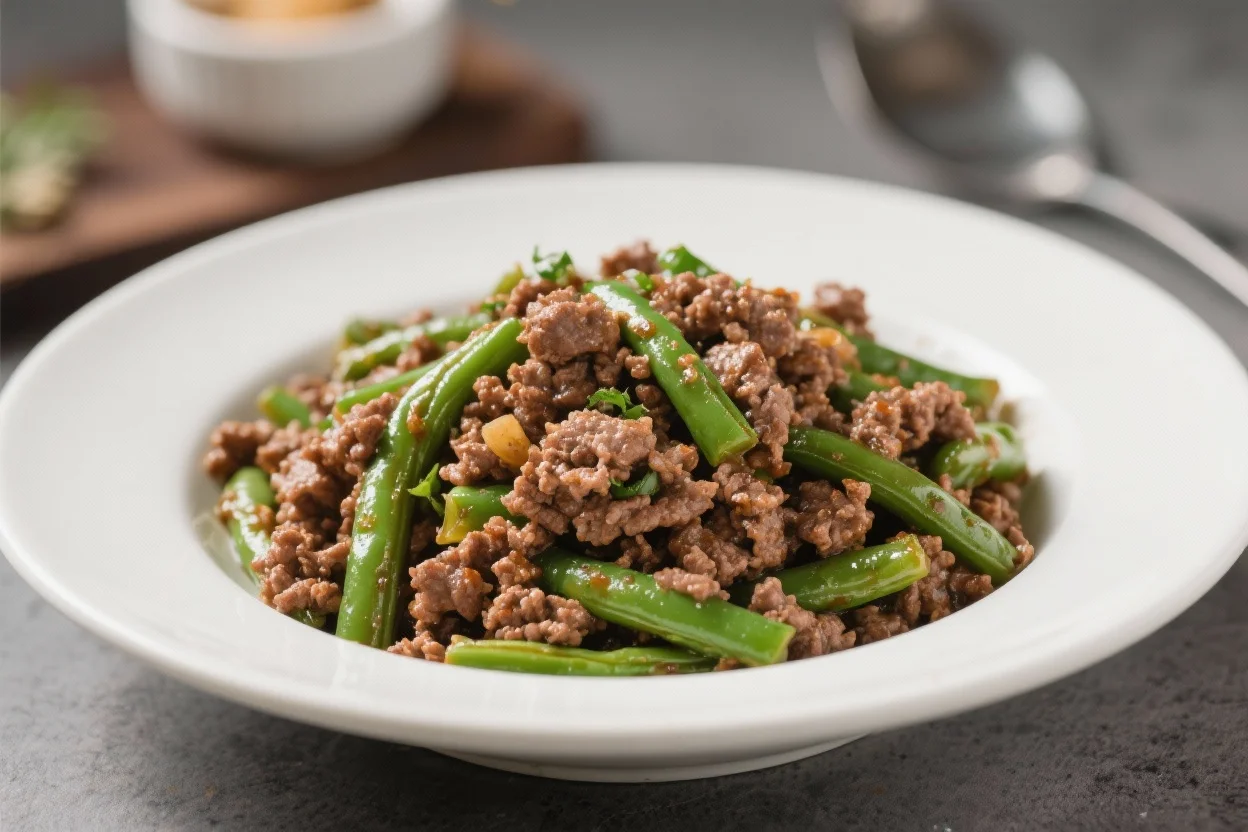
If your dog enjoys the smell of freshly cooked beef, this homemade recipe can be a simple way to add variety to their meals. Ground Beef and Green Bean Homemade Dog Food combines lean beef with vegetables and cooked grains for a filling dish that is easy to prepare in batches.
The recipe uses familiar ingredients and can be adjusted for texture and individual dietary needs. If you’re introducing homemade food for the first time, make the change gradually and speak with your veterinarian before making it your dog’s primary diet.
Disclosure: As Amazon Associates, we earn from qualifying purchases at no extra cost to you.
Why This Recipe Works
This homemade combination brings together protein, carbohydrates, vegetables, and dietary fat in one easy-to-prepare meal. Ground beef provides protein and essential amino acids, while green beans and carrots contribute fiber and a variety of vitamins and minerals.
Rice and oats provide carbohydrates, and their soft texture can make the finished food easier for many dogs to eat. The recipe can also be modified by changing the protein, vegetables, or carbohydrate source according to your dog’s individual needs.
For regular or exclusive feeding, however, simply combining healthy ingredients isn’t enough to guarantee nutritional completeness. A homemade diet should be properly formulated and supplemented when necessary with guidance from a veterinarian or veterinary nutrition professional.
What You’ll Need
- Lean ground beef: Choose approximately 90–93% lean beef to help keep unnecessary fat lower.
- Green beans: Fresh or frozen green beans work well when chopped into small, manageable pieces.
- Carrots: Dice or grate the carrots so they become tender and easy to mix into the finished meal.
- Brown rice: Cooked brown rice provides carbohydrates; white rice can be substituted when a gentler option is preferred.
- Old-fashioned oats: Cooked oats provide another carbohydrate source and create a soft texture.
- Pumpkin puree (plain, unsweetened): Optional and useful for adding moisture and dietary fiber.
- Olive oil or salmon oil: Provides additional dietary fat when appropriate for your dog’s overall diet.
- Eggs: Fully cooked eggs can be included as an optional source of protein and other nutrients.
- Calcium source: Use a properly formulated calcium supplement or another veterinarian-approved source rather than guessing at supplementation.
- Water or low-sodium broth: Used for cooking and adjusting the consistency. Any broth should be free from onion and garlic.
- Optional canine multivitamin: A supplement may be needed for a homemade diet, but the appropriate product depends on the complete recipe and your dog’s nutritional requirements.
Instructions
- Cook the grains. Prepare the brown rice according to its package instructions, using enough water to produce a soft texture. Separately, cook the oats in water until they are tender. Set both aside while you prepare the remaining ingredients.
- Brown the beef. Add the lean ground beef to a large skillet or pot over medium heat. Break the meat into small pieces as it cooks and continue until it is completely cooked. Drain excess fat if necessary.
- Add the veggies. Add the chopped green beans and carrots to the beef. Pour in approximately ½–1 cup of water or suitable low-sodium broth. Cover and cook for about 8–10 minutes, or until the vegetables are tender.
- Combine with grains. Add the cooked rice and oats to the beef and vegetable mixture. If you’re using pumpkin, stir in the plain pumpkin puree and mix until the ingredients are evenly distributed.
- Cook the eggs (optional). If adding eggs, cook them separately until fully set. Break them into small pieces and mix them into the prepared food.
- Add healthy fats and calcium. Once the mixture has been removed from the heat, add the appropriate amount of oil if it fits your dog’s diet. Calcium should be added according to the instructions for the specific supplement being used or your veterinarian’s recommendation. Allow the food to cool before serving.
- Portion and serve. Divide the cooled food into appropriate portions. Serve at room temperature or slightly warmed, never hot.Store unused portions using the storage guidelines below.
How to Store
- Refrigerate: Keep the prepared food in airtight containers for up to 4 days. Dividing it into meal-sized portions makes serving easier.
- Freeze: Place individual portions in freezer-safe containers or silicone trays and freeze for approximately 2–3 months for best quality.
- Thawing: Transfer frozen portions to the refrigerator and allow them to thaw overnight. Warm gently if desired, checking the temperature before serving.
- Smell check: Discard any food that develops an unusual sour odor, slimy texture, mold, or other obvious signs of spoilage.
Health Benefits
- High-quality protein: Lean beef supplies protein and amino acids that contribute to muscle maintenance and normal body functions.
- Fiber and micronutrients: Green beans and carrots provide dietary fiber along with nutrients such as beta-carotene and several vitamins and minerals.
- Gut-friendly carbs: Properly cooked rice and oats provide carbohydrates and a soft texture that many dogs tolerate well.
- Healthy fats: Salmon oil can provide omega-3 fatty acids, while olive oil contributes dietary fat. Added oils should be used in moderation.
- Custom control: Preparing the food yourself allows you to adjust ingredients and texture based on your dog’s tolerance and your veterinarian’s recommendations.
What Not to Do
- Don’t skip calcium. A meat-heavy homemade diet can provide too much phosphorus relative to calcium. If this recipe is being used regularly, its calcium content should be properly addressed.
- Don’t add onions, garlic, chives, or leeks. These ingredients can be harmful to dogs and should not be included.
- Don’t overuse salt, seasoning, or sauces. Dogs don’t need heavily seasoned food, and many prepared sauces contain ingredients that aren’t appropriate for them.
- Don’t feed raw or undercooked beef or eggs in this recipe. Thorough cooking reduces the risk of foodborne pathogens.
- Don’t switch diets abruptly. Introduce a new food gradually to reduce the chance of digestive upset.
- Don’t rely on guesswork for long-term feeding. A homemade diet intended to replace commercial food should be formulated to meet your dog’s nutritional requirements.
Variations You Can Try
- Low-fat version: Choose very lean ground beef or replace some of the beef with lean ground turkey. You can also increase the amount of suitable vegetables without adding extra oil.
- Grain-free version: Rice and oats can be replaced with another appropriate carbohydrate or vegetable source, but don’t assume that removing grains automatically makes the recipe nutritionally complete.
- Sensitive stomach version: Use a simpler combination such as lean beef, well-cooked white rice, and a vegetable your dog already tolerates. Introduce additional ingredients individually.
- Joint support: If your veterinarian recommends an omega-3 supplement or another joint-support product, use the appropriate product and dosage rather than adding supplements indiscriminately.
- Picky eater boost: A small amount of plain, dog-safe broth can add moisture and aroma. Make sure it contains no onion, garlic, excessive salt, or other unsuitable ingredients.
FAQ
How much should I feed my dog?
The appropriate amount depends on your dog’s weight, age, activity level, body condition, health, and the calorie density of the finished recipe.
Rather than using a fixed percentage of body weight as a universal rule, have your veterinarian help determine your dog’s daily calorie needs and appropriate portion size.
Do I really need to add calcium?
If this recipe is being used as a substantial part of a homemade diet, calcium needs to be properly accounted for because meat alone does not provide the appropriate calcium-to-phosphorus balance.
The correct supplement and amount depend on the complete recipe. Follow the instructions for a properly formulated supplement or ask your veterinarian rather than relying on a generic measurement.
Can I use canned green beans?
Yes. Choose plain green beans without added sauces or excessive sodium. Drain and rinse canned varieties before using them. Fresh or frozen green beans are also suitable when properly prepared.
Is this safe for puppies?
Puppies have specific nutritional requirements because they are still growing. A homemade recipe should not automatically be assumed to meet those requirements.
It may be possible to use a properly formulated homemade diet for a puppy, but exclusive feeding should be planned with your veterinarian or a veterinary nutrition professional.
Can I batch cook and freeze?
Yes. This recipe is suitable for preparing in larger quantities. Divide the cooled food into individual meal portions, label the containers with the preparation date, and freeze what you won’t use within the refrigerated storage period.
What if my dog has allergies?
If your dog has a diagnosed food allergy, avoid the identified trigger rather than simply changing ingredients at random. Beef can cause reactions in some dogs, so another protein may be appropriate if recommended by your veterinarian.
Introduce replacement ingredients carefully and monitor your dog for digestive or skin-related reactions.
How do I transition from kibble?
Introduce the homemade food gradually over approximately a week. You can begin with a small amount mixed into your dog’s usual food and slowly increase the new food while reducing the old food.
If your dog develops significant digestive problems during the transition, contact your veterinarian.
Can I add supplements?
Supplements can be useful when they address a specific nutritional requirement, but more isn’t necessarily better. The correct products and amounts depend on the complete recipe.
If your dog takes medication or has a medical condition, discuss supplements with your veterinarian before adding them.
Will my dog get enough nutrients from this?
The ingredients provide several important nutrients, but you cannot assume that a homemade mixture is nutritionally complete simply because it contains meat, vegetables, and grains.
For long-term exclusive feeding, have the entire recipe evaluated and appropriately supplemented based on your dog’s age, size, health, and nutritional requirements.
In Conclusion
Ground Beef and Green Bean Homemade Dog Food combines lean beef, vegetables, and cooked grains into a practical homemade meal that can be prepared in batches.
It offers flexibility for pet parents who want greater control over the ingredients in their dog’s bowl. For occasional use or as a topper, it can add variety; for long-term feeding, make sure the complete recipe is properly balanced rather than relying on individual ingredients alone.
If homemade food will become a regular part of your dog’s diet, your veterinarian can help determine the appropriate portions, ingredients, and supplements for your individual dog.