
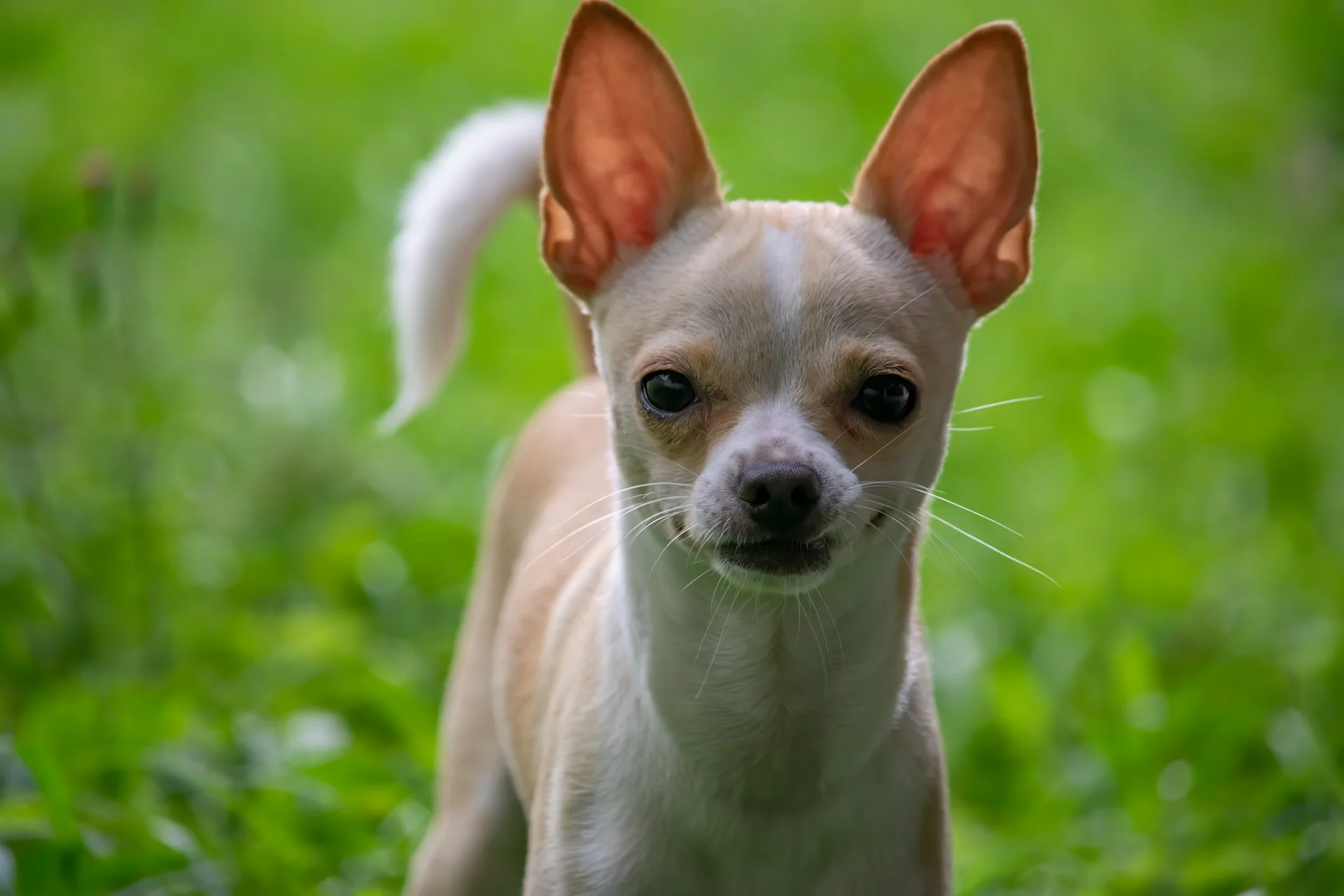
Chihuahua Care Tips for Small Dogs With Big Attitudes
Chihuahuas may be tiny, but they have plenty of personality packed into a very small body. They can be affectionate, alert, energetic, and surprisingly confident for their size.
If you’re bringing a Chihuahua home, understanding their specific needs can make everyday life much easier. From feeding and training to exercise, grooming, and safety, a little preparation goes a long way.
Disclosure: As Amazon Associates, we earn from qualifying purchases at no extra cost to you.
1. Feeding: Less Is More
Because Chihuahuas are so small, portion control is especially important. Even a small amount of extra food can add up quickly and contribute to unhealthy weight gain.
Feeding tips that actually work:
- Measure meals rather than feeding by guesswork.
- Follow the feeding guidance for your dog’s age, size, and activity level.
- Divide daily food into multiple meals when appropriate, particularly for young puppies.
- Choose a nutritionally complete food formulated for small or toy breeds.
- Keep treats and table food limited.
Pro tip: Don’t judge a portion by how small it looks in the bowl. What seems like a tiny extra snack to you can represent a significant number of calories for a Chihuahua.
2. Training: Don’t Let the Sass Win

A small dog still needs clear rules and consistent training. Because Chihuahuas are intelligent and alert, teaching good habits early can prevent unwanted behaviors from becoming part of their daily routine.
Training rules to live by:
- Begin with simple cues such as sit, come, stay, and leave it.
- Reward behaviors you want to see repeated.
- Keep training sessions short and positive.
- Use the same commands and expectations throughout the household.
- Don’t overlook unwanted behavior simply because your dog is small.
Avoid using fear or harsh punishment. Chihuahua training generally works best when your dog understands what behavior earns a reward and receives plenty of repetition.
3. Socialization: Stop the “Stranger Danger”
Some Chihuahuas can be cautious around unfamiliar people, dogs, or new environments. Early, positive socialization can help your puppy become more comfortable with everyday experiences.
Expose them gradually to:
- Calm, friendly dogs of different sizes
- Different people and visitors
- Household sounds and everyday noises
- Car rides and new environments
- Different surfaces and surroundings
The goal isn’t to force your Chihuahua to interact with everything. Instead, give them controlled experiences and allow them to build confidence at a comfortable pace.
4. Grooming: Easy… With One Catch

Chihuahuas are relatively easy to maintain compared with many breeds, but their grooming needs shouldn’t be ignored. Both smooth-coated and long-coated Chihuahuas benefit from regular care.
Basic grooming routine:
- Brush regularly to remove loose hair and keep the coat tidy.
- Bathe when necessary using a dog-safe shampoo.
- Check and trim the nails before they become too long.
- Check the ears regularly for dirt, excessive wax, or irritation.
- Pay particular attention to dental care.
Chihuahuas can be prone to dental problems because of their small mouths and crowded teeth. Regular brushing with dog-safe toothpaste and routine veterinary dental checks can help support good oral health.
Chihuahuas can also be sensitive to cold weather, so a properly fitted sweater or coat may be useful during chilly walks.
5. Exercise: Zoomies Count
Don’t let their size convince you that Chihuahuas don’t need exercise. They may not require the same amount of physical activity as a large working breed, but regular movement and play are still important.
Good exercise options:
- Short daily walks
- Indoor games such as fetch
- Supervised play
- Simple training sessions
- Puzzle toys and food-based enrichment
A combination of physical activity and mental stimulation can help prevent boredom. Just remember that a Chihuahua’s tiny legs and body don’t need to be pushed through excessive exercise.
6. Health: Small Dog, Big Concerns
Chihuahuas can live long lives, but like every breed, they have certain health concerns that owners should understand.
Common Chihuahua health issues include:
- Dental disease: Small mouths can make dental crowding and plaque accumulation a concern.
- Luxating patella: The kneecap can move out of its normal position in affected dogs.
- Hypoglycemia: Very young or particularly small puppies can be vulnerable to dangerously low blood sugar.
- Tracheal problems: Some dogs develop coughing or breathing issues associated with the trachea.
Regular veterinary examinations can help identify problems early.
Pro tip: Try to reduce unnecessary jumping from high furniture. Pet steps, ramps, and supervised access can help reduce the risk of falls and injuries.
7. Separation Anxiety: The Drama Is Real
Many Chihuahuas form strong attachments to their owners. Some may struggle when they’re suddenly left alone for long periods, particularly if they haven’t learned that being alone can be safe and predictable.
How to handle it:
- Practice short periods of separation and gradually increase them.
- Give your dog an appropriate chew, toy, or food puzzle before you leave.
- Keep departures and arrivals calm.
- Maintain a predictable daily routine when possible.
- Watch for signs of genuine distress rather than assuming barking is simply bad behavior.
If your Chihuahua becomes extremely distressed whenever you’re away, consider working with a qualified trainer or veterinary behavior professional.
8. Safety: They’re Tiny, Remember?
A Chihuahua may confidently approach situations that their small body isn’t equipped to handle. Falls, rough play, accidental injuries, and interactions with much larger dogs can all create unnecessary risks.
Safety hacks:
- Use a properly fitted harness for walks.
- Supervise interactions with larger dogs.
- Teach children how to handle and interact with a small dog respectfully.
- Block access to unsafe heights and areas where your dog could fall.
- Be careful when picking up or carrying your Chihuahua.
- Check fences, gates, and doors carefully because small dogs can find surprisingly tiny escape routes.
Small dogs can be especially vulnerable to accidental injuries, so prevention is an important part of Chihuahua care.
9. Spoiler Alert: They’re Addictive
Living with a Chihuahua can be a lot of fun. They often form close bonds with their owners and can bring plenty of personality into everyday life.
Their size makes them convenient for many households, while their alert and affectionate nature can make them entertaining companions. At the same time, responsible ownership means accepting their needs rather than treating them like a low-maintenance accessory.
Give them structure, attention, training, and appropriate care, and you can build a strong relationship with your little companion.
Final Thoughts
Chihuahuas may be small, but they still need thoughtful care, consistent training, regular exercise, and proper socialization. Their size also means owners need to pay particular attention to nutrition, dental care, safety, and handling.
Quick recap for new owners:
- Measure food and keep portions appropriate.
- Start training and socialization early.
- Establish a regular grooming and dental-care routine.
- Provide daily exercise and mental enrichment.
- Learn about health concerns common in the breed.
- Protect your Chihuahua from falls, rough play, and other avoidable injuries.
With the right routine and plenty of positive interaction, your Chihuahua can become a confident, well-mannered, and deeply bonded member of the family.