
Best Hands-Free Running Leashes (2026 Guide)
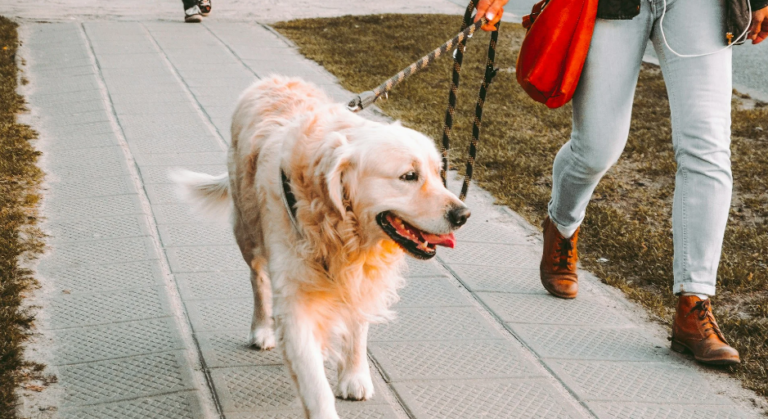
Running with your dog is one of the purest joys in life — until a handheld leash turns it into an arm-wrestling match. Every stride gets interrupted by tugs, tangles, and that awkward moment your dog darts left while you go right. A hands-free running leash fixes all of that by moving the connection point from your hand to your waist, where your core — not your shoulder — absorbs the pull.
Affiliate Disclosure: This post contains affiliate links. If you buy through these links, we may earn a commission at no extra cost to you.
The right waist leash doesn’t just free your hands; it transforms your running form. Your arms swing naturally, your posture stays upright, and sudden lunges get absorbed by a bungee instead of yanking your arm socket. Whether you’re training for a 10K with your trail buddy or just want more pleasant morning jogs, here are the leashes that actually deliver.
Want a Better-Trained, Happier Dog?
Get practical guidance for obedience, behavior, and everyday dog training with a collection of helpful training guides designed for dog owners.
This post may contain affiliate links. If you purchase through our link, we may earn a commission at no additional cost to you.
Why Run Hands-Free with Your Dog
A standard leash makes you run lopsided — one arm pinned to your side, shoulder absorbing every squirrel-induced jolt. Hands-free systems change the biomechanics entirely, and the benefits stack up fast.
- Natural running form: With both arms free to pump, you run the way you’re supposed to. Your pace, posture, and breathing all improve.
- Core absorbs the pull: Your hips and core are far stronger than your arm and shoulder. A waist belt distributes force where your body handles it best.
- Shock absorption: Quality bungee sections stretch to cushion sudden lunges, protecting both your back and your dog’s neck from jolts.
- Safety and multitasking: Free hands mean you can check your watch, grab water, signal to cyclists, or catch yourself if you trip.
- Better dog manners: Many dogs actually pull less on a waist leash because the feedback comes from your steady core rather than a reactive hand.
What to Look for When Buying
1. A real waist belt, not a loop. The best systems have a dedicated padded belt that fits your waist (or hips) securely. Leashes that just clip around your waist tend to ride up, twist, or dig in on long runs.
2. Shock-absorbing bungee. This is the single most important feature for runners. A bungee section stretches to absorb sudden pulls — without it, every lunge jerks your whole body. Look for sturdy elastic that returns to shape.
3. Adjustable fit for your body. Waist belts should adjust generously (most good ones span roughly 27″–48″). A belt that slips or bounces will ruin your run faster than anything else.
4. Traffic handle for close control. Even the best-trained dog needs reining in at road crossings, crowded trailheads, or passing other dogs. A short grab handle near the collar (or at the hip) is essential.
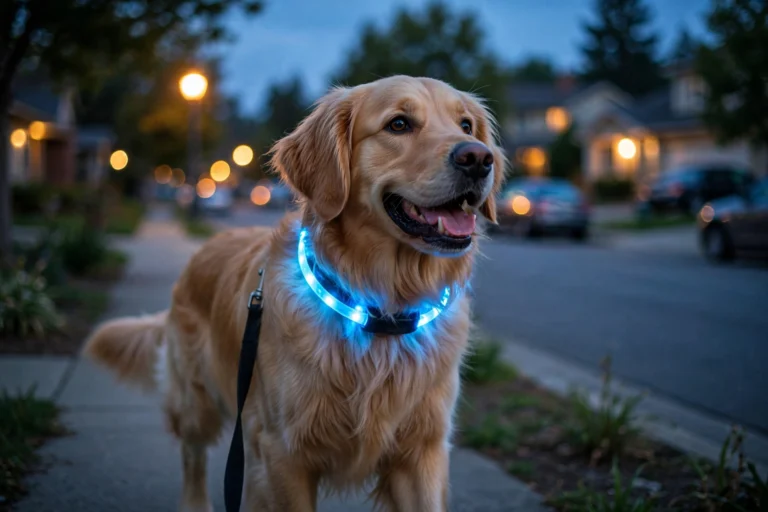
5. Reflective details. If you run at dawn, dusk, or night, reflective stitching on the belt and leash keeps you and your dog visible to drivers and cyclists.
6. Swivel to prevent tangles. A 360° rotating clip or a sliding belt attachment lets your dog switch sides without wrapping the leash around your legs mid-stride.
Our Top Picks
1. Ruffwear Trail Runner Belt — Best Overall System

Ruffwear built the Trail Runner for serious runners: a bounce-free padded hip belt with two zippered pockets (one fits a soft flask), reflective trim, and an intuitive side-release buckle that works with most handled leashes. It’s the most thoughtfully designed belt in the game, distributing load so well you forget you’re tethered.
Why we like it: Bounce-free padded design, useful pockets, reflective trim, works with your existing leash.
Keep in mind: It’s a belt only — you’ll pair it with your own leash rather than getting an all-in-one system.
2. Tuff Mutt Hands Free Dog Leash — Best Bungee Leash

Tuff Mutt’s waist leash is a runner favorite for good reason: the bungee stretches from 4 to 5 feet to absorb lunges, the belt clip glides so your dog can switch sides without tangling your legs, and dual handles (hip + collar) give you control without breaking stride. Reflective threading runs the full length for low-light visibility.
Why we like it: Excellent shock absorption, tangle-free sliding clip, dual control handles, great for medium and large dogs.
Keep in mind: The belt is minimalist — don’t expect storage pockets for your phone and keys.
3. Mighty Paw Hands Free Dog Leash — Best for Strong Pullers

If your dog treats every run like a sled race, Mighty Paw’s system is built for you. The weather-resistant nylon bungee and padded neoprene waist belt handle dogs up to 150 lbs, and the clever double-clip setup (rotating D-ring plus security D-ring at the buckle) creates an ultra-secure hold for serious pullers. Reflective threading throughout keeps you visible.
Why we like it: Handles the strongest dogs, secure double-clip design, padded belt, reflective throughout.
Keep in mind: It’s a touch bulkier than minimalist running belts — built for strength over featherweight speed.
4. SparklyPets Double Bungee Waist Dog Leash — Best for Two Dogs

Running with two dogs on separate leashes is chaos; SparklyPets solves it with a dual-bungee waist system. The padded lumbar back brace distributes pulling force across your lower back instead of your waist, and the whole setup doubles as a fanny pack with phone, treat, waste-bag, and bottle pockets. Extensions adjust from 21 to 25 inches per dog.
Why we like it: Run two dogs tangle-free, lumbar back support, tons of storage, great for medium and large breeds.
Keep in mind: It’s overkill (and heavier) if you only run with one dog.
5. Heelay Hands Free Dog Leash — Most Versatile

The Heelay is the Swiss Army knife of hands-free leashes: wear it as a waist belt, sling it crossbody, or adjust it from a short traffic lead to a full 8.2-foot rope. The tear-resistant elastic fabric handles dogs up to 110 lbs, the 360° rotating clasps prevent tangles, and the foam “explosion-proof” handle near the collar gives you a comfortable emergency grip.
Why we like it: Waist, crossbody, or handheld; huge length range; comfortable grab handle; very affordable.
Keep in mind: The rope-style design is less padded than dedicated waist-belt systems for marathon distances.
6. iYoShop Hands Free Dog Leash — Best Budget Pick

You don’t need to spend a fortune to run hands-free. The iYoShop set includes a dual-shock-absorber bungee leash (51″–68″), an adjustable waist belt (27″–48″), two padded handles, a heavy-duty 2″ clip, and a removable zipper pouch for your phone and treats. It covers every essential at a fraction of the premium price.
Why we like it: Full feature set — dual bungees, two handles, storage pouch — at a budget price.
Keep in mind: Materials aren’t as premium as the top picks; expect to replace it sooner with very heavy use.
Quick Comparison
| Leash | Best For | Bungee | Belt Style | Standout Feature |
|---|---|---|---|---|
| Ruffwear Trail Runner Belt | Overall system | Pair with leash | Padded hip belt | Zippered pockets |
| Tuff Mutt | Bungee leash | Yes (4–5 ft) | Sliding clip belt | Tangle-free glide |
| Mighty Paw | Strong pullers | Yes | Padded neoprene | Double-clip security |
| SparklyPets | Two dogs | Dual bungees | Lumbar back brace | Fanny pack storage |
| Heelay | Versatility | Elastic rope | Waist or crossbody | 8.2 ft adjustable |
| iYoShop | Budget | Dual absorbers | Adjustable + pouch | Removable zipper pouch |
Frequently Asked Questions
Is it safe to run with my dog attached to my waist?
Yes, with the right gear and training. A proper waist belt with a bungee distributes force to your core, which is safer than a handheld leash yanking your shoulder. Start with walks, practice commands, and build up distance gradually.
What age can my dog start running with me?
Most vets recommend waiting until your dog’s growth plates close — around 12–18 months depending on breed (longer for large breeds). Running hard with a young puppy can damage developing joints. Check with your vet first.
How do I stop my dog from pulling me over?
A bungee leash absorbs lunges, but training matters more than gear. Practice “leave it” and loose-leash basics on walks first. The traffic handle on these leashes lets you reel your dog in close when distractions appear.
Can I use a hands-free leash for walking too, or just running?
Absolutely — most runners use theirs for everyday walks as well. The waist belt is convenient for coffee runs, hikes, and anywhere you want your hands free. Many of these picks double as excellent hiking leashes.
Final Thoughts
For most runners, the Ruffwear Trail Runner Belt paired with a decent leash is the gold standard — comfortable, bounce-free, and built to last. If you want an all-in-one bungee system, the Tuff Mutt is the crowd favorite for good reason. And if your dog pulls like a freight train, the Mighty Paw will keep you upright.
Whichever you choose, remember: the leash enables the run, but training makes it enjoyable. A few weeks of loose-leash practice will do more for your runs than any gear upgrade.