
7 Training Tips For Swiss Shepherd Owners
White Swiss Shepherds are truly remarkable dogs. They are intelligent, loyal, and full of energy, which makes them wonderful companions for families and individuals alike. But let’s be honest—they are not low-maintenance dogs. Owning one means committing to their mental and physical needs. These dogs thrive on structure, guidance, and plenty of attention. Without it, they can become bored, mischievous, or even destructive. Spending time with them, understanding their behavior, and actively engaging with them is essential. They’re not just pets; they’re active partners in your daily life, and when you give them the care they deserve, the bond you’ll form is incomparable.
1. Start Early, Stay Consistent
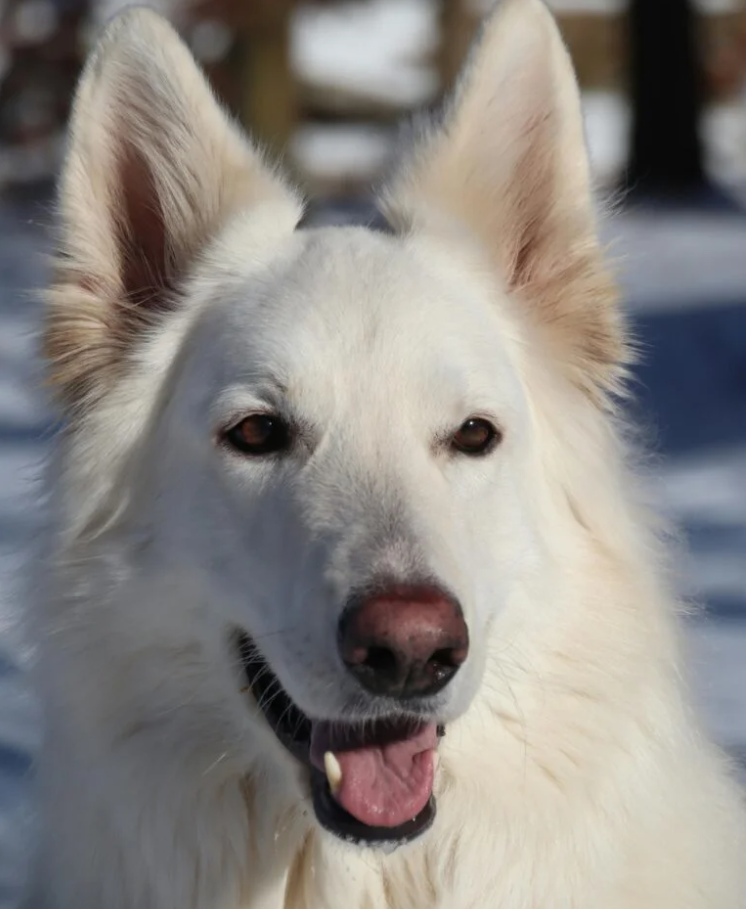
White Swiss Shepherds are incredibly quick learners. They pick up on habits—both good and bad—very fast. This is why starting training the moment they join your home is crucial. Puppies are especially receptive to learning, and the earlier you introduce rules and routines, the smoother everything will be. Consistency is the backbone of their training. If one day you allow jumping on the couch and the next day scold them for it, they will become confused and less responsive. Clear boundaries applied consistently make a world of difference. Over time, these early lessons will shape a well-behaved, confident dog who knows exactly what is expected of them.
2. Mental Stimulation > Physical Exercise

Yes, White Swiss Shepherds require a lot of physical exercise, but mental stimulation is equally, if not more, important. These dogs are natural working breeds, which means their brains need challenges just as much as their bodies need activity. Puzzle toys, obedience training, scent games, and problem-solving exercises keep their minds sharp and prevent boredom. If you don’t provide these outlets, they will create their own “fun,” which often results in digging, chewing, or rearranging anything they can find around the house. Engaging their minds with daily challenges ensures they remain happy, calm, and focused, and it can also make walks and playtime more rewarding for both of you.
3. Socialize, Socialize, Socialize
Socialization is one of the most important aspects of raising a well-rounded White Swiss Shepherd. These dogs have a natural protective instinct, which can turn into fear or aggression if not guided early. Introducing them to a variety of people, animals, and environments teaches them that the world is not a threat. Trips to the park, playdates with other dogs, and exposure to different sights and sounds help them become confident, friendly, and secure. Socialized dogs are a joy to take anywhere—they greet strangers politely, interact well with other pets, and adjust smoothly to new experiences.
4. Use Positive Reinforcement
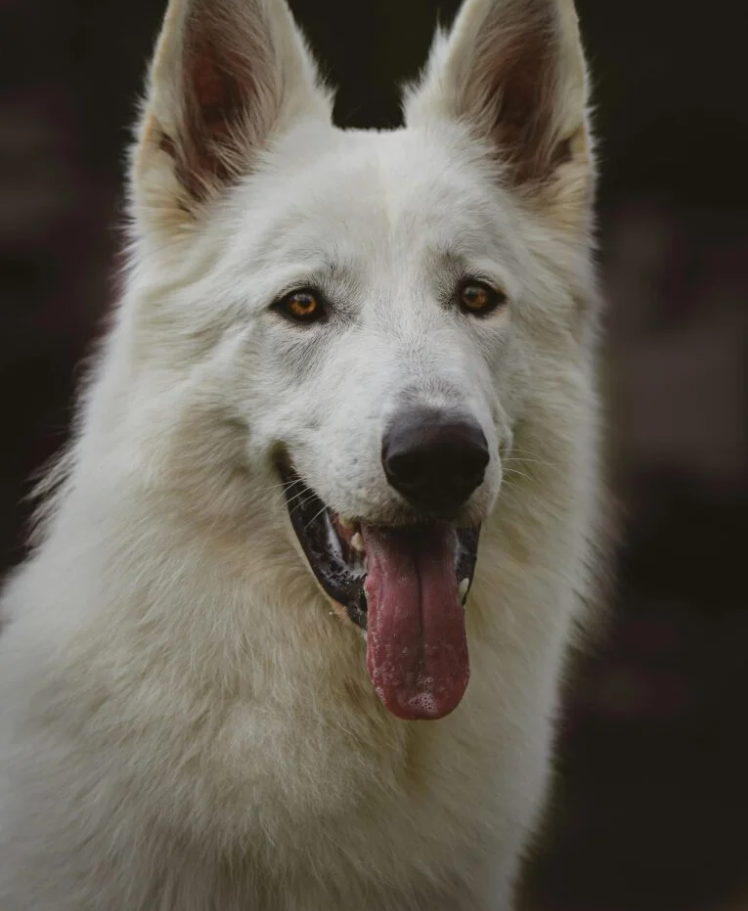
White Swiss Shepherds respond exceptionally well to positive reinforcement. Rewarding good behavior with praise, affection, or treats strengthens the bond between you and your dog and encourages them to repeat those behaviors. Harsh corrections or punishment can damage trust and make training much harder. These dogs are sensitive and thrive on encouragement and guidance rather than fear. Every command learned and every trick mastered becomes a moment to celebrate, and consistent positive reinforcement creates an atmosphere of trust, respect, and joy in your home.
5. Teach Them to Chill
These dogs are naturally high-energy, but they need to learn how to relax too. Teaching a “settle” or “calm” command is essential to help them understand when it’s time to rest. Using a calm voice and rewarding them when they lie down quietly teaches them that stillness is okay. This is particularly useful when you need to leave them alone or during quiet household time. A White Swiss Shepherd that knows how to chill is more manageable, less stressed, and happier overall. Learning to relax is as important as exercise or training, and it sets the stage for a well-balanced adult dog.
6. Be the Leader They Need
White Swiss Shepherds are smart and naturally curious, which sometimes means they test boundaries to see how much they can get away with. That’s why establishing yourself as a calm, confident leader is critical. Leadership is not about being harsh or aggressive—it’s about being consistent, setting clear rules, and showing confidence in your decisions. A dog that respects your leadership feels secure and is more willing to follow your guidance. With a clear hierarchy, they understand expectations and are less likely to challenge rules, making training and daily life smoother for everyone.
7. Keep Training Fun
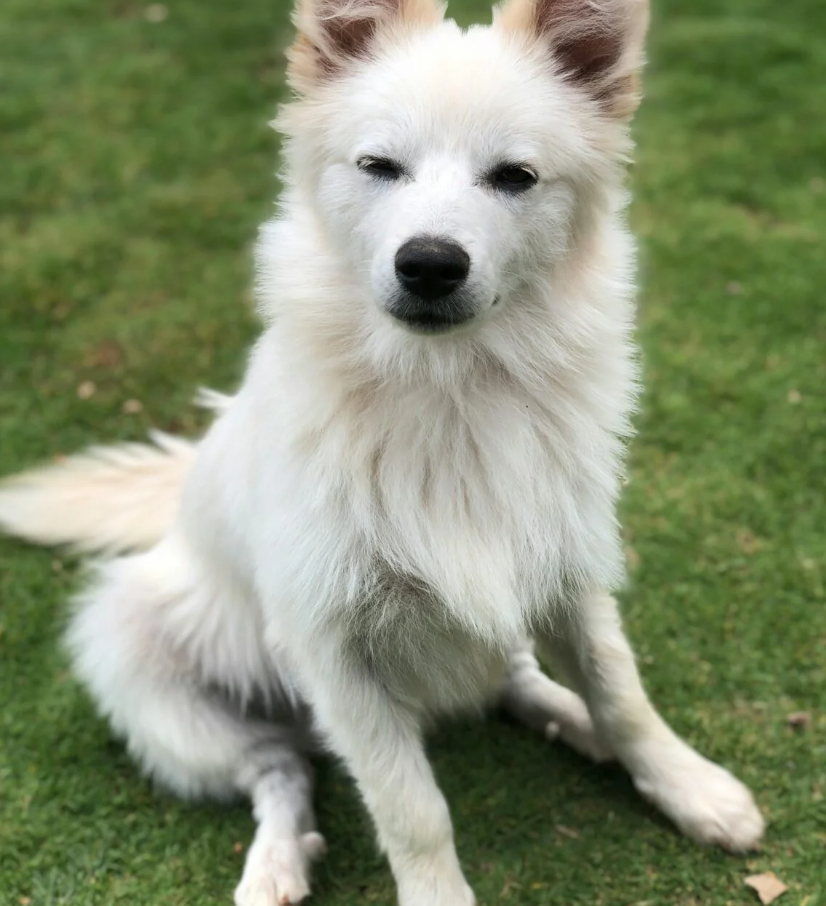
Training doesn’t have to be tedious—it should be an enjoyable experience for both you and your dog. Mixing up routines, introducing new tricks, and using games as teaching tools keeps your White Swiss Shepherd engaged and motivated. Changing locations for training sessions or turning commands into playful activities makes learning exciting and strengthens your bond. The more enjoyable training is, the more likely your dog will retain what they learn and look forward to these sessions. Making training a fun experience fosters enthusiasm, cooperation, and a deeper connection between you and your dog.
FAQs
Q: How long does it take to train a White Swiss Shepherd?
Training time varies depending on the dog and the consistency of your approach. Some dogs learn commands within weeks, while others may take months. The key is patience and persistence—regular, structured sessions produce the best results.
Q: Are White Swiss Shepherds good with kids?
Yes, they are excellent family dogs when properly socialized. Teaching children to interact respectfully and supervising all interactions ensures safety and a positive relationship between your dog and the kids.
Q: Can I train my White Swiss Shepherd to stop barking?
While barking is a natural trait of this breed, you can teach commands like “quiet” to manage excessive barking. Consistent training and rewarding calm behavior help your dog understand when barking is acceptable.
Final Thoughts of Training Tips For Swiss Shepherd Owners
Training a White Swiss Shepherd takes effort, dedication, and patience, but it is immensely rewarding. These dogs are loyal, intelligent, and full of character. By combining consistent training, socialization, mental stimulation, and plenty of love, you will raise a confident, obedient, and joyful companion. It’s not about being perfect—it’s about progress, connection, and understanding. Take each step at a time, enjoy the journey, and your White Swiss Shepherd will thrive as a happy and loyal member of your family.