

Here’s Why Your Dog Should Eat Bananas!
If you’ve ever found yourself peeling a banana and thinking, “I wonder if my dog can have some of this?”—you’re not alone. Bananas are naturally sweet, soft, and full of flavor, which makes them tempting to share. Dogs, just like us, can enjoy the occasional fruity snack, and bananas happen to be one of the safest options. Their texture and taste are usually irresistible to pups, making them a perfect treat for bonding time.
You’ll be glad to know that bananas are completely safe for dogs. They’re not just a harmless indulgence—they actually bring a lot of nutritional value to the table. From vitamins to minerals and fiber, bananas can be a wholesome treat that benefits your dog’s overall health, all while satisfying their sweet tooth in a natural way.
While it’s tempting to give your dog a whole banana, moderation is key. Understanding the benefits of bananas, learning the right way to serve them, and knowing the potential risks will ensure your dog enjoys this fruit safely and happily. Let’s explore everything you need to know about sharing bananas with your four-legged friend.
Why Bananas Are Good for Dogs

Bananas aren’t just tasty—they’re packed with nutrients that can genuinely improve your dog’s health. From essential minerals to vitamins and fiber, they offer a mix of benefits that can complement your dog’s regular diet.
1. Loaded with Potassium
One of the standout nutrients in bananas is potassium, and dogs need it just as much as we do. Potassium supports healthy muscle function, keeps the heart beating strongly, and helps maintain proper blood pressure. Whether your dog is running around in the yard, going for long walks, or just wagging that tail enthusiastically, potassium plays a key role in keeping their muscles and heart healthy.
2. High in Vitamins
Bananas are rich in vitamins, particularly vitamin C and vitamin B6. Vitamin C is an immune system booster, helping your dog fight off infections and stay vibrant. Vitamin B6, on the other hand, contributes to healthy brain function and supports the creation of red blood cells, keeping your pup alert, active, and full of energy.
3. A Good Source of Fiber
If your dog struggles with occasional digestive issues, bananas can be a gentle aid. Their natural fiber helps regulate bowel movements, which is useful if your dog experiences mild constipation or irregular digestion. It’s a natural way to keep their digestive system running smoothly without turning to heavy medications or supplements.
4. Low in Fat and Cholesterol
For dogs that need to watch their weight, bananas are a safe and satisfying snack. They’re naturally low in fat and cholesterol, meaning you can treat your dog without worrying about overloading them with unnecessary calories.
5. A Natural Energy Boost
Thanks to the natural sugars found in bananas, they provide a quick and gentle energy boost. This can be especially useful before walks, playtime, or other physical activity. It’s like giving your pup a little battery recharge in a healthy, tasty package.
How to Feed Bananas to Your Dog

Introducing any new food to your dog should be done thoughtfully. Bananas are no exception. Start slow, watch your dog’s reactions, and remember that they should only be a treat, not a main meal.
1. Start Small
When giving your dog a banana for the first time, slice off a tiny piece. Dogs can have sensitive stomachs, and jumping straight to a large portion might cause discomfort. Starting small helps you gauge their tolerance and prevents an upset tummy.
2. Peel It First
Always remove the peel before offering bananas to your dog. While banana peels aren’t toxic, they’re difficult to digest and could lead to blockages or stomach upset. The soft inner fruit is safe, tasty, and easy for your dog to enjoy.
3. Cut Into Small Pieces
Chopping the banana into bite-sized pieces is a smart precaution, especially for smaller dogs. Even larger dogs can choke on big chunks, so breaking it down makes snack time safer and more enjoyable.
4. Use Bananas as a Treat, Not a Meal
Bananas are a snack meant to supplement your dog’s diet, not replace it. Treats should generally make up no more than 10% of their daily caloric intake. This ensures your dog stays healthy while still enjoying the occasional banana treat.
Fun Ways to Serve Bananas to Your Dog

Bananas are delicious on their own, but you can get creative to make snack time even more fun and engaging for your pup.
1. Frozen Banana Bites
Slice a banana into small pieces and freeze them for a refreshing treat, especially during warm weather. Your dog will love the cool texture after outdoor playtime.
2. Banana and Peanut Butter Treats
Spread a thin layer of dog-safe peanut butter (xylitol-free) on banana slices for a sweet and savory combination. Most dogs go absolutely crazy for this mix.
3. Banana Popsicles
Blend bananas with plain, unsweetened yogurt, pour the mixture into ice cube trays or popsicle molds, and freeze. This makes a healthy and fun cooling snack for your dog.
4. Stuffed KONG Toy
Mash a banana and stuff it into a KONG toy. Freeze it to make a longer-lasting, mentally stimulating treat that keeps your dog entertained.
5. Banana Pancakes
Mix mashed banana with an egg and a little flour to create dog-friendly pancakes. These make a special breakfast or weekend treat for your pup.
Are There Any Risks to Feeding Bananas?
Although bananas are safe, there are a few things to consider to keep your dog healthy and comfortable.
1. Too Much Sugar
Bananas contain natural sugars, which are fine in moderation. Overfeeding, however, can lead to weight gain or increase the risk of diabetes, so always offer them in controlled portions.
2. Digestive Upset
Feeding too much fiber at once can cause the opposite of its intended effect, leading to diarrhea or constipation. Moderation is key.
3. Choking Hazard
Large chunks can be dangerous, particularly for smaller dogs. Cutting the banana into manageable pieces is the safest approach.
4. Allergic Reactions
While rare, some dogs may be allergic to bananas. Symptoms such as itching, swelling, or vomiting should prompt you to stop feeding bananas and consult your veterinarian.
Can Puppies Eat Bananas?
Yes, puppies can enjoy bananas too. Their soft texture is gentle on young stomachs, and a small amount can be a healthy snack. Introduce slowly, start with tiny portions, and monitor for any digestive reactions. Remember, puppies don’t need as many treats as adults, so keep it light and occasional.
When Should You Avoid Feeding Bananas?
Bananas aren’t suitable for every dog in all situations. Dogs with diabetes should have their banana intake reviewed with a vet because of natural sugars. Overweight dogs may need to limit treats to avoid extra calories. Dogs with kidney problems might be sensitive to the potassium in bananas, so it’s best to ask a vet first.
Bananas vs. Other Fruits: Are They the Best Option?
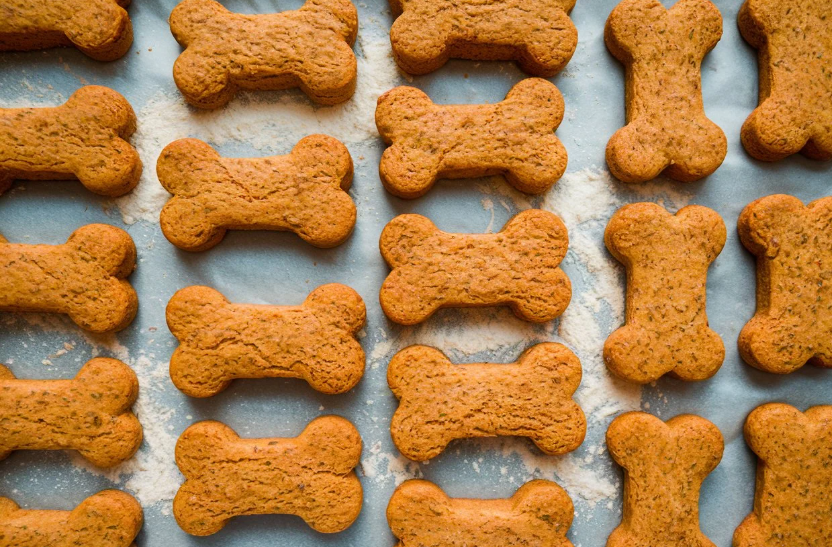
Bananas are excellent, but other fruits can also provide unique health benefits. Apples are low-calorie and good for teeth (just remove the seeds and core). Blueberries are small but packed with antioxidants, ideal for training treats. Watermelon is hydrating and refreshing—again, remove seeds and rind. Offering a variety of fruits can keep your dog interested while providing a broader range of nutrients.
Conclusion of Why Your Dog Should Eat Bananas
Bananas are nutritious, versatile, and usually loved by dogs. They offer potassium, vitamins, fiber, and a natural energy boost. Serving them safely—peeled, in moderation, and in small pieces—ensures your dog can enjoy this treat without any issues. From frozen bites to stuffed toys and even pancakes, bananas make snack time enjoyable and healthy. Go ahead, grab a banana, and watch your pup delight in every bite. 🍌🐾