
Why Your Dog is not Listening to You (And How to Fix It)
Have you ever called your dog, only to be met with a blank stare or complete ignore? It can be frustrating, confusing, and sometimes even a little embarrassing. The truth is, dogs aren’t ignoring you out of spite—they just might not understand what you want, or something else is getting in the way.
From unclear commands to timing issues, there are many reasons your furry friend isn’t following your instructions. Let’s explore the common causes and learn how you can improve communication, build better habits, and make training a more enjoyable experience for both of you.
1. You’re Not Being Clear (Like, At All)
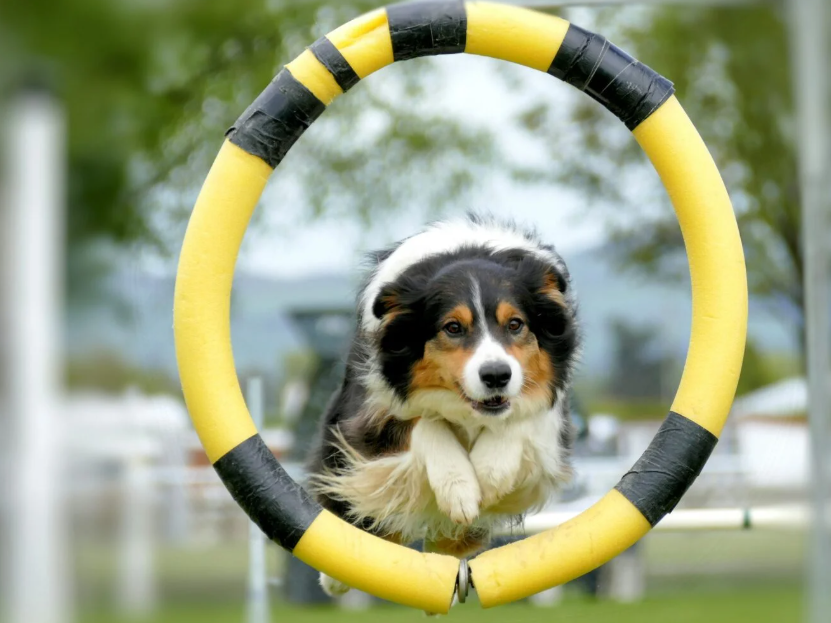
Have you ever noticed your dog just staring blankly at you when you call them? That’s usually because they have no idea what you want. Dogs aren’t mind readers, and if your commands are inconsistent, it just confuses them. For example, if you say “Come here, buddy!” one day and then “Get over here now!” the next, your dog isn’t going to understand that both phrases mean the same thing. It’s not that they’re ignoring you on purpose—they simply don’t get it.
The key is to stick to one clear command for each action and use it consistently. If you want them to sit, say “Sit” every single time and nothing else. The tone you use also matters. A calm, confident voice works best; yelling or sounding frustrated only makes them nervous or distracted. When your instructions are clear and consistent, your dog feels confident about what you expect, and obedience becomes much easier.
2. You’re Talking Too Much
Sometimes, we get carried away trying to explain things to our dogs, but the truth is, less really is more. Dogs respond best to short, simple commands like “Sit,” “Stay,” or “Come.” Long sentences like, “Max, I need you to sit down now because we’re about to eat” just turn into background noise for them. They won’t focus on the action—they’ll just tune out everything except the part that might mean a treat is coming.
Keeping commands brief and straightforward makes it much easier for them to understand what you want. Repetition is enough; you don’t need to narrate your life story every time you train. Think of it like giving them bite-sized instructions they can easily follow.
3. You’re Not Rewarding Them Properly

Dogs are motivated by rewards, and expecting them to obey just out of habit or love isn’t realistic. Positive reinforcement is the key to building good behavior. Whether it’s a tasty treat, enthusiastic praise, or their favorite toy, they need a reason to listen. A pat on the head or a simple “Good boy” sometimes isn’t enough.
When your dog sits, stays, or comes on command, immediately reward them in a way that feels meaningful to them. Food is often the most effective, but for some dogs, a favorite toy or extra belly rubs can do the trick. When they understand that listening brings something enjoyable, they’re much more likely to cooperate consistently.
4. You’re Expecting Too Much Too Soon
It’s easy to get frustrated when your dog doesn’t get something right away, but training doesn’t happen overnight. Even if your dog learned to sit once, it doesn’t mean they’ll always do it perfectly. Dogs need time, repetition, and patience to fully understand what you expect.
Short training sessions work best. Long, drawn-out lectures aren’t effective for humans or dogs. Start small, repeat actions consistently, and celebrate small victories. The process might be slow, but over time, your dog will start to respond reliably, and the effort will pay off.
5. You’re Not Being Fun (Sorry, but it’s True)
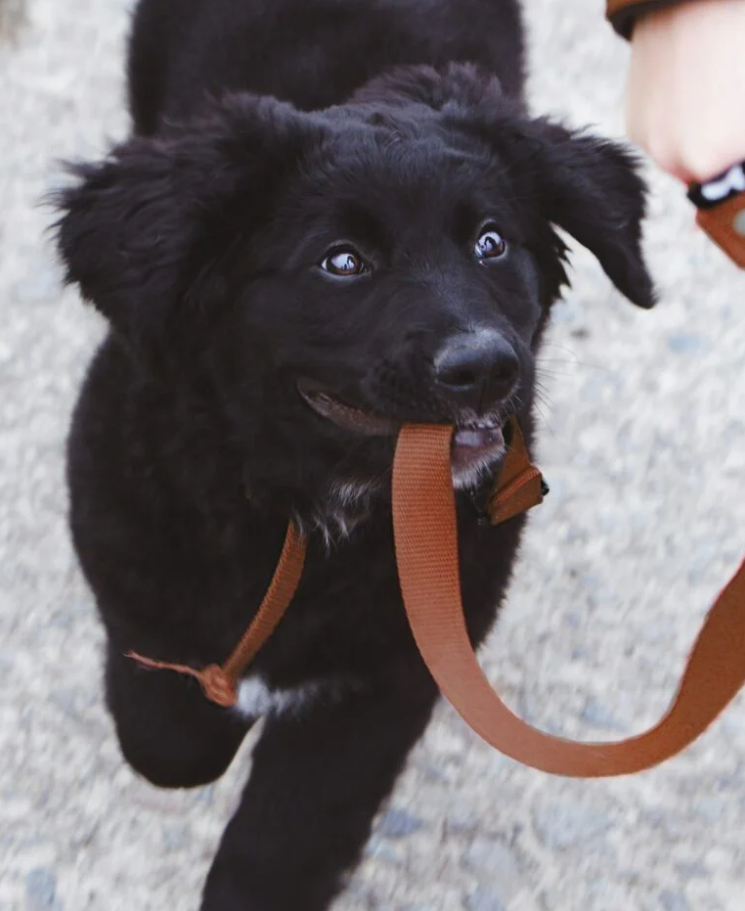
Let’s face it: if training feels boring, your dog won’t be motivated to participate. Dogs respond to enthusiasm and playfulness, so making training fun and interactive can make a huge difference. Use games like hide-and-seek or mix up the routine so your dog never gets bored.
Be expressive and energetic when you interact with them. A little extra excitement on your part encourages them to engage. Training should be something they look forward to, not something they endure. When it’s enjoyable, learning happens faster and obedience becomes part of the fun.
6. You’re Not Paying Attention to Timing
Timing is crucial when it comes to training. Dogs don’t understand delayed reactions, so if you reward them five minutes after they do something correctly, they’ll have no clue what behavior is being praised. Likewise, correcting behavior long after it happens doesn’t work.
The moment your dog does something right, reward it immediately. The instant they make a mistake, redirect them or correct gently. Immediate feedback helps them connect the action with the outcome, which speeds up learning and prevents confusion.
7. You’re Ignoring Their Needs
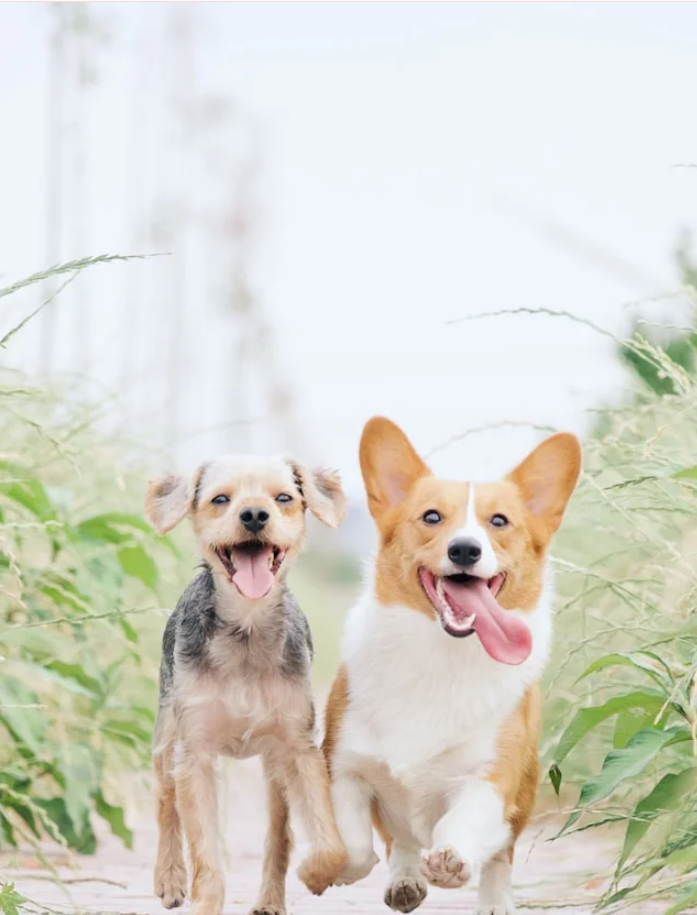
Before you expect obedience, make sure your dog’s basic needs are met. Dogs who are hungry, tired, overstimulated, or lacking exercise will struggle to pay attention. Have you ever tried to focus when you’re starving or exhausted? It’s the same for dogs.
Check that they’ve had enough exercise, aren’t overly stressed, and have access to food and water. When their physical and mental needs are taken care of, they’re much more receptive to training and more likely to respond positively to your commands.
8. You’re Not Being the “Pack Leader”
Dogs feel most secure when they know who’s in charge. This isn’t about being aggressive—it’s about setting boundaries and leading with confidence. If your dog thinks they are the boss, they may test limits or ignore commands.
Be calm, assertive, and consistent. Establish rules and stick to them, even when those puppy-dog eyes are trying to convince you otherwise. Following through on commands shows your dog that you’re reliable, and they’re more likely to respect your guidance when boundaries are clear.
9. You’ve Got Unrealistic Expectations
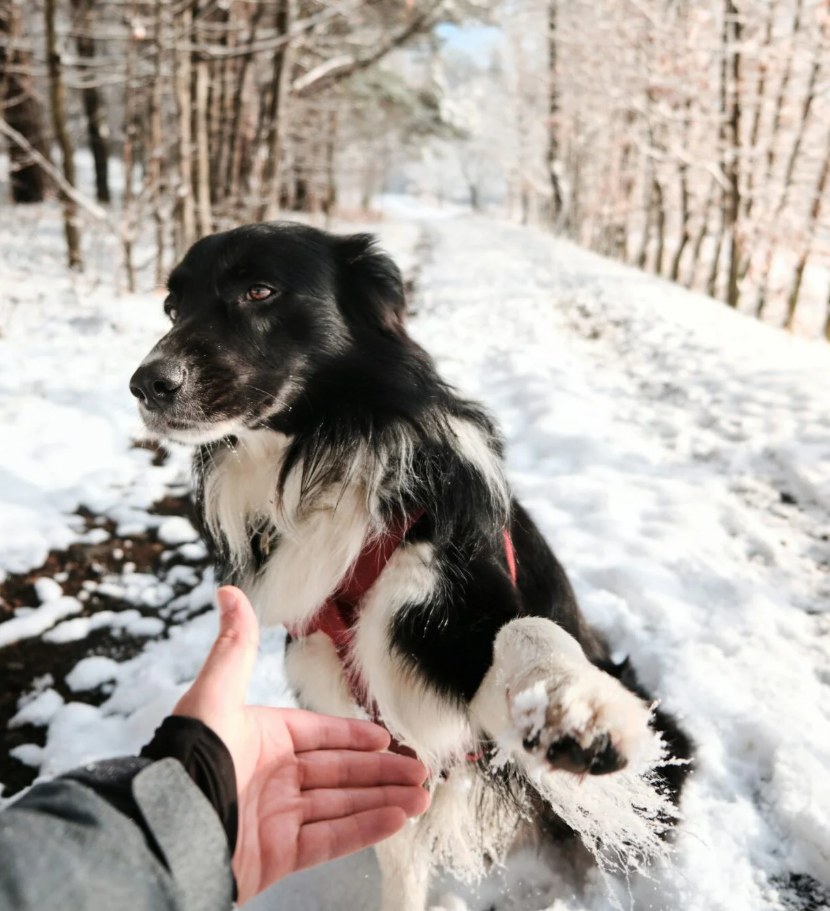
It’s important to remember that no dog is a perfect, instant genius. Every dog has off days, some breeds are naturally more stubborn, and even well-trained dogs can make mistakes. Training is ongoing, and expecting instant results sets you up for frustration.
Recognize that learning takes time, and be ready to adjust your expectations based on your dog’s personality, breed, and individual temperament. Consistency, patience, and understanding are what ultimately lead to long-term success.
10. You’re Forgetting That Dogs Are, Well, Dogs
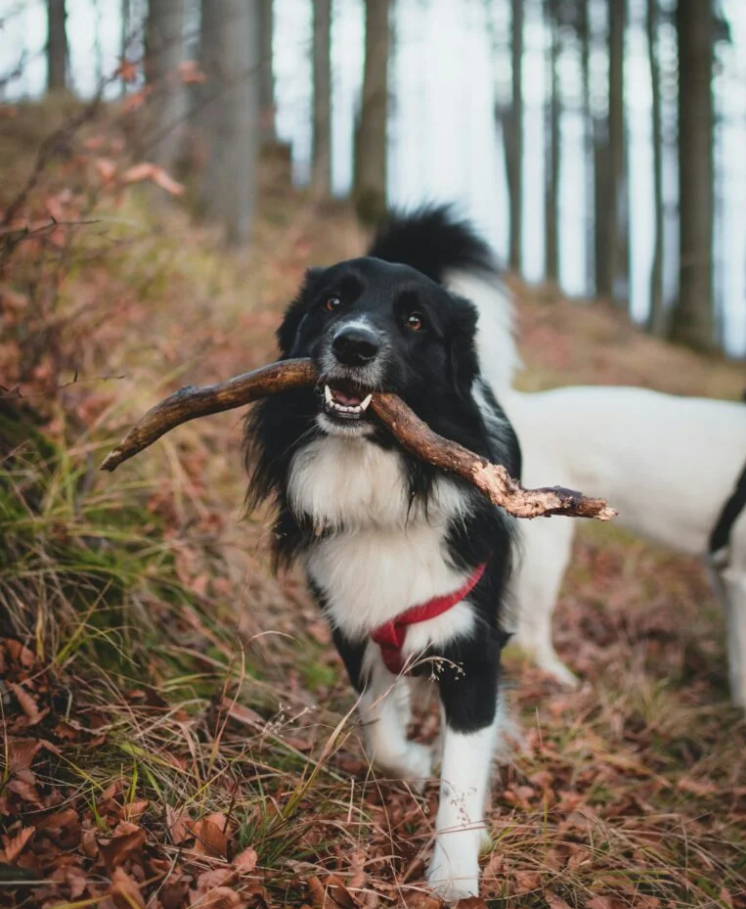
At the end of the day, your dog is still a dog. They have instincts, they get distracted, and they don’t operate like humans. A squirrel, a new smell, or just natural curiosity can derail their attention.
Accepting this reality helps you stay patient and realistic. Your dog isn’t being defiant—they’re acting according to their nature. By respecting their instincts and working with them rather than against them, training becomes a smoother, more positive experience.
Final Thoughts of Why Your Dog is not Listening to You
If your dog isn’t listening, don’t panic. Most challenges are fixable with patience, consistency, and understanding. Focus on clear commands, immediate rewards, fun training sessions, and meeting your dog’s basic needs. Leadership, realistic expectations, and recognition of your dog’s natural behavior are key to fostering obedience.
With dedication and a little creativity, your dog will start responding more reliably, and training can become a rewarding and enjoyable part of your relationship. And yes, treats are a powerful ally—just make sure they know they’re coming for good behavior, not just because it’s snack time.