
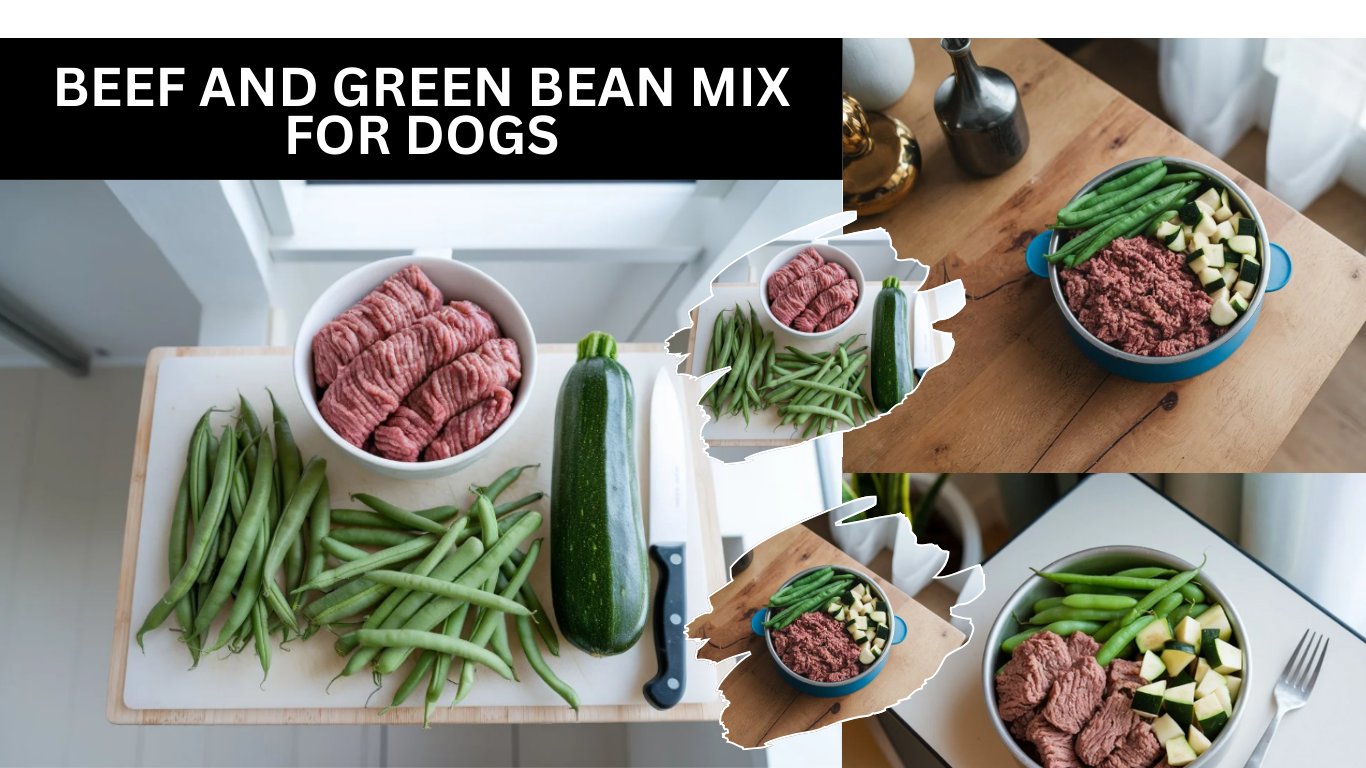
Beef and Green Bean Mix For Dogs – A Simple, Nutritious Meal
Let’s be honest—living with a dog that has a sensitive stomach can feel exhausting at times. You do everything right, choose what seems like a safe meal, and still end up dealing with loose stools, gas, or a dog that just looks uncomfortable all day. Those moments make you second-guess every feeding choice, especially when your dog depends on you to get it right.
From experience, digestion issues in dogs are rarely about one big mistake. Most of the time, they come from ingredients that are too rich, too processed, or simply not suited to that dog’s system. That’s why simple, clean meals matter so much. When you strip food back to basics, the stomach often gets the break it needs to reset.
Beef tends to surprise people in this situation. Many assume it’s too heavy, but when you choose lean cuts and cook them properly, beef can actually be very gentle. It’s rich in protein, supports muscle health, and keeps dogs feeling satisfied without overwhelming their digestion.
Cooking at home gives you control. You know exactly what’s going into the bowl, you can adjust portions, and you can see how your dog reacts in real time. Over the years, meals like the ones below have helped many dogs regain normal digestion and renewed energy—without relying on overly processed foods.
1. Simple Beef and Rice Bowl
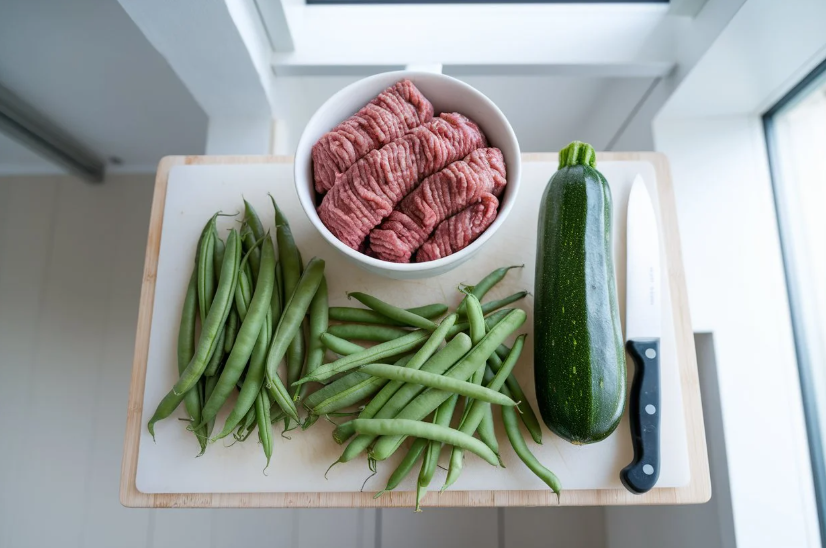
This meal is often the first thing people turn to when their dog’s stomach is acting up—and for good reason. Beef and rice are bland enough to calm digestion while still providing energy and essential nutrients. When a dog has been struggling with loose stools or nausea, simplicity is often the safest approach.
Lean beef delivers protein without excess fat, which is critical for dogs that can’t tolerate greasy foods. White rice, in particular, is easy to digest and helps firm stools. Carrots add mild fiber and nutrients, but they’re not essential, which makes this recipe easy to adjust based on how sensitive your dog really is.
Cooking the beef thoroughly and draining the fat reduces the chance of irritation. Mixing everything together while it’s warm helps flavors blend, but letting it cool before serving protects your dog’s stomach and mouth. Many owners notice improvement within a day or two when starting with a meal like this.
If your dog is going through a particularly rough patch, sticking to just beef and rice for a short period can make a noticeable difference. Once digestion stabilizes, you can slowly reintroduce vegetables.
2. Beef and Pumpkin Stew
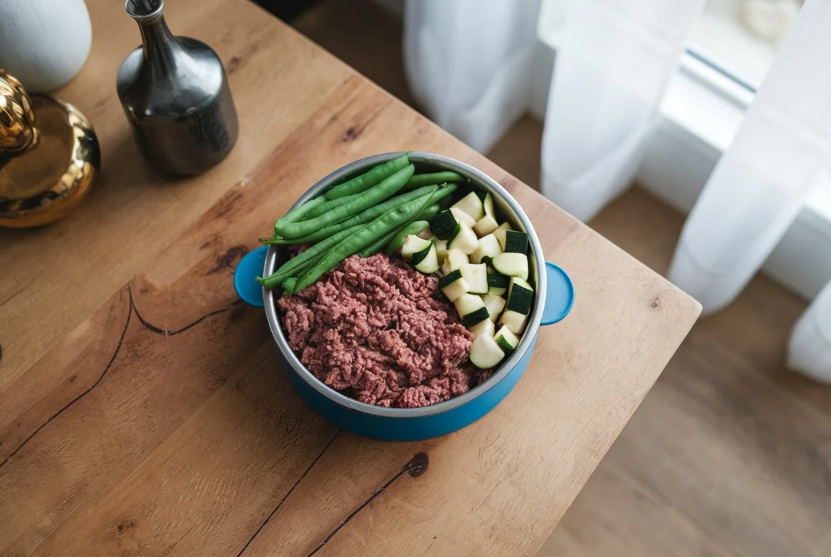
Pumpkin has earned its reputation as a digestive helper, and it’s not just hype. In real-world feeding, pumpkin often helps regulate digestion—whether a dog is dealing with loose stools or mild constipation. When paired with beef, it creates a meal that feels comforting and nourishing.
Using plain pumpkin is critical. Added sugars or spices can undo all the benefits. The pumpkin adds soluble fiber, which supports gut balance, while the broth keeps the meal moist and easy to digest. Quinoa or rice contributes gentle carbohydrates that provide energy without stressing the stomach.
Slow simmering allows the beef to soften and makes the meal easier for sensitive dogs to process. The smell alone tends to get even picky eaters interested, which helps when appetite drops during stomach upset.
Portion size matters here. Pumpkin works best in moderation, and small servings are usually enough to support digestion without causing new issues.
3. Beef and Sweet Potato Mash
Sweet potatoes are one of those ingredients that consistently work well for sensitive dogs. They’re filling, naturally mild, and packed with fiber that supports gut health. When you combine them with beef, you get a balanced meal that feels both satisfying and gentle.
This mash works especially well for dogs that struggle with chewing or prefer softer textures. Everything blends smoothly, making it easier on the stomach and the teeth. Sweet potatoes also bring vitamins that support immune health, which is often compromised when digestion is off.
Yogurt can be helpful for dogs that tolerate dairy, as it introduces beneficial bacteria. That said, it’s never essential. The beef and sweet potato combination stands strong on its own and delivers reliable nutrition without unnecessary extras.
Serving this at room temperature helps prevent digestive shock, especially for dogs already dealing with stomach sensitivity.
4. Beef and Zucchini Skillet
Zucchini doesn’t get enough credit in dog food, but it’s one of the easiest vegetables to digest. It’s mostly water, low in calories, and very gentle on the gut. For dogs that bloat easily or feel heavy after meals, this recipe often feels noticeably lighter.
The addition of plain oatmeal provides soluble fiber, which can help soothe irritation in the digestive tract. Combined with lean beef, the meal offers balance without excess richness.
Cooking everything thoroughly and draining fat is especially important here. When prepared correctly, this dish supports digestion while still keeping dogs full and content.
Many owners notice that dogs eating meals like this seem more comfortable after eating—less pacing, less grass-eating, and more relaxed behavior overall.
5. Beef and Spinach Meatballs
For dogs that prefer firmer textures or need meals that are easy to portion, these meatballs are a practical option. They’re nutrient-dense without being harsh on digestion, which makes them suitable for sensitive stomachs when cooked properly.
Spinach adds iron and antioxidants, but steaming it first reduces toughness and improves digestibility. Quinoa or rice keeps the meatballs light, and the optional egg helps everything hold together without relying on fillers.
Baking ensures even cooking and reduces excess grease. Letting the meatballs cool fully before serving protects digestion and makes them safer to handle.
These are especially useful for meal prep. Having safe, homemade options ready can make feeding stress-free during busy days.
FAQ
1. Can I use raw beef in these recipes?
Cooking beef is the safer choice, especially for dogs with sensitive stomachs. Heat reduces harmful bacteria and makes protein easier to digest, which lowers the risk of stomach upset.
2. How much of these recipes should I feed my dog?
Every dog is different. Size, age, metabolism, and activity level all matter. Starting with small portions and adjusting based on your dog’s response is often the best approach, with veterinary guidance when needed.
3. Can I substitute beef with another protein?
Yes. Lean proteins like chicken, turkey, or lamb can work well, as long as they’re cooked thoroughly and introduced gradually.
4. How long can I store homemade dog food?
Refrigerated meals should be used within a few days. Freezing portions helps maintain freshness and makes long-term storage easy. Always check smell and texture before serving.
5. What if my dog still has an upset stomach after trying these recipes?
Persistent digestive problems can signal underlying health issues. If symptoms don’t improve, professional veterinary evaluation is essential.
Final Thoughts of Beef and Green Bean Mix For Dogs
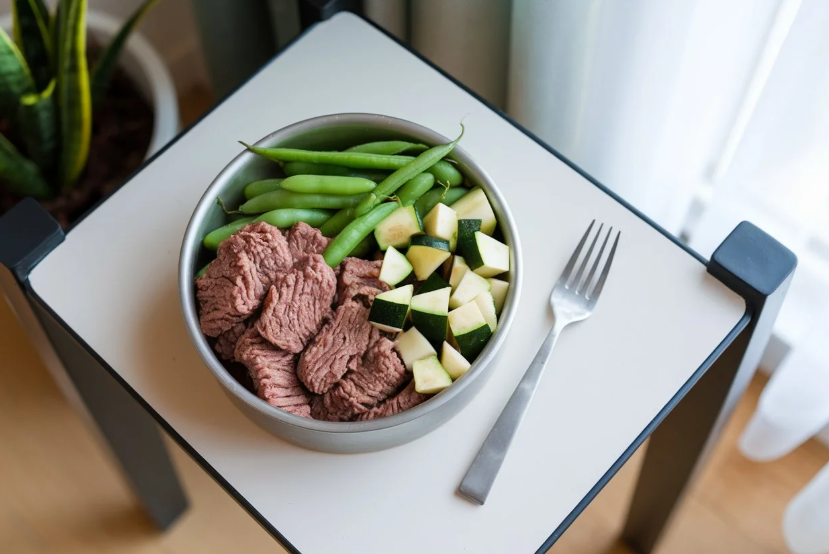
Feeding a dog with a sensitive stomach doesn’t require complicated formulas or expensive solutions. What it does require is attention, patience, and a willingness to keep things simple. Lean beef, gentle carbohydrates, and carefully chosen vegetables can make a real difference in how your dog feels day to day.
Every dog responds differently, and learning what works best takes time. But once you find the right balance, mealtimes become calmer, digestion improves, and your dog gets back to being comfortable, energetic, and happy—and that’s always the goal.