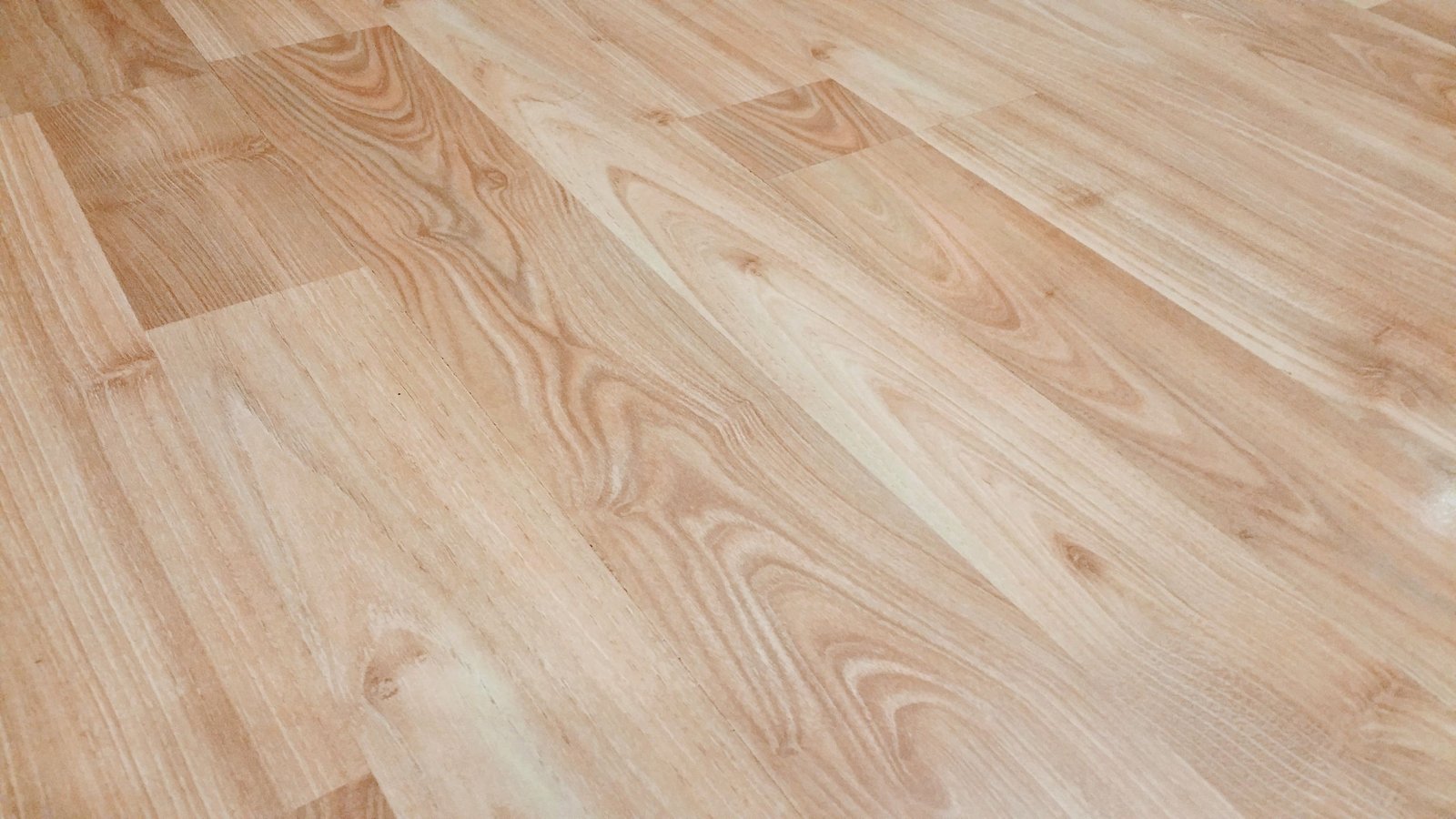
How to Clean Laminate Floors
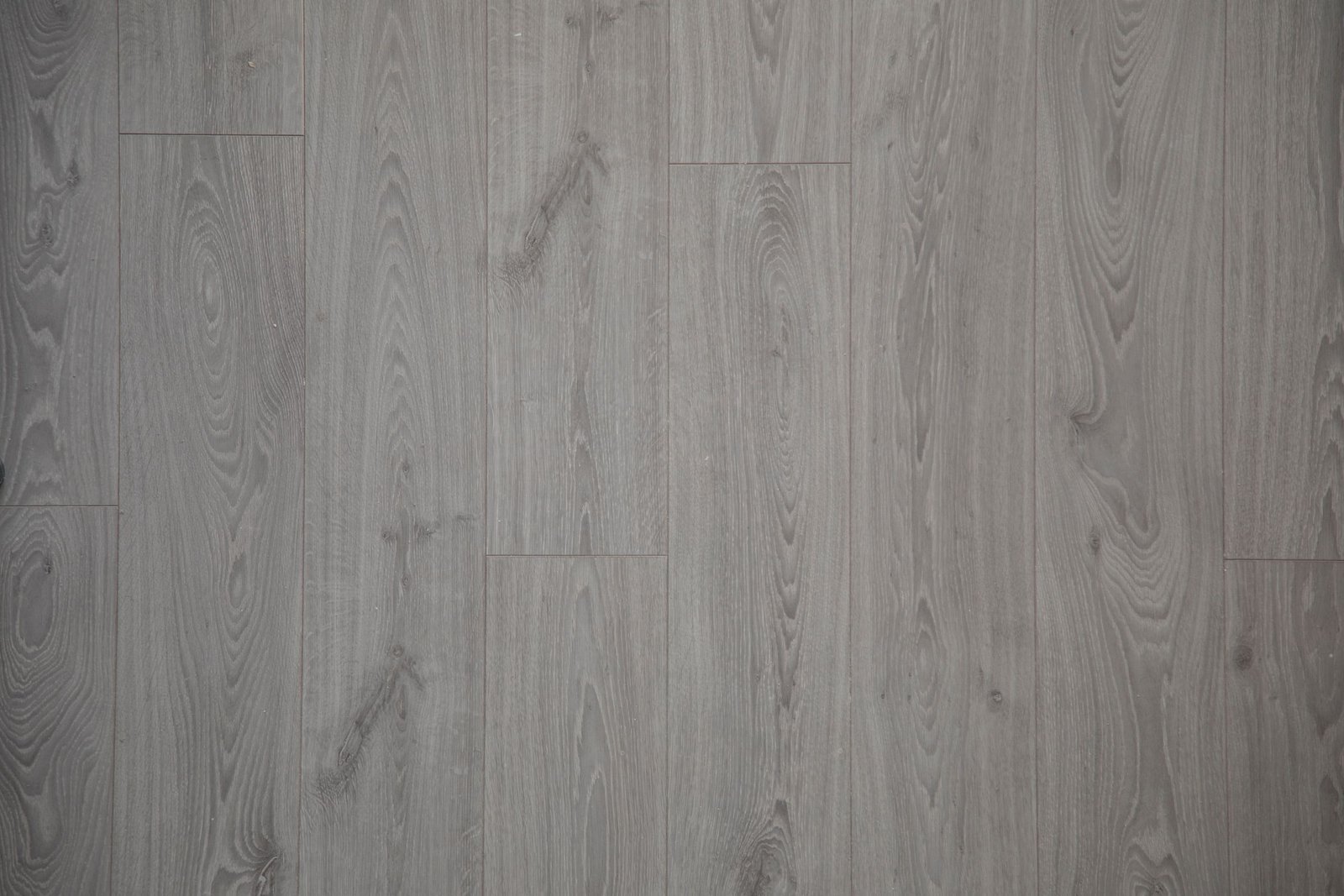
Smooth, streak-free laminate — without soaking it, steaming it, or damaging the finish.
GOLDEN RULE: Never soak laminate and never steam-mop it. Under the printed top layer is a fibreboard core that swells and warps if it gets wet. Mop only damp, and dry quickly.
Want a Better-Trained, Happier Dog?
Get practical guidance for obedience, behavior, and everyday dog training with a collection of helpful training guides designed for dog owners.
This post may contain affiliate links. If you purchase through our link, we may earn a commission at no additional cost to you.
What You Will Need
- Soft-bristle broom, or a vacuum cleaner on the hard-floor setting (no spinning beater bar)
- Microfibre flat mop — wrung out well, never dripping
- Bucket of warm water
- Laminate-safe floor cleaner, or plain warm water with just a few drops of mild dish soap
- White vinegar (for sticky spots and streaks only)
- Clean, dry microfibre cloths or towels
- Soft cloth or old toothbrush for edges and corners
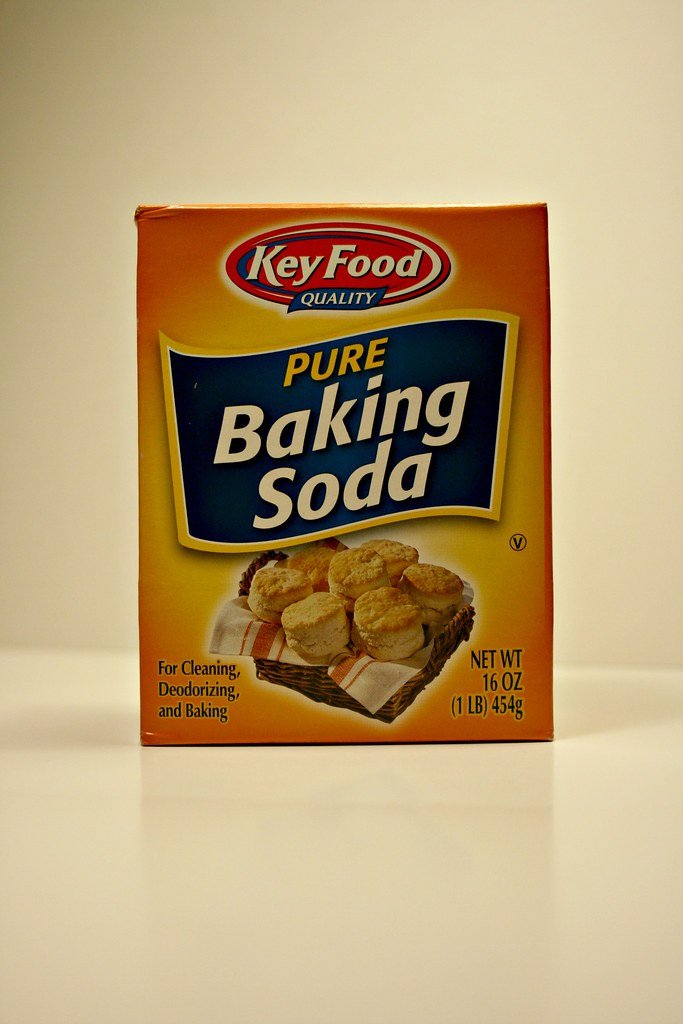
- Baking soda (for stubborn scuffs)
Everyday Cleaning
- Sweep or vacuum first. Remove loose dirt before any wet cleaning — grit left on the floor acts like sandpaper under shoes and furniture.
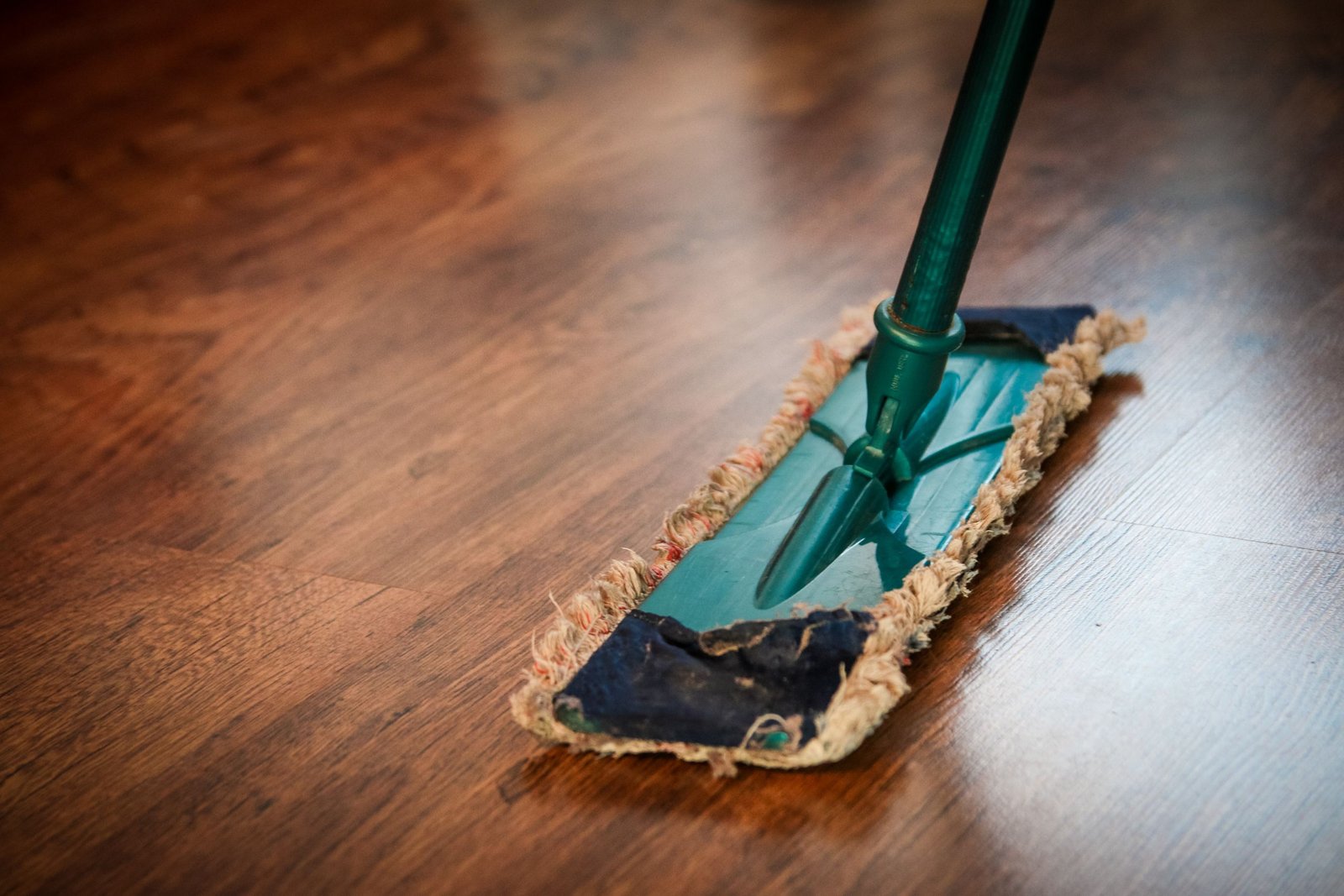
- Damp-mop — never wet-mop. Add laminate-safe cleaner per the label, or just a few drops of mild dish soap, to warm water. Wring the microfibre mop out thoroughly — it should feel barely damp, not wet. Mop in the direction of the planks, in sections of about 1-2 metres at a time.
- Dry straight away. Go over each mopped section with a dry microfibre cloth or towel before moving on. The floor should be dry within a minute or two. Standing water seeps into the joints and causes swelling, bubbling and lifted edges.
- Finish the edges. Wipe skirting boards and corners with a wrung-out cloth, and check the joints for any drips. Wipe up any puddle immediately.
Spills and Spot Stains
Food and drink spills: Blot — never rub — with a dry cloth first, then wipe with a damp cloth and dry.
Sticky spots (juice, jam, syrup): Hold a cloth dampened with warm water and a tiny drop of dish soap on the spot for 30 seconds to soften it, then wipe and dry. For a really stubborn patch, wipe with 1 part white vinegar to 3 parts water, then rinse with a plain damp cloth and dry.
Greasy marks: A drop of dish soap on a damp cloth, wiped in the direction of the planks, then a clean damp wipe and a dry finish. Never pour cleaner or water directly onto the floor — always apply it to the cloth or mop first.
Streak Prevention
- Use less cleaner than you think you need — a few drops of dish soap in a full bucket is plenty
- Mop with a well-wrung microfibre mop, not a string mop that holds excess water
- Mop with the grain of the planks, not across them
- If streaks appear, go over the floor once more with a mop dampened in plain warm water, then dry immediately. A final buff with a dry microfibre cloth leaves a clean, even finish.
Scuffs and Marks
Shoe scuffs: Rub gently with a dry microfibre cloth first — many light scuffs come straight off. For a stubborn mark, make a paste of 3 tablespoons of baking soda mixed with 1 tablespoon of water, rub it lightly over the scuff in small circles for 20-30 seconds, then wipe clean with a damp cloth and dry.
Crayon or pen marks: Try the baking soda paste above. Avoid acetone, nail polish remover or abrasive erasers — they can strip the printed top layer.
Furniture dents and scratches: Stick felt pads under chair and table legs, and lift — don’t drag — furniture when you move it. Small scratches can be hidden with a laminate repair pen matched to your floor colour.
Protecting Your Laminate Day to Day
- Put doormats at every entrance and wipe shoes before coming in
- Wipe up pet water bowl spills straight away, and put a mat under bowls
- Keep indoor humidity moderate — very damp air can swell the core over time, so ventilate kitchens and bathrooms well
- Trim pets’ nails regularly to prevent scratches
What NOT to Do
- No steam mops — steam forces moisture into the joints and will damage laminate
- No soaking — never flood the floor, never leave a wet mop sitting on it, and never leave spills to dry on their own
- No wax or polish — laminate has its own sealed top layer; wax and polish just build up into a cloudy, sticky film
- No abrasive pads or scrub brushes — steel wool, scouring pads and stiff brushes scratch the surface permanently
- No oil soaps or “mop and shine” products — they leave residue that attracts dirt and dulls the finish
- No wet vacuum cleaners on laminate — they push water into the joints
Tick-Off Checklist
- Dirt swept or vacuumed (hard-floor setting, no beater bar)
- Mop wrung out well — damp, never dripping
- Floor damp-mopped in the direction of the planks, section by section
- Each section dried straight away with a dry microfibre cloth
- Spills blotted immediately, never left to dry on the floor
- Sticky spots softened with a damp cloth, then wiped and dried
- Greasy marks cleaned with a drop of dish soap, then rinsed and dried
- Streaks fixed with a plain-water damp mop and a dry buff
- Shoe scuffs rubbed with a dry cloth, or baking soda paste (3 tbsp + 1 tbsp water) for stubborn marks
- Edges, corners and skirting boards wiped and checked for drips
- No steam mop, no soaking, no wax or polish, no abrasive pads used
- Felt pads fitted on furniture legs; furniture lifted, not dragged
Download Your Free Printable Checklist
Get the printable laminate floor cleaning checklist to keep on hand for everyday cleaning, spills and scuffs.
PDF • Print-friendly
Looking for more free printables? See all free printables on our Cleaning Resources page.