How to Clean Curtains
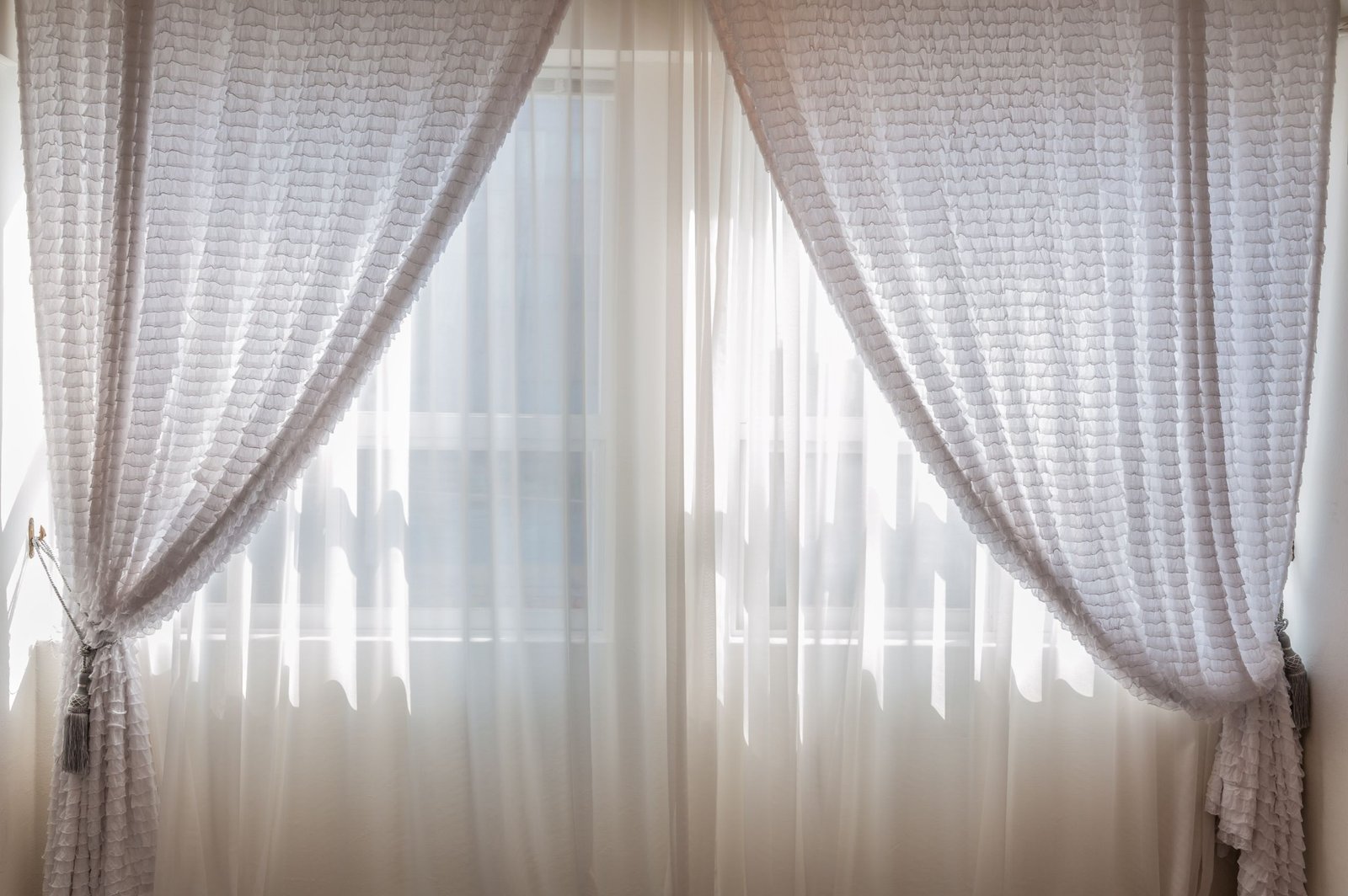
Fresh, dust-free curtains — matched to the fabric, so nothing shrinks, fades, or gets ruined.
Fresh, dust-free curtains change the whole feel of a room — brighter light, cleaner air, and no musty smell when the breeze blows through. The trick is matching the method to the fabric. What works for sturdy cotton can ruin velvet or sheer voile, so always start with the care label, and when in doubt, test a hidden corner first.
Want a Better-Trained, Happier Dog?
Get practical guidance for obedience, behavior, and everyday dog training with a collection of helpful training guides designed for dog owners.
This post may contain affiliate links. If you purchase through our link, we may earn a commission at no additional cost to you.
Quick facts: A full curtain clean takes 30-60 minutes of active work, plus washing and drying time. Vacuum curtains every 2-4 weeks and give them a full wash or dry clean every 3-6 months — more often in kitchens, near busy roads, or in homes with pets, smokers, or allergy sufferers.
Label Check First
The care label overrides any general advice in this guide. If there is no label at all, play safe: vacuum and spot-clean only, or ask a dry cleaner.
- Machine washable — most cotton, polyester, and many linen curtains.
- Hand wash — sheers, voile, and delicate lace.
- Dry clean only — most velvet, silk, lined curtains, and heavily pleated or interlined drapes. Believe it: home washing can shrink, stiffen, or ruin these.
What You Will Need
- Vacuum cleaner with an upholstery or brush attachment
- Mild liquid laundry detergent — about 1-2 tablespoons per load
- White vinegar — 1/2 cup, for the rinse (optional)
- Baking soda — 1/2 cup, for deodorising (optional)
- Clean white cloths, a soft-bristle brush, and a stable step ladder
- A bathtub or large basin, for hand washing
- A mesh laundry bag, for sheers and delicate panels
- Gentle stain remover or mild dish soap — 1 teaspoon per 1 cup (240 ml) of cool water, for spot treatment
Step 1 — Take Them Down Safely
Open the curtains fully and remove tiebacks, hooks, rings, or weights. Put small hooks and rings in a labelled bag so nothing gets lost — and so metal hooks do not snag fabric in the wash. Shake each panel gently outdoors, or over a bathtub, to loosen surface dust. Do not snap or whip delicate fabric. Ladder safety: use a stable step ladder on a flat, dry floor — never a chair, a wobbly stool, or a ladder balanced on a rug. Keep your hips inside the ladder rails, do not overreach to the side, and ask someone to hold the ladder if you are working above head height.
Step 2 — Vacuum First, Every Time
Fit the upholstery or brush attachment and use a low or medium suction setting. Work from top to bottom, slowly, on both sides of each panel. Pay extra attention to the top folds and pleats, where dust collects, and to the hems, where dirt and pet hair gather. For sheers and voile, hold the fabric lightly taut with one hand and vacuum with the other, or vacuum through a thin cotton pillowcase laid over the fabric to protect it from snagging.
Step 3 — Spot-Clean Stains Before Washing
Blot — never rub — any visible marks with a clean white cloth dampened in cool water. For a stubborn mark, dab with 1 teaspoon of mild dish soap in 1 cup (240 ml) of cool water, working from the outside of the stain inward so it does not spread. Rinse by dabbing with a cloth dampened in plain cool water, then blot dry. Test first: on coloured, printed, or delicate curtains, test any cleaner on a hidden hem or corner and wait 10 minutes to check for fading or damage.
Step 4 — Wash by Fabric Type
Cotton and Polyester Curtains (Machine Wash)
Place panels loosely in the machine — never cram them in. Wash one or two panels at a time so they can move freely. Use a gentle or delicate cycle with cool or warm water (30°C). Add 1-2 tablespoons of mild liquid detergent. Run an extra rinse if your machine allows it, and add 1/2 cup of white vinegar to the rinse for freshness (never mix vinegar with bleach). Remove promptly at the end of the cycle — leaving wet curtains bunched in the drum causes creases and mildew smells.
Linen Curtains (Machine Wash, Gently)
Wash on a gentle cycle at 30°C with 1 tablespoon of mild detergent. Linen softens with washing but can shrink in hot water, so never use a hot cycle. Expect some natural wrinkling — that is normal for linen. Shake panels out before drying to reduce creases.
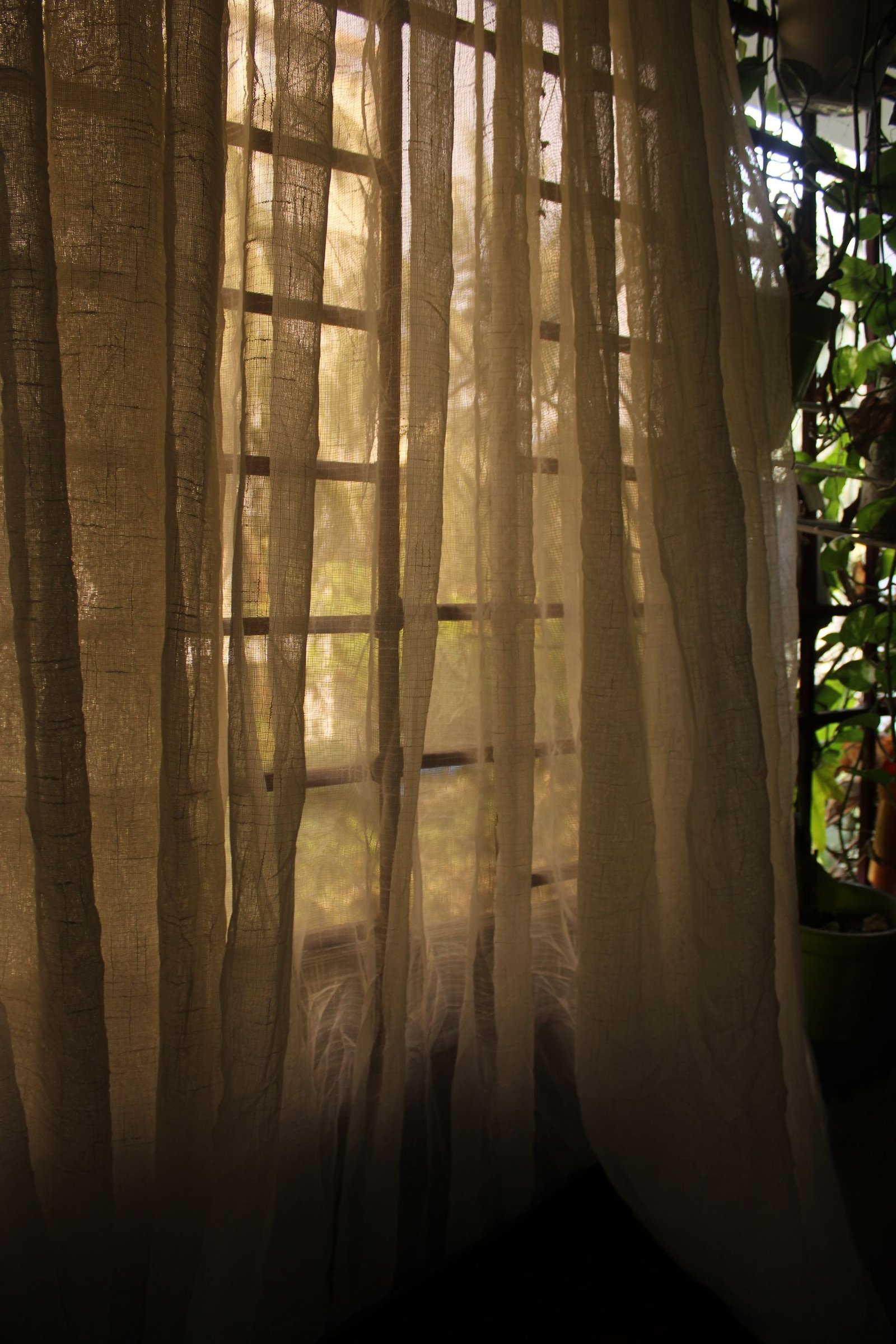
Sheer, Voile, and Lace Curtains (Hand Wash or Gentle Machine Wash)
Best method: hand wash in a bathtub or large basin of cool water with 1 tablespoon of mild detergent dissolved in it. Swish gently for 5-10 minutes — never wring, twist, or scrub. Drain, then rinse twice in clean cool water until the water runs clear. Machine alternative: only if the label allows it — place panels in a mesh laundry bag, use a delicate cycle at 30°C or cold, with 1 tablespoon of mild detergent. To brighten yellowed white sheers, add 1/2 cup of baking soda to the wash water. Never use chlorine bleach on delicate sheers — it weakens the fibres and can yellow them further.
Velvet Curtains (Dry Clean or Vacuum Only)
Do not machine wash velvet unless the label explicitly says you can — water can crush the pile, leave watermark rings, and stiffen the fabric. Vacuum regularly with the brush attachment, working in the direction of the pile. For light marks, blot gently with a barely damp white cloth and let it air-dry. For anything more, take them to a dry cleaner. To revive flattened pile, hold a steamer 15-20 cm away from the fabric and brush gently in the direction of the pile once dry — never press a hot iron directly onto velvet.
Blackout and Thermal Curtains (Check the Backing)
Check the backing first: rubberised, foam, or coated blackout linings can crack, peel, or melt in hot water and in the dryer. If the label allows machine washing, use a gentle cycle at 30°C with 1 tablespoon of mild detergent, and never use fabric softener — it can coat and damage the blackout layer. If the backing is rubberised or the label says dry clean only, vacuum and spot-clean only, and dry clean when a full clean is needed.
Lined, Interlined, and Silk Curtains (Dry Clean Only)
These are the highest-risk group: the lining and the face fabric can shrink at different rates in water, causing puckering and distortion. Vacuum regularly and spot-clean small marks only, then take them to a professional dry cleaner every 6-12 months.
Step 5 — Dry Them Properly
Best method for most curtains: hang them back up while still slightly damp. The weight of the fabric pulls out wrinkles naturally, and they dry in place with good airflow. Open the window a little for ventilation. If hanging damp is not practical, lay panels flat or hang them over a drying rack — never bunch them in a heap. Tumble dryer: use only if the label allows it, on low heat, for a short time. Remove while still slightly damp and hang immediately. High heat shrinks cotton and linen and can damage blackout coatings. Never hang wet curtains in a closed, damp room — they can take days to dry and may smell musty. Airflow and light ventilation are essential. Iron only if needed, on the setting for the fabric (low for sheers and synthetics, medium for cotton and linen), and always iron on the reverse side. Never iron velvet flat — use a steamer instead, or iron from the back with a pressing cloth.
Step 6 — Freshen Between Washes
Vacuum every 2-4 weeks, top to bottom, both sides. Air curtains out: open the window on a dry, breezy day for an hour or two. For a quick refresh, sprinkle baking soda lightly over sturdy cotton or polyester panels, leave for 30 minutes, then vacuum thoroughly. Skip this on velvet, silk, and sheers. Full wash or dry clean every 3-6 months — more often in kitchens, near busy roads, or in homes with pets, smokers, or allergy sufferers. While curtains are down, wipe rods, rings, and finials with a damp cloth and dry straight away; vacuum the window track or pelmet top; check hooks and glides for rust or damage.
What NOT to Do
- Never wash “dry clean only” curtains at home.
- Never use hot water on linen, sheers, or coloured curtains — it shrinks fibres and fades colour.
- Never use chlorine bleach on coloured or delicate curtains.
- Never use fabric softener on blackout curtains.
- Never wring or twist wet curtains, especially sheers and linen.
- Never tumble dry on high heat, and never put blackout or rubber-backed curtains in a hot dryer.
- Never iron velvet flat or press a hot iron directly onto it.
- Never skip the hidden-spot test on coloured, printed, or delicate fabrics.
- Never stand on a chair or an unstable surface to reach curtain rods — use a proper step ladder.
- Never hang soaking-wet curtains back up over wooden floors or in a closed room without airflow.
Tick-Off Checklist
- Care label checked — washing method matched to the fabric
- Hooks, rings, and weights removed and kept in a labelled bag
- Curtains taken down safely using a stable step ladder
- Panels shaken gently outdoors to loosen surface dust
- Curtains vacuumed top to bottom, both sides, including pleats and hems
- Stains spot-cleaned by blotting (never rubbing), hidden-spot test done first
- Cotton/polyester washed on gentle, 30°C, 1-2 tablespoons mild detergent
- Linen washed on gentle, 30°C only — no hot water
- Sheers/voile hand washed in cool water (or mesh bag, delicate, 30°C) — never wrung
- Velvet vacuumed only, or dry cleaned — never machine washed unless the label allows it
- Blackout curtains washed only if the label allows, gentle 30°C, no fabric softener
- Lined/interlined/silk curtains dry cleaned, not home washed
- Extra rinse run (1/2 cup white vinegar in the rinse, optional)
- Curtains dried by hanging slightly damp with good airflow — no high-heat tumble drying
- Ironed only if needed, on the correct setting, reverse side (steamer for velvet)
- Rods, rings, and tracks wiped and checked while curtains are down
- No bleach, no hot water on delicate fabrics, no fabric softener on blackout curtains
Download Your Free Printable Checklist
Get the full curtain-cleaning checklist as a print-friendly PDF — perfect for keeping in your laundry room.
PDF • Print-friendly
Looking for more free printables? See all free printables on our Cleaning Resources page.