4 Steps to Teach Your Dog to Give You a High-Five
Teaching your dog to high-five is one of those tricks that never fails to make people smile. It’s not just cute—it’s simple, interactive, and a fantastic way to strengthen your bond with your dog. Whether you have a lively puppy full of energy or an older dog who loves learning new things, this trick can add a fun twist to your daily routine. Imagine walking into a room and being greeted with a confident little paw slap—it’s priceless!
The best part? High-five is an easy trick to teach because it builds on behaviors your dog already knows, like sitting and offering their paw. With patience, a few treats, and some consistent practice, almost any dog can master it.
Step 1: Start with a Sit
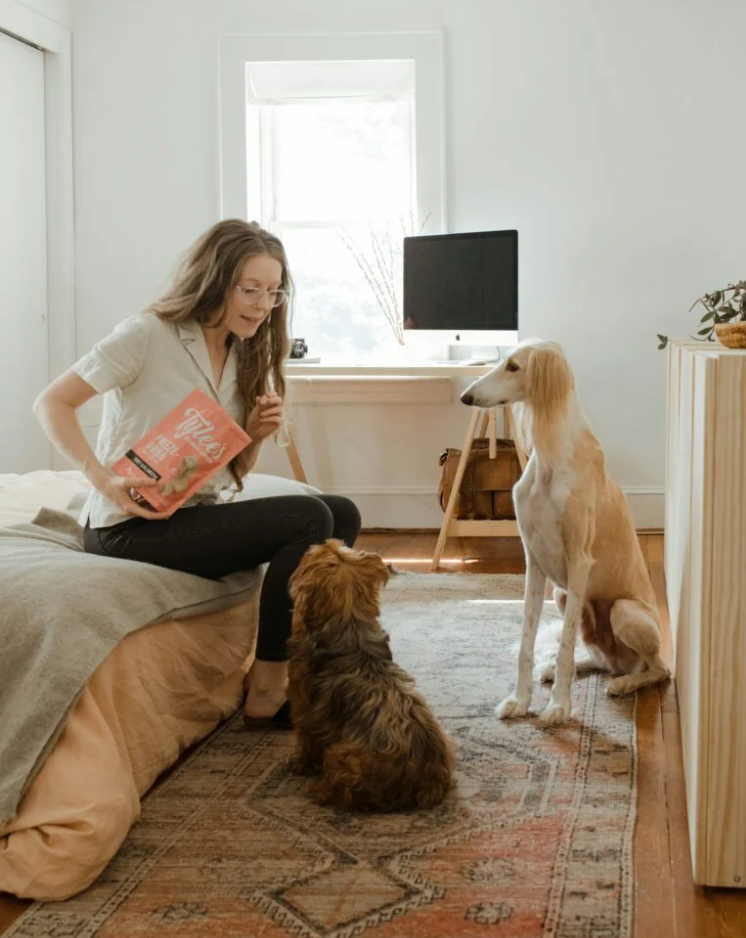
The very first step is to get your dog into a sitting position. This is the foundation of the trick and helps them focus. If your dog doesn’t know “sit” yet, spend a little time teaching that first—it’s a classic move but essential for building up to a high-five.
Once your dog is sitting calmly, grab a treat to catch their attention. Keep it near their nose so they stay engaged. Focus is key here—if your dog is distracted, it’s better to pause and try again than push through. A calm, attentive dog will learn much faster and enjoy the process.
Step 2: Teach the Paw Target
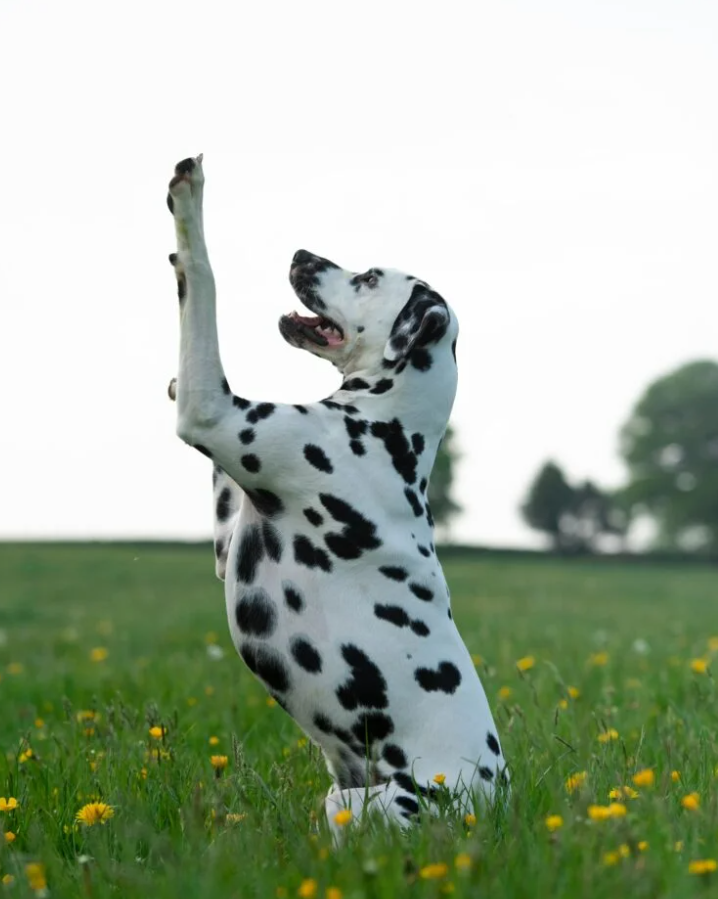
Next, it’s time to encourage your dog to lift their paw. Hold the treat just above their paw level so they naturally try to reach it. As soon as their paw rises, immediately praise them with a “yes!” or “good!” and give them the treat. Repeat this several times so your dog starts associating lifting their paw with a reward.
Some dogs may need a little extra help at first. Gently tap their paw or nudge it upward to show them what you mean. Every dog is different—some catch on quickly, while others may take a few tries. The key is to stay patient and keep the experience positive.
Step 3: Add the High-Five Motion
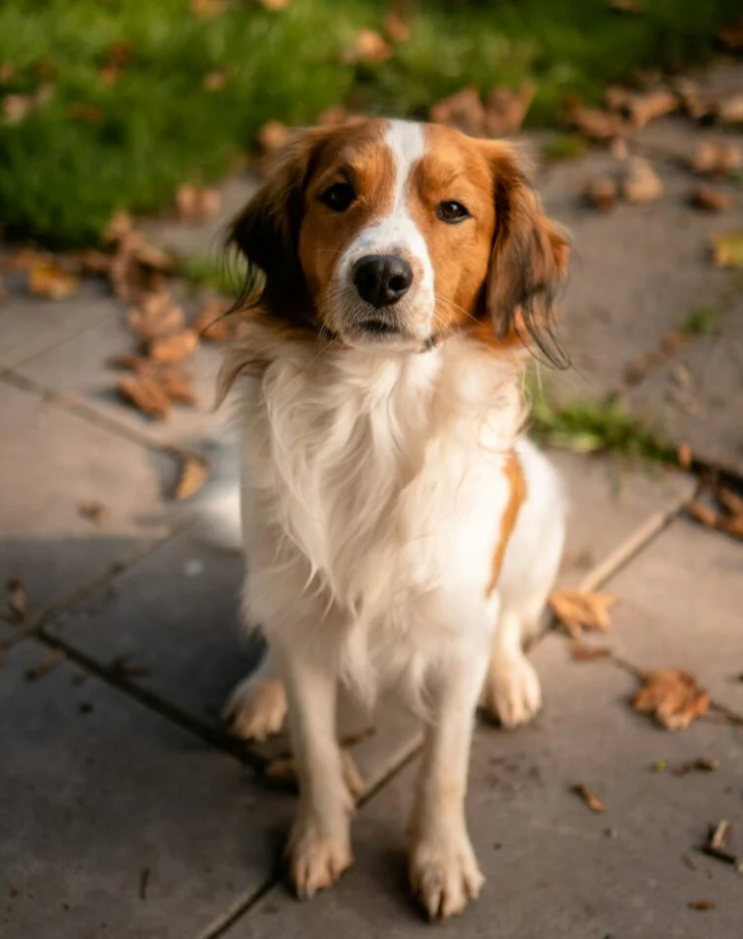
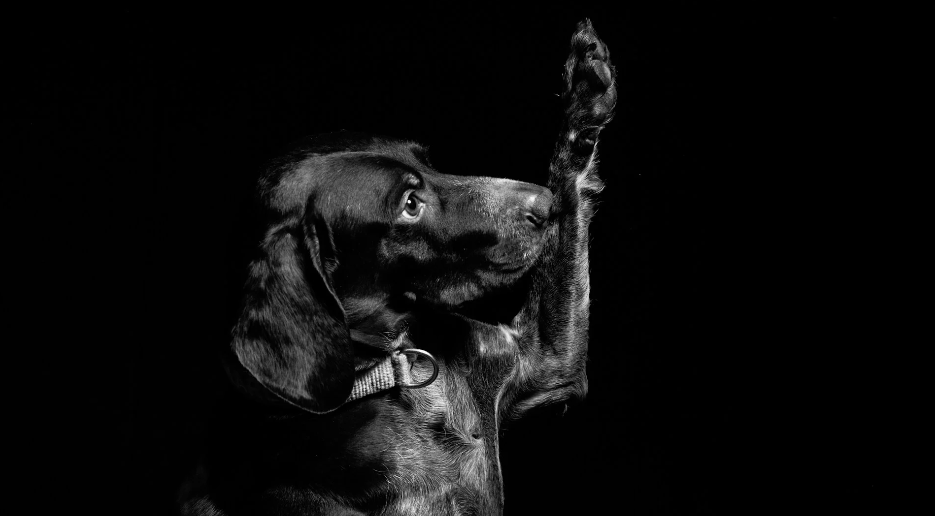
Once your dog is confidently offering their paw for treats, it’s time to transform it into a true high-five. Instead of holding a treat, hold your hand open with your palm facing up. Encourage your dog to touch your palm with their paw. The moment they do, say “high-five!” and reward them immediately with praise or a treat.
If your dog is sniffing your hand instead of pawing it, don’t worry. You can hide the treat in your other hand for a moment to guide them. Slowly, they’ll start understanding that the goal is to touch your palm, not just reach for the treat.
Step 4: Practice and Perfect
Now comes the part that turns this from a simple action into a reliable trick: practice. Short, consistent sessions work best—just a few minutes at a time throughout the day. Start by rewarding every correct high-five, and then gradually reduce treats, using verbal praise and pets to encourage them.
Once your dog masters the basic high-five, you can make it more impressive. Try teaching a double high-five with both paws or a playful low-five. Tricks like these not only show off your dog’s skills but also make your daily interactions more fun and engaging.
Common Mistakes
Even with a simple trick like high-five, there are some common pitfalls to watch for:
Being Impatient
Some dogs take longer than others to understand the trick. Don’t get frustrated if your dog doesn’t get it immediately. Patience is essential—your calm guidance will help them feel confident and willing to try again.
Skipping the Basics
High-five builds on “sit” and basic paw behaviors. Trying to jump straight to the trick without these foundations is like trying to run before walking. Make sure your dog knows the basics first.
Relying Too Much on Treats
Treats are helpful, but they shouldn’t be the only reason your dog follows a command. Pair treats with verbal praise early on so your dog learns to respond to your voice, not just food.
Overtraining
Dogs have short attention spans. Long, drawn-out training sessions can backfire. Keep sessions short—about 5–10 minutes—and fun. Stop before your dog loses interest so they remain eager to practice next time.
FAQ: Teaching High-Five
1. How long will it take to teach my dog to high-five?
It depends on your dog’s personality and learning style. Some dogs may get it in a single session, while others take a week or two. Consistency and patience are the real keys.
2. What if my dog doesn’t lift their paw?
Try gently tapping or nudging their paw upward. Reward them immediately when they make any movement in the right direction. Small steps lead to success.
3. Can older dogs learn this trick?
Absolutely. Age isn’t a barrier as long as your dog is comfortable and motivated. Older dogs might take a little longer to catch on, but they can still enjoy the process and feel proud when they succeed.
4. Do I need to use treats forever?
Nope. Treats are just to guide and encourage your dog in the beginning. Once they understand the trick, switch to verbal praise, belly rubs, or play as rewards.
5. Can I use a different command instead of “high-five”?
Yes! Dogs don’t care about the exact word as long as you are consistent. You can use “high-paw,” “paw bump,” or simply “five”—whatever feels natural to you.
Final Thoughts of Steps to Teach Your Dog to Give You a High-Five
Teaching your dog to high-five is more than just a party trick. It’s a fun, interactive way to bond, spend quality time together, and give your dog a sense of accomplishment. Some dogs pick it up immediately, while others need a bit more patience and guidance—but the smiles and pride you’ll see make it worth every moment.
Grab some treats, stay patient, and enjoy the journey. Before long, your dog will be confidently slapping high-fives, spreading joy, and showing off their skills wherever they go. And honestly, a dog with tricks like this is bound to steal the show every time.