Vet-Approved Essentials Every New Dog Owner Needs
Bringing a dog home changes your daily life in the best and messiest ways possible. One minute you’re soaking in unconditional love, and the next you’re wondering how so much fur ended up in places fur should never be. Before panic-searching solutions for chewed furniture or midnight accidents, it helps to slow down and focus on what truly matters in the beginning. Real essentials are not about trends or aesthetics. They are about comfort, safety, health, and building a routine that works for both of you.
This guide focuses on the things you will actually rely on every single day. Not flashy extras, not impulse buys, but practical items that make life smoother, calmer, and far less chaotic as your dog settles into their new home.
A Proper Crate (Their Safe Personal Space)
A crate is not about confinement or punishment. When chosen and used correctly, it becomes your dog’s personal retreat. Dogs naturally seek out den-like spaces where they can relax without stimulation, and a crate fulfills that instinct in a controlled and positive way. It gives them somewhere to sleep deeply, decompress after excitement, and feel secure when the house is busy or quiet.
How to Choose the Right Crate
The crate should be large enough for your dog to stand up, turn around, and lie down comfortably, but not so large that it feels overwhelming. For puppies, adjustable dividers are extremely helpful because they allow the crate to grow with them. Material matters too. Wire crates allow airflow and visibility, while plastic crates feel more enclosed and are often preferred for travel. Double-door designs offer flexibility when placing the crate in different rooms.
Why Crates Are Strongly Recommended
Crates play a major role in house-training by encouraging bladder control and routine. They also reduce anxiety, prevent destructive behavior when you are not home, and give your dog a predictable place that always feels safe. When introduced properly, most dogs choose their crate on their own.
High-Quality Food That Supports Real Health

What you feed your dog every day directly impacts their energy, digestion, coat, immune system, and long-term health. Cheap food filled with fillers may keep them full, but it does not support their body the way proper nutrition does. Dogs thrive on balanced meals made with quality ingredients, just like humans do.
What to Look for in Dog Food
A reliable food lists a real animal protein as the first ingredient. It avoids unnecessary fillers, artificial colors, and vague by-products. Nutrition should match your dog’s life stage, whether they are a growing puppy, an active adult, or a senior needing joint and digestive support. Dogs with sensitive stomachs also benefit from formulas designed for easier digestion.
Changing Food the Right Way
Switching food suddenly can upset your dog’s digestive system. Gradual transitions over several days help their stomach adjust and prevent discomfort. Paying attention to how your dog responds to food is part of responsible ownership and builds trust between you and your vet.
A Collar With Proper Identification
Even calm, well-trained dogs can slip out a door, break free, or follow a scent without warning. Identification is one of the simplest and most important safety measures you can provide. A collar with an ID tag ensures that if your dog gets lost, they can get back to you quickly.
Essential Identification Basics
The tag should clearly display your dog’s name and a current phone number. The collar should fit comfortably, allowing space for two fingers underneath. Microchipping adds a permanent layer of security since tags can break or fall off. Collars and harnesses serve different purposes, and both are useful when used correctly.
A Reliable Leash You Can Trust
Daily walks are part of your dog’s physical and mental health, and the leash you choose directly affects safety. A solid leash gives you control, keeps your dog out of danger, and helps establish good walking habits early on.
What Makes a Good Leash
An ideal leash is long enough to allow movement but short enough to maintain control. Durable materials handle pulling and weather without fraying. A comfortable grip matters more than most people realize, especially during long walks or sudden pulls. Leashes designed for busy environments offer extra control when needed.
Why Leash Choice Matters
Poor leash design increases the risk of injuries, escapes, and accidents. A dependable leash creates calmer walks, clearer communication, and fewer stressful moments for both you and your dog.
Flea, Tick, and Heartworm Prevention
Parasite prevention is not optional. Fleas, ticks, and heartworms cause serious health problems that are far more difficult and expensive to treat than to prevent. Consistent protection keeps your dog comfortable and safeguards their long-term health.
Understanding Your Options
Preventatives come in different forms, including oral treatments, topical applications, and long-lasting injections. Your vet helps determine which option works best based on your location, climate, and your dog’s lifestyle.
Why Prevention Is Non-Negotiable
Skipping protection exposes your dog to unnecessary suffering and risk. Preventative care is one of the simplest ways to be proactive instead of reactive when it comes to your dog’s health.
Food and Water Bowls That Stay Put
Feeding time should be calm, not chaotic. Bowls that slide, tip, or spill create unnecessary mess and stress. Choosing the right bowls improves daily routines and makes meals more enjoyable.
Best Bowl Features
Non-slip, stainless steel bowls are easy to clean and resist odors. Raised bowls can reduce strain for larger or older dogs, while slow-feeder designs help dogs who eat too quickly. Durability matters, especially for dogs who treat bowls like toys.
Chew Toys That Hold Up
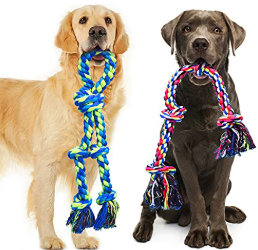
Chewing is a natural behavior that relieves stress, supports dental health, and prevents boredom. Providing the right chew toys protects your belongings and satisfies your dog’s instincts safely.
Choosing Safe Chews
Durable materials that do not splinter or break apart easily are essential. Size should always match your dog’s mouth and strength. Avoid items that claim to be indestructible but show signs of cracking or sharp edges.
Grooming Tools You Will Actually Use
Every dog requires grooming, regardless of coat type. Regular grooming keeps your dog comfortable, healthy, and free from preventable issues like matting, overgrown nails, and skin irritation.
Core Grooming Essentials
Nail care tools, brushes suited to your dog’s coat, and dog-safe shampoo form the foundation of home grooming. Using products designed specifically for dogs protects their skin and coat from irritation.
Why Consistent Grooming Matters
Routine grooming allows you to spot issues early, reduces shedding around the house, and helps your dog feel more comfortable in their body.
A Supportive Dog Bed
Sleep is essential for recovery, growth, and joint health. A proper bed gives your dog the comfort they need after long days of play and learning.
What to Look For in a Bed
Supportive foam helps protect joints, especially for larger or older dogs. Washable covers are practical for accidents and everyday messes. Size matters, and your dog should be able to stretch out fully without hanging off the edge.
Basic First Aid Supplies
Dogs explore the world without much concern for safety. Having basic first aid supplies on hand prepares you for minor emergencies when immediate vet care is not available.
Essential Items to Keep Ready
Bandaging materials, tools for removing debris or ticks, and supplies for minor injuries are important. Some medications may be included only under veterinary guidance. Emergency contact information should always be easy to access.
Poop Bags (More Than You Think You Need)
Clean-up is part of responsible dog ownership. Having plenty of bags on hand prevents awkward situations and keeps shared spaces clean.
Smart Clean-Up Habits
Durable, leak-resistant bags and a dispenser attached to your leash make daily walks easier. Eco-friendly options help reduce waste without sacrificing convenience.
Training Treats That Motivate
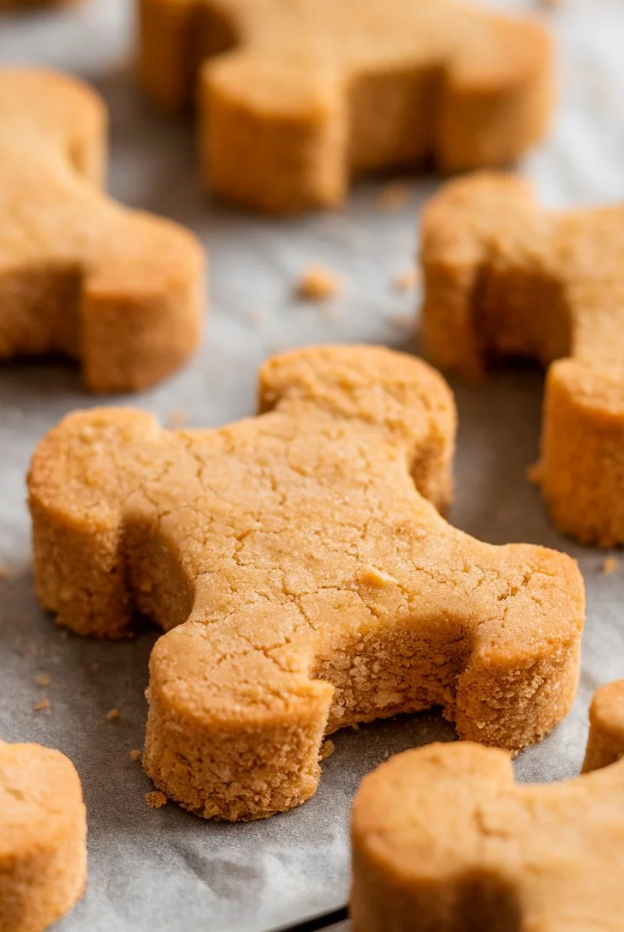
Training is most effective when your dog is motivated and engaged. Treats make learning faster, clearer, and more enjoyable.
Choosing Effective Treats
Small, soft treats allow quick rewards without interrupting training flow. High-value options increase focus, while low-calorie choices prevent overfeeding during frequent sessions.
Why Positive Reinforcement Works
Reward-based training builds trust, strengthens communication, and helps your dog understand what you want without fear or confusion.
Final Thoughts of Vet-Approved Essentials Every New Dog Owner Needs
Starting life with a new dog can feel overwhelming, but it does not have to be chaotic. Focusing on quality essentials creates a strong foundation for training, health, and daily routines. You do not need everything at once. Start with what matters most, learn your dog’s personality, and adjust as you go. With the right preparation, you are not just surviving dog ownership, you are genuinely enjoying it.