12 Training Tips for Pug Owners
Pugs are famously charming, full of personality, and endlessly entertaining. Their affectionate nature and humorous antics make them wonderful pets, but at times, their energy and stubborn streak can feel like a handful. If you want your Pug to grow into a happy, well-mannered companion, it takes patience, consistency, and a little bit of humor along the way. With the right approach, you can enjoy every quirky, adorable moment while shaping good habits that last a lifetime.
1. Begin with Early Socialization
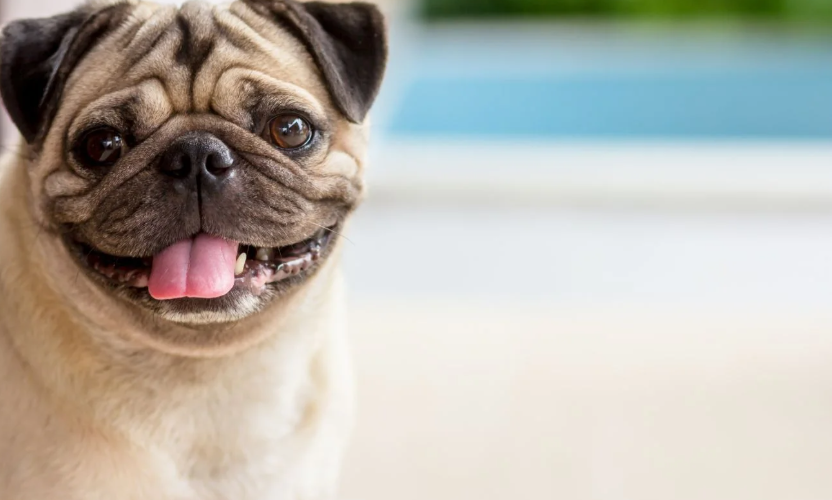
Socialization is the foundation of a confident and happy Pug. The earlier you introduce them to different environments, people, and other animals, the better they will handle new experiences. From the first days at home, take your Pug to parks, meet friends, and arrange puppy playdates. When they encounter a variety of sights, sounds, and personalities early on, they grow into well-rounded, sociable dogs who are less likely to be fearful or anxious later. Personally, the Pugs I’ve trained that had early exposure to other dogs and strangers were always calmer, friendlier, and more adaptable in new situations.
2. Use Positive Reinforcement
Pugs respond exceptionally well to positive reinforcement because they are highly motivated by food and affection. Rewarding good behavior with treats, praise, and gentle affection encourages them to repeat those actions. Avoid harsh punishments, as these can create fear, confusion, and even anxiety. In my experience, using small, high-value treats like bits of chicken or cheese during training keeps Pugs focused and excited to learn. Celebrating their successes, even small ones, strengthens your bond and makes learning fun for both of you.
3. Establish a Routine
Consistency is key for Pugs. They thrive when they know what to expect in their day. Creating a clear routine for meals, walks, playtime, and training sessions helps them feel secure and reduces stress or anxiety. Dogs, including Pugs, often mirror the stability of their environment. From my experience, Pugs with predictable schedules are noticeably calmer, more responsive during training, and more relaxed overall. A structured day makes everything—from house training to behavior correction—much easier to manage.
4. Crate Training for Comfort
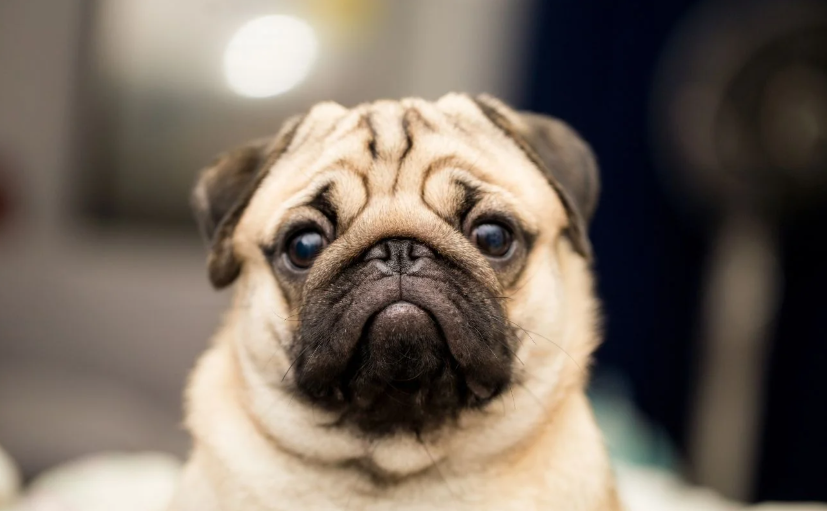
A crate is not a punishment—it’s a safe haven. Introducing your Pug to a crate can give them a cozy, secure space where they feel comfortable and relaxed. Start by making the crate inviting with treats, toys, and soft bedding. Gradually extend the time they spend inside, always ensuring it remains a positive experience. Over time, most Pugs come to view their crate as their personal retreat—a place to rest, feel safe, and relax without stress. I’ve found that Pugs who enjoy their crate are easier to house train and less prone to anxiety when left alone.
5. House Training with Patience
House training requires patience, consistency, and plenty of encouragement. Take your Pug outside frequently, especially after meals, naps, and play sessions. Praise them immediately when they eliminate outdoors and reward them generously. Accidents will happen, but punishment only confuses them and slows progress. The key is consistent timing and gentle guidance. Dogs, including Pugs, learn best when they can associate actions with rewards. Personally, keeping a consistent schedule and celebrating every success has always accelerated house training.
6. Provide Regular Exercise
Even though Pugs are small, they need daily physical activity to stay healthy and prevent obesity. Walks, play sessions, and mental challenges keep their bodies fit and their minds sharp. Without exercise, they may become bored, which can lead to destructive or attention-seeking behaviors. I’ve noticed that a Pug who gets daily exercise is calmer indoors, more focused during training, and overall happier. Gentle games like fetch or a short backyard romp provide both fun and fitness.
7. Mental Stimulation is Key
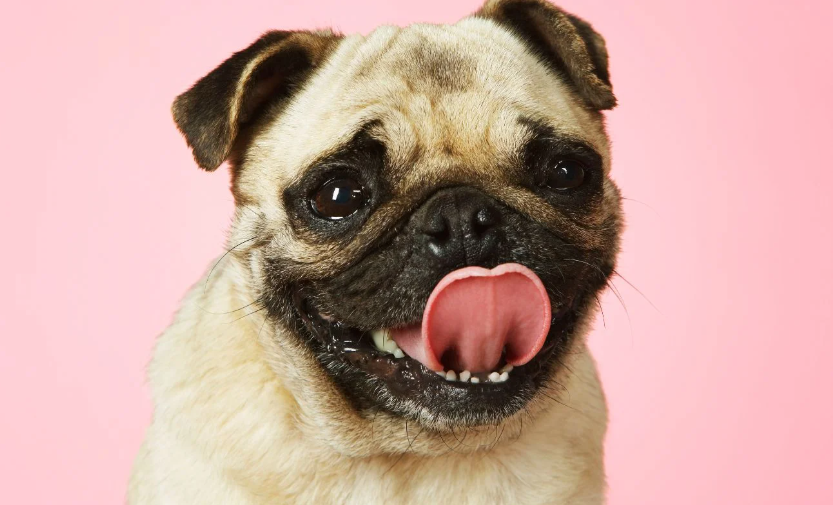
Pugs are intelligent dogs, and their minds need exercise as much as their bodies. Puzzle toys, interactive games, and short training exercises can keep them engaged and prevent boredom. Rotate their toys, introduce new challenges, and vary playtime activities. A mentally stimulated Pug is less likely to develop mischievous habits and more likely to respond well to training. From my experience, Pugs who are challenged mentally are happier, calmer, and much easier to manage day-to-day.
8. Teach Basic Commands
Start with the basics: sit, stay, come, and down. Pugs are eager to please and usually learn quickly when training sessions are short, fun, and full of rewards. Regular practice of these commands not only teaches good behavior but also strengthens the bond between you and your Pug. Using positive reinforcement consistently makes learning enjoyable, and even stubborn Pugs respond when the experience is engaging and rewarding.
9. Handle Grooming Early
Even though Pugs have short coats, grooming is essential. Brushing helps reduce shedding and keeps their coat healthy, while nail trims and ear cleaning are necessary for overall wellness. Introduce grooming from an early age and pair it with treats and praise. This makes the process enjoyable rather than stressful. Personally, dogs who are used to gentle handling from the start tolerate grooming much better and are more cooperative as adults.
10. Manage Their Stubborn Streak
Pugs can sometimes be stubborn and independent. Patience, consistency, and positive reinforcement are critical. If your Pug isn’t responding, try adjusting your approach, breaking tasks into smaller steps, or taking a short break before resuming training. Treats, praise, and encouragement go a long way toward motivating even the most headstrong Pugs. In my experience, persistence combined with kindness always pays off.
11. Keep an Eye on Their Weight
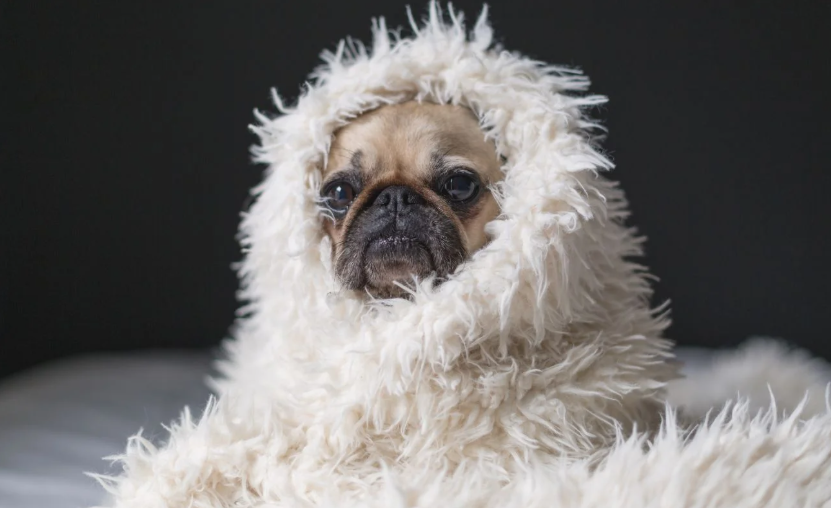
Pugs love food and are prone to gaining weight. Monitoring their diet, offering healthy treats, and maintaining regular exercise are crucial to keeping them fit and avoiding health problems. Overweight Pugs are at higher risk for breathing issues, joint problems, and other complications. I’ve seen firsthand how controlling portions and choosing nutritious treats helps maintain a healthy, happy Pug for years to come.
12. Shower Them with Love
Training isn’t just about rules—it’s about building a strong, loving bond. Spend quality time with your Pug every day through cuddles, play, and positive interactions. A Pug that feels secure and loved is more likely to respond to training and enjoy the process. They are not just pets—they are family members. The time you invest in affection and trust lays the foundation for a lifelong friendship.
Frequently Asked Questions
How do I stop my Pug from barking excessively?
Excessive barking often comes from boredom, excitement, or a need for attention. Ensure your Pug gets enough physical activity and mental stimulation. Use gentle commands like “quiet” and reward them when they respond. Consistency and understanding the cause behind the barking are crucial to success.
How can I reduce my Pug’s separation anxiety?
Start by leaving your Pug alone for short periods, gradually increasing the time. Provide comfort items like toys or blankets, and keep departures and returns calm. Consistent, positive reinforcement helps them learn that being alone is safe and manageable.
What are the best toys for Pugs?
Interactive and puzzle toys are ideal because they challenge the mind and encourage problem-solving. Soft chew toys and treat-dispensing balls are also excellent. Rotating toys regularly keeps your Pug engaged, prevents boredom, and encourages healthy play.
Conclusion of Training Tips for Pug Owners
Training a Pug can be one of the most rewarding experiences for a dog owner. With patience, consistency, positive reinforcement, regular exercise, and mental stimulation, your Pug can become a happy, confident, and well-behaved member of your family. Remember that every Pug has its own personality, so adjust your approach to suit their unique needs. The love, care, and attention you put into their training will build a lasting bond that brings joy to both of you for years to come.