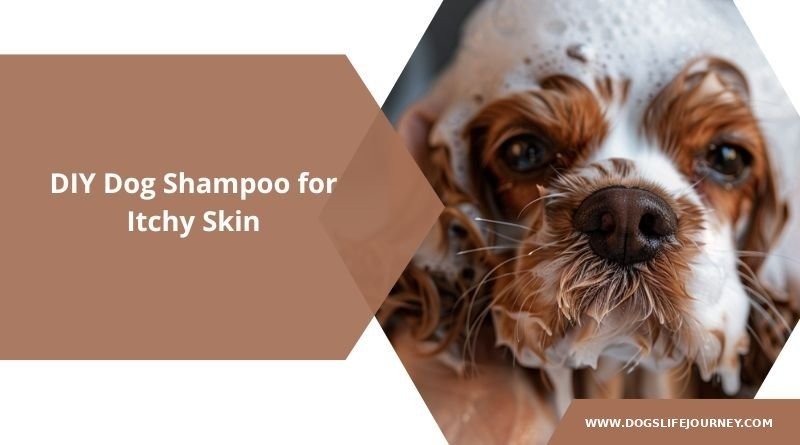
DIY Dog Shampoo for Itchy Skin
If your dog can’t stop scratching, I know how helpless that feels. I have watched my own dog thump his back leg against the floor for the third time in an hour, and every time I check his skin I find the same thing: dry patches, a little redness, sometimes flakes. This DIY dog shampoo for itchy skin is the simple answer I keep coming back to. It uses plain kitchen ingredients, takes about five minutes to mix, and it is gentle enough for a sensitive dog.
Why You’ll Love This DIY Dog Shampoo
- It calms the itch. Oatmeal and baking soda work together to soothe irritated skin instead of just masking the problem.
- Nothing harsh in it. No artificial fragrance, no sulfates, no mystery chemicals — just ingredients you already know.
- You can adjust it. Dry skin, flaky patches, or a yeasty smell each get their own little tweak below.
- It costs almost nothing. Oats, baking soda, and warm water are probably in your kitchen right now.
- Safe for regular baths. This is a shampoo you can use through allergy season without worrying about stripping your dog’s coat.
I keep a batch in the fridge during the dry months, and it has saved us more than one miserable, scratchy evening.
Want a Better-Trained, Happier Dog?
Get practical guidance for obedience, behavior, and everyday dog training with a collection of helpful training guides designed for dog owners.
This post may contain affiliate links. If you purchase through our link, we may earn a commission at no additional cost to you.
The Key Ingredients and What They Actually Do
I don’t like guesswork when my dog is uncomfortable, so here is exactly what each ingredient does for itchy skin.
Oatmeal (Colloidal or Ground)
Oatmeal is the star here. It contains avenanthramides and beta-glucans, compounds that calm inflammation, ease redness, and help skin hold on to moisture. Ground into a fine powder and mixed with water, it forms a soft coating that comforts irritated skin. It is gentle enough for daily use and won’t damage your dog’s natural skin barrier.
Baking Soda
Baking soda sounds too simple, but it earns its place. It helps balance the skin’s pH, absorbs odors, and gives a very light exfoliation. It also helps neutralize whatever is irritating the skin after a roll in the grass or a dusty park visit. A little goes a long way — don’t be tempted to add extra.
Coconut Oil (Optional)
If your dog’s skin is flaky or crusty, coconut oil adds moisture and a bit of natural antimicrobial help. Its lauric acid works against the fungi, bacteria, and yeast that sometimes make itching worse. Melt it gently before mixing it in, and you can also rub a little onto dry patches after the bath.
Aloe Vera (Optional)
Pure aloe vera gel feels like a cool compress on hot, red skin. A few drops can make a real difference on inflamed spots. Use only pure gel with no added alcohol or fragrance.
Apple Cider Vinegar (as a Rinse)
Used diluted, apple cider vinegar helps bring the skin’s pH back to normal and can help keep yeast and bacteria in check. It is especially useful if your dog has a stubborn smell that keeps coming back. Always dilute it — 1 part vinegar to 3 parts water — and never use it on open wounds or raw skin.
What You’ll Need
You probably have most of this already. Here is the full list.
Ingredients:
- 1 cup plain, uncooked old-fashioned oats
- 1 cup baking soda
- 4 cups warm water
- 1–2 tablespoons coconut oil (optional)
- 1–2 teaspoons pure aloe vera gel (optional)
- Apple cider vinegar rinse, made separately (1 part vinegar to 3 parts water)
Tools:
- Blender, food processor, or coffee grinder (for the oats)
- Large mixing bowl
- Measuring cups and spoons
- Spoon or whisk
- Container or squeeze bottle for storage
That is the whole list. No preservatives, no labels you can’t pronounce — just clean, simple ingredients for your itchy pup.
How to Make the Shampoo (Step-by-Step)
This takes about five minutes from start to finish. No special skills needed.
Step 1: Grind the oats. Turn the plain oats into a fine, flour-like powder using a blender, food processor, or clean coffee grinder. The finer the powder, the more evenly it mixes and the smoother it feels on your dog’s skin. If you have colloidal oatmeal, you can skip this step.
Step 2: Mix the dry ingredients. Put the ground oatmeal and baking soda in a mixing bowl and stir gently until they are evenly combined.
Step 3: Add the warm water. Pour in 4 cups of warm (not hot) water a little at a time, stirring as you go so it doesn’t clump. The mixture will thicken slightly as the oatmeal absorbs the water — that is exactly what you want.
Step 4: Add the optional boosters. If your dog has extra-dry skin or red patches, stir in 1–2 tablespoons of slightly warmed coconut oil and 1–2 teaspoons of pure aloe vera gel. Mix until everything is fully combined. I skip essential oils entirely — the base recipe works beautifully without them, and there is no reason to risk it. If you ever consider adding one, ask your vet first, and never use tea tree oil, pennyroyal, eucalyptus, or citrus oils — they can be toxic to dogs.
Step 5: Store it. Pour the shampoo into a container or squeeze bottle. It keeps in the fridge for up to a week — just warm it slightly before each use.
How to Use It On Your Dog
The shampoo is ready. Here is how I give a bath without turning it into a wrestling match.
Step 1: Prep your pup. Brush your dog first to remove loose hair and dirt, so the shampoo can reach the skin. Then wet the coat thoroughly with warm water — cozy bath temperature, never hot.
Step 2: Apply the shampoo. Pour a generous amount into your hands or straight onto the coat and massage it in with slow, circular motions. Spend extra time on dry, flaky, or irritated areas, and don’t forget the armpits, belly, and tail base — those spots itch the most and get missed the most.
Step 3: Let it sit. Leave the shampoo on for 3–5 minutes so the oatmeal and baking soda can do their work, especially over hot spots or scaly patches. A calm voice and a treat or two make the wait much easier.
Step 4: Rinse thoroughly. Rinse with clean, warm water until it runs completely clear. Leftover shampoo residue is one of the most common causes of itching after a bath, so rinse longer than you think you need to.
Step 5: Optional apple cider vinegar rinse. If your dog is prone to yeast or odor, mix 1 part apple cider vinegar with 3 parts warm water and pour it gently over the body, avoiding the eyes and any open wounds. Let it sit for 30 seconds, then rinse again with water.
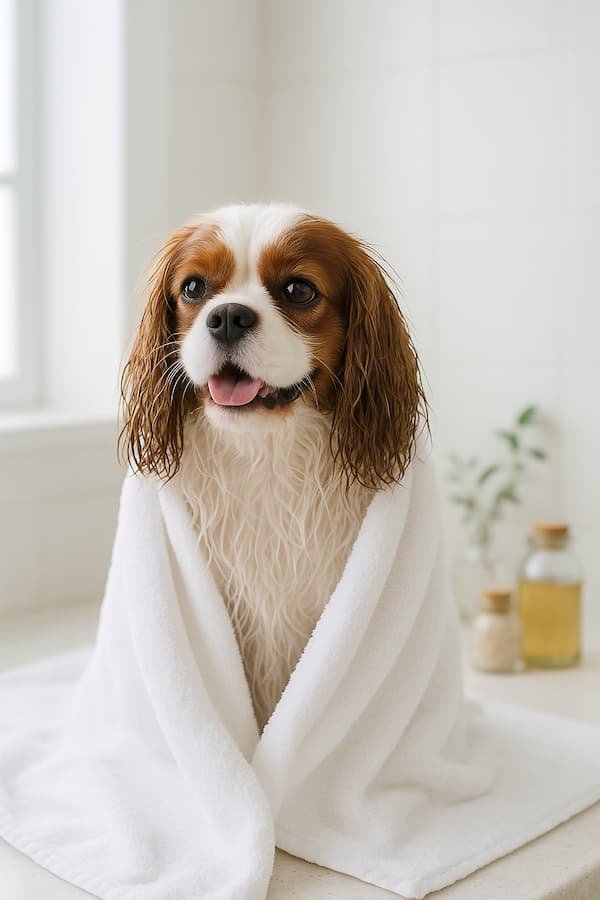
Step 6: Dry and relax. Towel dry gently. A low-heat blow dryer is fine if your dog tolerates it, but never use high heat. Once dry, you can rub a little coconut oil into problem spots as a leave-in moisturizer.
Optional Add-Ons and When to Use Them
The base recipe is already soothing, but these extras help with specific skin problems. Remember: less is more, and always patch test first on sensitive skin.
1. Apple cider vinegar rinse. Helpful when your dog has that musty yeast smell or keeps licking their paws. Mix 1 part raw, unfiltered apple cider vinegar with 3 parts warm water, pour gently over your dog after shampooing (avoiding eyes and broken skin), wait about 30 seconds, and rinse again. Use it at most once a week — more often can dry the skin out.
2. Coconut oil as a post-bath moisturizer. If the skin still looks dry or flaky after the bath, rub a small amount of melted coconut oil directly onto the dry spots once your dog is fully dry. It is naturally antibacterial, antifungal, and deeply hydrating. Your dog may look a little greasy for a while, and it is safe if they lick it.
3. Essential oils — my honest take. I leave them out. The source recipe mentions lavender, chamomile, and copaiba as dog-safe options at 1–2 drops per batch, but the base shampoo works without them, and the risk is not worth it to me. What I will say firmly: never use tea tree oil, pennyroyal, eucalyptus, or citrus oils on your dog — they can be harmful or toxic, especially undiluted or in high concentrations. If in doubt, leave it out or ask your vet.
Common Mistakes to Avoid
Using human shampoo, even baby shampoo. Human shampoos are made for human skin pH, not a dog’s. Even the gentle or “natural” ones can damage your dog’s skin barrier and make itching worse.
Not rinsing enough. Leftover shampoo is one of the top reasons dogs itch more after a bath. Always rinse longer than you think is necessary. When in doubt, rinse again.
Using unsafe essential oils. Tea tree, eucalyptus, and citrus oils can be harmful or even toxic to dogs. When in doubt, leave them out entirely or check with your vet first.
Bathing too often. Overbathing strips your dog’s natural oils and can cause more itching, not less. Once every 2–4 weeks is usually enough unless your vet says otherwise.
Ignoring symptoms that won’t quit. If your dog’s skin is cracked, bleeding, or scabby, or the itching is constant and severe, shampoo alone won’t fix it. That is a vet visit, not a bath problem.
When to Call the Vet
Homemade remedies are wonderful for occasional dryness and mild itching, but sometimes the scratching means something deeper is going on. Stop the DIY route and call your vet if you see any of these:
- Scratching that doesn’t stop, even after the shampoo and coconut oil treatments
- Open sores, scabs, or raw spots that aren’t healing
- Constant paw licking, leg chewing, or face rubbing
- A strong odor coming from the skin, which can mean a yeast or bacterial infection
- Hair loss or patchy fur, especially with red, flaky skin
Trying natural remedies first is fine — but asking a professional for help is not failing your dog. It is protecting them.
Final Thoughts: Your Dog Deserves Relief
When your dog’s scratching keeps you both up at night, it stops being just a skin issue. It affects your dog’s whole quality of life. The good news is that you don’t need a shelf full of expensive, chemical-filled products to start helping. This DIY dog shampoo is a small, simple step with a big payoff: gentle, adjustable, and made with love. Even if it doesn’t solve everything, it gives your dog real relief and buys you both some comfort while you figure out the next step. So go ahead — mix up a batch, grab a towel, and give your dog a bath that is as kind as your love for them.
Frequently Asked Questions
How often can I use this DIY dog shampoo?
Once every 2–4 weeks is right for most dogs. Bathing more often can strip your dog’s natural oils and make itching worse, so stick to that rhythm unless your vet advises otherwise.
How long does the shampoo keep?
Store it in a sealed container or squeeze bottle in the fridge for up to a week. Warm it slightly before use — never use it straight from the fridge on your dog.
Can I skip the coconut oil and aloe vera?
Yes. They are optional boosters for extra-dry or irritated skin. The core recipe — oats, baking soda, and warm water — works on its own.
Is the apple cider vinegar rinse safe?
Yes, as long as you dilute it (1 part vinegar to 3 parts water), keep it away from eyes and open wounds, and use it at most once a week. Never apply undiluted vinegar to your dog’s skin.
Can I use this shampoo on a puppy?
The ingredients are gentle, but puppies have very sensitive skin. Ask your vet before using any homemade shampoo on a puppy under 12 weeks old.
What if my dog keeps scratching after the bath?
First, make sure you rinsed thoroughly — residue is the most common culprit. If the itching continues, or you see sores, hair loss, or a strong odor, see your vet to rule out allergies, infections, or parasites.
Recipe inspired by I-Love-Cavaliers.com.