
Important Dog Nutrition Tips for First-Time Pup Owners
Getting a dog is one of the most exciting things you can do. They bring endless joy, unconditional love, and way too many funny moments you’ll want to share with everyone. But right after you bring your new furry friend home, one of the first questions that hits you is: what do I feed them?
Dog food options these days are everywhere—kibble, raw diets, grain-free formulas, chicken, salmon, or “limited ingredient” foods. You might feel like your dog needs a personal chef just to eat dinner. Trust me, you’re not alone in feeling overwhelmed. Feeding your dog doesn’t need to be a mystery, and it definitely doesn’t have to feel stressful. With the right knowledge, you can ensure your pup eats well, stays healthy, and doesn’t end up begging for scraps every night.
Not All Dog Food Is Created Equal
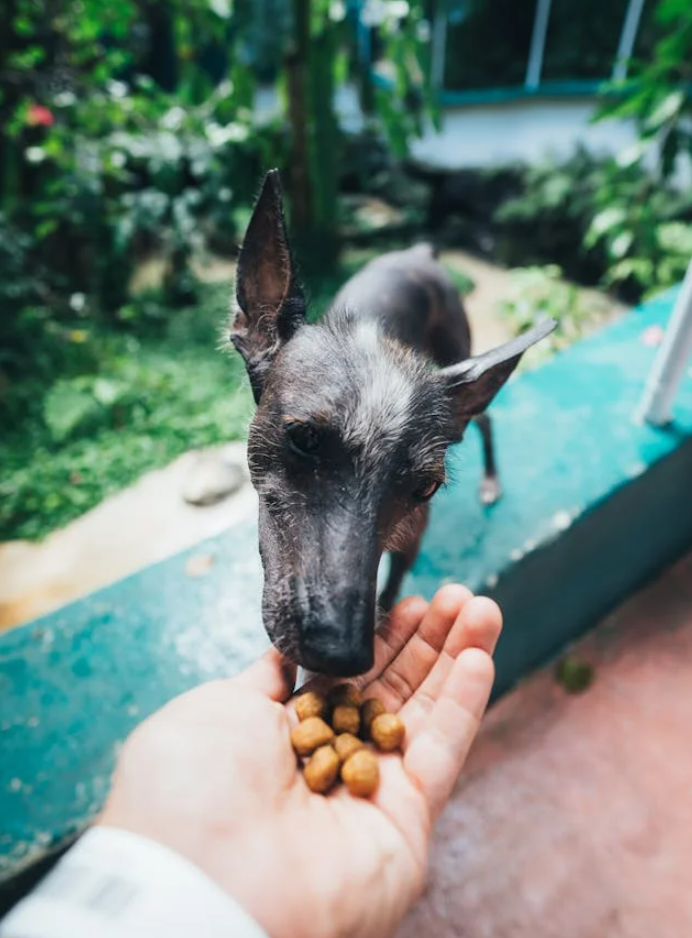
When you walk down the pet food aisle, everything can look the same: brown pellets, weird meaty smells, and flashy packaging. But here’s the truth: ingredients matter far more than the fancy bag or brand name. What your dog actually eats makes the biggest difference to their health, energy, and even mood.
Look for Real, Whole Ingredients
The first thing to check is the first ingredient on the label. Ideally, it should be real meat like chicken, beef, or salmon—something you’d actually eat yourself. Avoid anything labeled as “meat by-product,” which is basically leftovers from processing.
Whole Grains or Grain-Free?
Unless your vet specifically recommends a grain-free diet, stick to foods with whole grains like brown rice or oatmeal. These provide energy and fiber for digestion.
Skip the Artificial Junk
Artificial colors, preservatives, and chemicals don’t do any favors for your pup. Words like corn gluten meal, BHA/BHT, rendered fat, and “animal digest” are red flags. Choosing food without these ensures your dog gets nutrients, not mystery fillers.
Bonus Tip
Check the label for AAFCO approval. This little stamp means the food meets basic nutritional standards for dogs—nothing fancy, but it’s an important checkmark for their wellbeing.
Puppy, Adult, Senior – Feed the Right Life Stage
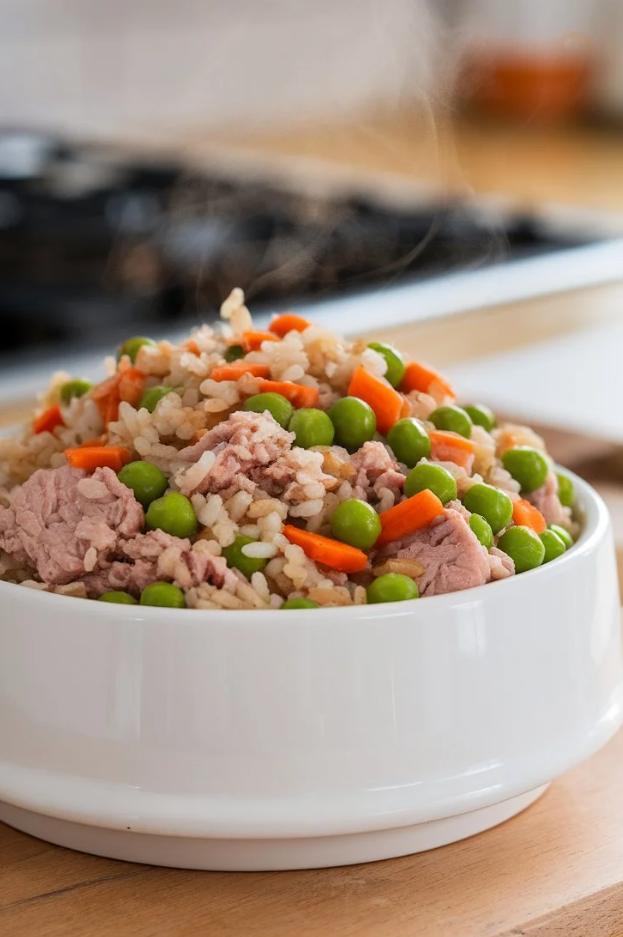
Dogs aren’t just small humans—they go through life stages, and each stage has different nutritional needs. Feeding the wrong type of food can lead to weight problems, low energy, or even health complications.
Puppies
Puppies are tiny energy machines. They need extra calories, protein, and fat to grow strong, stay playful, and survive the endless zoomies. Puppy food is specially formulated to support their rapid development.
Adults
Adult dogs require a balanced diet to maintain healthy weight, energy, and muscle tone. Feeding them adult food ensures they get all the nutrients they need without overloading them with extra calories.
Seniors
Senior dogs need fewer calories, joint support, and ingredients that are easier to digest. Switching to senior food helps prevent obesity and keeps their joints and organs healthy as they age.
Remember: Feeding puppy food to an adult dog can make them gain weight, and feeding adult food to a puppy can leave them undernourished. Matching the diet to life stage is critical.
Don’t Overfeed. Seriously.
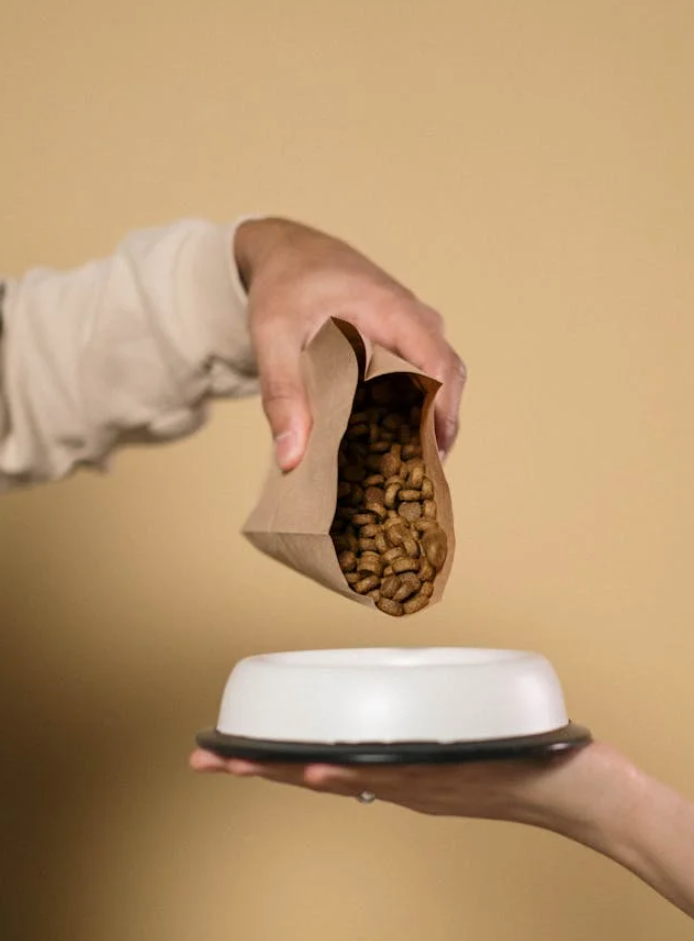
Dogs are pros at making you think they’re starving all the time. Those big, pleading eyes? That exaggerated whining at the bowl? They’re just being dramatic. But giving in can have consequences.
Overfeeding leads to weight gain, which increases the risk of joint problems, diabetes, heart issues, and expensive vet bills.
How to Keep Portions in Check
Follow the feeding guide on the food bag. It’s based on weight and activity level, not random guessing. Adjust based on your dog’s lifestyle. A couch potato doesn’t need the same calories as a dog who goes on two daily hikes. Limit treats to about 10% of their daily calories. Even healthy snacks can add up. Ignore the sad puppy eyes. Consistency is more important than giving in to guilt.
Treats Are Fun… But Shouldn’t Be Junk Food
Treats are a wonderful way to reward your dog or train them. But not all treats are created equal. Feeding them sugary, artificial snacks is like giving a child candy for every meal—fun in the moment but unhealthy in the long run.
Healthy Treat Options
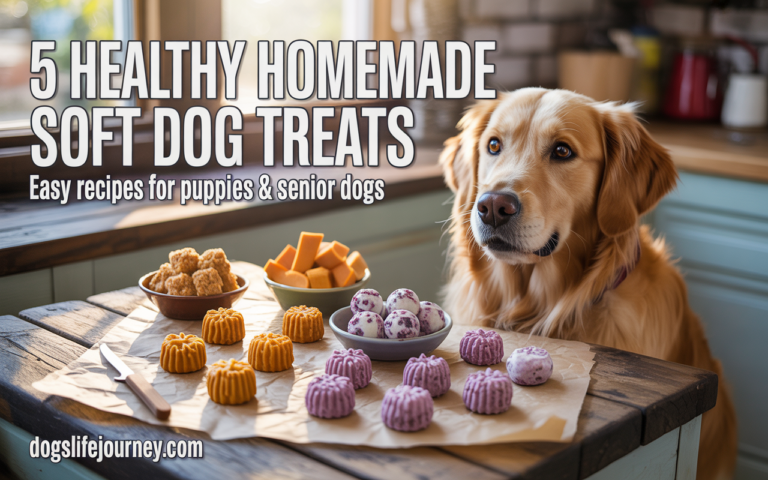
Single-ingredient treats like freeze-dried liver or plain dehydrated chicken. Low-calorie biscuits for training sessions. Natural chews such as sweet potato or bully sticks, but moderation is key.
Avoid
Anything with sugar, corn syrup, or unrecognizable ingredients. If it looks like it belongs in a gas station candy aisle, it probably doesn’t belong in your dog’s bowl.
People Food: What’s Safe and What’s “Oh No Please Don’t”
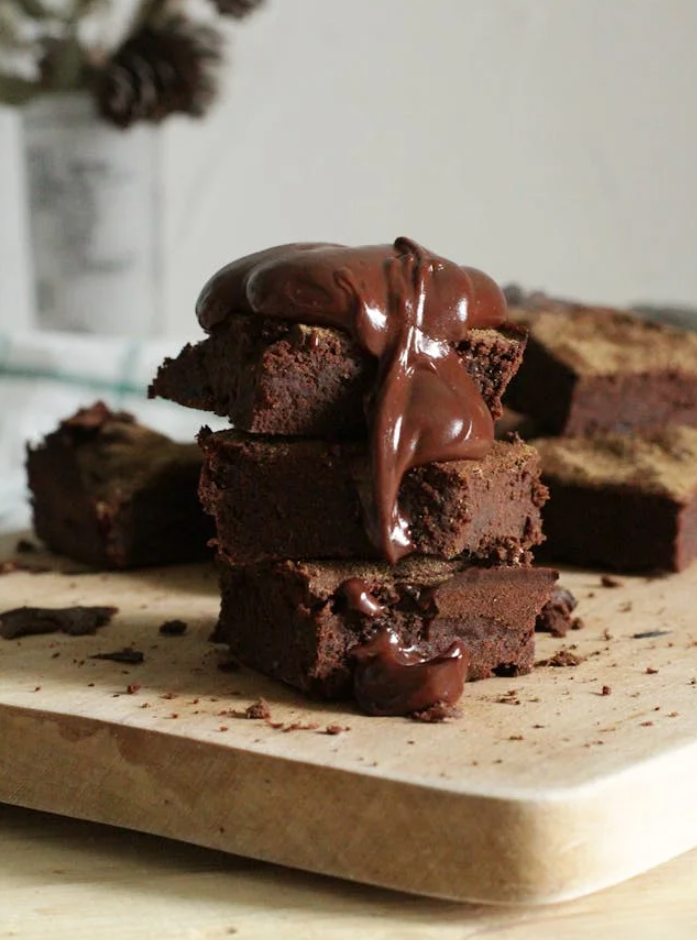
It’s tempting to share your dinner with your dog, but not all human foods are safe. Knowing what’s okay and what’s dangerous can prevent serious health issues.
Safe Snacks
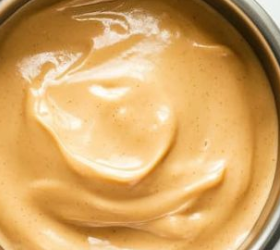
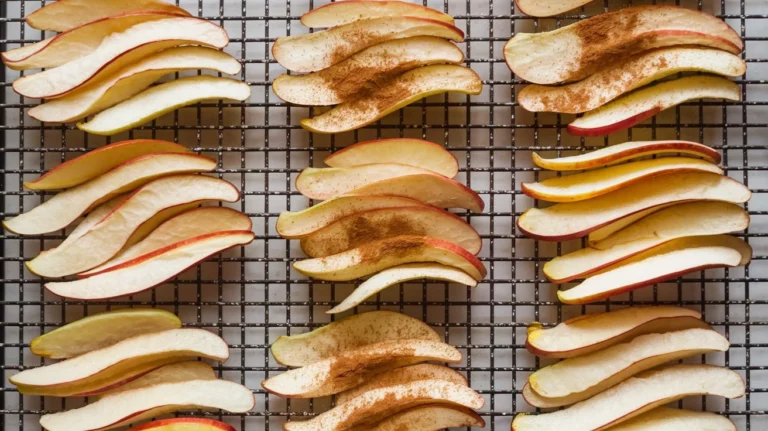
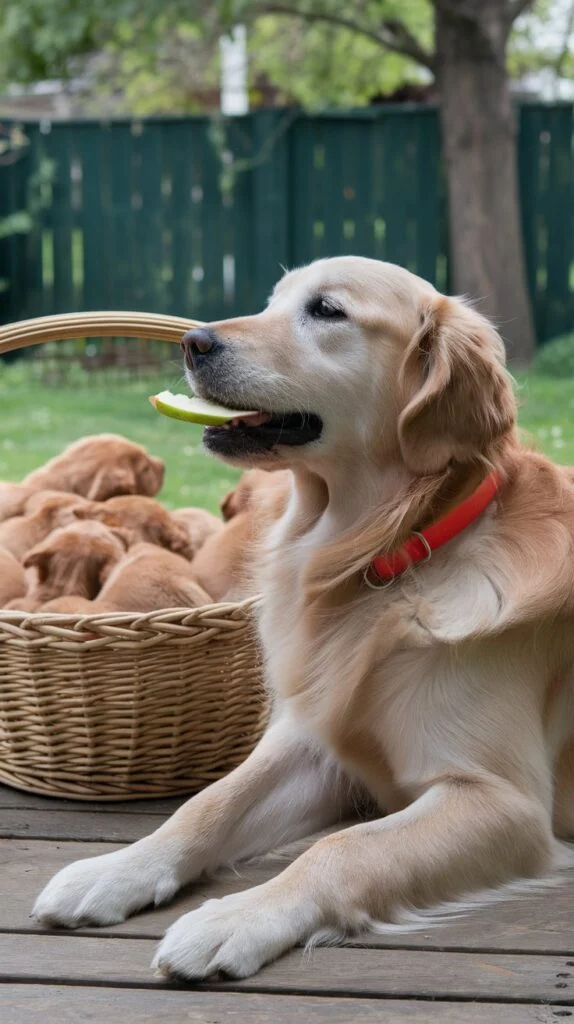
Carrots, apples (without seeds), plain rice, cooked chicken, and peanut butter (xylitol-free only) are all safe options.
Dangerous Foods
Chocolate (even small amounts can be deadly), grapes and raisins, onions and garlic (fresh or powdered), alcohol, and cooked bones can be harmful.
Rule of thumb: If you’re not 100% sure a food is safe, don’t risk it. Your dog will survive without your spicy burrito anyway.
Hydration Isn’t Optional
Water is essential, but it’s often overlooked. Dogs need fresh water available 24/7. This is especially important for dogs eating dry food, puppies or very active dogs, and older dogs or dogs in warm climates.
Tips to Encourage Drinking
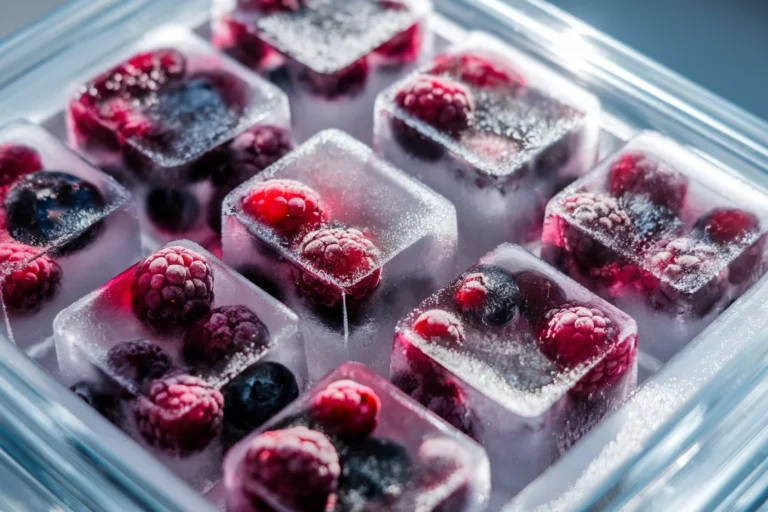
If your dog isn’t drinking enough, try adding a small splash of low-sodium bone broth to their water. It makes hydration more appealing and encourages them to sip more frequently.
Raw, Home-Cooked, or Kibble? The Great Debate
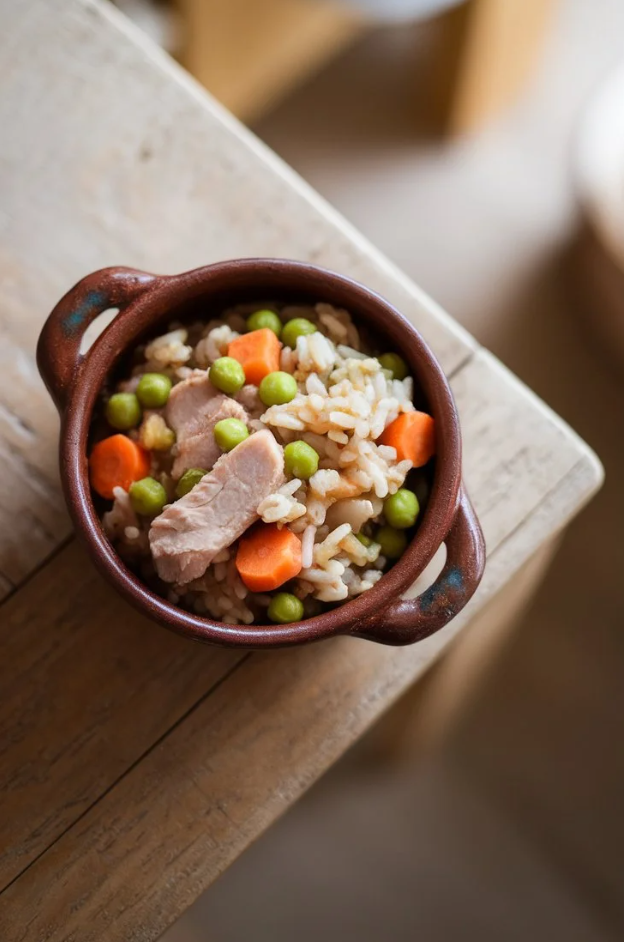
There’s no universal answer to what type of food is “best.” Each option has pros and cons, and the right choice depends on your dog’s needs and your lifestyle.
Kibble
Convenient, easy to store, and nutritionally balanced if you choose a high-quality brand.
Raw Diet
Some owners swear by it for shiny coats and high energy, but it carries risks like bacterial contamination. Always consult your vet before starting a raw diet.
Home-Cooked Meals
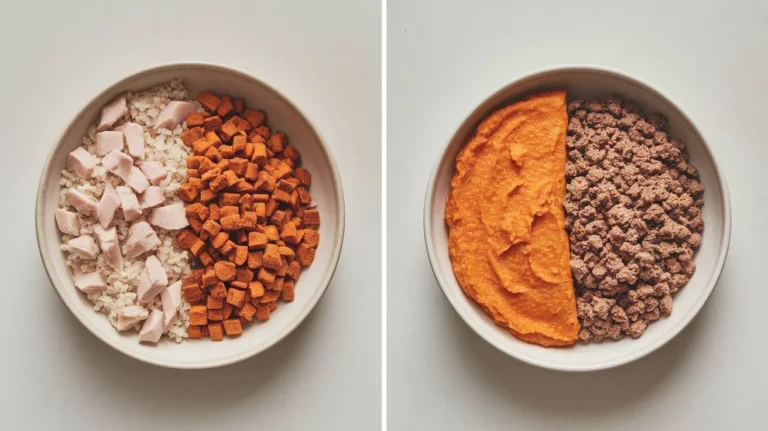
Great for picky eaters or dogs with allergies. But they require careful planning, supplements, and cooking know-how to ensure complete nutrition.
The best diet is one that fits your dog and your routine. Don’t feel guilty if you can’t prepare gourmet meals every night—they’ll thrive with a consistent, balanced diet.
Talk to Your Vet (Not Facebook)
Your vet is your most reliable source of guidance. While advice on social media can be tempting, it’s not tailored to your dog.
Check in with your vet if you notice sudden changes in appetite, unusual stools, rapid weight gain or loss, or allergies and chronic itching. For questions about switching foods, adding supplements, or addressing dietary concerns, your vet is always the right person to consult.
Conclusion of Important Dog Nutrition Tips
Feeding your dog doesn’t need to be stressful. Focus on real ingredients, balanced nutrition, and consistency. A happy, healthy dog doesn’t need perfection—they need care, attention, and love at every meal.
Keep it simple, make informed choices, and remember: your dog will love you no matter what’s in their bowl. But giving them the right food keeps them healthy, energetic, and around for many more years of tail wags and snuggles.