Can Dogs Eat Cauliflower?
If you’ve ever caught your dog staring intensely at your plate while you’re cooking vegetables, you’re not alone. Cauliflower is one of those foods that makes dog parents pause. It looks harmless, it’s healthy for humans, but the big question is always the same: is it actually safe for dogs?
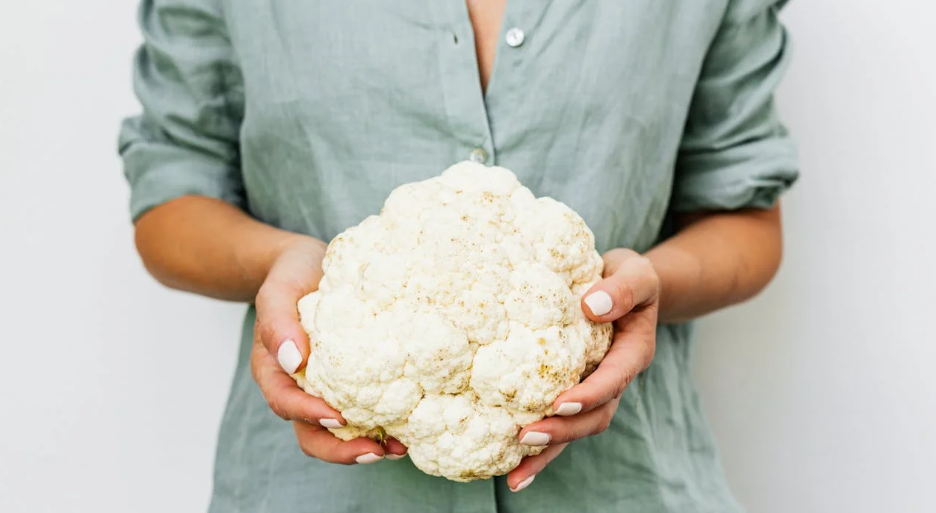
Yes—dogs can eat cauliflower. But it’s not a free-for-all snack, and how you serve it matters just as much as how much you give. From firsthand experience and careful observation, cauliflower can be a useful addition to a dog’s treat rotation when handled correctly.
Why Cauliflower Is Worth Considering for Dogs
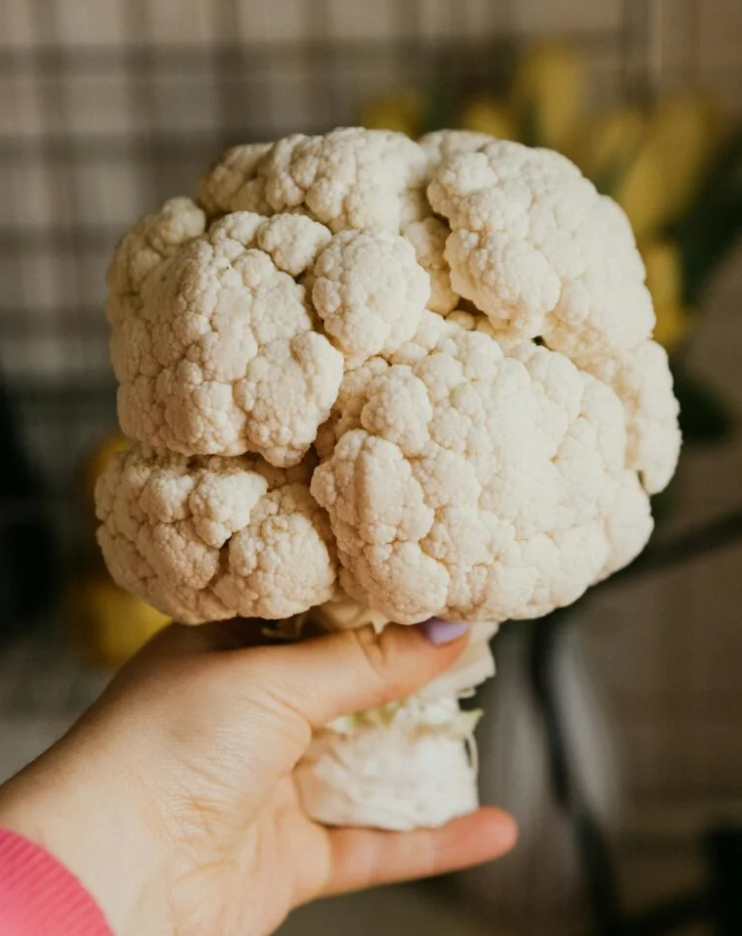
Cauliflower doesn’t get much attention in the dog world, but it quietly does its job well. It’s naturally low in calories, which makes it helpful for dogs that need to manage weight or simply shouldn’t be overindulging in rich treats. It also contains vitamins like C, K, and B-complex nutrients, along with antioxidants and fiber.
While dogs don’t need vegetables to survive, adding small amounts of cauliflower can support digestion, contribute to gut health, and give their immune system a gentle boost. Think of it as a supportive extra, not a replacement for a balanced dog diet.
The Real Benefits—and the Real Downsides

The Good Side of Feeding Cauliflower
When given in the right portions, cauliflower can help reduce inflammation, support heart health, and keep digestion moving smoothly. The fiber content helps regulate bowel movements, which many dog owners notice fairly quickly.
The Not-So-Good Side
Cauliflower is part of the cruciferous vegetable family, which means gas can become an issue. Too much too fast often leads to bloating, discomfort, and unpleasant smells that no one in the house appreciates. This doesn’t mean cauliflower is bad—it just means moderation is non-negotiable.
Why Gas Happens
Dogs process fiber differently than humans, and excessive fiber can overwhelm their digestive system. Even dogs with strong stomachs can struggle if portions aren’t controlled. This is why slow introduction and careful monitoring are essential.
How to Safely Serve Cauliflower to Your Dog
Cauliflower should never be tossed to your dog without preparation. Serving style plays a big role in how well your dog tolerates it.
Raw Cauliflower
Some dogs enjoy raw cauliflower, but it must always be chopped into small, bite-sized pieces. Large chunks can be a choking risk and are harder to digest.
Steamed or Boiled Cauliflower
Lightly cooked cauliflower is usually the easiest option. Soft texture makes chewing easier and reduces the chance of stomach upset. Cooking also helps break down fibers that can cause gas.
Roasted Cauliflower (Plain Only)
Roasting is fine as long as the cauliflower is completely plain. No oil, no salt, no garlic, and absolutely no onions. Seasonings that are safe for humans can be harmful to dogs.
Can Puppies Eat Cauliflower?
Puppies can eat cauliflower, but extra care is needed. Their digestive systems are still developing, which means they’re more sensitive to fiber. Start with very small amounts and treat cauliflower as an occasional bonus, not a regular snack.
Are Cauliflower Leaves and Stems Safe?
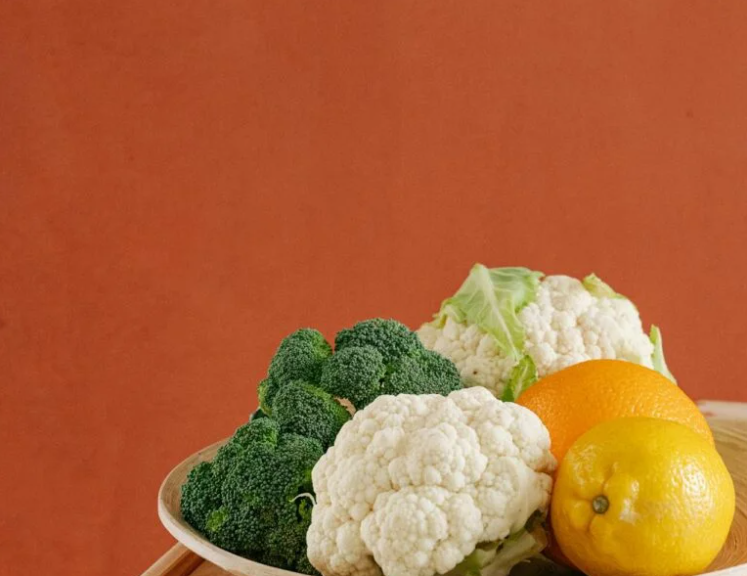
Yes, dogs can eat cauliflower leaves and stems. However, these parts are tougher and harder to digest. Cooking them thoroughly makes them much easier on your dog’s stomach. Portions should always stay small.
How Much Cauliflower Is Too Much?
A good rule to follow is the 10% rule. Cauliflower—and any treat—should never make up more than 10% of your dog’s daily food intake. The rest should always come from a nutritionally balanced dog food diet.
What You Should Watch for After Feeding Cauliflower
When offering cauliflower for the first time, pay close attention to your dog’s reaction. Signs that it may not be agreeing with them include excessive gas, bloating, loose stools, vomiting, or visible discomfort. If any of these appear, reduce the portion or remove cauliflower entirely.
Practical Tips from Real-World Experience
Introducing cauliflower slowly makes a noticeable difference. Starting with a single small piece allows you to see how your dog reacts without risking digestive upset. Mixing cauliflower with other dog-safe vegetables like carrots or green beans can also help balance fiber intake.
Frozen cauliflower can work well as an occasional cooling treat, especially during warm weather. Many dogs enjoy the texture, and it encourages slower chewing.
It’s also important to remember that not all human foods are safe for dogs. While cauliflower is fine, foods like chocolate, grapes, onions, and garlic should never be given.
Final Verdict of Can Dogs Eat Cauliflower
Cauliflower is safe for dogs when served properly and in moderation. It can be a healthy, low-calorie treat that supports digestion and adds variety without relying on processed snacks. Every dog is different, though. Some will love it, some will tolerate it, and others will politely walk away.
If your dog decides cauliflower isn’t their thing, that’s perfectly fine. Preferences vary, and forcing a “healthy” food never ends well. Start small, pay attention, and let your dog’s response guide you.