How to Brush Your Dog’s Teeth at Home (Including Without Brushing)
Just like humans, dogs are prone to plaque buildup, gum disease, and painful infections if their teeth are not cared for regularly. Learning how to brush a dog’s teeth at home is one of the most useful things I have added to my dog’s routine, because clean teeth mean fresher breath, healthier gums, and fewer expensive dental cleanings at the vet. The good news is that it takes only a few minutes, and if brushing is not an option, there is a simple gauze method that works well too.
Inspired by Sploot Vets
Overview of How to Clean a Dog’s Teeth
Want a Better-Trained, Happier Dog?
Get practical guidance for obedience, behavior, and everyday dog training with a collection of helpful training guides designed for dog owners.
This post may contain affiliate links. If you purchase through our link, we may earn a commission at no additional cost to you.
There are two vet-approved ways to clean a dog’s teeth at home: brushing with a dog toothbrush and enzymatic dog toothpaste, or wiping the teeth with gauze wrapped around your finger. Brushing is the most effective method, because it removes plaque before it hardens into tartar. Gauze is the next best option for dogs that will not tolerate a brush. Both methods work best when done regularly, and both are covered in detail below.
Is Brushing A Dog’s Teeth Necessary?
Yes, brushing a dog’s teeth is very necessary. Ideally, pet parents should brush their dog’s teeth daily. At the very least, aim for three times a week. Consistent brushing helps prevent tartar buildup, gingivitis, and other dental issues in dogs. Most dogs over the age of three already show some sign of dental disease, and once tartar hardens onto the teeth, only a professional cleaning under anesthesia can remove it. A few minutes of brushing a week is a small price to avoid that.
What Is the Most Effective Way to Clean a Dog’s Teeth?
The most effective way to clean a dog’s teeth is toothbrushing with an enzymatic dog toothpaste. This method removes plaque before it hardens into tartar. If brushing is not an option, the next best way to clean a dog’s teeth at home is by using gauze wrapped around your finger. Dental chews and water additives can help as extras, but they are not a replacement for brushing or wiping.
A. How to Brush a Dog’s Teeth
Getting a Dog-Friendly Toothbrush
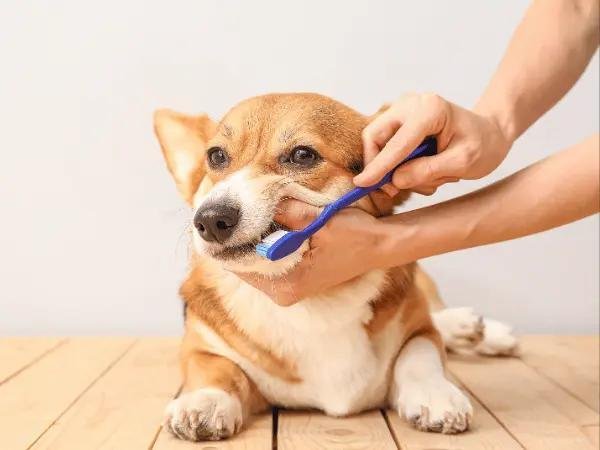
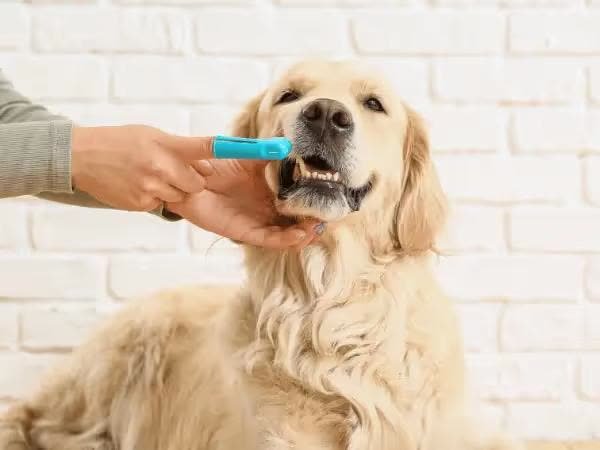
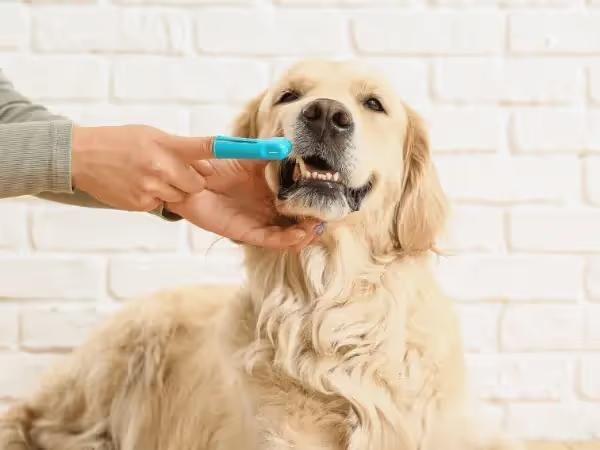
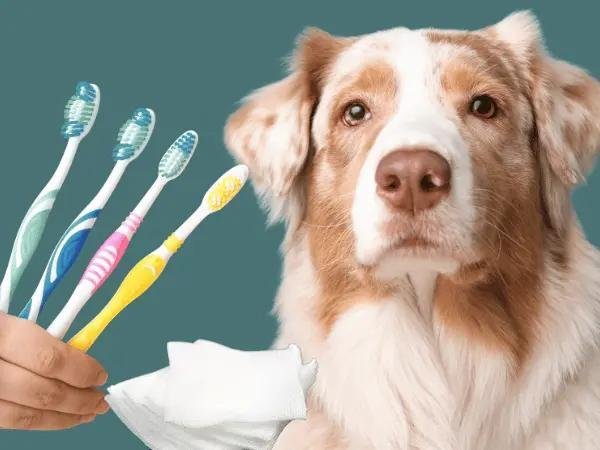
Use a toothbrush made for dogs. Finger brushes that slip over your fingertip are a good starting point for nervous dogs, while small-headed dog toothbrushes reach the back teeth better. For small dogs, a child’s soft toothbrush can also work. Choose a brush with soft bristles, since hard bristles can hurt the gums.
Choosing a Dog-Friendly Toothpaste
Use toothpaste made for dogs, never human toothpaste. Human toothpaste often contains xylitol and other ingredients that are toxic to dogs, and dogs cannot spit it out. Dog toothpaste comes in flavors like poultry and peanut butter, which makes most dogs far more willing to cooperate, and enzymatic formulas help break down plaque even with light brushing.
Steps on How to Brush a Dog’s Teeth
- Let your dog taste the toothpaste first. Put a dab on your finger and let them lick it, so they learn it is a treat.
- Start slowly. Lift the lip gently and brush just the outside of a few front teeth with small circular motions. Keep the first session under a minute.
- Work along the gum line. Angle the brush at 45 degrees to the gum line, where plaque collects. Brush the outer surfaces of all teeth, especially the back molars and the large canine teeth.
- Do not worry about the insides. The tongue naturally cleans the inner surfaces, so focus on the outsides.
- Keep it short and positive. Aim for about two minutes once your dog is used to it, and always end with praise or a small treat.
- Build up over a week. Add a few more teeth each day until you can do the whole mouth in one session.
B. How To Clean A Dog’s Teeth Without Brushing [Using Gauze]
If your dog will not accept a toothbrush, gauze is an excellent alternative. Wrap a small piece of clean gauze around your index finger, dampen it, and add a dab of enzymatic dog toothpaste. Lift the lip and rub the gauze along the outside of the teeth and the gum line using small circular motions. The texture of the gauze scrubs plaque away, and your finger gives you better control than a brush for a nervous dog. Replace the gauze as it gets dirty, and work through the mouth a section at a time. This method takes a little longer than brushing, but it is far better than skipping dental care altogether.
When Should A Dog’s Teeth Be Cleaned By a Vet?

Home care prevents problems, but it cannot fix them once they are established. See your vet for a professional dental cleaning if you notice heavy tartar buildup, red or bleeding gums, loose teeth, a broken tooth, persistent bad breath, pawing at the mouth, or difficulty eating. Your vet will also check your dog’s teeth during routine exams and can tell you when a professional cleaning is due. Dogs with advanced dental disease may need dental x-rays and extractions, which are done under anesthesia.
Final Thoughts on How to Clean or Brush a Dog’s Teeth
Dental care is one of those habits that pays off quietly for years. Brush daily if you can, at least three times a week if you cannot, and use gauze on the days brushing is not possible. Start slow, keep sessions short and positive, and always use products made for dogs. Your dog’s breath, gums, and wallet will all be better for it.
FAQ: Brushing Your Dog’s Teeth at Home
How often should I brush my dog’s teeth?
Daily is ideal, and at least three times a week is the minimum that makes a real difference to plaque and tartar.
Can I use human toothpaste on my dog?
No. Human toothpaste can contain xylitol, which is toxic to dogs, and dogs cannot spit it out. Always use toothpaste made for dogs.
What if my dog will not let me brush their teeth?
Start with gauze on your finger, keep sessions under a minute, and build up slowly with treats. Most dogs accept it within a week or two.
Do dental chews replace brushing?
No. Chews and water additives help, but they do not remove plaque as effectively as brushing or wiping with gauze.
At what age should I start brushing my puppy’s teeth?
Start as soon as you bring your puppy home, even if it is just a quick rub with gauze. Early handling makes lifelong dental care much easier.