7 Cat-Friendly Houseplants That Won’t Poison Your Pet
Bringing new plants into a home with a cat can feel like walking a tightrope. You want your space to feel alive and vibrant, but you also don’t want to end up rushing your furry friend to the vet because they nibbled on the wrong leaf. The good news is, you don’t have to choose between greenery and a happy, healthy cat. There are plenty of plants that are perfectly safe for your feline companion, and with a little guidance, you can make your home a lush paradise without worry. Let’s dive into seven houseplants that are not only beautiful but also completely non-toxic to your cat.
1. Areca Palm (Dypsis lutescens)
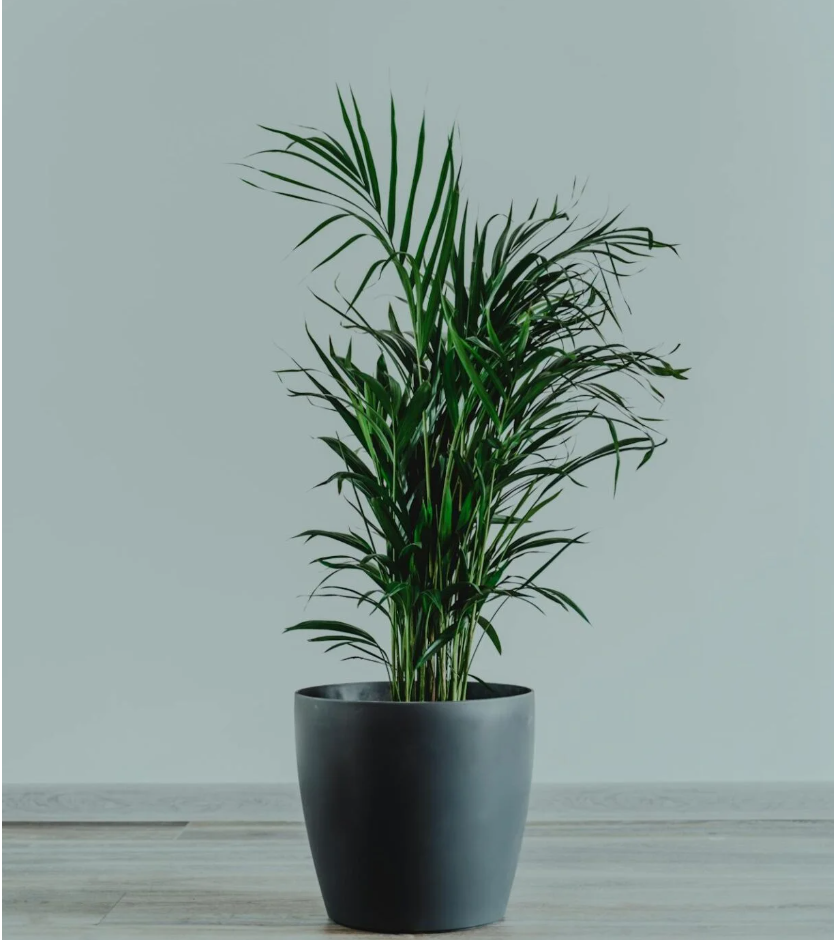
If you’re after a tropical vibe in your living room, the Areca Palm is a dream come true. It’s big, lush, and instantly adds that “vacation at home” feeling. The best part? It’s entirely safe for cats, so you don’t have to worry if your cat decides to take a curious nibble.
Care Tips for Areca Palm
- Loves bright, indirect light, though it can handle a bit of shade.
- Keep the soil lightly moist. Overwatering can harm the plant, but slightly dry soil won’t hurt it.
- Thrives in warm, humid conditions, so keep it away from strong AC vents.
- Bonus: It naturally helps purify the air, making your home feel fresher, even when the litter box isn’t winning any awards.
2. Boston Fern (Nephrolepis exaltata)
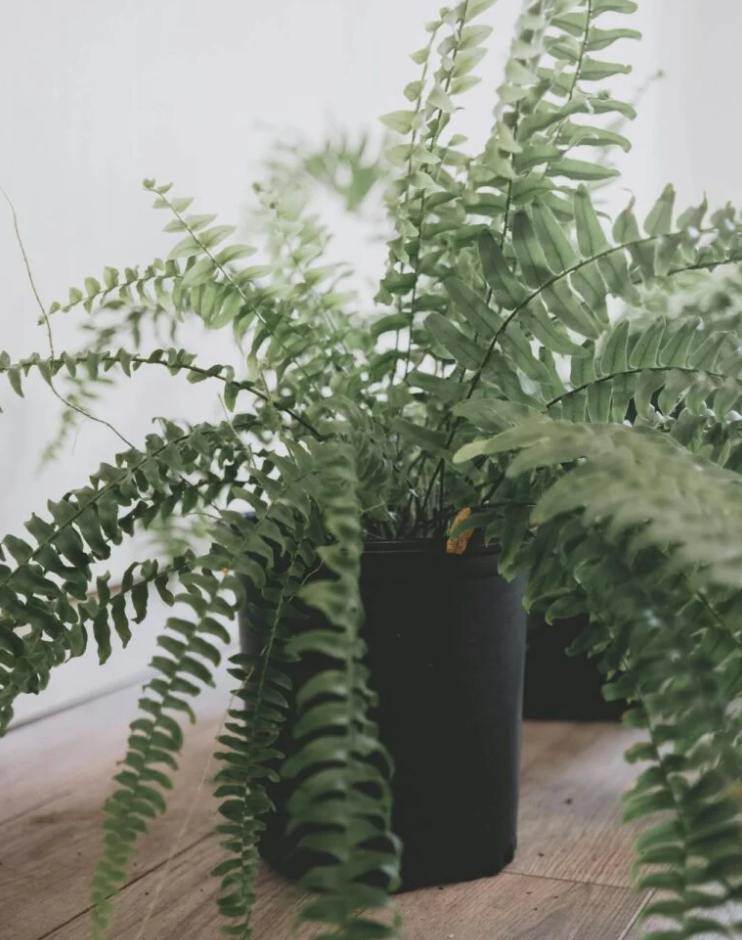
Boston Ferns are classic, elegant, and a bit dramatic—but in a way that works perfectly with cats. These plants love humidity, so bathrooms or kitchens with extra moisture are ideal spots. If your cat enjoys playing with dangling fronds, don’t worry—this fern is completely non-toxic.
Care Tips for Boston Fern
- Soil should stay moist, but avoid waterlogging.
- Indirect sunlight works best; too much sun can scorch the leaves.
- Consider a hanging basket if your cat tends to dig or knock things over.
Boston Ferns are a little more attention-demanding than some other plants, but their airy, feathery leaves make the extra care totally worth it.
3. Spider Plant (Chlorophytum comosum)
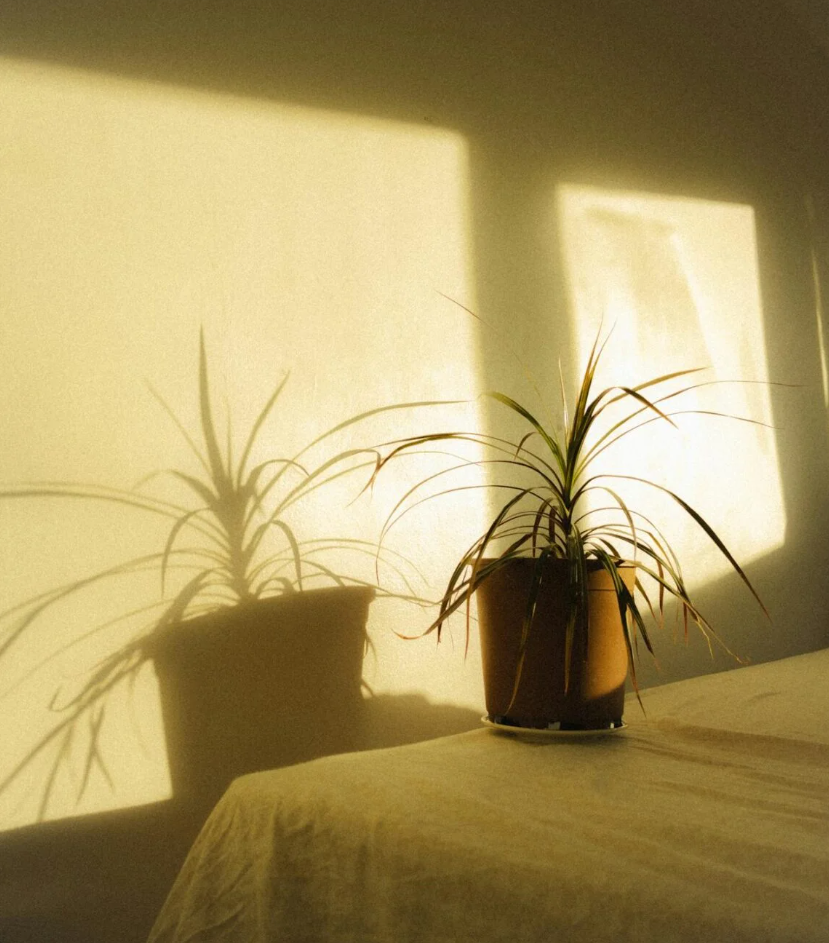
Spider Plants are practically indestructible, which makes them perfect for beginner plant parents—or households with curious cats. These plants produce little offshoots, often called “spiderettes,” which can be propagated easily. Cats tend to love batting at the long, arching leaves, so expect some playful interaction.
Care Tips for Spider Plant
- Tolerates low light but thrives in bright, indirect sunlight.
- Water moderately and let the top inch of soil dry out between waterings.
- Propagation is simple, which is handy because playful cats might shred a few leaves.
Spider Plants also help clean indoor air, removing toxins like formaldehyde and carbon monoxide, which is an added bonus for everyone in the home.
4. Calathea (Calathea spp.)
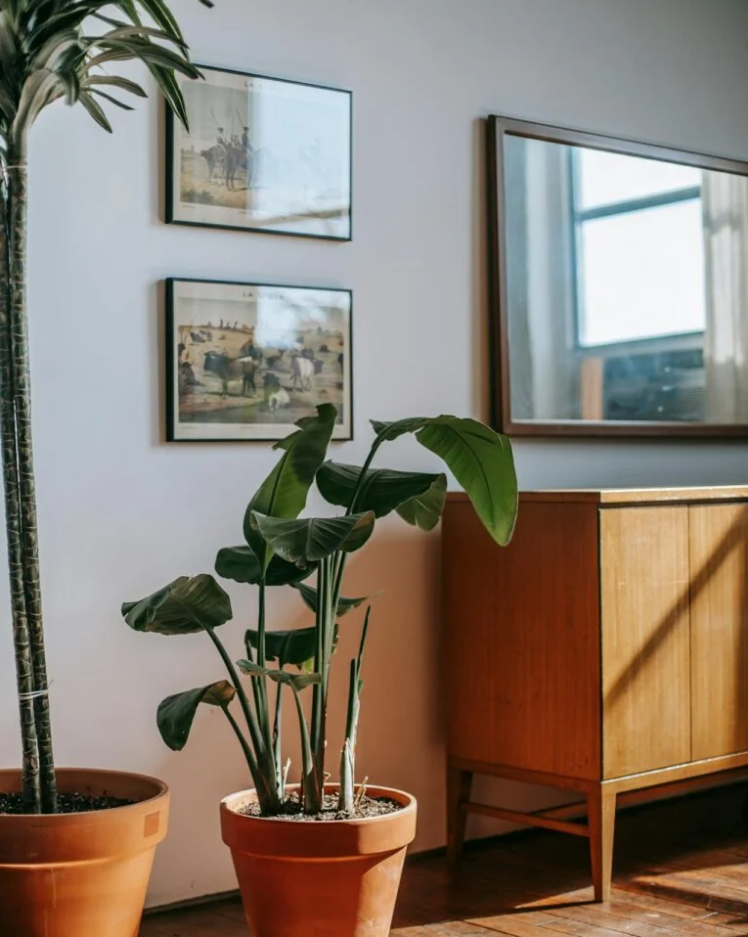
If you’re looking for a statement plant, Calatheas are stunning. Their patterned leaves and dramatic movements make them the supermodels of houseplants. While they are a bit high-maintenance, they are completely safe for cats, so you can enjoy their beauty without worry.
Care Tips for Calathea
- Prefers low to medium indirect light; direct sun can fade the leaf patterns.
- Keep soil consistently moist; don’t let it dry out completely.
- Loves humidity, so a pebble tray or a humidifier can help keep it thriving.
If the leaves start browning at the edges, it’s usually a sign the air is too dry. Adjust the humidity, and your Calathea will perk right up.
5. Parlor Palm (Chamaedorea elegans)
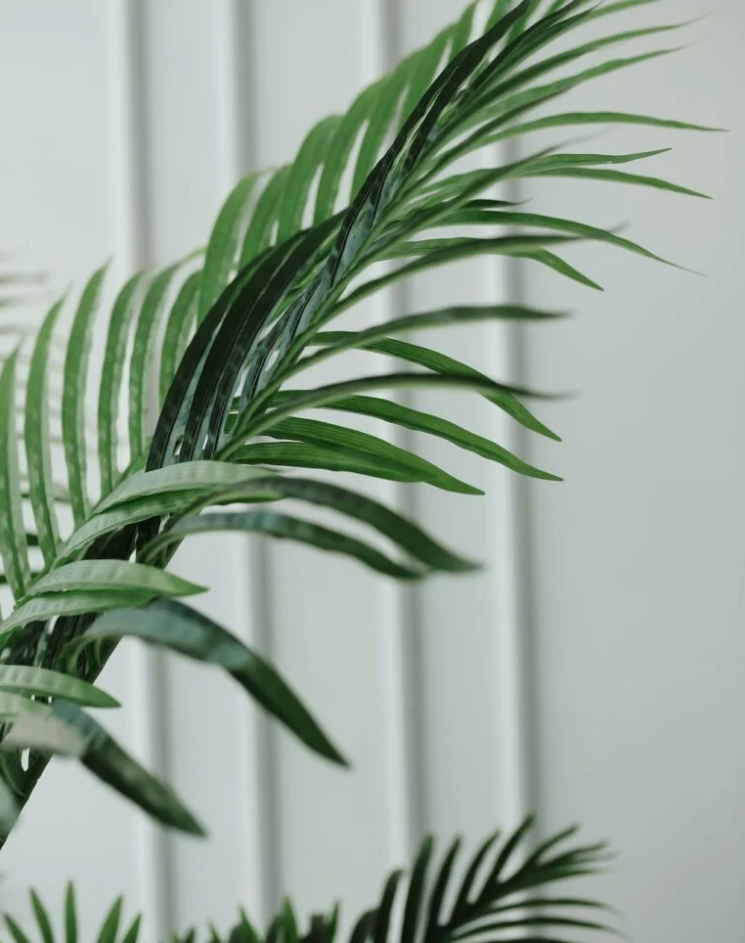
For a tropical feel without the fuss, the Parlor Palm is an ideal choice. It’s elegant, low-maintenance, and completely safe for cats. Its slow growth makes it perfect for those who want a green touch without constant trimming or attention.
Care Tips for Parlor Palm
- Thrives in low to moderate indirect light.
- Water when the top inch of soil is dry. Overwatering can harm it more than under-watering.
- Tolerates normal room humidity but appreciates slightly more moisture.
This palm is perfect for busy plant lovers who want the lush look without the hassle.
6. African Violet (Saintpaulia)
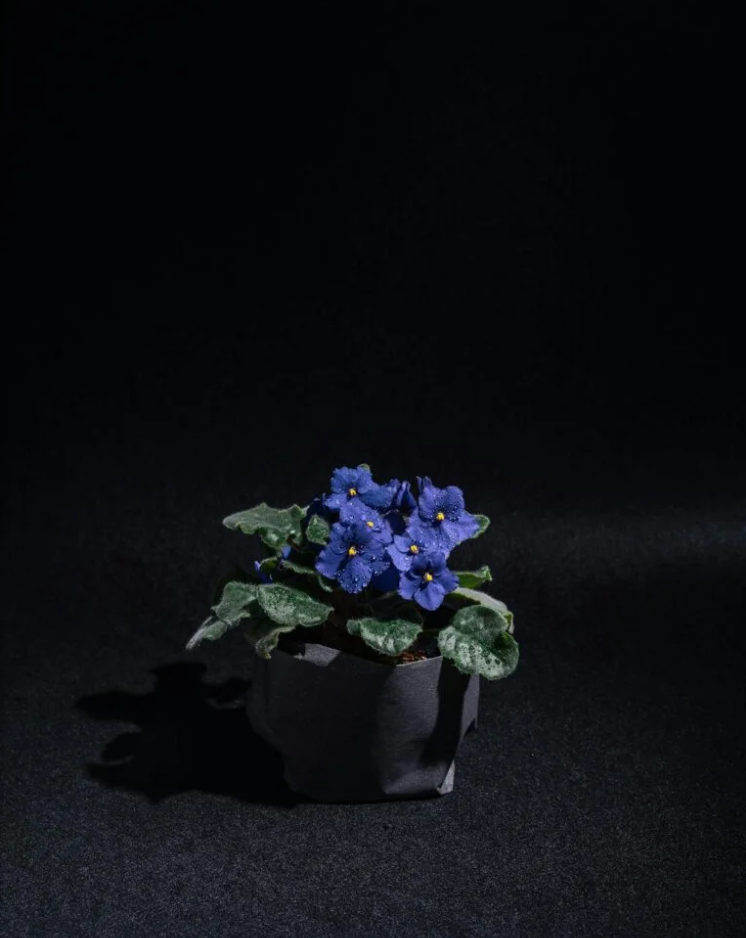
Not all cat-safe plants have to be green. African Violets are compact, colorful, and completely safe for cats. They bring a lovely pop of color to shelves, tables, or windowsills, and their blooms can last year-round if cared for properly.
Care Tips for African Violet
- Needs bright, indirect light but no direct sunlight.
- Water from the bottom to avoid damaging the delicate, fuzzy leaves.
- Keep soil consistently moist but not soggy.
These little flowers are a fantastic way to add beauty without risking your cat’s health.
7. Cast Iron Plant (Aspidistra elatior)
The Cast Iron Plant lives up to its name. It’s almost indestructible, making it ideal for homes with cats that like to push plants around or for plant parents who don’t have a ton of time. It’s extremely forgiving when it comes to light, water, and temperature changes.
Care Tips for Cast Iron Plant
- Can tolerate low light and occasional drought.
- Water sparingly; it’s better to underwater than overwater.
- Survives temperature fluctuations and low attention.
This plant is perfect for busy households or anyone who wants greenery without constant maintenance.
Conclusion of Cat-Friendly Houseplants
Cats and houseplants can absolutely coexist. With these seven options, you can create a vibrant, lush home without ever worrying about your furry friend getting sick. From tropical palms to colorful African Violets, each plant brings something unique to your space while keeping your cat safe.
These plants are resilient, beautiful, and forgiving, making them the ultimate combination of style and safety for any cat-friendly home. Your space can finally be green, lively, and safe for your feline companion.