7 Easy Hacks to Stop Your Puppy from Nipping (Without Losing Your Mind)
Bringing a puppy into your home is exciting. You probably imagined endless cuddles, adorable selfies, and a loyal little friend who would follow you everywhere. But reality? Well, it can be a little different. Suddenly, you have a tiny furball with teeth sharper than you expected, chomping on your fingers like they’re chew toys, and you start wondering if you signed up for a human pincushion instead of a puppy. It’s frustrating, maybe a little painful, and definitely more challenging than the Instagram-worthy puppy moments you pictured. But don’t panic. You’re not alone, and there are ways to guide your puppy through this phase without losing your sanity or your skin.
Why Do Puppies Nip Anyway? (Hint: It’s Not Because They Hate You)
Nipping is one of those things that every puppy does, and it’s completely normal. Puppies explore the world with their mouths. They bite, chew, and nip because that’s how they learn. Think about it: in the wild, puppies play with their littermates constantly, using their mouths to test limits, understand boundaries, and communicate. When you adopt a puppy, congratulations! You’ve officially become their new playmate and “sibling.” So when those sharp little teeth come at you, it’s not a personal attack. It’s their way of figuring out the world and interacting with you. They just need a little guidance to understand what’s okay and what isn’t.
1. The Yelping Trick: Speak Their Language (Kind Of)
One of the most effective ways to curb nipping is something called the yelping trick. Puppies naturally respond to high-pitched sounds because it’s how their siblings would react if they bit too hard. So the next time your puppy’s teeth sink into your hand a little too eagerly, give a sharp “Ow!” or “Yipe!” It grabs their attention and communicates, in their language, that they went too far. Most puppies will pause, look at you, and start to understand the connection between biting and the end of fun. If they don’t stop immediately, walk away for a few seconds. Puppies absolutely hate being ignored. Repeat this process consistently, and within a few tries, your puppy begins to associate biting with losing playtime. The key here is consistency and patience. If you keep it up, your little nipper will start respecting your hands without you even realizing it.
2. Redirect That Energy: Toys to the Rescue
Puppies have an instinct to chew. It soothes their teething pain and helps them explore their environment. Instead of constantly saying “No! Don’t bite!” which can get exhausting, keep a few chew toys on hand at all times. When your puppy starts mouthing your fingers, gently redirect them to a toy. Durable chew toys work best because they survive those tiny but fierce teeth, and frozen treats are an excellent option for sore gums. Every time your puppy grabs the toy instead of your hand, give lots of praise. Treat it like they just accomplished a major victory. This positive reinforcement makes them feel good about making the right choice, and gradually, they learn that toys are for chewing while your hands are off-limits.
3. Teach the “Gentle” Command: Set Some Boundaries
Teaching your puppy to be gentle is all about showing them that hands are not toys. Hold a treat in your hand and wait for your puppy to sniff or lick it without biting. As they do this, calmly say “Gentle.” Repeat this often. With enough repetition, your puppy will learn that soft touches are rewarded, while biting is not. It takes time, patience, and a little practice, but it’s incredibly effective. Eventually, your puppy will respond to your hands with gentleness, which makes interaction safer and more enjoyable for both of you.
4. Exercise, Exercise, Exercise: Burn Off That Puppy Energy!
Many times, nipping happens because your puppy has a surplus of energy. Puppies get zoomies, bursts of energy, or simply need mental stimulation, and if they don’t get enough, your fingers often become the target. Regular exercise—both physical and mental—is critical. Take your puppy on short walks, play fetch, or engage them with interactive toys. Tug-of-war with a chew-safe toy can also help channel their energy in a controlled way. A tired puppy is less likely to nip, more likely to settle, and will learn to play without turning your hands into chew toys.
5. Use a Time-Out: Sometimes, Ignoring Works Wonders
If your puppy continues nipping despite all your efforts, a brief time-out can be very effective. Puppies dislike being ignored. If they bite too hard, say “Ow!” and immediately turn away. No talking, no eye contact, just a short break from interaction. Walk away for 10–20 seconds. Puppies quickly associate biting with the unpleasant consequence of losing your attention. It’s not mean—it’s teaching them that biting ends playtime, which is exactly the result you want. Over time, they learn that gentle play is the way to keep you engaged.
6. Chewable Deterrents: Make Nipping…Not So Fun
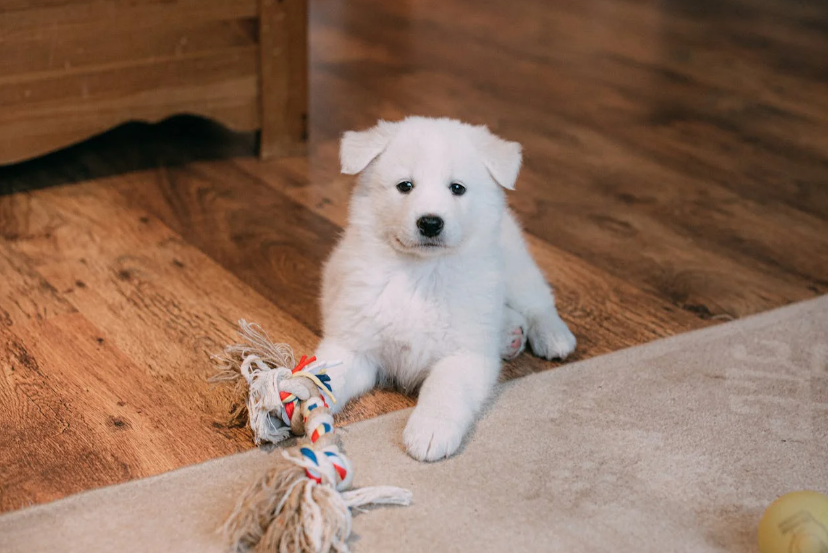
If the other strategies aren’t working as well as you’d like, there are safe deterrents you can use. Bitter-tasting sprays, designed for dogs, can be applied lightly to hands or areas your puppy tends to bite. After a few unpleasant nibbles, most puppies realize that biting isn’t fun and begin to stop. Always test on a small area first to ensure your puppy doesn’t have a reaction, and don’t overuse it—this is really a last resort. Usually, with the yelping, redirection, and gentle training methods, your puppy will learn to curb their nipping before you even need this step.
7. Be Patient: Rome Wasn’t Built in a Day…And Neither Are Good Habits
Patience is essential. Puppies need time, consistency, and repetition to understand what is expected of them. Some puppies learn the rules in a few weeks, while others may take months. Frustration is normal, especially when your hands feel like they’ve gone through a battle, but remember, this phase is temporary. With persistence, you’re teaching your puppy lifelong boundaries that will make them a polite and safe companion.
Conclusion of Hacks to Stop Your Puppy from Nipping
Nipping is a completely normal part of puppy behavior. It can be frustrating, sometimes painful, and often surprising to new owners. But with techniques like the yelping trick, redirection with toys, gentle training, exercise, time-outs, and occasional safe deterrents, your puppy can learn to interact without biting. Consistency, patience, and guidance are key. Soon enough, your little furball will grow out of this phase, leaving you with a playful, affectionate puppy who respects your hands and loves spending time with you—exactly what you signed up for.