8 Must-Know Tips for Owners of Large Dogs
Owning a large dog is an adventure unlike any other. Maybe you’ve got a gentle Great Dane who thinks it can curl up in your lap, a playful Labrador who loves to eat everything in sight, or a sharp German Shepherd who seems to outsmart everyone in the house. Whatever the breed, life with a big dog is different from life with a smaller pup. They’re not just pets—they become a central part of your daily routine, your home, and your lifestyle. And trust me, if you’re not prepared, things can get messy, fast. But once you understand what a large dog truly needs, life becomes smoother, funnier, and far more rewarding.
1. Invest in the Right Gear (Because Your Dog is Basically a Small Horse)
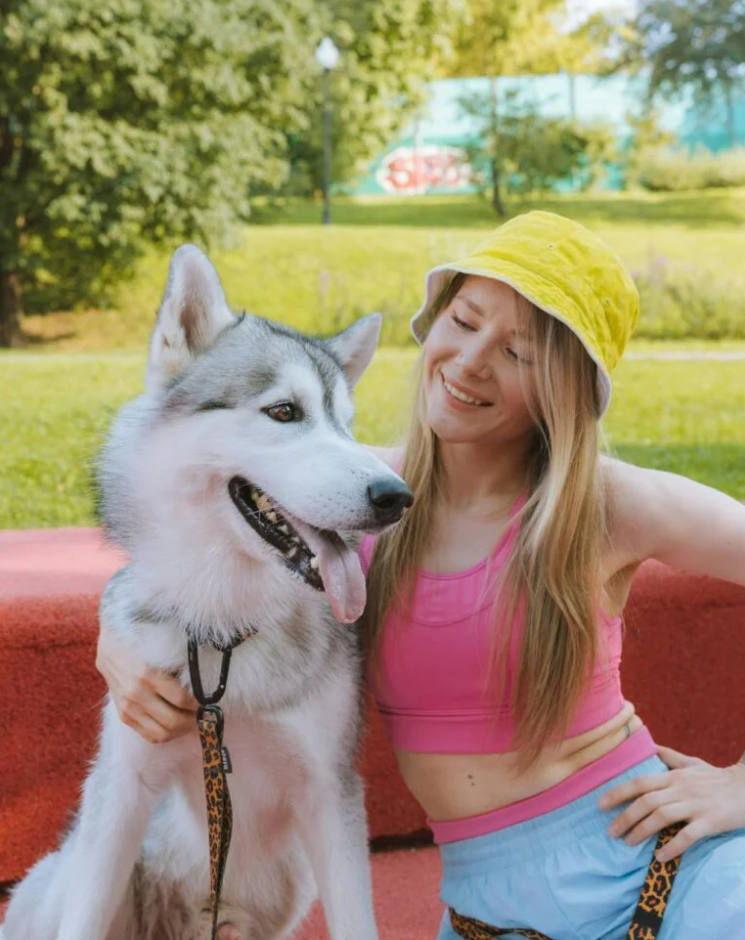
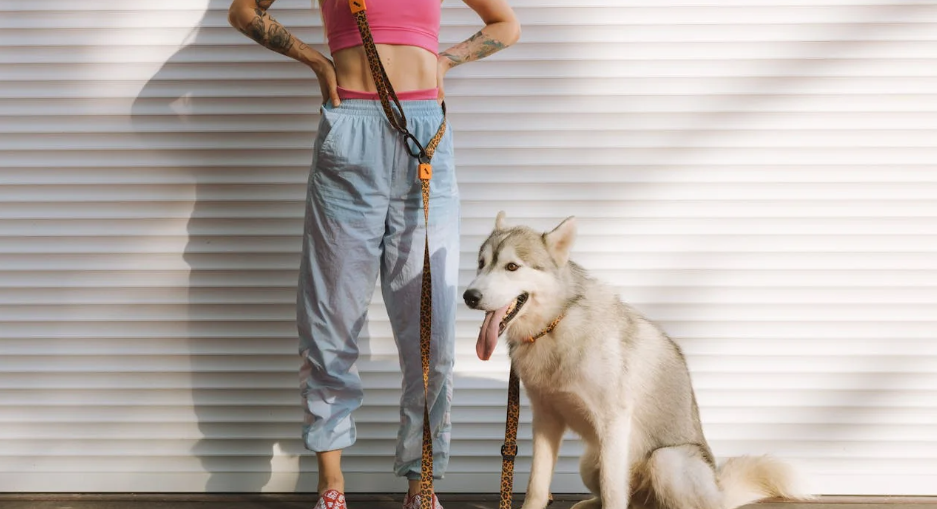
Big dogs need gear that can actually handle their size and strength. A delicate leash or flimsy collar just won’t do—they’ll wear it out, snap it, or slip out of it faster than you can blink. A sturdy harness or thick leather collar makes walks safer and gives you more control without hurting your dog. Beds are just as important. They need space to stretch out and support for their joints, especially as they grow older. Elevated food and water bowls aren’t just fancy—they reduce strain on their neck and spine while making mealtime more comfortable. Spending a bit more on quality gear may seem expensive at first, but it saves frustration, prevents accidents, and makes both your life and your dog’s life much easier.
2. Train Early and Consistently (Or They’ll Train You)
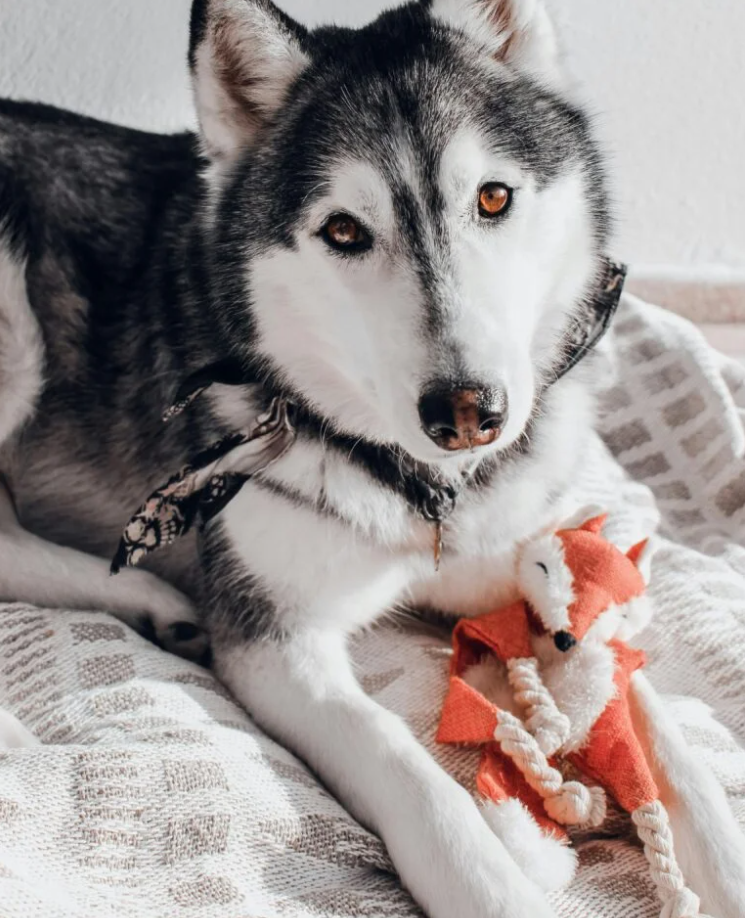
A tiny puppy jumping on you is adorable, but a 100-pound dog doing the same? That’s a recipe for disaster. Starting training as early as possible is crucial. Teach them basic commands like sit, stay, come, and leave it. Leash training is equally important—without it, walks can feel like a tug-of-war you’ll never win. Socialization matters too. Introducing your dog to new people, other dogs, and different environments shapes their behavior and helps them grow into calm, confident adults. Remember, training isn’t a one-time event; it’s a lifestyle. Every interaction is an opportunity to reinforce good habits, and the more consistent you are, the easier your life becomes.
3. Feed Them Right (Because They Eat Like Teenagers)
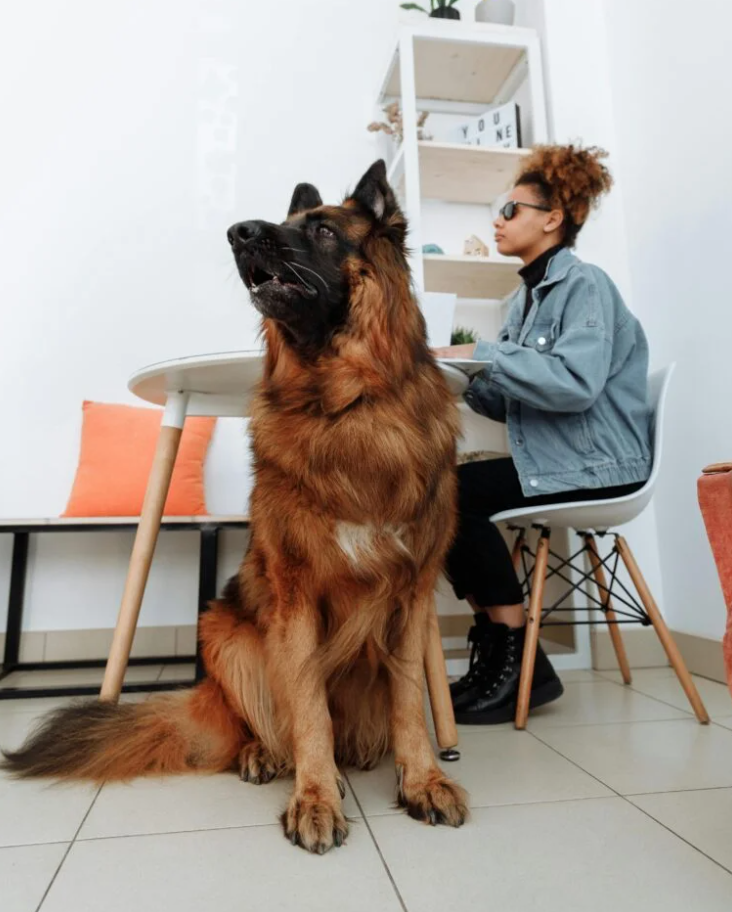
Large dogs eat a lot, but it’s not just about quantity—it’s about quality. Their nutritional needs are specific, and feeding them the wrong food or too much can cause serious health problems, including obesity and joint issues. Look for high-quality dog food formulated for large breeds, with the right balance of protein, fat, and joint-supporting ingredients. Portion control is critical. Follow feeding guidelines but adjust based on your dog’s activity level and metabolism. Slow feeders or multiple small meals can prevent bloat, a life-threatening condition common in big breeds. Trust me, figuring out the right feeding routine now saves a lot of trouble—and trips to the vet—later.
4. Exercise, But Don’t Overdo It (They’re Athletes, Not Marathon Runners)
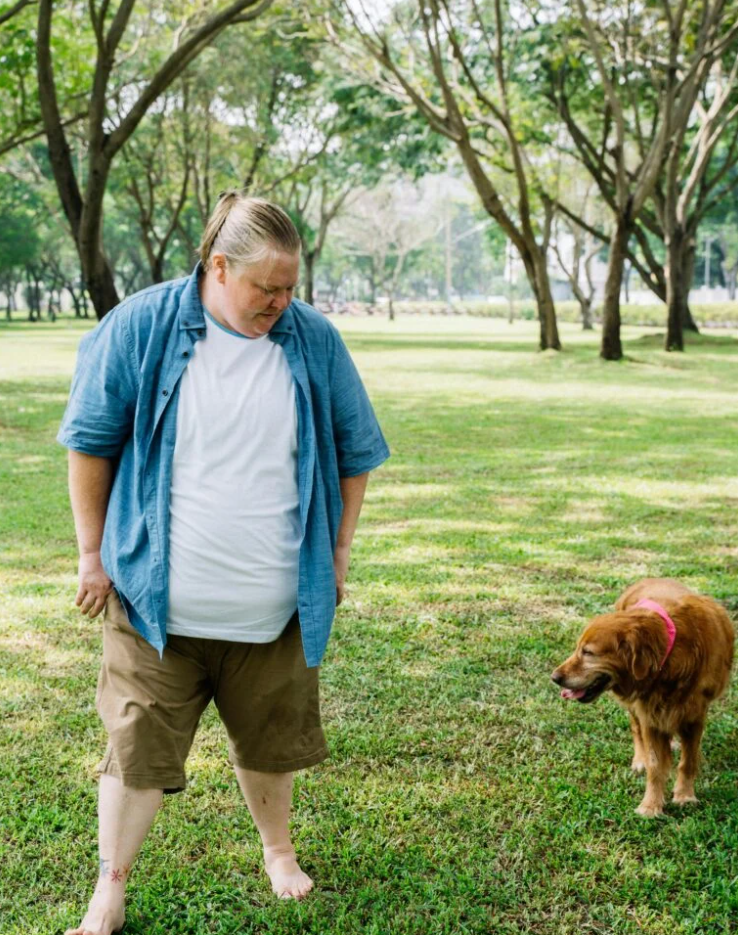
Large dogs need exercise, but it has to be done wisely. Puppies are especially vulnerable; high-impact activities like running or jumping can damage their developing joints. Short walks and gentle playtime are perfect for them until they reach full growth, usually around 18–24 months. Adult dogs still need regular exercise—about 30–60 minutes a day—but it should include a mix of physical and mental activity. Swimming is excellent because it’s easy on the joints, and games or puzzle toys stimulate their minds just as much as running around. Always watch how your dog reacts—if they seem stiff or limping, slow things down and give their body time to recover.
5. Grooming is Non-Negotiable (Yes, Even if They Hate It)
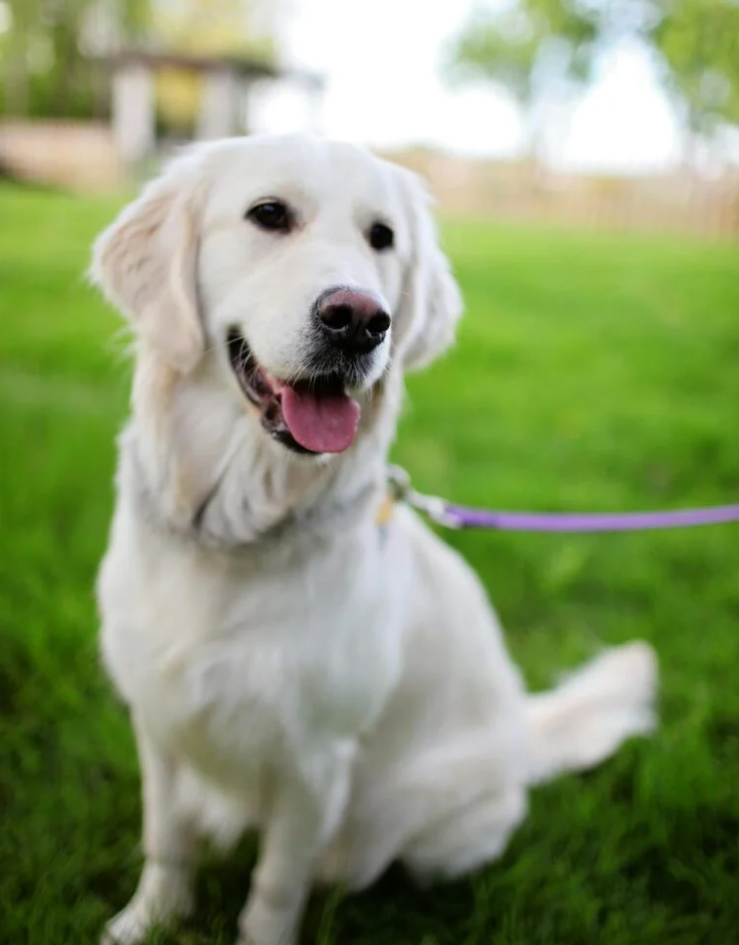
Big dogs shed, drool, and track dirt all over the house, so grooming isn’t optional. Regular brushing prevents mats, keeps their coat healthy, and makes them more comfortable. Bathing every 4–6 weeks or when needed keeps their skin clean and reduces odors. Don’t forget nails—long nails can cause pain, joint strain, and even injuries. While grooming might not always be your dog’s favorite activity, it can become a bonding experience. A well-groomed dog is happier, more comfortable, and easier to cuddle, which makes life with them even better.
6. Prepare for Joint Issues (Because Big Dogs = Big Joints)
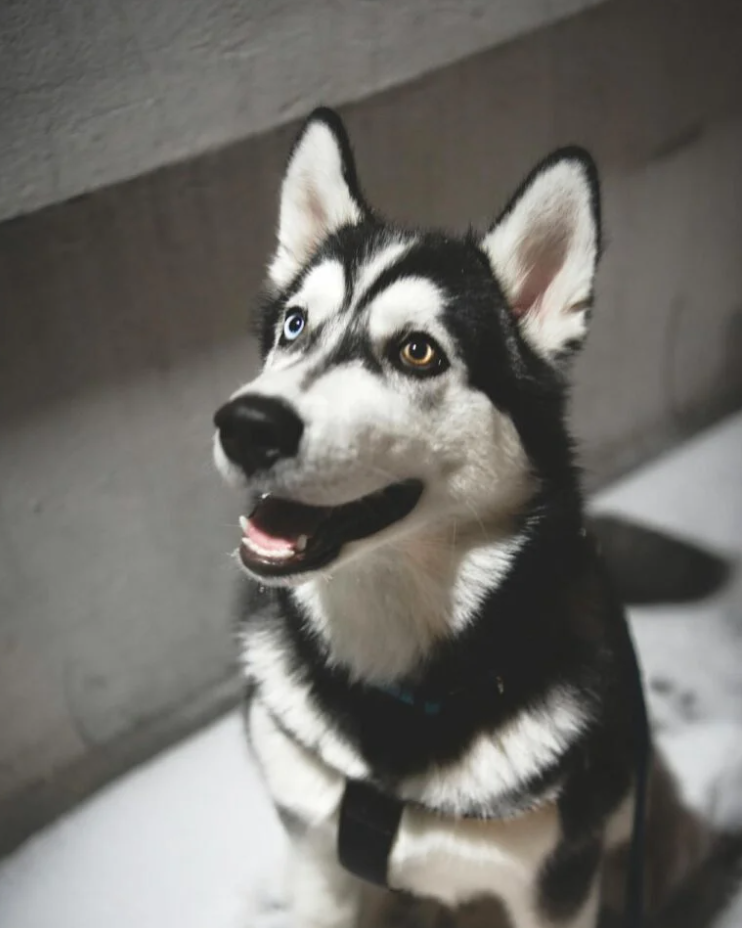
As much as we love our large dogs, their size comes with risks, especially for their joints. Hip dysplasia, arthritis, and other joint problems are common, so starting preventive care early is crucial. Maintaining a healthy weight is one of the simplest ways to reduce joint strain. Supportive beds and cushioned surfaces also make a huge difference in comfort. Supplements like glucosamine and chondroitin can help keep joints strong, but always talk to your vet about the right approach. Pay attention to signs of discomfort, like limping, stiffness, or reluctance to jump—early intervention can make all the difference.
7. Secure Your Space (Or They’ll Redecorate for You)
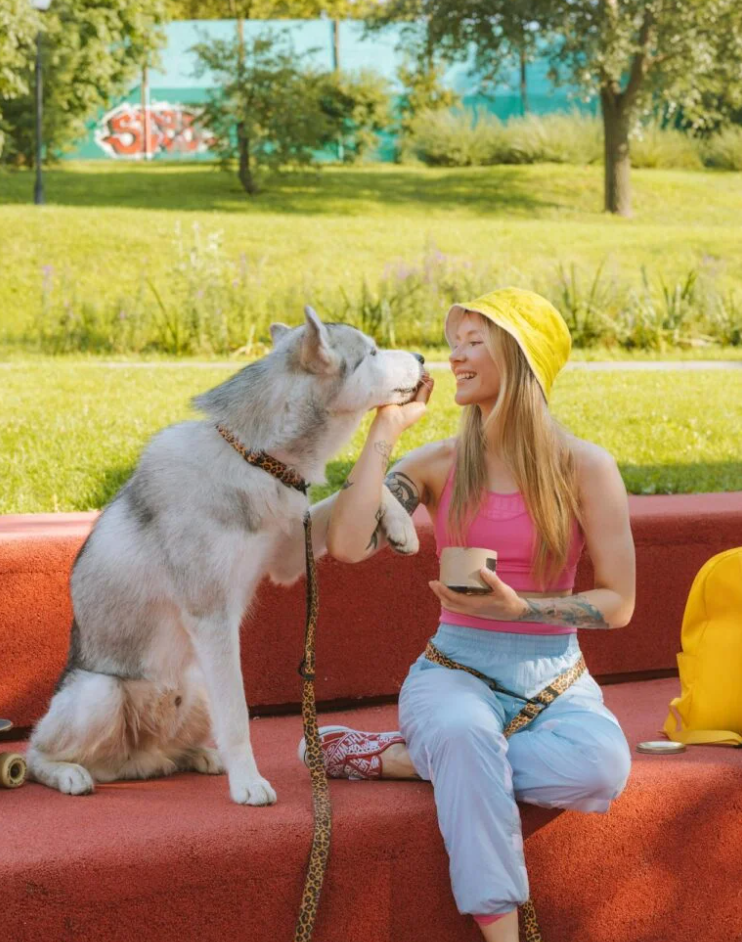
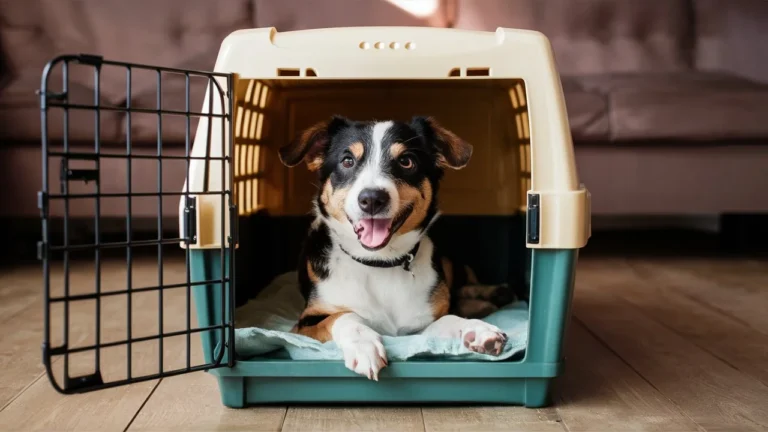
Large dogs are strong, curious, and sometimes unintentionally destructive. Protecting your home is about safety and sanity. A tall, secure fence is essential if they have outdoor space, as some breeds can be surprisingly good at escaping. Inside, a spacious, sturdy crate can keep them safe when you’re not around. Durable chew toys are lifesavers—they give them something appropriate to bite instead of your furniture. Understanding your dog’s personality also helps. Some big breeds are relaxed and love lounging, while others, like Border Collies, need constant stimulation. Knowing your dog helps prevent chaos before it starts.
8. Embrace the Chaos (Because It’s Part of the Package)
Let’s face it—living with a large dog is messy, expensive, and sometimes downright ridiculous. But it’s also one of the most rewarding experiences you’ll ever have. Big dogs are goofy, loyal, and affectionate in ways small dogs can’t always match. They’ll make you laugh, keep you company, and create a bond that’s hard to describe. The hair, the slobber, and the occasional accident? All part of the adventure. Take lots of pictures and enjoy every moment because they grow up fast, and every day with them is a memory you won’t want to forget.
FAQs
Q: How much exercise does a large dog need?
Most large dogs benefit from 30–60 minutes of activity daily, but puppies and seniors may need shorter sessions. Mix walking, playtime, and mental stimulation for the best results.
Q: What’s the best food for large breeds?
High-quality food formulated specifically for large breeds is essential, ideally with joint-supporting ingredients like glucosamine. Portion sizes and feeding frequency should match your dog’s age and activity level.
Q: How do I stop my large dog from pulling on the leash?
A no-pull harness and consistent training work best. Reward good behavior with praise or treats, and practice leash walking regularly.
Q: Are large dogs good with kids?
Many large breeds, including Labradors and Golden Retrievers, are excellent with children. Proper training and supervision ensure safe interactions.
Final Thoughts of Must-Know Tips for Owners of Large Dogs
Caring for a large dog is a big responsibility, but it’s also incredibly rewarding. With the right gear, proper training, and attentive care, your dog will thrive, and your home will feel happier and more complete. Embrace the chaos, enjoy the cuddles, and celebrate the laughter, because life with a large dog is full of moments you’ll never forget. Your furry friend isn’t just a pet—they’re family.