How To Train Your Shiba Inu
So, you’ve brought home a Shiba Inu. First of all—congratulations. You now share your life with a dog that looks like a plush toy, acts like a cat, and thinks like a tiny philosopher. Shibas are stunning, intelligent, and endlessly entertaining. But let me be honest with you from the start: training a Shiba Inu is not your average dog-training experience.
When I brought my Shiba home, I assumed training would follow the usual pattern. Teach a command, repeat it a few times, reward, move on. That illusion shattered fast. Shibas don’t operate on blind obedience. They question everything. They analyze you. They decide whether you’re worth listening to—and sometimes, the answer is no.
That doesn’t mean training is impossible. It just means you need to approach it differently.
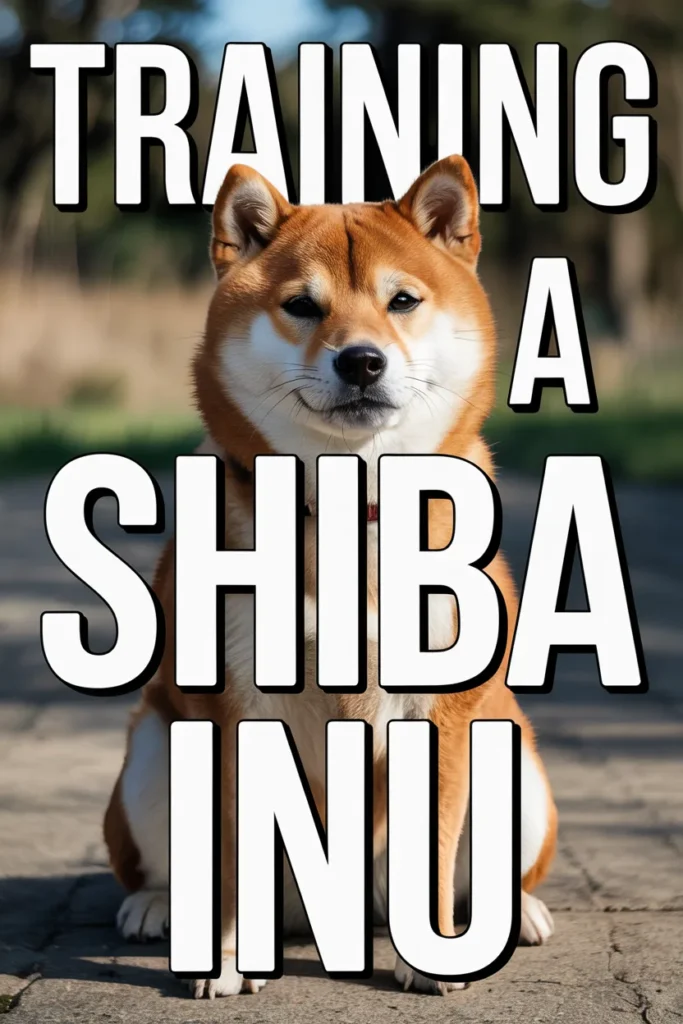
The Shiba Inu Attitude: It’s Real
Let’s clear this up right away—Shibas are stubborn, and yes, that reputation is well-earned. They were originally bred to hunt independently, which means they’re hardwired to make their own decisions. I noticed this immediately with my Shiba. She wasn’t confused by commands. She understood them perfectly. She just wasn’t convinced they were necessary.
This is where many people misunderstand the breed. A Shiba ignoring you isn’t being “bad.” They’re thinking. They’re weighing options. In their mind, following your command has to be more rewarding than continuing whatever they’re doing.
I remember asking my Shiba to sit during our first training session. She stared at me, tilted her head, and walked away. That was the moment I realized Shiba training isn’t about control—it’s about persuasion.
Once I accepted that, everything changed.
Establishing the Ground Rules: You’re Not the Boss of Me (But Actually, You Are)
Shibas don’t respond well to force, yelling, or heavy-handed discipline. I learned quickly that trying to dominate a Shiba only creates resistance. What they do respect is calm confidence.
You don’t need to act like a drill sergeant. You need to act like someone who knows what they’re doing. When I stopped repeating commands and started enforcing them calmly and consistently, my Shiba began paying attention.
Positive reinforcement works wonders with this breed. Praise, food rewards, and genuine excitement go much further than corrections ever will. That said, Shibas are smart enough to test boundaries. If you reward too freely, they’ll train you instead.
Consistency is non-negotiable. If you allow something once, they’ll remember it forever. I learned that lesson the hard way with furniture privileges. One relaxed evening turned into a permanent rule in my Shiba’s mind. Set expectations early and stick to them without exception.
Basic Commands: Sit, Stay, and Good Luck With “Come”
Teaching basic commands to a Shiba is an exercise in patience, especially when it comes to recall. “Come” is notoriously difficult with this breed, and I won’t sugarcoat it. Even now, I never trust recall without a controlled environment.
“Sit” and “stay” are much easier—at least initially. Shibas learn fast when food is involved. The challenge starts when the treats disappear. My Shiba mastered “sit” in minutes, then mysteriously forgot it the moment rewards stopped.
What worked for me was variety. Mixing treats with praise, toys, and short play sessions kept her engaged. Training sessions need to be short—five to ten minutes is ideal. Any longer, and your Shiba will mentally check out.
For “stay,” start small. A second or two is a win. Build gradually, reward every success, and end sessions positively. With “come,” always practice in a safe, enclosed space and make yourself the most exciting thing in the environment. I use a cheerful voice every time, even if she takes her time getting to me.
Exercise: Burning Off That Shiba Energy
Shibas may be compact, but they’re loaded with energy. A simple daily walk wasn’t enough for my dog, and I learned that quickly. Without proper physical and mental stimulation, a Shiba will invent their own entertainment—and it’s rarely something you’ll enjoy.
Structured play, running, puzzle toys, and training games made a huge difference in my household. When my Shiba gets enough activity, she’s calmer, more focused, and far more receptive to training.
If you have a fenced yard, double-check it. Shibas are legendary escape artists. Mine tested every corner like a security expert. Secure fencing isn’t optional—it’s essential.
Socialization: You’ll Want to Start Early
Shibas are naturally independent, which can come across as aloof or reserved if they aren’t properly socialized. Early exposure matters more than people realize.
I made a point to introduce my Shiba to different people, dogs, sounds, and environments from an early age. At first, she was cautious and observant. Over time, repeated positive experiences built her confidence.
That effort paid off. Walks became smoother, vet visits less stressful, and public outings more enjoyable. Socialization isn’t about forcing interaction—it’s about making the world feel safe and predictable to your dog.
Patience, Persistence, and a Sense of Humor
If there’s one trait you must have when training a Shiba Inu, it’s patience. They will test you. They will pretend they’ve never heard a command they mastered yesterday. They will look directly at you and choose chaos.
I’ve had moments where I questioned everything I knew about dog training. But sticking with it—calmly, consistently—changed our relationship. My Shiba didn’t lose her personality. She just learned how to live within boundaries.
And honestly? That sass is part of why I love the breed so much.
Final Thoughts: It’s a Challenge, But It’s Worth It
Training a Shiba Inu isn’t easy, and it’s not supposed to be. These dogs are intelligent, opinionated, and fiercely independent. But if you put in the effort, earn their trust, and respect who they are, the reward is incredible.
My Shiba isn’t blindly obedient—and I don’t want her to be. She’s thoughtful, expressive, and loyal in her own way. Once you understand how a Shiba thinks, training becomes less of a battle and more of a partnership.
Take your time. Stay consistent. Laugh when things don’t go perfectly. Living with a Shiba Inu is a journey—and it’s absolutely worth it.