10 Basic Dog Commands You Have to Try (Unless You Love Chaos)
Sit
Ah, the classic “Sit.” I can’t tell you how many times this one simple command has saved me from a chaotic mess in my house. When my dog was a puppy, she would jump on everyone, dash across the kitchen, and snatch whatever she could reach. Teaching her to sit became our first real victory.
“Sitting” stops your dog from jumping, rushing toward doors, or barging into your personal space. It’s perfect for situations like crossing streets safely, greeting guests without embarrassment, or anytime food is involved. The trick is to say it clearly once—don’t turn it into a drawn-out chant of “sit-sit-sit” because dogs will tune that out fast. Once your dog understands, sitting becomes second nature, and you’ll feel like you’ve finally got a handle on things.
Stay
Think of “Stay” as the responsible older sibling of “Sit.” This command is a lifesaver when you need your dog to hold their position for a few moments while you handle something else.
I’ve used it countless times when the doorbell rang and my dog wanted to explode toward it, or when I dropped something dangerous on the floor and had no hands free. “Stay” gives you control and teaches your dog patience. It’s empowering in a quiet, almost magical way—you suddenly feel like the boss of your house. And over time, your dog begins to understand that staying put is rewarding.
Come
There’s nothing more nerve-wracking than seeing your dog sprint off after a squirrel or darting toward the street. That’s why the recall command, “Come,” is one I take very seriously.
Your voice matters here—a happy, inviting tone works far better than a harsh shout. I remember the first time my dog ignored me at the park; it was terrifying. Once she started responding to “Come,” walks became safer and infinitely more enjoyable. You want your dog to associate this command with something positive and trustworthy so they actually want to return to you every time.
Leave It
If your dog is anything like mine, they think the world is one giant buffet. Socks, trash, random sticks—they’ll try to eat it all. “Leave it” is the command that protects them from dangerous or gross items.
I’ve saved my dog from chewing on some really gross stuff more times than I can count. The beauty of this command is that it works anywhere, all the time—on walks, at home, or when you accidentally drop a piece of food. When your dog learns to leave something alone, it’s a mix of relief and pride. It’s one of those commands that genuinely feels like it could save your dog’s life.
Down
“Down” is not just a fancier “Sit.” It’s about teaching your dog to relax completely and settle down.
I often use “Down” when we’re in crowded spaces or during vet visits. My dog can get overexcited easily, and asking her to lie down helps calm her nerves and mine. This command is especially useful when a situation feels overwhelming, like when she thinks jumping on the table is completely acceptable behavior. Patience is key here—you’re asking your dog to control their energy, and that doesn’t happen overnight.
Drop It
Ever tried to get a half-chewed mystery object out of your dog’s mouth? Not fun. That’s why “Drop it” is crucial.
I use this command during playtime, walks, or even when she gets a hold of something she shouldn’t. The best part? When they follow the command and release the item, rewarding them enthusiastically reinforces the behavior. It’s a mix of relief, amusement, and pride when your dog lets go without a fight.
Off
“Off” is often confused with “Down,” but they’re not the same. This command teaches your dog to get off furniture, people, or anything they shouldn’t be on.
I’ve had countless guests tell me my dog was very polite—then she leapt onto the coffee table. That’s when “Off” comes in. It’s a simple word with a huge impact. Using “Down” in this situation only confuses your dog, so make sure you’re clear and consistent.
Heel
“Heel” might sound fancy, but it’s incredibly practical. It teaches your dog to walk calmly by your side without dragging you across sidewalks like a sled dog.
I’ll admit, leash walking was a nightmare at first. Dogs don’t come with leash manners pre-installed. Once I started practicing “Heel” with my dog, walks became more enjoyable, predictable, and safe. It’s not about military-style discipline—it’s about smooth, stress-free walks for both of you.
Wait
“Wait” is different from “Stay.” While “Stay” can be long-term, “Wait” is about short pauses.
I use it when opening car doors, putting on a leash, or serving meals. It’s a small command with a big impact on your dog’s patience and your sanity. My dog quickly learned that waiting meant nothing bad would happen—and it gave me a few precious seconds to breathe or finish what I’m doing without chaos.
Okay! (Release Command)
Training isn’t just about telling your dog what not to do—it’s also about giving them permission to go. That’s where a release word comes in.
I always use “Okay” to signal the end of a command like “Stay” or “Wait.” It clears up confusion and lets your dog know the job is done. You can also choose “Free,” “Done,” or something unique that you don’t use in daily conversation. This command turns structured behavior into a clear system your dog understands, making training smoother and more enjoyable.
Use Treats (But Don’t Be a Bribe Machine)
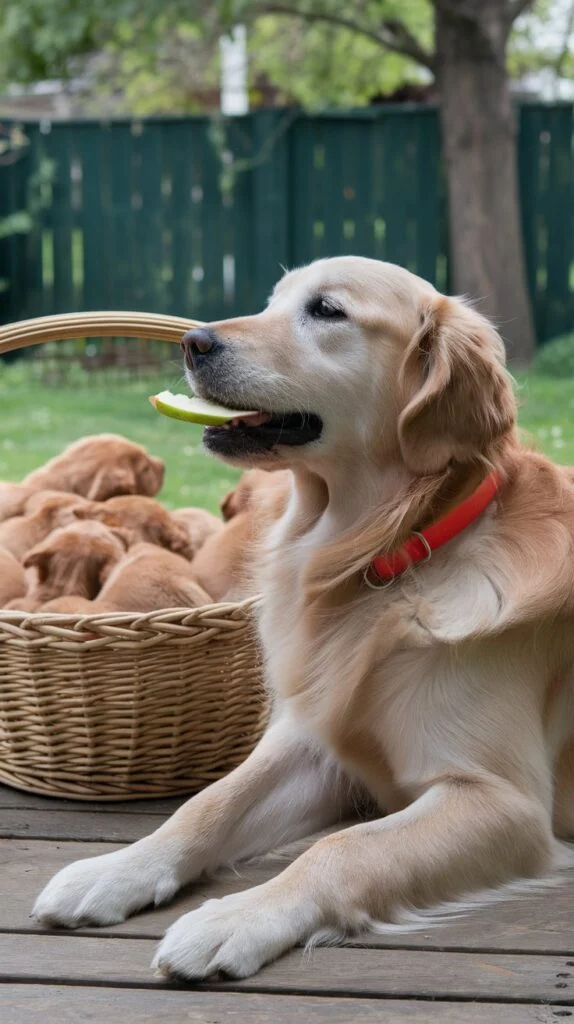
Treats are essential for reinforcing behavior, but they shouldn’t control the dog. I use them as a reward after the behavior happens, not as a bribe beforehand. Over time, treats become less necessary, and praise takes center stage. Celebrating their small wins with excitement works wonders—dogs feel proud, and you feel like a winning team.
Conclusion of Basic Dog Commands You Have to Try
No dog will ever be perfect, and that’s okay. I’ve learned that short, calm, and fun sessions are the key to successful training.
Sometimes my dog ignores me completely, but over time, consistent use of these commands builds confidence, discipline, and calmness. You’ll spend less time apologizing to neighbors and more time enjoying a well-behaved companion. Training is messy, it’s hilarious, and it’s worth every minute.