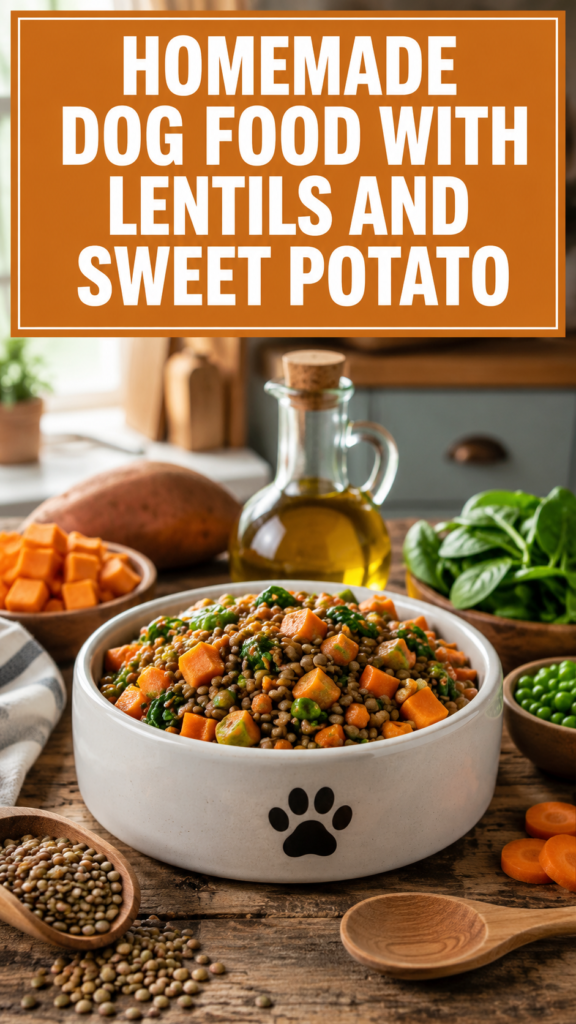
Homemade Dog Food With Lentils and Sweet Potato (Plant-Forward Option) – Simple, Nourishing, and Budget-Friendly
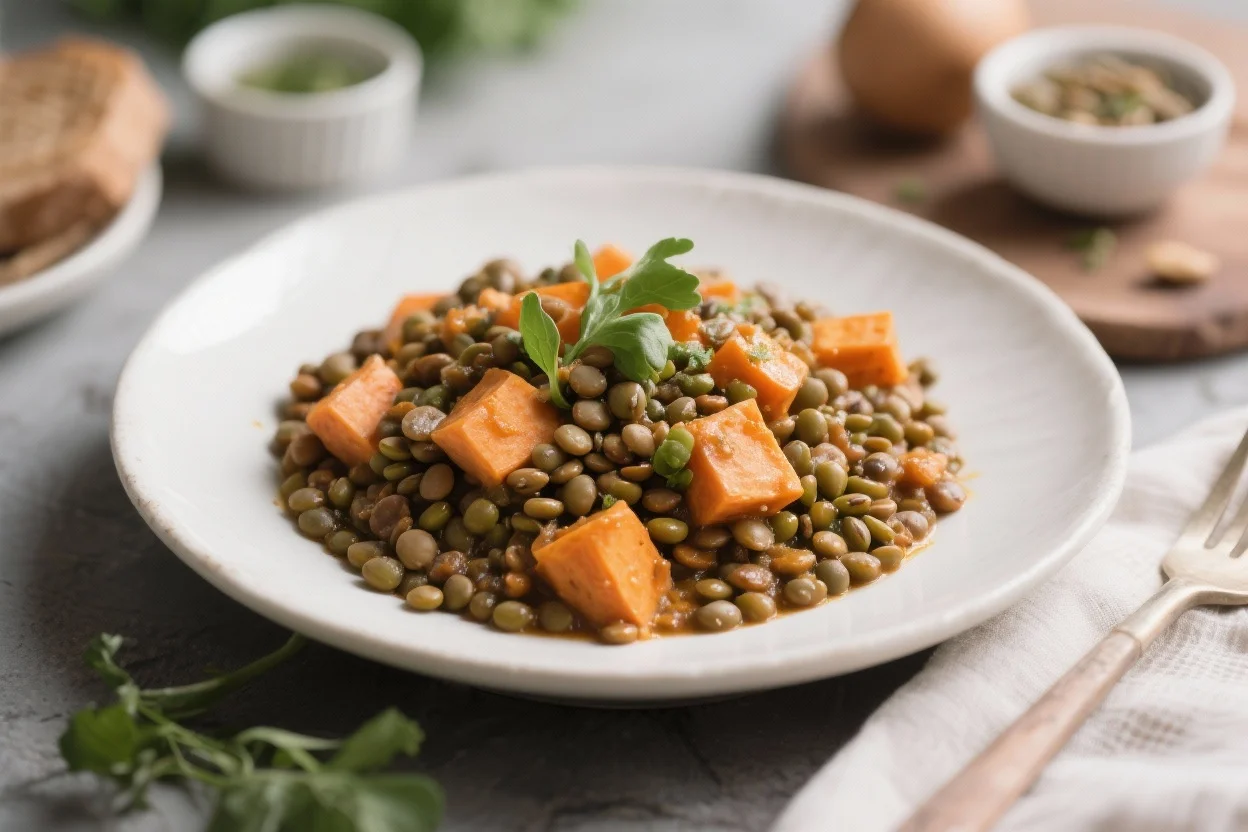
Making Homemade Dog Food With Lentils and Sweet Potato has become one of my favorite ways to add wholesome nutrition to my dogs’ meals without spending a fortune. Over the years, I’ve learned that simple ingredients can make a noticeable difference, especially for dogs with sensitive digestion or those who need extra fiber in their diet. This recipe has earned a regular place in my kitchen because it’s filling, easy to prepare, and incredibly versatile.
I often use this meal as a nutritious base that I can customize depending on my dog’s needs. Sometimes I mix it with lean meat or eggs, while other times I serve a smaller portion alongside quality kibble. No matter how I prepare it, the combination of lentils and sweet potatoes has always been well accepted by my dogs, even the fussy ones.
Save For later
Key Takeaways
- Lentils provide plant-based protein along with plenty of fiber for digestive support.
- Sweet potatoes supply slow-release carbohydrates that help maintain energy.
- Soft, fully cooked ingredients are easier for most dogs to digest.
- This recipe works well as a complete base or as a nutritious kibble topper.
- You can easily add lean animal protein or eggs for a more balanced meal.
- Homemade meals let you control ingredient quality while staying budget-friendly.
Pro Tip
One thing I’ve learned is not to rush the cooking process when making lentils for dogs. I always cook them until they’re very soft because undercooked lentils can be difficult to digest. After cooking, I mash the sweet potatoes thoroughly so every bite mixes evenly with the lentils. If I’m introducing this recipe for the first time, I start with a small serving mixed into my dog’s regular food for several days. This gradual change helps avoid stomach upset and lets me monitor how well my dog tolerates the new ingredients. I also prepare a larger batch and freeze individual portions to make feeding much easier during busy weeks
Other Posts
- Turkey and Sweet Potato Patties for Dogs – Easy Homemade Treat Recipe
- Tuna Sweet Potato Bites for Dogs – Healthy Homemade Training Treats
- Homemade Beef and Sweet Potato Dog Food Recipe for Healthy Meals
Jump to Recipe Card
What Makes This Recipe So Good
Balanced, plant-forward base
Lentils are a great source of plant protein and fiber, while sweet potatoes add beta-carotene, potassium, and complex carbs. Together, they provide slow-release energy that supports sustained activity and helps prevent blood sugar spikes in dogs.
Gentle on the stomach
I’ve noticed that dogs with mild digestive sensitivities tolerate soft-cooked lentils and vegetables far better than raw or undercooked legumes. Properly prepared, this meal rarely causes gas or upset tummies.
Customizable
I often add scrambled eggs, lean turkey, or a vet-approved supplement depending on the dog’s life stage and activity level. This flexibility lets me tailor nutrition for puppies, adults, or senior dogs with unique needs.
Budget-friendly and simple
From pantry staples to a single pot, this meal takes about an hour to prepare. I’ve made batches that last days in the fridge or weeks in the freezer without sacrificing quality.
Great as a topper
Even dogs on commercial kibble benefit from a few tablespoons of this nutrient-rich mixture on top. It boosts palatability and delivers whole-food nutrients that kibble alone can’t provide.
Ingredients
1 cup dry brown or green lentils, rinsed
2 medium sweet potatoes, peeled and diced (3–4 cups)
1 cup carrots, diced
1 cup green beans, chopped (fresh or frozen)
1 tablespoon olive oil or salmon oil
3 cups low-sodium chicken or vegetable broth + 2–3 cups water
1/2 cup rolled oats or cooked quinoa (optional)
1/2 teaspoon turmeric (optional)
1 teaspoon dried parsley (optional)
1–2 large eggs, scrambled or hard-cooked (optional protein)
Pinch of iodized salt (optional; check with your vet)
Vet-approved canine multivitamin/mineral or omega-3 supplement
Step-by-Step Instructions
Rinse the lentils
Place lentils in a fine-mesh strainer and rinse until water runs clear.
Prep the vegetables
Peel and dice sweet potatoes; chop carrots and green beans into bite-size pieces for even cooking.
Add to a pot
Combine lentils, sweet potatoes, carrots, and green beans in a large pot.
Add liquid
Pour in broth and water, enough to cover ingredients by about an inch.
Simmer gently
Bring to a boil, then reduce heat to low. Cover and simmer 25–35 minutes until lentils and vegetables are very soft.
Add oats or quinoa (optional)
Stir in oats during the last 10 minutes, or fold in cooked quinoa after cooking.
Season simply
Mix in olive or salmon oil, turmeric, and parsley. Avoid onion, garlic, or strong seasonings—they’re toxic to dogs.
Add eggs (optional)
For added protein, fold in scrambled or chopped hard-cooked eggs once the pot is off the heat.
Mash lightly
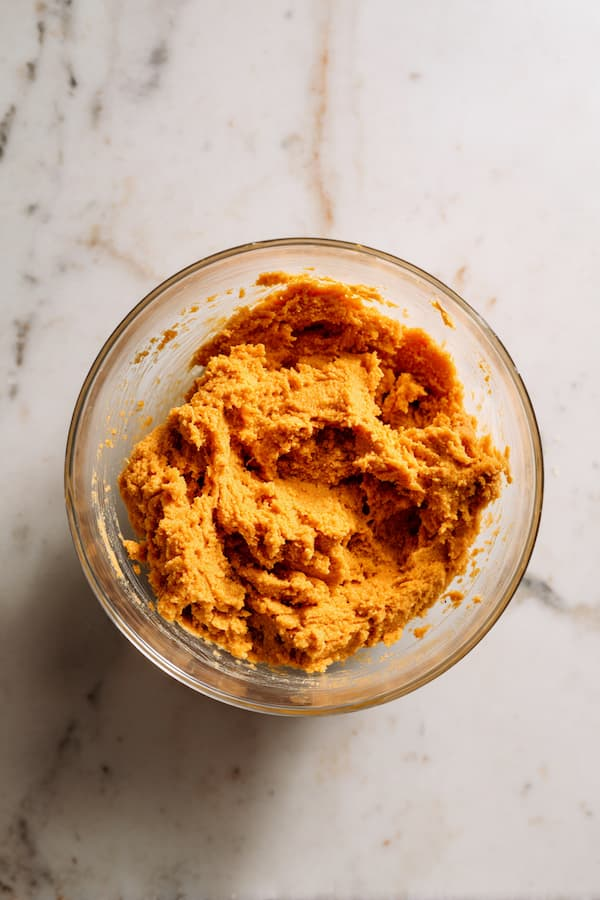
I use a potato masher to create a texture that suits the dog’s preference. Add a splash of warm water if needed.
Cool completely
Allow the mixture to reach room temperature before serving or portioning.
Stir in supplements
Add any vet-approved multivitamin or omega-3 just before serving.
Storage Instructions
Refrigerator
Store in airtight containers for up to 4 days.
Freezer
Portion into meal-sized containers or silicone molds and freeze for up to 2 months. Thaw overnight in the fridge.
Reheating
Warm gently with a splash of water until just lukewarm. Never serve hot.
Batching tip
Label portions with date and serving size for easy rotation.
Benefits of This Recipe
Digestive support
Fiber from lentils and sweet potatoes helps maintain regular bowel movements and supports gut microbiota balance.
Slow-release energy
Complex carbs fuel active dogs steadily, reducing sugar spikes and crashes.
Nutrient-dense
Sweet potatoes provide beta-carotene and potassium; lentils add plant protein and iron.
Skin and coat
Salmon oil or omega-3 supplements can improve coat shine and reduce mild inflammation.
Weight management
High-fiber, lower-calorie base keeps dogs full, making it easier to manage weight.
Common Mistakes to Avoid
Skipping vet guidance
Every dog is unique. Homemade meals should be adjusted based on breed, size, age, and health conditions.
Not cooking lentils fully
Undercooked lentils can be hard to digest; simmer until soft.
Using onion or garlic
Both are toxic. Stick to dog-safe seasonings.
Forgetting calcium and micronutrients
Canine-specific supplements are necessary if serving as a complete diet. Human vitamins don’t substitute.
Overfeeding legumes
Some dogs get gas on high-legume diets. Start slow and monitor stools.
Serving too hot
Always cool to lukewarm or room temperature to avoid burns.
Variations You Can Try
Higher-protein
Add lean turkey, chicken, white fish, or extra eggs. Adjust portion sizes accordingly.
Grain-free
Skip oats and use more veggies or cooked quinoa if tolerated.
Pumpkin swap
Replace some sweet potato with pumpkin puree for smoother texture and extra fiber.
Different legumes
Use split peas instead of lentils; cook fully and introduce gradually.
Bone broth boost
Use low-sodium, onion-free bone broth for flavor and hydration.
Sensitive tummy
Keep it simple with just lentils, sweet potato, carrot, and salmon oil.
FAQ
Is this a complete and balanced diet on its own?
Not without a vet-approved canine supplement and, if needed, animal protein. Supplements ensure calcium, amino acids, vitamins, and minerals are adequate.
Can dogs eat lentils safely?
Yes, when fully cooked and introduced gradually. Some dogs may have softer stools initially.
How much should I feed my dog?
As a topper: 1–2 tablespoons per 10 lbs per meal. As a main meal: 1/2 to 1 cup per 10 lbs per day, split into two meals. Adjust for activity and vet guidance.
Can I use canned lentils?
Yes, rinse thoroughly and cook briefly with vegetables. Dry lentils are preferred for texture and cost.
Are sweet potatoes better than white potatoes for dogs?
Sweet potatoes offer more fiber and beta-carotene but white potatoes are fine in moderation if tolerated.
Can I add spices or herbs?
Stick to dog-safe options like turmeric or parsley in small amounts. Avoid onion, garlic, nutmeg, or heavily salted blends.
What if my dog is on a legume-free diet?
Replace lentils with lean protein and adjust vegetables to maintain balance. Always consult your vet.
In Conclusion
Homemade Dog Food With Lentils and Sweet Potato is a wholesome, plant-forward option I’ve relied on for years. Fully cooked lentils, soft vegetables, and a touch of healthy fat make it gentle on the stomach and highly versatile. Add a canine-specific supplement and, if needed, lean protein to create a complete meal. Introduce slowly, monitor your dog’s response, and always check with your vet to ensure it meets your pup’s unique needs.
All content on this site is written and reviewed by our experienced team to ensure it is accurate, reliable, and helpful for our readers. Our Our Process page explains how we carefully research and create high-quality content, while our Team page introduces the professionals behind our work. We also provide clear guidelines for content or image concerns on our Image Removal page, so you can trust that we prioritize transparency, quality, and reader safety.