Can Dogs Eat Cheese?
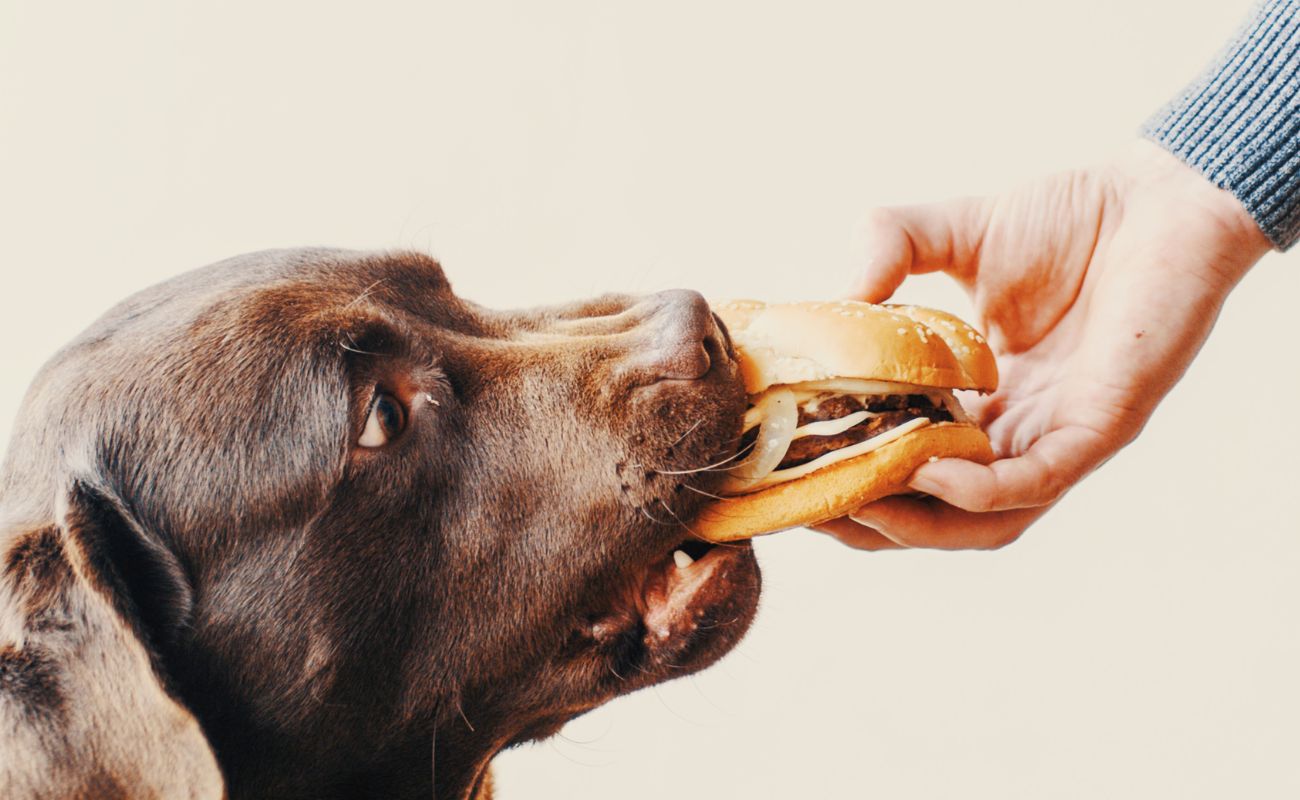
If you’ve ever opened the refrigerator and found your dog patiently waiting nearby, you’re not alone. One of the most common questions I get from fellow pet owners is, can dogs eat cheese? Since I spend a lot of time preparing homemade dog meals and healthy treats, cheese often comes up as a popular snack option.
In my experience, many dogs enjoy the taste of cheese and tolerate it well. However, not every dog reacts the same way. The type of cheese, serving size, and your dog’s individual digestion all play a role in whether this dairy treat is a good choice.
Save For later

Key Takeaways
- Cheese can be an occasional treat that provides protein and calcium.
- Plain, low-fat varieties are usually the safest option for dogs.
- Some dogs have difficulty digesting lactose and may develop stomach upset.
- Flavored cheeses containing garlic, onion, or seasonings should be avoided.
- Small pieces of cheese can work well as high-value training rewards.
- Treats, including cheese, should fit within your dog’s daily calorie needs.
Pro Tip
One trick I’ve used for years is cutting cheese into pea-sized cubes before offering it as a reward. Most dogs care more about getting a treat than the actual size of it. Smaller pieces let you reward good behavior multiple times without adding too many extra calories. I also keep cheese reserved for training sessions or situations where I need my dog’s full attention. If you’re introducing cheese for the first time, start with a tiny amount and observe your dog for 24 hours. This simple habit has helped me identify food sensitivities early and avoid digestive problems.
Other Posts
- Homemade Cheesy Parsley Dog Biscuits Recipe
- Cottage Cheese and Fruit for Dogs Guide
- Can Dogs Eat Human Food Safely? Complete Guide
The Benefits of Cheese for Dogs
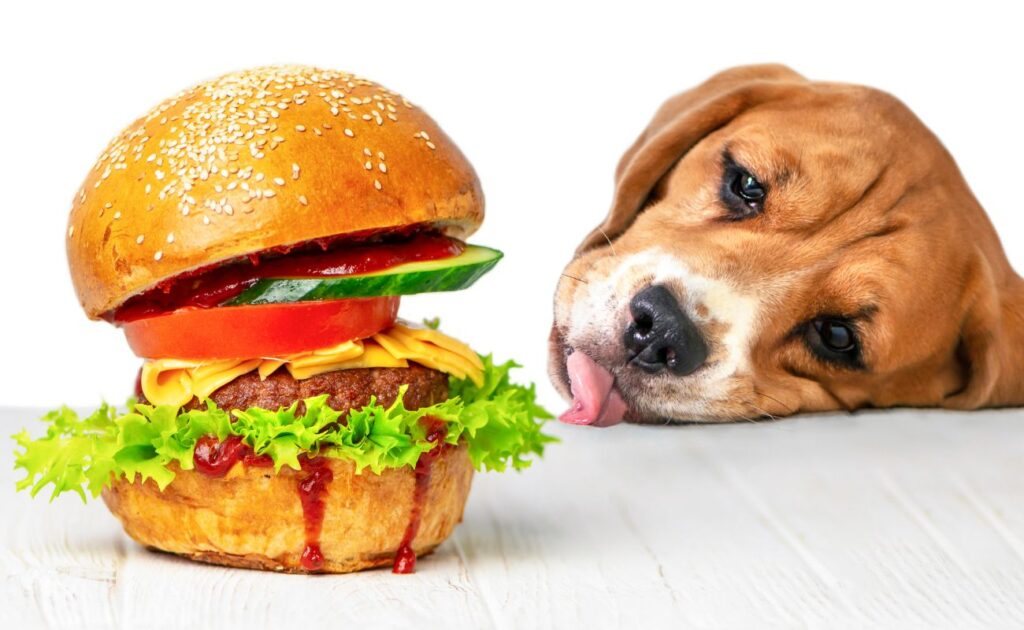
Cheese isn’t just a human indulgence—it can also provide nutritional benefits for dogs. In my years of caring for dogs, I’ve observed that small amounts of cheese can motivate picky eaters and help during training. Here’s why cheese can be useful:
- Protein: Cheese is a great source of protein, which helps maintain strong muscles and supports energy for active dogs. On average, 1 ounce of cheddar contains about 7 grams of protein.
- Calcium: Essential for bone strength and dental health, calcium from cheese can support puppies’ growing bones and senior dogs’ joint health.
- Vitamins A & B12: These vitamins help maintain healthy skin, a shiny coat, and overall wellbeing.
- Phosphorus: Works alongside calcium to promote strong bones and energy metabolism.
Fun Fact: Dogs have only 1,700 taste buds compared to humans’ 9,000, which makes cheese’s strong aroma and taste especially appealing as an occasional treat.
How to Safely Give Cheese to Your Dog
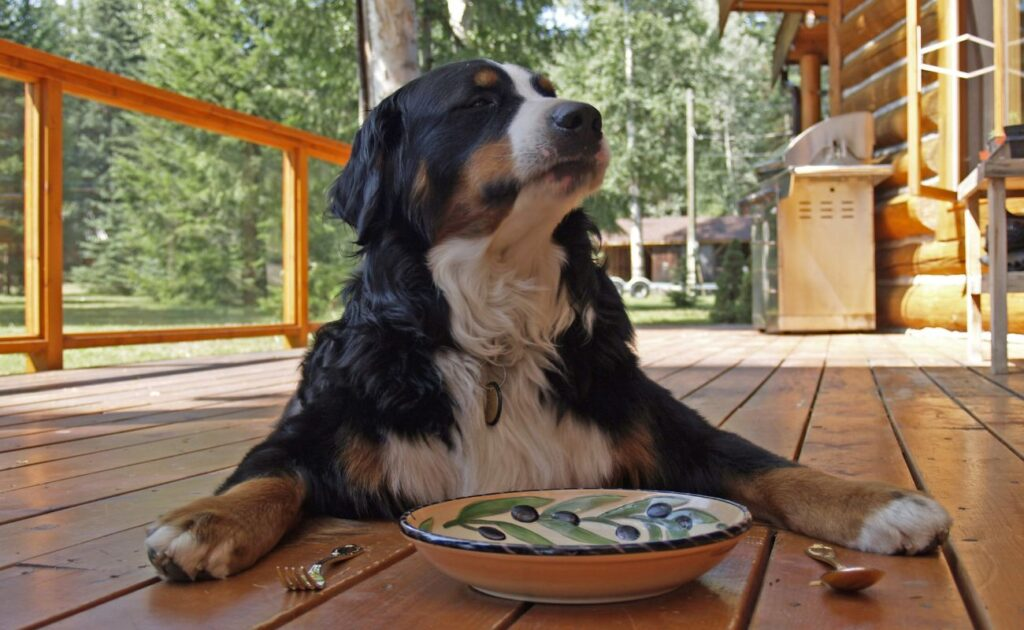
When I share cheese with my dogs, I follow these safety guidelines:
- Choose Low-Fat Cheese: Opt for cottage cheese, part-skim mozzarella, or other low-fat options to avoid unnecessary calories. High-fat cheeses like gouda or cream cheese can contribute to weight gain or digestive upset.
- Moderation is Key: Cheese should only be an occasional treat. I usually give small cubes or a teaspoon-sized amount. Overfeeding can lead to pancreatitis, obesity, or other health issues.
- Monitor for Lactose Intolerance: Some dogs can’t digest dairy properly. Introduce cheese gradually and watch for diarrhea, gas, or bloating. If any of these symptoms occur, it’s best to stop giving cheese.

What to Avoid
Not all cheeses are safe for dogs. I’ve learned the hard way that certain types can be dangerous:

- Flavored or Herb-Infused Cheeses: Avoid garlic, onion, or chive cheeses—they can cause gastrointestinal upset and even anemia.
- Processed Cheese & Cheese Spreads: These often contain excess salt, preservatives, and additives.
- Blue Cheese: The mold in blue cheese can be toxic to dogs. Always stick to plain, unseasoned cheese.
Health Considerations
Cheese should never replace a balanced diet. Overfeeding can lead to obesity and digestive problems. According to studies, overweight dogs are more prone to diabetes, heart disease, and joint problems. I always monitor my dogs’ weight and adjust treats accordingly.
If you’re uncertain about your dog’s diet, consulting your veterinarian is the safest approach. I’ve found that tracking your dog’s daily calories and factoring in treats like cheese ensures they stay healthy and active.
Alternatives to Cheese
If you’d like to avoid cheese but still offer a tasty reward, there are plenty of options:
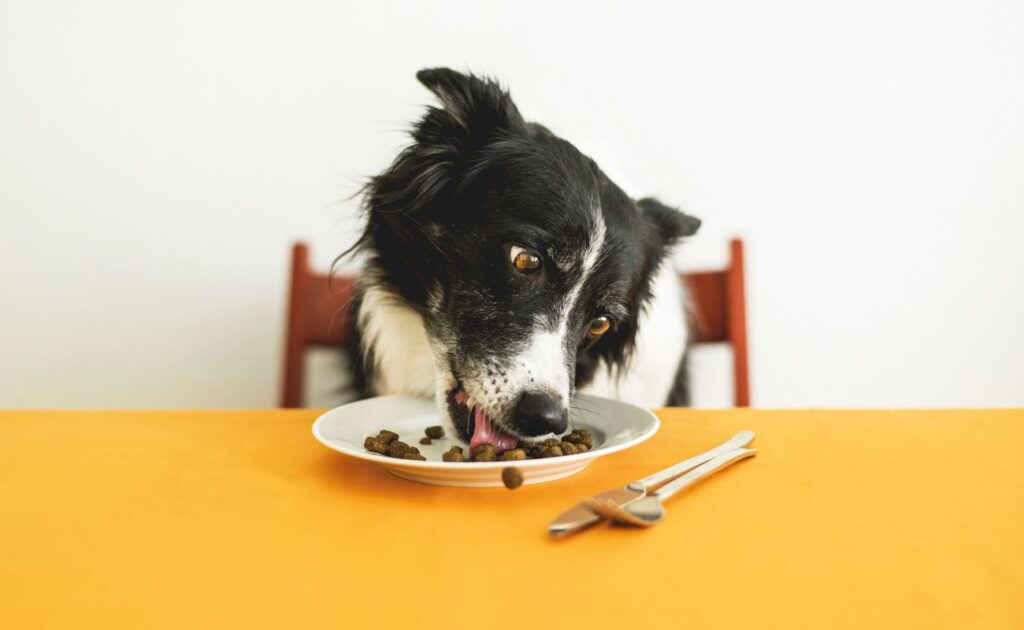
- Lean Meats: Small portions of cooked chicken, turkey, or beef provide high protein with low fat.
- Fruits & Vegetables: Dog-safe options like carrots, blueberries, or apple slices (no seeds) are nutritious, low-calorie treats.
- Commercial Dog Treats: Look for options free of artificial additives and formulated for dogs’ nutritional needs.
Pro Tip: For training, I often alternate between small pieces of cheese and low-calorie veggies to keep my dogs engaged without overfeeding.
Training and Cheese
Cheese is an excellent motivator during training. Its strong aroma and taste encourage dogs to focus and respond to commands. I’ve used tiny cubes to reinforce new behaviors successfully. Just remember to count these treats in your dog’s daily calorie intake.
FAQ
Q: Can cheese be a regular part of my dog’s diet?
A: No, cheese should only be an occasional treat. Daily overfeeding can lead to obesity or digestive issues.
Q: What if my dog has a bad reaction to cheese?
A: Stop feeding cheese immediately. If symptoms persist, consult your veterinarian.
Q: Are there cheeses better for dogs?
A: Low-fat, plain cheeses like mozzarella or cottage cheese are best. Avoid high-fat or flavored cheeses.
Q: Can cheese cause allergies?
A: Rarely, but some dogs develop dairy allergies. Watch for itching, swelling, or digestive upset.
Q: How can I tell if my dog is lactose intolerant?
A: Symptoms include diarrhea, gas, or stomach cramps after eating dairy. Consult your vet for guidance.

Final Thoughts
Cheese can be a fun and safe treat for your dog if used wisely. From my 20+ years of experience, I can say that dogs love cheese, and it can be a valuable tool for training or occasional indulgence. Keep it simple, small, and plain, and your furry friend will reward you with wagging tails and happy eyes!
All content on this site is written and reviewed by our experienced team to ensure it is accurate, reliable, and helpful for our readers. Our Our Process page explains how we carefully research and create high-quality content, while our Team page introduces the professionals behind our work. We also provide clear guidelines for content or image concerns on our Image Removal page, so you can trust that we prioritize transparency, quality, and reader safety.