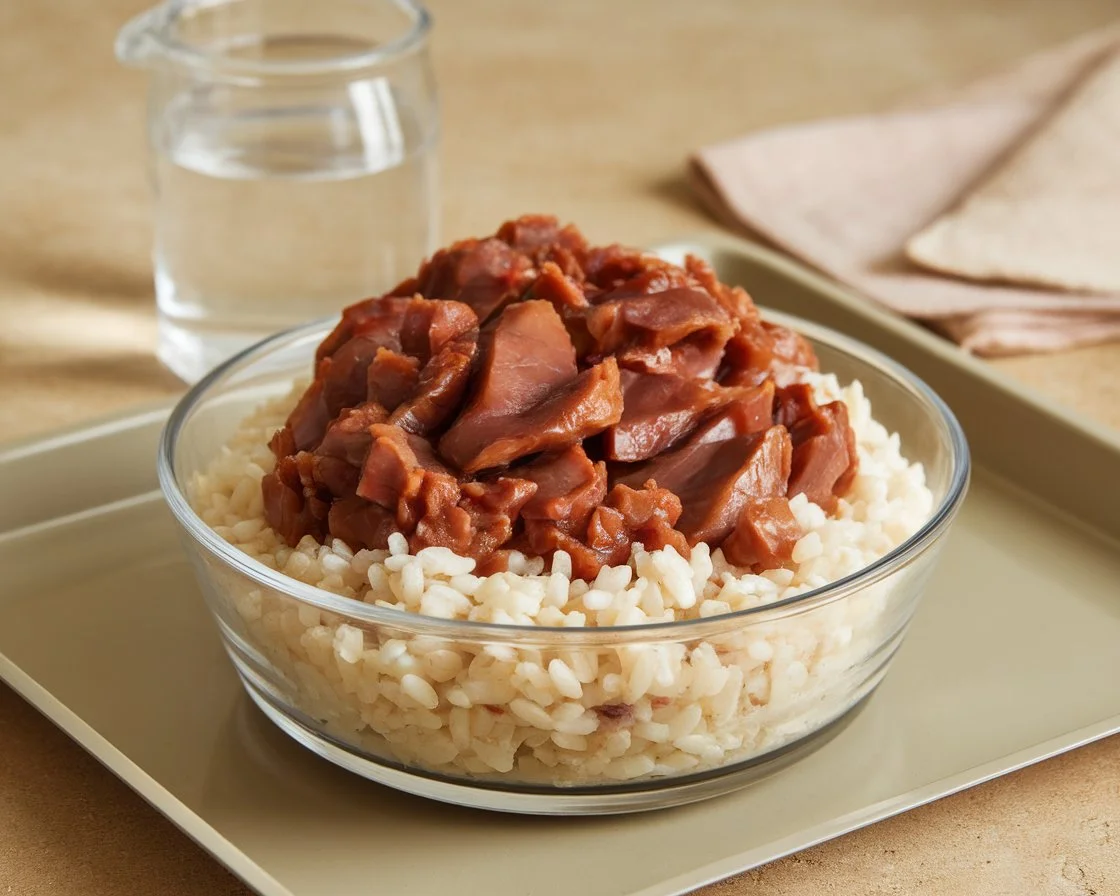
Chicken Liver & Rice Supreme For Dog: A Protein-Packed Treat
Finding a homemade meal that works well for pets with different nutritional needs can be challenging. That’s one reason I often prepare Chicken Liver & Rice Supreme For Dog when I want a simple recipe made with wholesome ingredients. It combines nutrient-rich chicken liver with easy-to-digest rice, creating a satisfying meal many dogs enjoy.
Over the years, I’ve found that uncomplicated recipes often produce the best results, especially for pets with sensitive digestion or selective appetites. This recipe focuses on fresh, recognizable ingredients and avoids unnecessary additives, making it a practical option for owners who prefer homemade dog food.
Save For later
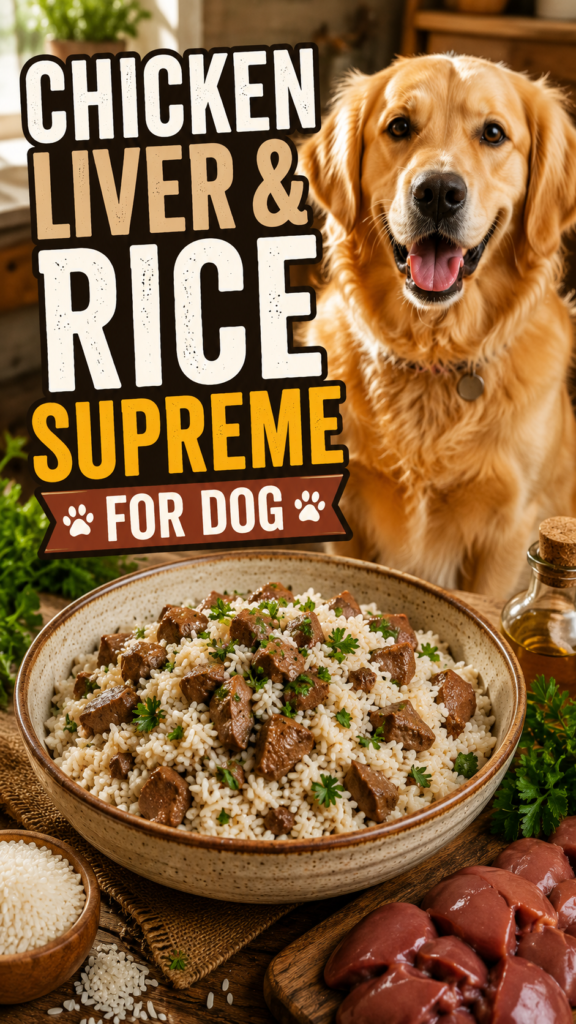
Key Takeaways
- Chicken liver provides high-quality protein along with important vitamins and minerals.
- Rice is gentle on the stomach and can support healthy digestion.
- Simple ingredients make this recipe easy to prepare at home.
- Great for meal prep and convenient freezer storage.
- Works well as a complete homemade meal or a nutritious food topper.
- Contains wholesome ingredients without artificial fillers or preservatives.
Pro Tip
When I cook with chicken liver, I avoid overcooking it because excessive heat can make it dry and less appealing to dogs. I usually cook the liver just until fully done, then chop it into small pieces and mix it evenly throughout the rice. This prevents dogs from eating only the liver and leaving the rest behind. If your dog is new to organ meats, start with a smaller serving and gradually increase the amount over several meals. I also let the food cool completely before portioning it into containers, which helps maintain texture and freshness when refrigerated or frozen.
Other Posts
- Healthy Chicken and Rice Dog Food Recipe for Sensitive Stomachs
- Easy Homemade Chicken and Rice Muffins for Dogs
- Comforting Homemade Chicken Soup for Dogs Recipe
Why Chicken Liver Works So Well for Pets
Chicken liver is one of those ingredients that doesn’t look fancy, but nutritionally, it’s incredibly powerful. When used in the right amount, it delivers a concentrated source of protein that supports muscle strength, tissue repair, and everyday energy.
What really makes liver special is its vitamin content. It naturally contains vitamin A for vision and immune support, B vitamins for metabolism and nervous system health, and iron to help maintain healthy blood levels. Both cats and dogs benefit from these nutrients, especially when their diets rely heavily on processed foods.
That said, liver is rich, which is why balance matters. This meal uses liver as a feature, not an overload, keeping it safe and effective.
Why Rice Is Paired with Liver
Rice plays a very important supporting role here. Plain white rice is easy to digest, low in fat, and gentle on the stomach. It’s often recommended by veterinarians for pets recovering from digestive upset, and it works just as well in everyday meals when used in moderation.
When paired with chicken liver, rice helps slow digestion slightly, preventing the meal from being too rich. It also provides steady energy without irritating sensitive stomachs, making the combination ideal for both cats and dogs.
Ingredients You’ll Need
This recipe stays intentionally simple so you know exactly what your pet is eating.
You’ll need fresh, raw chicken livers that haven’t been seasoned or processed in any way. Cooked plain white rice is used as the carbohydrate base, and a small amount of water or unsalted chicken broth helps bring the texture together.
There’s no need for oils, salt, spices, or additives. Pets don’t need them, and in many cases, they do more harm than good.
How to Prepare Chicken Liver & Rice Supreme
Cooking the Chicken Livers Safely
Start by rinsing the chicken livers under cold running water. This helps remove surface residue and ensures they’re clean before cooking. Place them in a small pot of boiling water and allow them to cook until they’re fully firm all the way through. Proper cooking removes harmful bacteria and makes the liver easier to digest.
Once cooked, let them cool slightly so they’re safe to handle.
Preparing Plain Rice the Right Way
While the liver cooks, prepare the rice using only water. No salt, no butter, and no seasonings of any kind. Plain rice keeps the meal gentle and prevents unnecessary strain on your pet’s digestive system.
The rice should be soft and fully cooked, not dry or crunchy.
Chopping and Mixing
After the liver has cooled, chop it into small, bite-sized pieces. Smaller pieces help pets chew properly and reduce the risk of gulping, especially for cats and small dogs.
Combine the chopped liver with the cooked rice in a bowl. Add a small splash of water or unsalted broth to moisten the mixture. The final texture should be soft and slightly moist, not soupy.
Cooling Before Serving
Before feeding, always allow the food to cool to room temperature. Hot food can burn sensitive mouths and cause discomfort. This step is just as important as cooking the ingredients properly.
Is This Recipe Safe for Dogs Too?
Yes, dogs can eat this meal safely, and many benefit from it greatly. The liver provides high-quality protein and nutrients, while the rice supports digestion. This makes it especially useful for dogs recovering from stomach issues or needing a simple, clean meal.
Portion size matters more for dogs because of their size differences. Larger dogs can eat more, while smaller dogs should receive smaller servings. The ingredients remain the same; only the quantity changes.
Common Mistakes That Can Cause Problems
One of the biggest mistakes is using seasoned or pre-cooked liver meant for humans. These often contain salt, spices, or preservatives that pets should never consume.
Another common issue is feeding too much liver too often. Liver is powerful, and overfeeding it can lead to vitamin A buildup over time. Moderation keeps it beneficial.
Serving the food while it’s still hot is another avoidable mistake. Pets don’t tolerate heat the way humans do, and even warm food can cause burns.
Skipping the rinsing step can also introduce unnecessary impurities. Cleaning the liver properly keeps the meal safer.
How to Store Leftovers Safely
If you make extra, store leftovers in an airtight container in the refrigerator. They stay fresh for up to three days. When reheating, warm the food gently and always let it cool before serving.
For longer storage, freezing works well. Portion the food into small servings and freeze for up to one month. Thaw in the refrigerator overnight rather than at room temperature.
Simple Variations You Can Try
If chicken liver isn’t available, chicken gizzards are a suitable alternative. They’re lean, nutritious, and still gentle when cooked properly.
Adding a small amount of plain mashed pumpkin can help support digestion, especially for pets prone to constipation or loose stools.
Brown rice can replace white rice for pets that tolerate more fiber well, though white rice remains the gentlest option for sensitive stomachs.
Frequently Asked Questions
Can raw chicken liver be used?
Cooking is strongly recommended. Raw liver can carry bacteria and parasites that cooking eliminates. Cooked liver is safer and easier for pets to digest.
How often should this meal be fed?
Once or twice a week works well. It’s best used as a supplement or special homemade meal rather than a full-time diet replacement.
Is this suitable for kittens and puppies?
Yes, as long as portions are small and appropriate for their size. Their systems are more delicate, so moderation is key.
Final Thoughts of Chicken Liver & Rice Supreme For Dog
Chicken Liver & Rice Supreme is one of those recipes that proves homemade pet food doesn’t need to be complicated. With just a few carefully chosen ingredients and proper preparation, you can offer your cats and dogs a meal that feels nourishing, comforting, and genuinely good for them.
When prepared thoughtfully and served in the right portions, this dish supports energy, digestion, and overall health, all while giving you peace of mind about what’s in your pet’s bowl.
All content on this site is written and reviewed by our experienced team to ensure it is accurate, reliable, and helpful for our readers. Our Our Process page explains how we carefully research and create high-quality content, while our Team page introduces the professionals behind our work. We also provide clear guidelines for content or image concerns on our Image Removal page, so you can trust that we prioritize transparency, quality, and reader safety.