Homemade Turkey & Oatmeal Dog Food: Because Your Pup Deserves Better Than Kibble Dust
Let’s be honest—when your dog watches you enjoy a delicious homemade meal, they probably wonder why their dinner always comes from the same bag. If you want to give your pup something different, this homemade turkey and oatmeal dog food recipe is an easy place to start.
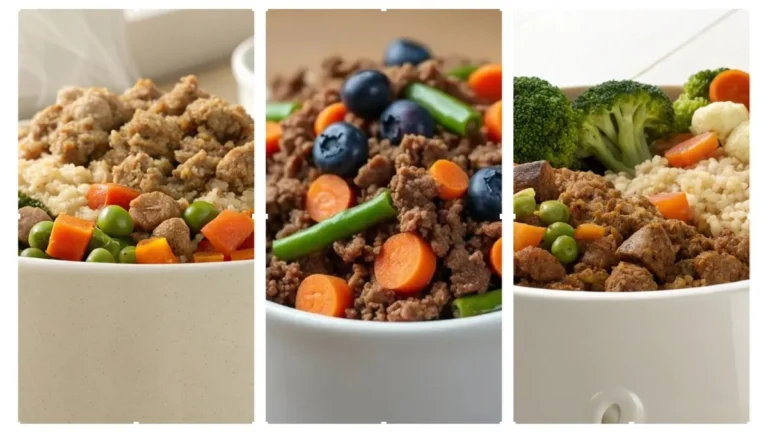
It combines cooked turkey, oats, vegetables, and a few simple ingredients into a soft, hearty mixture that can be used as an occasional homemade meal addition or topper.
You don’t need complicated cooking skills or a kitchen full of specialty ingredients. Just a skillet, a pot, and a little time.
One important note: this recipe should not automatically be considered a complete and balanced diet for long-term feeding. Homemade diets need carefully calculated amounts of essential nutrients, and veterinary nutrition sources recommend using recipes formulated specifically for the individual dog when homemade food is intended to be a primary diet.
Why This Recipe Slaps
The appeal of this recipe is its simplicity.
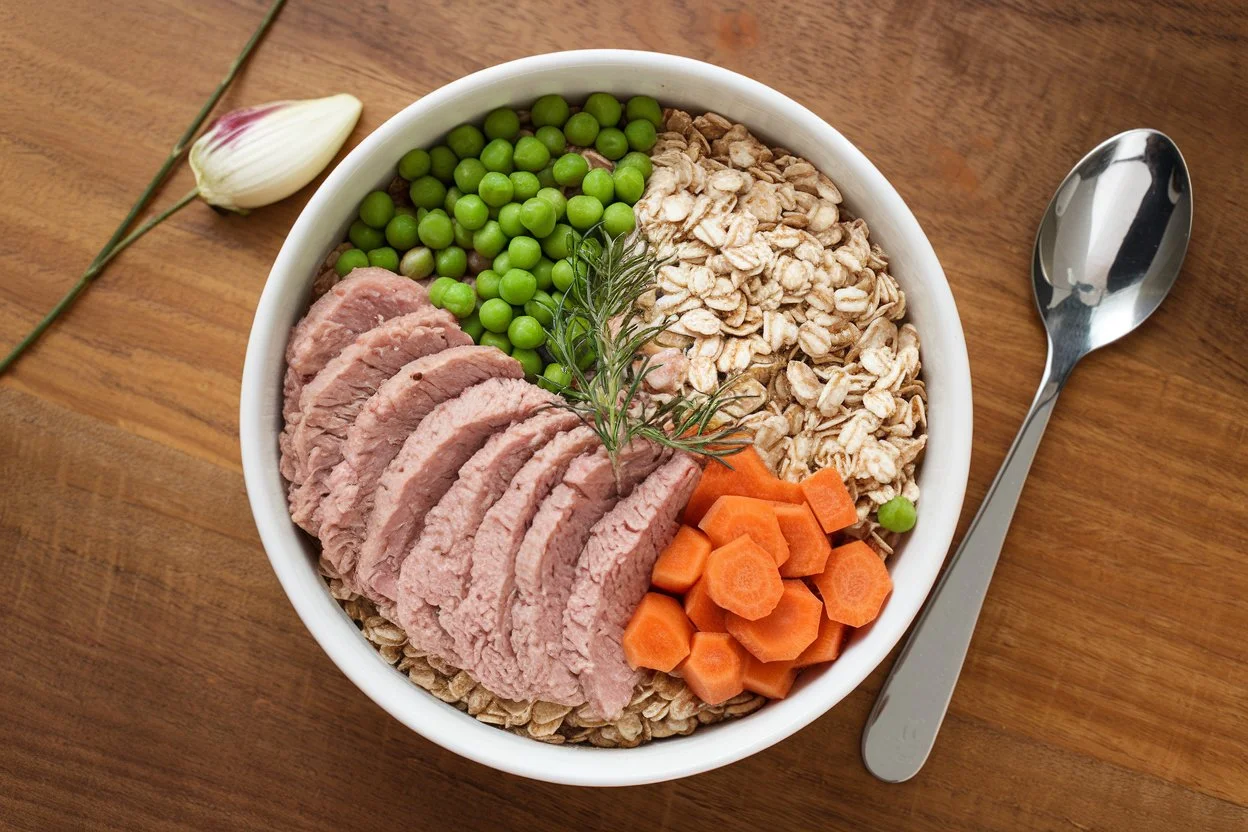
Ground turkey provides a source of animal-based protein, while cooked oatmeal adds carbohydrates and fiber. Carrots and peas bring additional variety and texture, and a small amount of olive oil contributes dietary fat.
Together, these ingredients create a homemade combination that’s easy to prepare and easy to portion.
However, there’s an important difference between using nutritious ingredients and creating a nutritionally complete diet. Dogs need specific amounts of vitamins, minerals, essential fatty acids, amino acids, and other nutrients. A homemade recipe made from meat, grains, and vegetables alone may not supply everything required for long-term health.
For that reason, think of this recipe as an occasional homemade addition or topper unless your veterinarian or veterinary nutritionist has formulated it as your dog’s complete diet.
Ingredients You’ll Need
- 1 lb ground turkey (or finely chopped, boneless turkey breast)
- 1 cup rolled oats (plain, not flavored or sweetened)
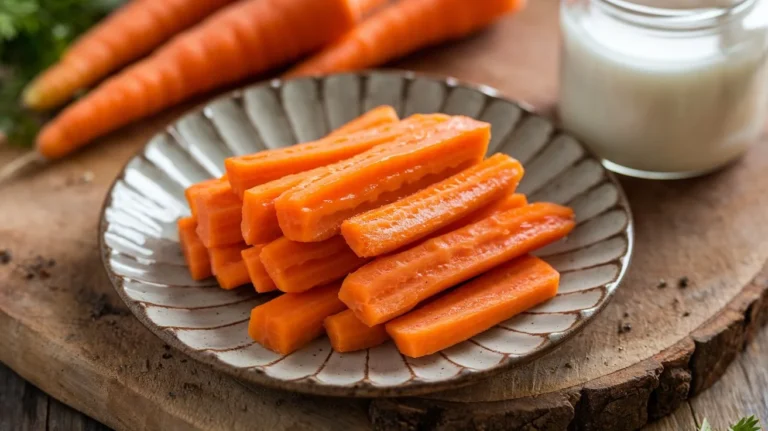
- 1 carrot, shredded (wash and prepare before adding)
- 1/2 cup peas (fresh or frozen, plain)
- 1 tbsp olive oil (optional)
- 2 cups water or low-sodium broth (make sure the broth contains no onion or garlic)
- Optional: 1 tsp turmeric (use only a small amount if your dog tolerates it)
Keep every ingredient plain. Avoid seasoning mixes, sauces, onion, garlic, excessive salt, and other ingredients that aren’t appropriate for dogs.
How to Make It: Lazy Chef Edition
- Cook the turkey. Brown the ground turkey in a skillet over medium heat, breaking it into small pieces as it cooks. Continue until it’s thoroughly cooked. If there is a large amount of excess fat, drain it before continuing.
- Add the oats and liquid. Add the rolled oats and water or suitable low-sodium broth. Stir everything together and allow it to simmer until the oats become soft and the mixture thickens.
- Toss in the veggies. Add the shredded carrot and peas and continue cooking until the vegetables are tender. If you’re using turmeric, add the small amount during this step.
- Cool it down. Remove the mixture from the heat and allow it to cool thoroughly before serving. Don’t serve it piping hot—your dog doesn’t need to discover that lesson the hard way.
Storage: Don’t Let It Go Rogue
Once cooked, transfer the food into a clean, airtight container and refrigerate it promptly.
Store refrigerated portions for up to about 3 days. For longer storage, divide the mixture into individual portions and freeze them in freezer-safe containers or bags.
Thaw frozen portions in the refrigerator before serving. If you warm the food, check the temperature carefully before putting it in your dog’s bowl.
Labeling your freezer portions is also a surprisingly useful idea. Future-you will appreciate knowing exactly what is hiding in that container.
Why Your Dog Will Obsess Over This
- Digestive health: Cooked oats provide carbohydrates and fiber, while their soft texture makes them an easy ingredient to incorporate into homemade dog food. However, fiber isn’t a cure-all for digestive problems, and dogs with ongoing gastrointestinal symptoms should be evaluated by a veterinarian.
- Shinier coat: Turkey and olive oil provide dietary fat, but coat and skin health depend on your dog’s overall nutritional intake rather than one particular ingredient.
- No unnecessary seasonings: Because you’re making the recipe yourself, you can keep it free from sauces, heavy seasoning, and ingredients that may be inappropriate for dogs.
And honestly, there’s another benefit: you know exactly what went into the bowl.
Common Mistakes (AKA How to Ruin Dinner)
- Overcooking the turkey. Cook it thoroughly, but there’s no reason to turn it into dry, chewy chunks. Breaking it into small pieces while cooking helps create a softer final mixture.
- Skipping the cooling step. Freshly cooked food can be much hotter than it appears. Let it cool to a safe temperature before serving.
- Using instant oats. Plain rolled oats work well here and give the recipe a pleasant texture. Avoid flavored oatmeal packets, which may contain added sugar, salt, or other ingredients you don’t want in your dog’s bowl.
- Using seasoned broth. Always check the ingredient label on broth. Onion and garlic are unsafe for dogs, so don’t use broths containing them.
- Treating the recipe as a complete diet. This is the biggest mistake to avoid. A homemade recipe isn’t nutritionally complete simply because it contains protein, vegetables, and grains. Long-term homemade diets should be formulated by a veterinary nutrition professional.
Alternatives for Picky Eaters
Want to change things up?
You can replace the turkey with plain cooked chicken or an appropriately lean ground beef option. Just remember that changing the protein can also change the recipe’s calorie and nutrient profile.
Not a fan of peas? Try green beans or a small amount of plain pumpkin puree instead.
You can also experiment with another cooked grain or carbohydrate source, such as quinoa, provided your dog tolerates it.
Introduce new ingredients gradually rather than changing several ingredients at once. That makes it easier to identify what agrees with your dog’s stomach.
FAQs
Can I use frozen turkey?
Yes. Frozen turkey can be used, but thawing it in the refrigerator before cooking makes it easier to cook evenly.
Cook the turkey thoroughly and make sure no raw portions remain before combining it with the other ingredients.
How much should I feed my dog?
There isn’t one safe serving size that works for every dog.
Your dog’s ideal amount depends on body weight, age, activity level, current diet, body condition, and overall health. If you’re using this as a topper or supplemental food, keep the portion modest and account for those calories in your dog’s daily intake.
Treats and other extras should generally make up only a small portion of a dog’s daily calories; Merck Veterinary Manual notes that treats and snacks should be kept below 10% of total caloric intake to help prevent nutritional imbalance and excess calories.
If you want this recipe to replace your dog’s regular food, ask your veterinarian or a board-certified veterinary nutritionist to formulate the recipe and determine an appropriate serving amount.
Is turmeric safe for dogs?
Small culinary amounts of turmeric are generally used in some homemade dog-food recipes, but it isn’t necessary for this recipe.
If your dog has a medical condition or takes medication, ask your veterinarian before adding supplements or concentrated amounts of herbs. Also, don’t rely on turmeric as a treatment for inflammation or disease.
Final Thoughts
This homemade turkey and oatmeal dog food recipe is a straightforward way to prepare a warm, homemade food addition using ingredients you can easily recognize.
Tender turkey, soft oats, carrots, and peas make a simple combination that can be prepared ahead of time and portioned for convenience.
Just remember that homemade doesn’t automatically mean nutritionally complete. If you’re preparing food as an occasional topper or treat, keep the portions appropriate and continue providing your dog’s regular complete and balanced diet. If you want to feed homemade food as the main diet, have the recipe professionally formulated for your dog’s specific nutritional needs.
Make it simple, keep the ingredients dog-friendly, let it cool, and serve it as part of a thoughtful overall feeding plan. Your pup will probably still consider you their personal chef.