7 DIY Dog Food Ideas with Peas
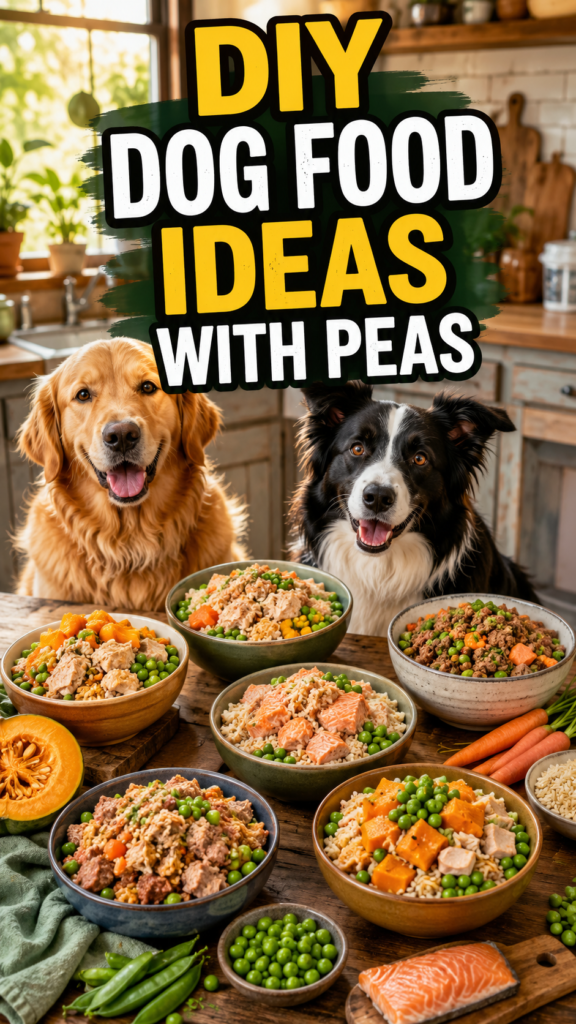
Making DIY dog food ideas with peas part of your routine can feel overwhelming at first. I remember staring at bags of dog food in the store and wondering what was actually helping my dogs thrive. After spending decades caring for dogs of all ages and sizes, I found that preparing meals at home gave me a much clearer understanding of what was going into their bowls.
One thing I’ve learned is that simple ingredients often work best. Peas are one of those ingredients I regularly use because they add fiber, vitamins, and texture without making meals complicated. While homemade meals can be a great option, I always recommend checking with your veterinarian before making major dietary changes.
Save For Later
Key Takeaways
- Peas provide fiber, vitamins, and plant-based nutrients for many dogs.
- Homemade meals make it easier to manage ingredient quality.
- Protein should remain the foundation of most homemade dog recipes.
- Different recipes help prevent mealtime boredom.
- Portion sizes should match your dog’s age, size, and activity level.
- Veterinary guidance is important for long-term homemade feeding plans.
Pro Tip
One mistake I made early on was cooking large batches and feeding the same recipe every day. Over time, I noticed my dogs responded better when I rotated proteins and vegetables throughout the week. I now prepare smaller batches and freeze individual portions. This keeps meals fresher and makes it easier to introduce variety. When using peas, I mix them with lean proteins instead of relying on them as the main ingredient. I also mash or lightly cook peas for dogs that have sensitive digestion. Small adjustments like these can make homemade feeding much more successful.
Other posts
- DIY Superfood Dog Meals for Better Health
- Pumpkin DIY Dog Food Recipes for Sensitive Stomachs
- High Protein DIY Dog Food Ideas for Active Dogs
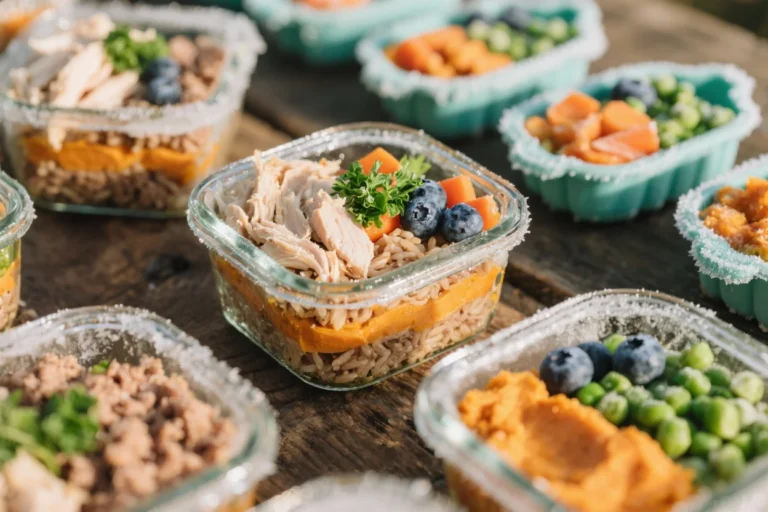
1. Chicken & Pea Power Bowl
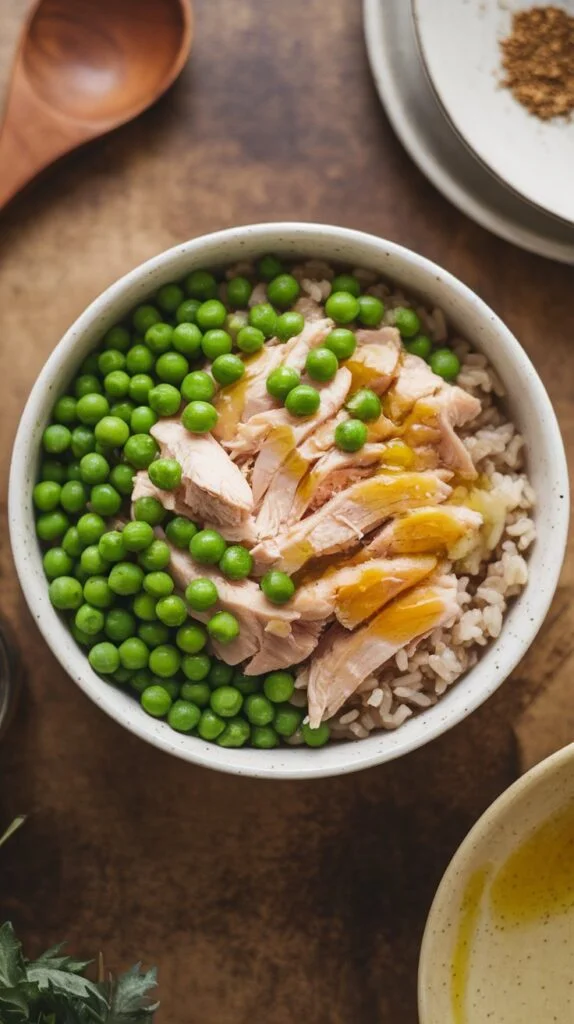
Over the years, this has been one of my most reliable “go-to” meals. When dogs are transitioning from commercial food or recovering from stomach upset, chicken and peas are gentle and familiar.
What you need:
Cooked chicken breast (skinless and boneless)
Cooked peas (fresh or frozen, well-softened)
Cooked brown rice
A small amount of fish or salmon oil (optional)
How to make it:
Cook the chicken until fully tender and shred it finely.
Steam or boil peas until soft.
Mix chicken, peas, and brown rice thoroughly.
Add a tiny drizzle of oil if your dog needs extra calories or coat support.
Why it’s great:
Lean protein supports muscle maintenance, peas provide fiber, and brown rice offers steady energy. I’ve fed this to dozens of dogs over the years, especially picky eaters.
Nutrition per serving:
Calories: ~320 kcal
Protein: ~28g
Fat: ~8g
Carbs: ~32g
Fiber: ~4g
Key vitamins: B6, B12, Omega-3
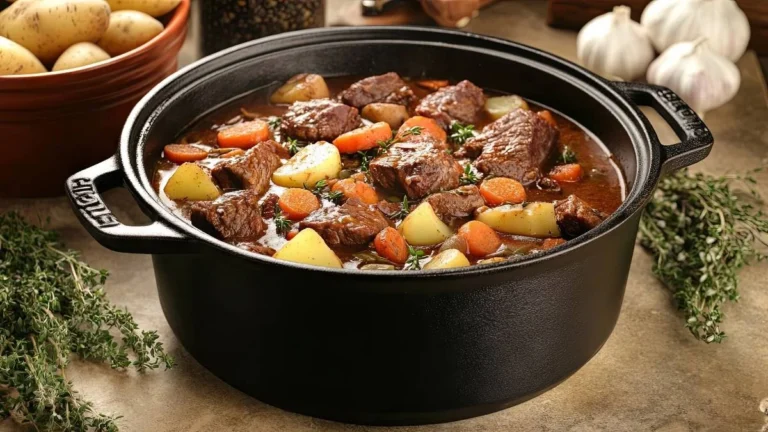
2. Beef & Sweet Pea Mash-Up
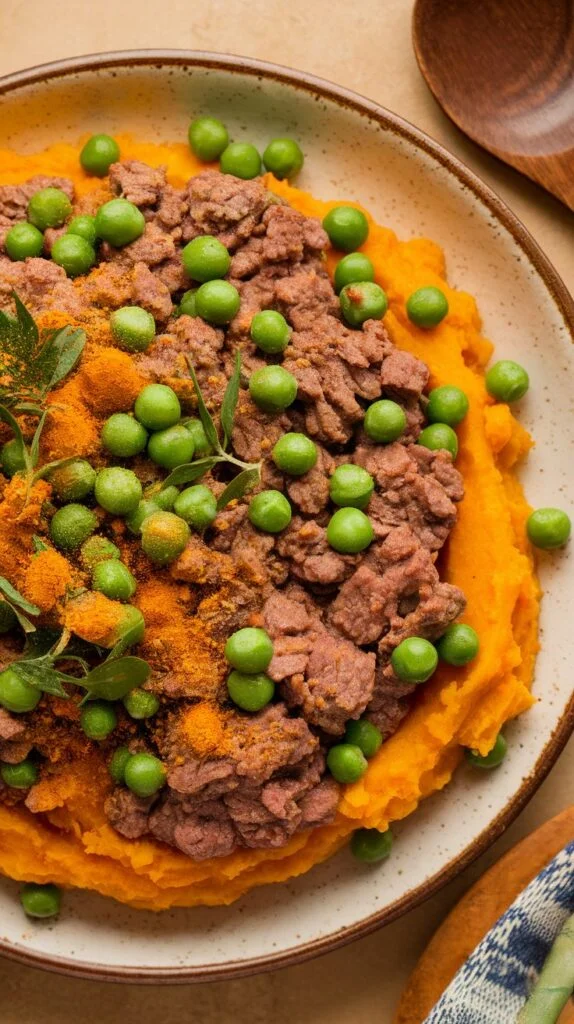
This is comfort food for dogs. I’ve seen even the laziest tail start wagging when this hits the bowl.
What you need:
Lean ground beef
Cooked peas
Sweet potatoes, fully mashed
A pinch of turmeric (very small amount)
How to make it:
Brown the beef thoroughly and drain excess fat.
Mash cooked sweet potatoes until smooth.
Mix beef, peas, and sweet potatoes together.
Add a light sprinkle of turmeric.
Why it’s great:
Sweet potatoes provide slow-digesting carbs, peas add fiber, and beef delivers rich flavor and iron.
Nutrition per serving:
Calories: ~350 kcal
Protein: ~25g
Fat: ~12g
Carbs: ~35g
Fiber: ~5g
Key vitamins: A, C, E
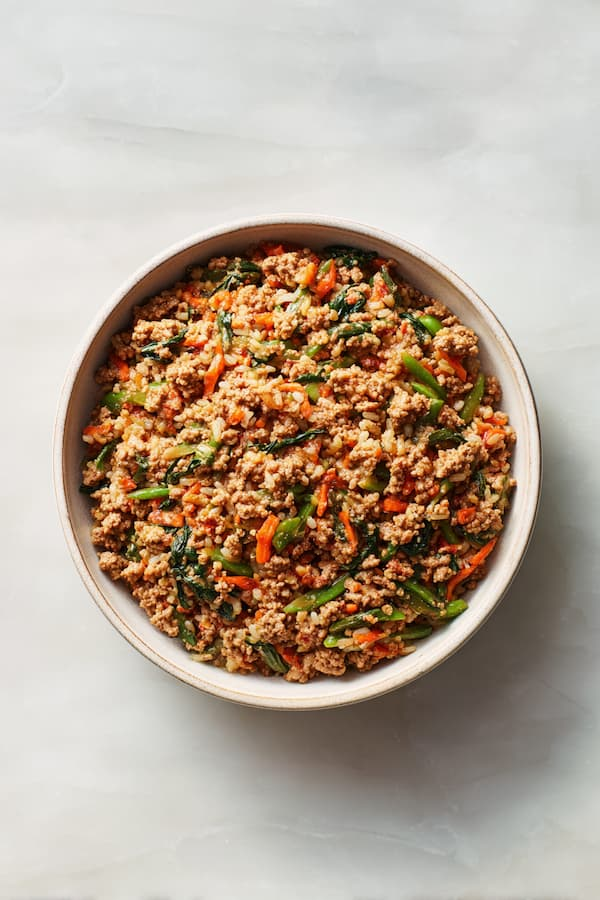
3. Turkey & Pea Protein Boost
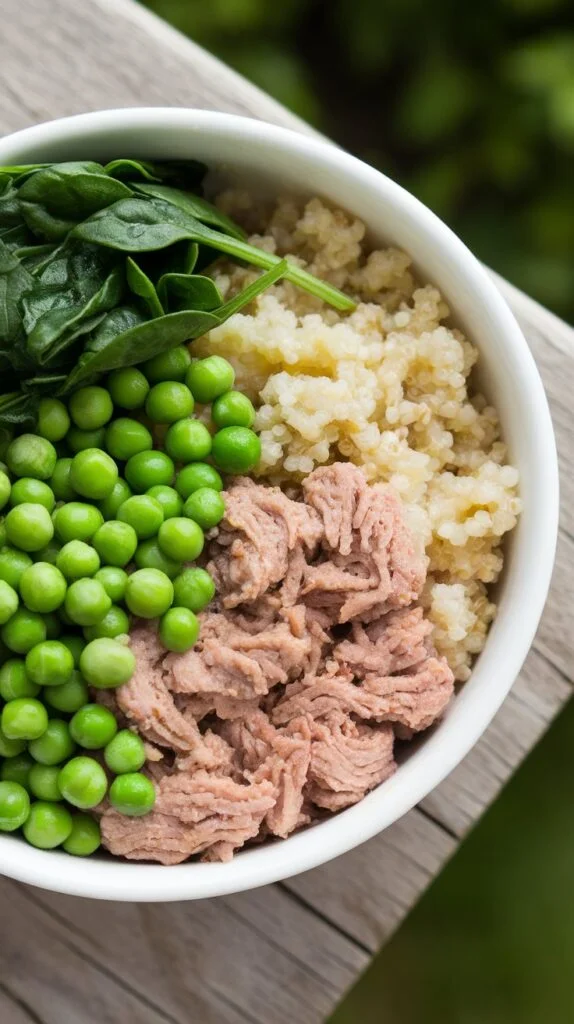
This recipe is ideal for active dogs. I’ve used it for dogs that hike, run, or simply act like athletes at home.
What you need:
Ground turkey
Cooked peas
Lightly steamed spinach
Cooked quinoa
How to make it:
Cook turkey fully, breaking it into small pieces.
Steam spinach briefly to reduce bitterness.
Mix turkey, peas, spinach, and quinoa evenly.
Why it’s great:
Turkey is lean, quinoa contains complete amino acids, and peas add digestible fiber.
Nutrition per serving:
Calories: ~300 kcal
Protein: ~27g
Fat: ~7g
Carbs: ~28g
Fiber: ~4g
Key minerals: Iron, magnesium
4. Fish & Green Pea Feast
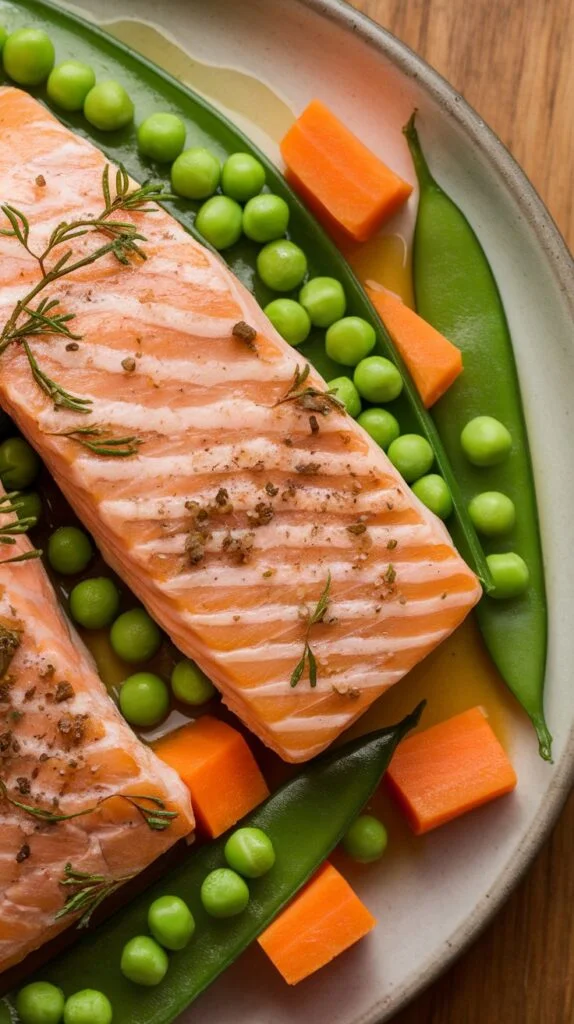
After years of grooming dogs, I can tell you diet shows up first in the coat. Fish-based meals make a visible difference.
What you need:
Cooked salmon or white fish (boneless)
Cooked peas
Steamed carrots, diced
A small amount of coconut oil
How to make it:
Bake or grill fish until flaky and bone-free.
Steam carrots until soft.
Mix fish, peas, and carrots together.
Add coconut oil sparingly.
Why it’s great:
Omega-3 fatty acids support joints, skin, and coat health, especially in senior dogs.
Nutrition per serving:
Calories: ~310 kcal
Protein: ~26g
Fat: ~9g
Carbs: ~24g
Fiber: ~5g
Key nutrients: Vitamin A, D, Omega-3
5. Chicken, Pea & Pumpkin Stew
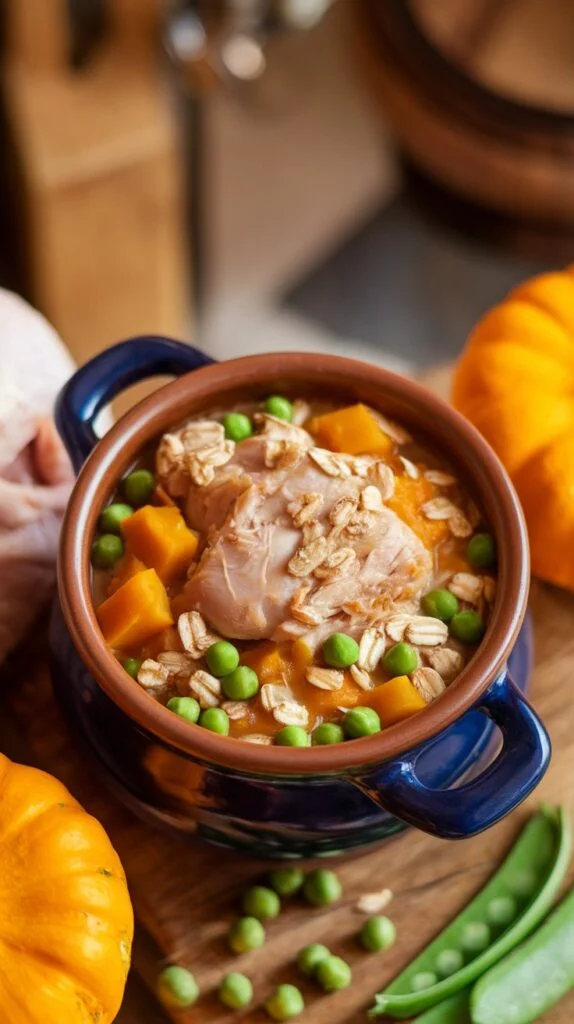
Pumpkin has saved me more than once when a dog’s digestion was off. It’s one of the most reliable ingredients I’ve ever used.
What you need:
Boneless, skinless chicken thighs
Cooked peas
Pure pumpkin puree (unsweetened)
Cooked oatmeal
How to make it:
Cook chicken and shred finely.
Warm pumpkin puree and stir in peas.
Add chicken and oatmeal until thick and stew-like.
Why it’s great:
Pumpkin and peas regulate digestion, making this perfect for sensitive stomachs.
Nutrition per serving:
Calories: ~330 kcal
Protein: ~26g
Fat: ~8g
Carbs: ~30g
Fiber: ~6g
Key vitamins: A, C, E
6. Lamb & Pea Medley
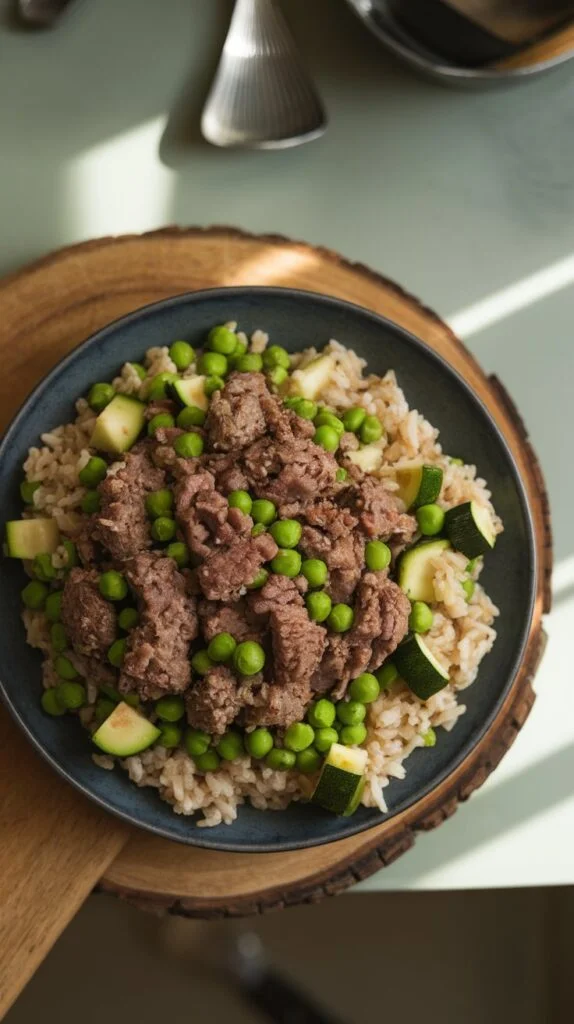
Lamb has been a lifesaver for dogs with food sensitivities in my experience.
What you need:
Ground lamb
Cooked peas
Steamed zucchini
Cooked brown rice
How to make it:
Cook lamb thoroughly and drain excess fat.
Steam zucchini until tender.
Mix lamb, peas, zucchini, and rice together.
Why it’s great:
Lamb is nutrient-dense and often tolerated better by sensitive dogs.
Nutrition per serving:
Calories: ~360 kcal
Protein: ~24g
Fat: ~14g
Carbs: ~32g
Fiber: ~4g
Key nutrients: Zinc, vitamin B12
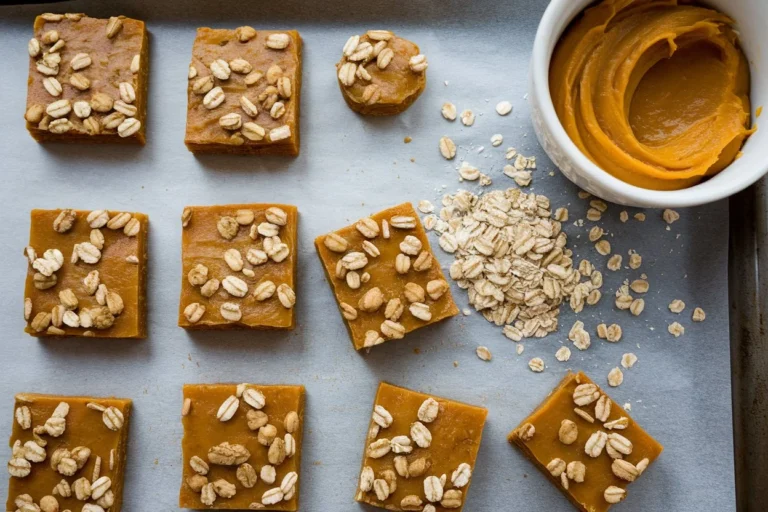
7. DIY Frozen Pea & Yogurt Treats
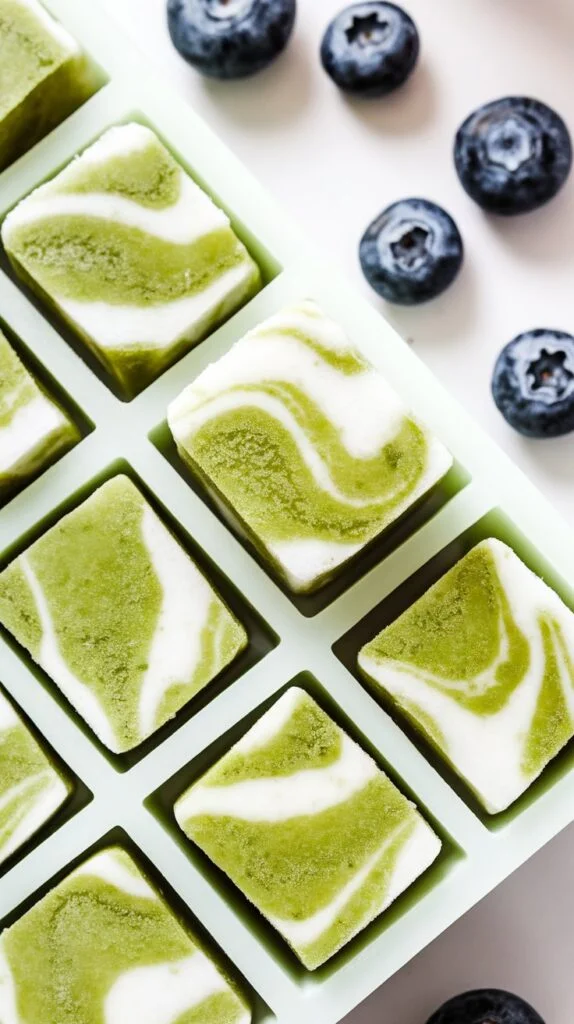
These treats have been a summer favorite in my house for years.
What you need:
Cooked peas, mashed
Plain Greek yogurt (no sugar, no xylitol)
Blueberries (optional)
How to make it:
Blend peas and yogurt until smooth.
Pour into molds or trays.
Freeze for at least 2 hours.
Why it’s great:
Cooling, probiotic-rich, and mentally stimulating.
Nutrition per treat:
Calories: ~45 kcal
Protein: ~3g
Fat: ~1.5g
Carbs: ~6g
Fiber: ~1g
Key nutrients: Probiotics, vitamins C and K
Tips for Cooking with Peas for Dogs
Fresh or frozen peas are ideal. Canned peas often contain excess sodium.
Moderation matters—too many peas can cause gas.
Introduce peas gradually to avoid digestive upset.
Rotate ingredients to prevent nutritional gaps.
Peas should support meals, not replace primary protein sources.
According to canine nutrition studies, fiber should make up no more than 5–10% of a dog’s daily intake, which is why balance matters.
Final Thoughts (and a Little Reality Check)
After two decades of caring for dogs, I’ve learned that homemade food can be incredibly rewarding—but only when it’s done responsibly. Dogs need balance, consistency, and variety just like we do.
These DIY dog food ideas with peas are nutritious, practical, and tested through real-life experience. Just remember to work alongside your vet and listen to your dog—because they’ll always tell you how a meal truly landed. 🙂
All content on this site is written and reviewed by our experienced team to ensure it is accurate, reliable, and helpful for our readers. Our Our Process page explains how we carefully research and create high-quality content, while our Team page introduces the professionals behind our work. We also provide clear guidelines for content or image concerns on our Image Removal page, so you can trust that we prioritize transparency, quality, and reader safety.