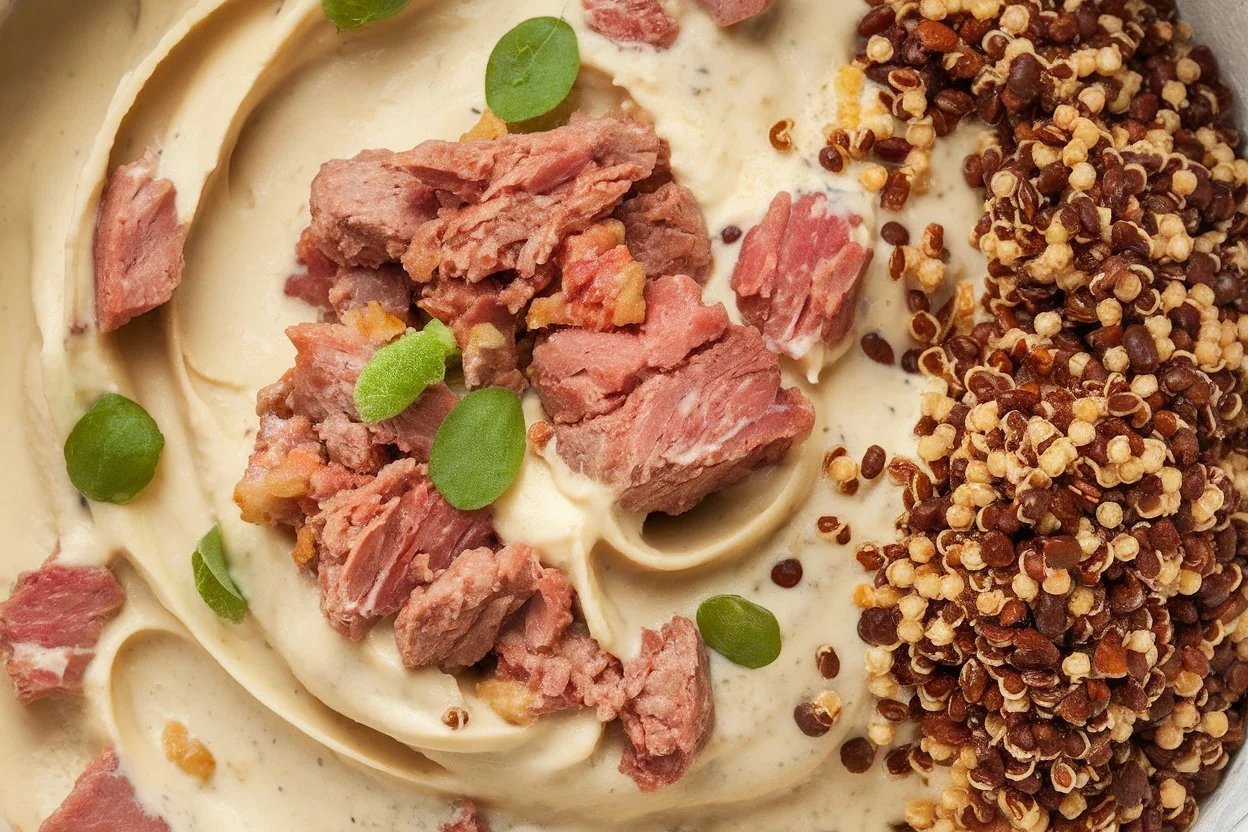
Gut-Boosting Goodies: Homemade Dog Food with Natural Probiotics
If your dog struggles with tummy troubles from time to time, you’re definitely not alone. Over the years, I’ve cared for dogs with sensitive stomachs, and I’ve noticed that even small digestive issues can affect their energy, appetite, and overall comfort. That’s why I started making homemade dog food with natural probiotics using simple ingredients I trust.
A healthy gut plays a major role in your dog’s daily well-being. When I prepare meals that include natural probiotic foods and gentle sources of fiber, I often see better digestion, more consistent stools, and happier dogs. This recipe has become one of my favorite options for supporting canine gut health without relying on heavily processed foods.
Save For later
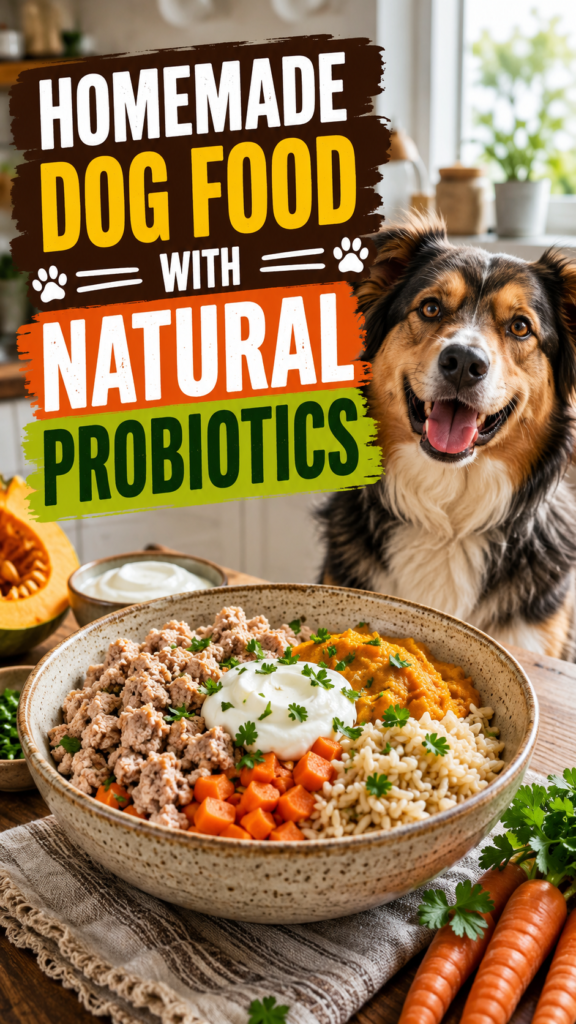
Key Takeaways
- Natural probiotics can help maintain healthy digestion and support immune function.
- Homemade meals allow complete control over ingredient quality and freshness.
- Cooling food before adding probiotic ingredients helps protect beneficial bacteria.
- Fiber-rich vegetables can help promote regular bowel movements.
- Consistent portion sizes help prevent digestive upset.
- Many dogs respond well to food-based probiotics as part of a balanced diet.
Pro Tip
One mistake I made early on was mixing probiotic ingredients into food while it was still warm. Heat can reduce the effectiveness of beneficial bacteria, making the probiotics less useful. Now I always let cooked ingredients cool completely before adding yogurt or other probiotic foods. I also introduce probiotic meals gradually over several days instead of switching all at once. This gives a dog’s digestive system time to adjust and helps avoid unnecessary stomach discomfort. Small changes often produce better long-term results than sudden diet changes.
Other Posts
- Chicken Spinach Immune Boosting Soup for Dogs: Homemade Immune Support Recipe
- Beef Veggie Mix for Dogs: Nutrient-Packed Homemade Dog Food Recipe
- Healthy Homemade Dog Food with Beef: Easy High-Protein Dog Meal Guide
Why Probiotic Dog Food Is a Game Changer
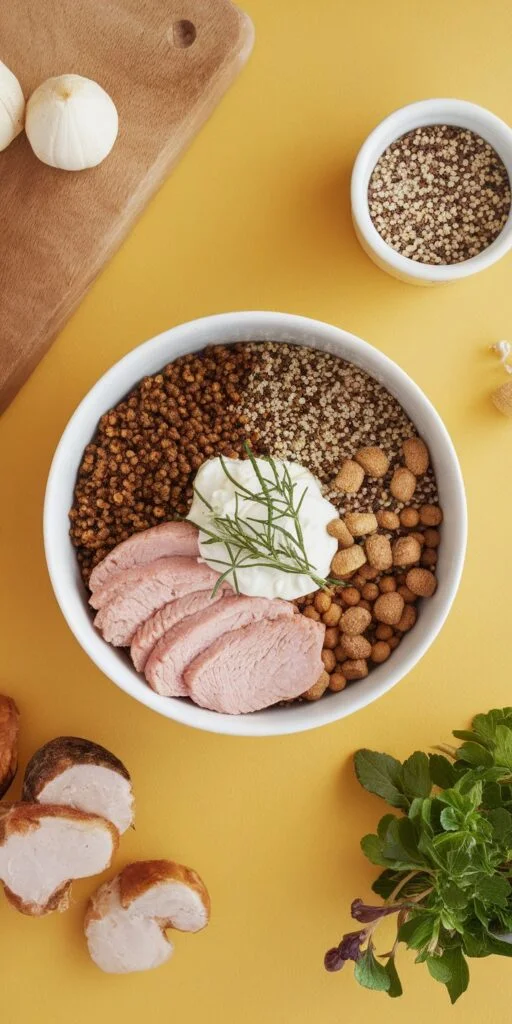
Let’s talk probiotics—the good bacteria that keep your dog’s digestive system balanced. I often explain it to dog parents this way: probiotics are your dog’s internal cleanup crew. They help manage gas, bloating, inconsistent stools, and even recurring skin issues.
Research shows that nearly 70% of a dog’s immune system is linked to gut health, which means digestion impacts far more than just bathroom habits. When I’ve added probiotic-rich meals to a dog’s routine, I’ve seen improvements in appetite, stool consistency, and even coat shine within weeks.
Here’s why this type of food truly helps:
Improved digestion with fewer upset stomach episodes
Stronger immune response through healthier gut bacteria
Better nutrient absorption from everyday meals
Happier dogs with more consistent energy and mood.
Ingredients for This Probiotic-Packed Meal
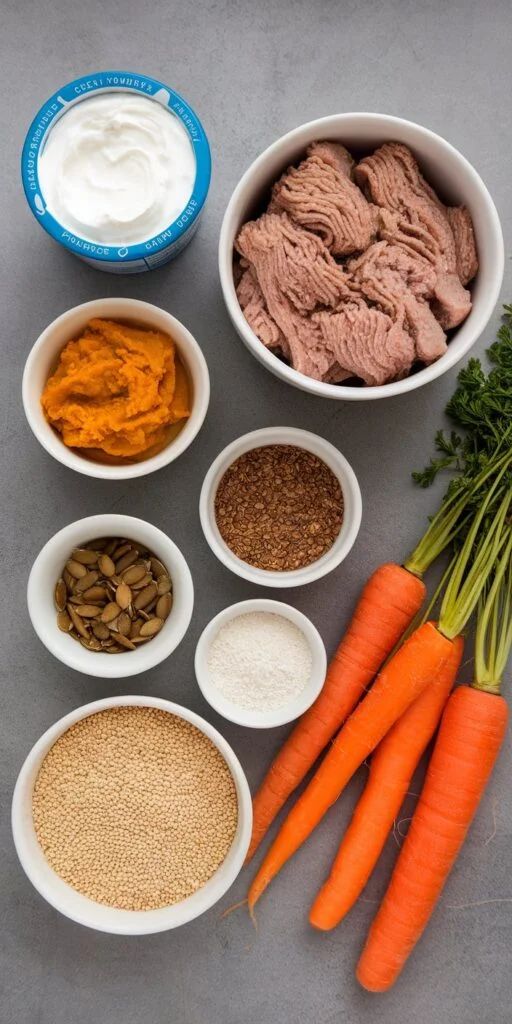
These ingredients are gentle, functional, and tested through years of real feeding—not trends.
1 pound ground turkey or chicken
Lean animal protein supports muscle maintenance without overwhelming digestion.
1 cup cooked brown rice or quinoa
Provides steady energy and helps firm stools.
½ cup pumpkin puree
Pumpkin is one of the best natural sources of soluble fiber for dogs and helps regulate bowel movements.
½ cup carrots, finely chopped or shredded
Adds antioxidants and natural sweetness dogs enjoy.
¼ cup plain, unsweetened Greek yogurt
This is the probiotic powerhouse, delivering live cultures that support gut flora.
1 tablespoon ground flaxseed
Provides omega-3 fatty acids and additional fiber.
1 tablespoon olive oil
Supports skin, coat health, and fat-soluble vitamin absorption.
Optional but helpful:
A small pinch of turmeric for joint and inflammation support
Fresh parsley to support breath and digestion.
Step-by-Step: How to Make This Gut-Boosting Dog Meal
Step 1: Cook the Meat
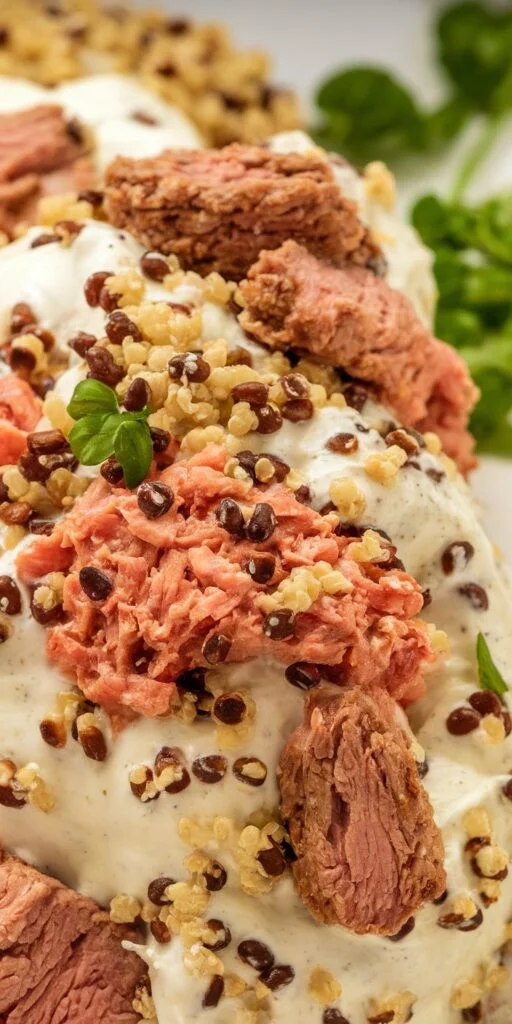
In a large skillet, heat the olive oil over medium heat. Add the ground turkey or chicken and cook until fully browned, breaking it into small, easy-to-chew pieces. I always cook protein thoroughly to reduce bacterial risk.
Step 2: Toss in the Carrots
Add the finely chopped carrots to the cooked meat. Let them cook for about 5 minutes until slightly soft. Light cooking improves digestibility while keeping nutrients intact.
Step 3: Mix in the Pumpkin and Rice
Stir in the pumpkin puree and cooked rice or quinoa. This combination is excellent for stool consistency and gentle digestion. Cook for another 2–3 minutes.
Step 4: Add Flaxseed and Cool Down
Sprinkle in the ground flaxseed and stir well. Remove from heat and allow the mixture to cool completely. This step is critical.
Step 5: Stir in the Greek Yogurt
Once fully cooled, gently mix in the Greek yogurt. Heat destroys probiotics, and I’ve learned the hard way that skipping the cooling step cancels the benefits entirely.
Step 6: Serve and Watch the Tail Wags
Serve an appropriate portion based on your dog’s size. The response is usually immediate—steady tail wags and an empty bowl.
Probiotic Variations to Try
Use kefir instead of yogurt for dogs that prefer thinner textures
Add lightly steamed spinach or kale for extra micronutrients
Swap pumpkin with sweet potato for variety
Cook grains in unsalted bone broth for added collagen and joint support
Rotating ingredients helps maintain microbial diversity in the gut, which is key for long-term digestive health.
Common Mistakes to Avoid
Using flavored or sweetened yogurt, which can upset digestion
Overcooking vegetables, reducing nutrient availability
Adding probiotics to hot food, which kills beneficial bacteria
Overfeeding nutrient-dense meals without adjusting portions
For most adult dogs, probiotics should be introduced slowly over 5–7 days to avoid gas or loose stools.
FAQs: Everything You Need to Know About Probiotic Dog Food
Q: How often can I feed this to my dog?
I typically recommend 2–3 times per week, though some dogs thrive on it more frequently with proper balance.
Q: Can I freeze this meal?
Yes. Freeze individual portions for up to one month. Thaw slowly in the fridge.
Q: What if my dog is lactose intolerant?
Use lactose-free yogurt or dog-safe kefir. Both provide probiotics without digestive stress.
Q: My dog doesn’t like yogurt—what can I do?
Mix it with a small amount of broth or introduce it gradually in tiny amounts.
Q: Can I use probiotic powder instead?
Yes, dog-specific probiotic supplements work well when used as directed.
Q: Can puppies eat this?
Yes, with smaller portions adjusted for age and growth needs.
Q: Is this safe for sensitive stomachs?
Yes, when introduced slowly. The ingredients are specifically chosen for gentle digestion.
Final Thoughts: Your Dog’s Gut Will Thank You
After two decades of feeding dogs and seeing firsthand how diet affects everything from stool quality to coat shine, I truly believe gut health is the foundation of a dog’s wellbeing.
This homemade dog food with natural probiotics isn’t just about avoiding tummy troubles—it’s about helping your dog thrive long-term. When the gut is healthy, everything else follows.
Try it once, and don’t be surprised if your dog starts waiting in the kitchen every time you cook. 😉
All content on this site is written and reviewed by our experienced team to ensure it is accurate, reliable, and helpful for our readers. Our Our Process page explains how we carefully research and create high-quality content, while our Team page introduces the professionals behind our work. We also provide clear guidelines for content or image concerns on our Image Removal page, so you can trust that we prioritize transparency, quality, and reader safety.