Can Dogs Eat Pineapple? The Surprising Truth About This Tropical Treat
If you’ve ever sliced up a fresh pineapple and noticed your dog sitting nearby, waiting patiently for a bite, you’re probably wondering: can dogs eat pineapple safely? After spending more than two decades around dogs, I’ve learned that most pups are eager to taste anything that smells sweet and interesting, especially fruit.
While pineapple can be a safe snack for many dogs, it isn’t something I serve without a little preparation. The fruit contains beneficial nutrients, but it also comes with natural sugars that make moderation important. Knowing which parts are safe and how much to offer can help you avoid unnecessary digestive issues.
Save For Later

Key Takeaways
- Dogs can enjoy fresh pineapple in small portions
- Only the soft fruit should be offered to dogs
- Pineapple contains fiber, vitamin C, and helpful nutrients
- Large servings may lead to digestive upset
- Dogs with certain health conditions may need to avoid pineapple
- Proper cutting and preparation help reduce choking risks
Pro Tip
Whenever I give pineapple to a dog for the first time, I cut it into tiny bite-sized pieces and offer only one or two chunks. I prefer serving it chilled because many dogs seem to enjoy the texture more, especially during warm weather. I never use canned pineapple because it often contains added sugars that dogs don’t need. After introducing any new fruit, I monitor digestion for the next day. If stools remain normal and there are no signs of discomfort, I know the dog tolerated it well. Small portions are usually the safest approach.
Other Posts
- Turkey and Sweet Potato Patties: A Nutritious Homemade Dog Treat Recipe
- Vegan Frozen Berry Coconut Dog Treats for Healthy Summer Snacking
- Can Dogs Eat Strawberries? Benefits, Risks and Feeding Tips
Why Pineapple Isn’t Just Okay for Dogs—It’s Actually Pretty Great
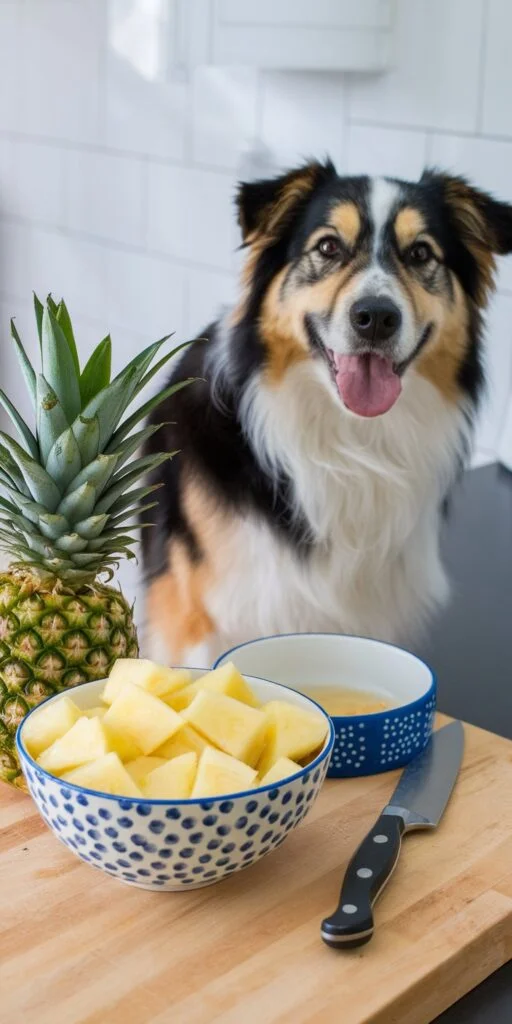
Here’s the good news: pineapple is not only safe for most dogs, it can also offer real nutritional benefits when fed occasionally. Over the years, I’ve used pineapple as a summer treat, a food topper in tiny amounts, and even as a digestion helper for dogs that tolerate fruit well.
Pineapple contains vitamins, minerals, fiber, and a natural digestive enzyme called bromelain. According to canine nutrition research, dietary fiber supports gut health and stool consistency, which is why small fruit portions can be beneficial.
Why it’s worth sharing occasionally:
Vitamin C boost: Supports immune health and helps reduce oxidative stress
Fiber content: Aids digestion and supports healthy bowel movements
Bromelain enzyme: Helps break down proteins and may reduce inflammation
That said, pineapple is still a treat—not a dietary staple. Too much can quickly tip the balance the wrong way.
The Do’s and Don’ts of Feeding Pineapple to Your Dog
Not every part of the pineapple is dog-safe. I’ve seen dogs try to chew on pineapple cores, and that’s a hard no.
What Your Dog Can Eat:
Fresh pineapple flesh
The soft, ripe interior is the only part that’s safe. It should be sweet, juicy, and fully ripe.
Frozen pineapple chunks
These make a fantastic cooling treat during hot weather and can help soothe gums.
What to Avoid:
Pineapple core
It’s extremely fibrous and can become a choking hazard or cause intestinal blockage.
Pineapple skin
The rough outer skin is difficult to digest and can irritate the stomach.
Canned pineapple
Most canned pineapple contains added sugar or syrup, which contributes to obesity and blood sugar spikes in dogs.
How to Safely Feed Pineapple to Your Dog
Over the years, I’ve learned that preparation matters just as much as the food itself.
Step 1: Peel and Remove the Core
Always remove the outer skin and the tough center core completely.
Step 2: Cut into Small Pieces
Dice the pineapple into small, bite-sized chunks. This is especially important for small dogs or fast eaters.
Step 3: Start Slow
If pineapple is new to your dog, offer just one small piece and monitor them for 24 hours.
Step 4: Limit the Portion Size

Because pineapple contains natural sugars, treats should make up no more than 10% of your dog’s daily calorie intake, according to veterinary nutrition guidelines.
When to Skip the Pineapple
Even healthy foods aren’t right for every dog. I’ve worked with dogs whose systems simply don’t tolerate acidic fruits well.
Avoid pineapple if:
Your dog has diabetes or insulin sensitivity
Your dog has a history of stomach sensitivity or acid reflux
Your dog experiences loose stools after eating fruit
Digestive upset is your dog’s way of saying “this doesn’t work for me.”
Creative Ways to Serve Pineapple to Your Dog
Pineapple doesn’t have to be boring. These are options I’ve personally used with dogs that tolerate fruit well.
Frozen pineapple cubes
Refreshing, hydrating, and perfect for warm weather
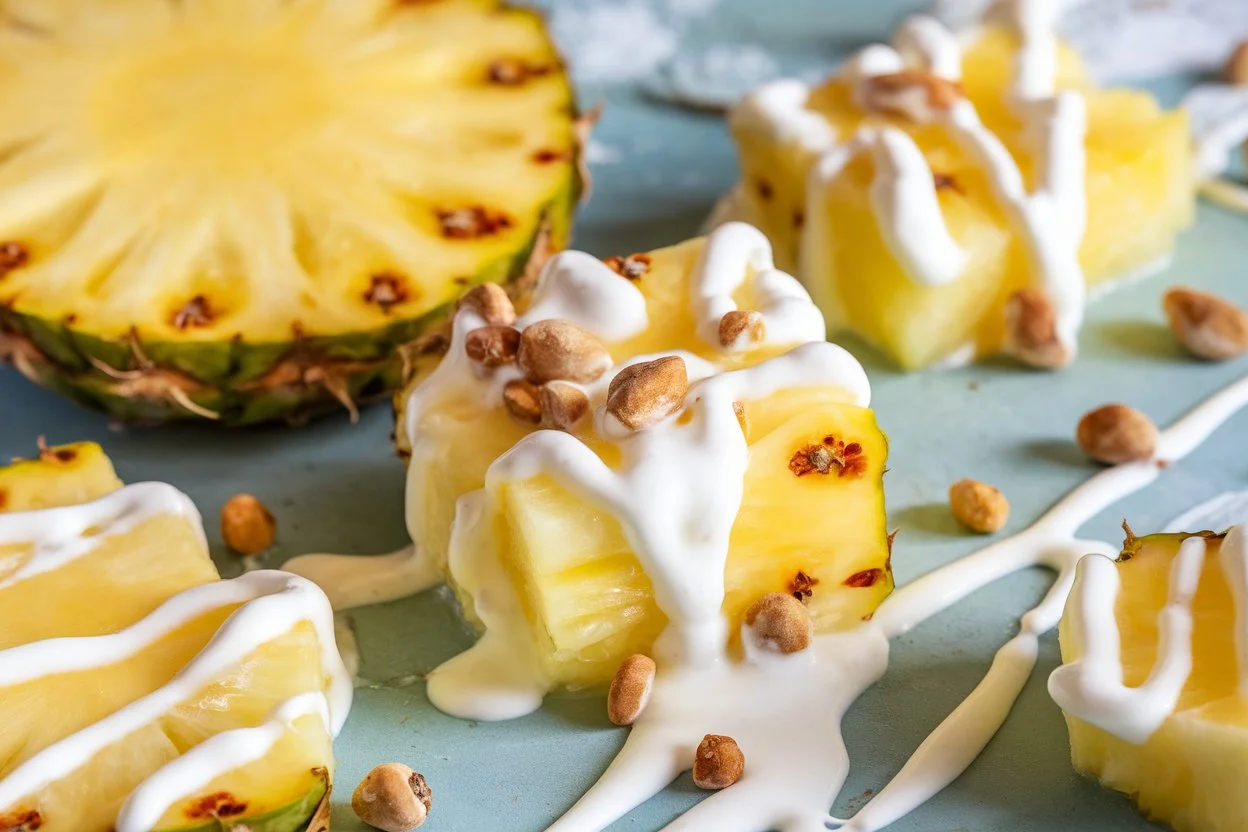
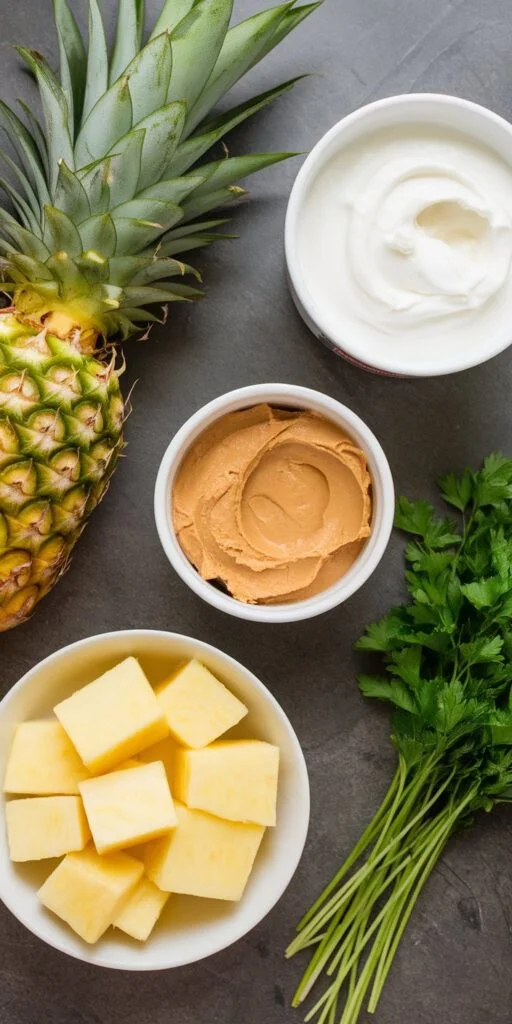
Pineapple mixed with plain Greek yogurt
Adds probiotics and supports gut health when served in moderation
Pineapple and peanut butter pup pops
Blend pineapple with dog-safe peanut butter and freeze in small molds
Common Myths About Dogs and Pineapple
Myth 1: Pineapple stops dogs from eating poop.
This is one of the most common myths I hear.
Truth: There is no scientific evidence proving pineapple stops coprophagia. If your dog eats poop, the cause is usually behavioral, nutritional, or medical and should be addressed with a vet.
Myth 2: Pineapple is too acidic for all dogs.
While pineapple is acidic, most dogs tolerate small amounts without issues. Problems usually arise from overfeeding, not the fruit itself.
FAQs: Everything You Need to Know About Dogs and Pineapple
Q: Can puppies eat pineapple?
Yes, but only in very small amounts. Puppies have sensitive digestive systems, so introduce slowly.
Q: Can dogs eat dried pineapple?
No. Dried pineapple is often high in sugar and lacks moisture, increasing digestive risk.
Q: What happens if my dog eats pineapple skin or core?
Small accidental bites may pass, but large pieces can cause blockages. Watch for vomiting or lethargy and contact your vet if symptoms appear.
Q: Is pineapple good for dogs with constipation?
Yes, in small amounts. The fiber can help, but too much may cause diarrhea.
Q: Can dogs eat pineapple mixed with other fruits?
Yes, as long as the fruits are dog-safe. Avoid grapes, raisins, and citrus.
Final Thoughts: A Sweet Treat with Benefits
So, can dogs eat pineapple? Yes—and many dogs genuinely enjoy it. When served fresh, in small portions, and prepared correctly, pineapple can be a refreshing and nutritious treat.
After 20 years of caring for dogs, I always remind owners that moderation and observation matter more than trends. Watch how your dog reacts, keep portions small, and pineapple can absolutely earn a spot on the occasional treat list.
Just don’t be surprised if your dog suddenly appears every time you open the fridge. 😉
All content on this site is written and reviewed by our experienced team to ensure it is accurate, reliable, and helpful for our readers. Our Our Process page explains how we carefully research and create high-quality content, while our Team page introduces the professionals behind our work. We also provide clear guidelines for content or image concerns on our Image Removal page, so you can trust that we prioritize transparency, quality, and reader safety.