Fiber Boost: A Simple Homemade Dog Food Recipe for Better Digestion
If your dog has trouble with firm stools, regular bowel movements, or occasional tummy issues, a homemade dog food recipe for better digestion may help more than you think. Throughout my years caring for dogs, I’ve seen how the right balance of fiber can make a noticeable difference in digestive comfort and overall wellness.
Many commercial foods focus heavily on protein but often overlook the value of natural fiber sources. That’s why I like preparing simple meals with ingredients that support gut health while still being tasty enough for even picky eaters. This recipe uses everyday ingredients that are easy to find and gentle on most dogs’ stomachs.
Save For Later
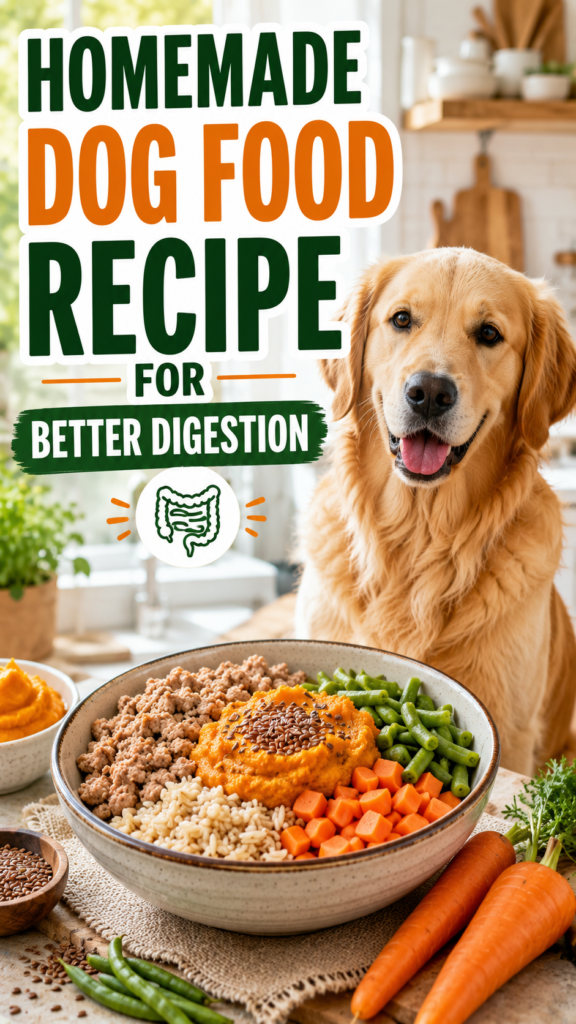
Key Takeaways
- Fiber helps support healthy digestion and regular bowel movements
- Pumpkin and flaxseed are two of my favorite natural fiber ingredients
- Homemade meals give you greater control over ingredient quality
- Gradual changes help prevent digestive discomfort
- Vegetables provide extra nutrients alongside beneficial fiber
- Proper serving sizes help maintain healthy digestion and weight
Pro Tip
When adding more fiber to a dog’s diet, I never make the switch all at once. I usually start by mixing a small amount of the new recipe into their current food for several days. Keep fresh water available because fiber works best when dogs stay hydrated. I also pay close attention to stool consistency during the transition. If stools become too loose or too firm, I adjust the fiber source slightly rather than increasing portions. Small changes tend to work better than dramatic ones. This approach has helped many dogs adapt comfortably to higher-fiber meals.
Related Posts
- DIY Dog Food Ideas With Peas for Healthy Homemade Meals
- How to Make Healthy Homemade Dog Food With Beef
- Homemade Dog Food With Grain Recipes for Balanced Nutrition
Why Fiber Is a Dog’s Secret Weapon
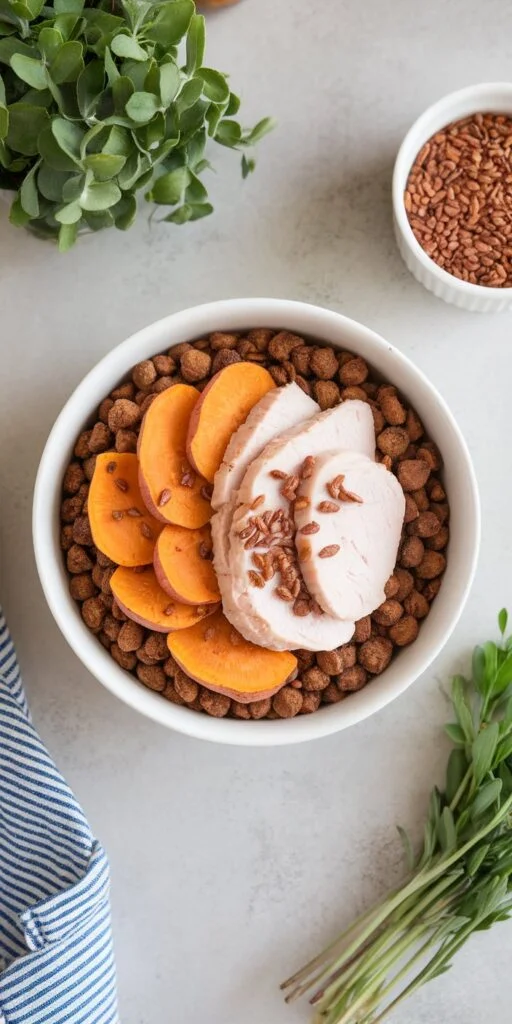
Dogs need fiber just as much as humans do. I’ve observed that dogs on fiber-rich diets often have more regular bowel movements, fewer digestive disturbances, and maintain a healthy weight.
Fiber helps by:
• Improving gut motility—preventing constipation or irregular stools
• Supporting beneficial gut bacteria—crucial for a strong immune system
• Regulating blood sugar levels—especially important for older dogs or those prone to weight gain
In my experience, dogs fed a balanced, fiber-rich diet are noticeably more energetic and playful, likely because their gut is working efficiently. Studies suggest dogs with fiber in their diet have up to 30% fewer gastrointestinal issues than dogs on low-fiber diets.
Ingredients for This Fiber-Rich Feast
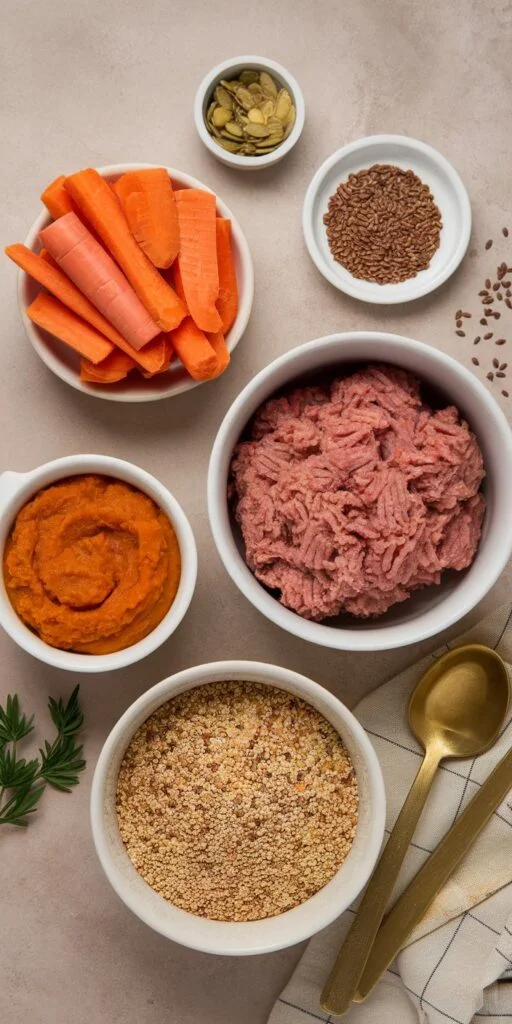
Here’s what I use when making this meal, and it’s worked well for dogs of all ages:
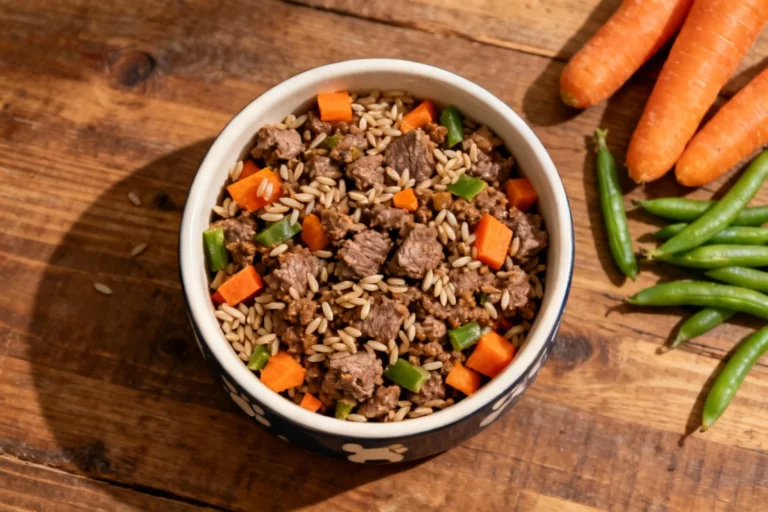
• 1 pound lean ground turkey or chicken (high-quality protein keeps muscles strong)
• 1 cup cooked quinoa or brown rice (fiber-friendly, low-glycemic carbs)
• ½ cup pumpkin puree (rich in soluble fiber for digestion)
• ½ cup green beans, chopped (fiber plus antioxidants for immune support)
• ½ cup shredded carrots (adds fiber and natural sweetness)
• 1 tablespoon ground flaxseed (omega-3 fatty acids and additional fiber)
• 1 tablespoon olive oil (supports skin and coat health)
Optional extras:
• A sprinkle of chia seeds (superfood boost for overall health)
• A dash of turmeric (anti-inflammatory and antioxidant benefits)
Tip from my experience: Rotate vegetables weekly. Dogs enjoy variety, and it ensures they get a broader spectrum of vitamins and minerals.
Step-by-Step: How to Whip Up This Fiber-Filled Meal
Step 1: Brown the Meat
Heat olive oil over medium heat and cook the ground turkey or chicken until fully browned. Break it into small pieces so your dog can chew easily.
Step 2: Add the Veggies
Add green beans, carrots, and pumpkin puree. Cook for 5-7 minutes until softened, preserving nutrients.
Step 3: Mix in the Quinoa and Flaxseed
Add the cooked quinoa or rice and sprinkle in the flaxseed. Mix well to ensure even distribution.
Step 4: Let It Cool and Serve
Remove from heat and allow the meal to cool completely before serving. Dogs’ digestive systems are sensitive, and hot meals can cause irritation.
Extra Tip: If your dog loves creamy textures, add a spoonful of plain Greek yogurt once cooled for probiotics.
Tasty Variations to Keep It Interesting
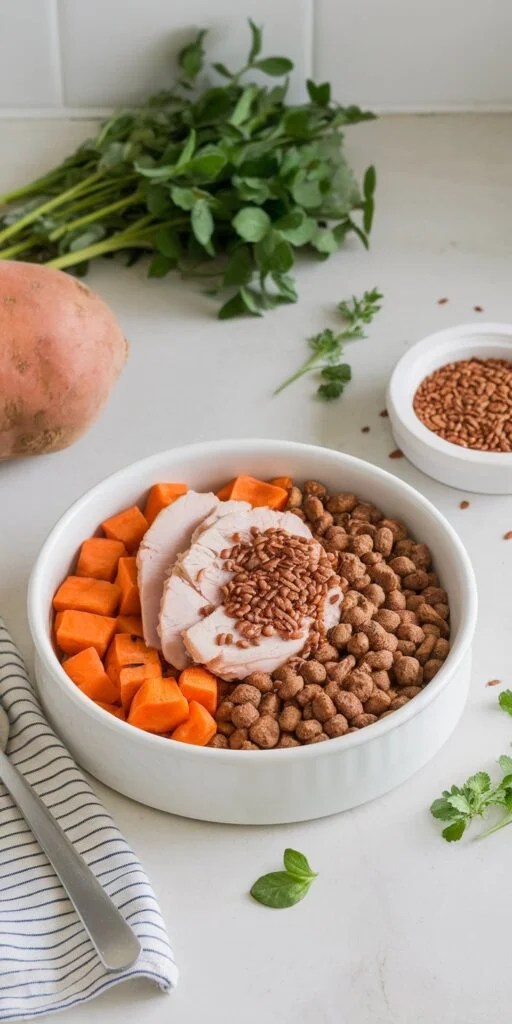
Over 20 years, I’ve found that small changes prevent dogs from getting bored:
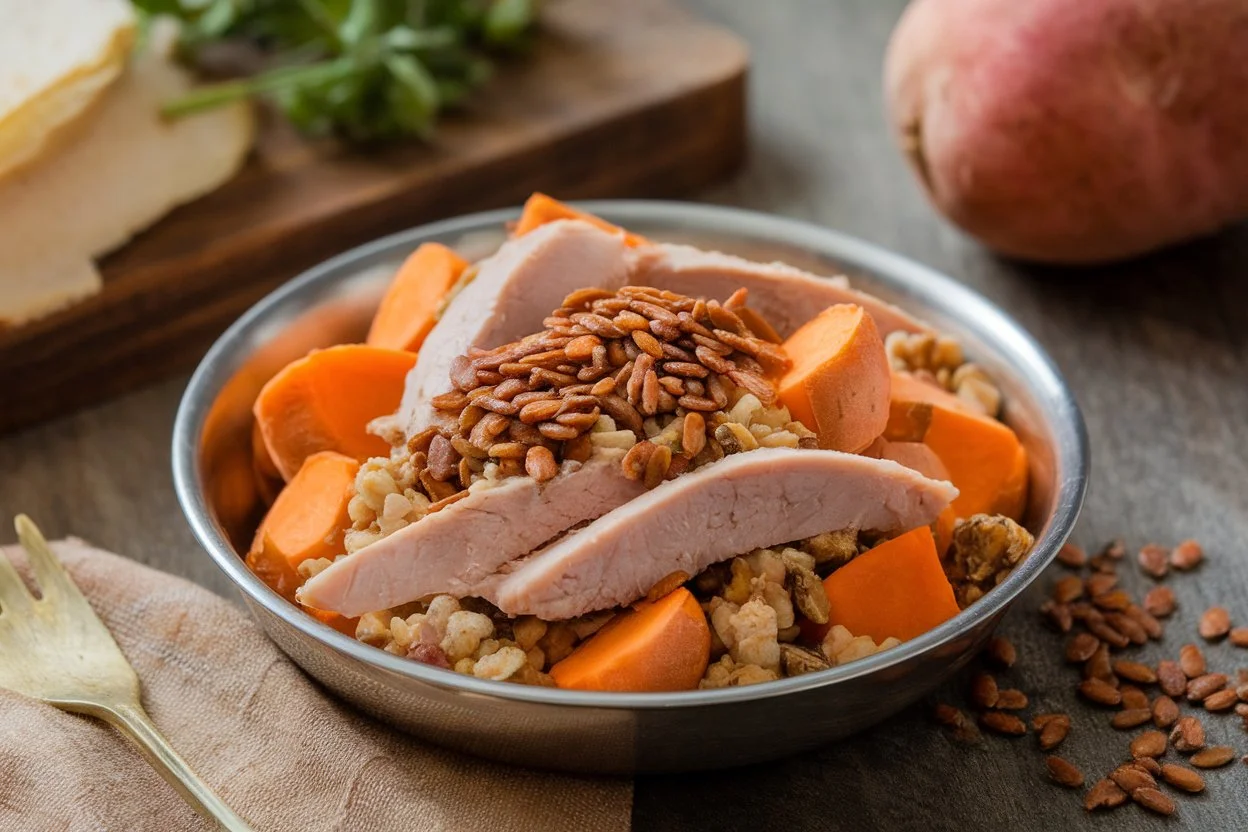
• Swap quinoa or rice for sweet potatoes for softer texture and extra fiber
• Use spinach instead of green beans for additional iron and antioxidants
• Add cooked lentils for extra plant-based protein
• Rotate dog-safe herbs like parsley or basil for flavor and mild digestion support
Common Mistakes to Avoid
• Overloading on fiber—too much can cause diarrhea or bloating
• Undercooking vegetables—raw carrots and beans can be hard to digest
• Skipping cooling time—hot food can irritate your dog’s digestive tract
• Using grains dogs are sensitive to—stick to rice, quinoa, or sweet potatoes for a safe, fiber-rich base
FAQs: Everything You Should Know About Fiber and Dog Health
Q: How often should I feed this to my dog?
A: 2-3 times a week is ideal, or you can mix it into their daily meals in smaller portions. Balance is key.
Q: Can I freeze leftovers?
A: Yes! Store portions in airtight containers for up to a month. Thaw overnight in the fridge.
Q: Can I use oatmeal instead of quinoa or rice?
A: Absolutely. Oatmeal is a great source of soluble fiber. Just cook it plain.
Q: How much should I give my dog?
A: Roughly ½ to 1 cup per meal for a medium-sized dog. Adjust based on weight, activity level, and appetite.
Q: Will this help with constipation?
A: Yes. Pumpkin and flaxseed are natural remedies. Ensure your dog has enough water daily.
Q: What if my dog has diarrhea?
A: Fiber helps regulate both constipation and diarrhea. Start with small portions and monitor.
Q: Are there dogs who shouldn’t eat this?
A: Dogs with certain medical conditions or allergies may need a specialized diet. Consult your vet.
Q: Can I make a vegetarian version?
A: Yes. Lentils, chickpeas, or black beans work well. Make sure they’re fully cooked and safe for dogs.

Final Thoughts: Fiber for the Win
Good digestion is the foundation of a happy, healthy dog. Over my 20 years of feeding and caring for dogs, I’ve seen how fiber-rich meals improve energy, coat health, and overall vitality.
This recipe is simple, effective, and satisfying for both you and your dog. Once your pup gets a taste, be prepared for a side-eye at every kibble meal!
All content on this site is written and reviewed by our experienced team to ensure it is accurate, reliable, and helpful for our readers. Our Our Process page explains how we carefully research and create high-quality content, while our Team page introduces the professionals behind our work. We also provide clear guidelines for content or image concerns on our Image Removal page, so you can trust that we prioritize transparency, quality, and reader safety.