
Can Dogs Eat Eggs? Here’s The Truth
Over my many years raising and caring for dogs, I’ve noticed one thing—dogs love eggs. From breakfast curiosity to mealtime treats, eggs often catch their attention. I’ve learned that eggs can be an excellent addition to a dog’s diet, but only when served correctly. This guide covers everything from nutrition to preparation, ensuring your dog stays healthy and happy.
Save For Later

Key Takeaways
- Eggs are nutrient-rich and safe for most dogs if cooked properly.
- Cooked eggs improve digestibility and reduce bacteria risk.
- Yolks are nutrient-dense but high in calories; feed in moderation.
- Raw egg whites may block biotin absorption.
- Eggshells provide calcium when ground finely.
- Eggs should supplement, not replace, a balanced diet.
The Nutritional Goldmine of Eggs

Eggs are packed with high-quality protein, essential amino acids, healthy fats, and vitamins like A, D, E, B12, riboflavin, and selenium. From experience, eggs support muscle maintenance, coat shine, and recovery after activity.
One large egg contains about 6 grams of protein, which aids muscle repair and immunity. Antioxidants like lutein and zeaxanthin support eye health, which is especially important for senior dogs. Understanding each part of the egg—shell, yolk, and white—is key before feeding.
Egg Shells: Crunchy but Beneficial?
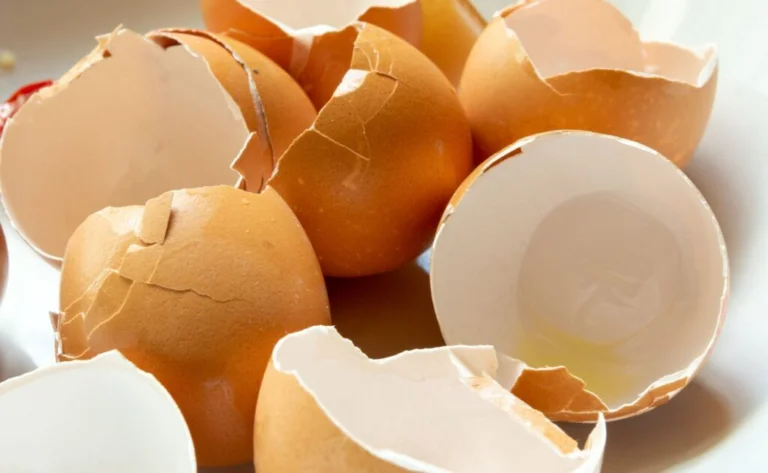
Eggshells may seem odd to feed, but they’re a great source of calcium, making up roughly 95% calcium carbonate. I grind cleaned and dried shells into a fine powder to support bone and dental health, especially for dogs on homemade diets. Whole shells can be sharp and harmful, so proper preparation is essential.
Pro Tip: Always grind clean, dried eggshells into a fine powder before feeding to dogs to safely boost calcium for bones and teeth.
The Yolk: The Golden Goodness
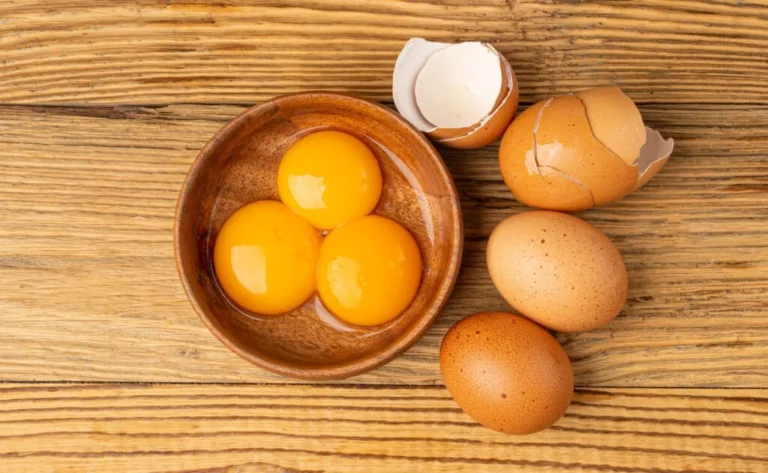
Egg yolks hold most of the nutrients, including vitamins A, D, E, K, omega-3s, omega-6s, and choline. I’ve seen that occasional yolks enhance coat softness and skin hydration. With roughly 55 calories per yolk, moderation is important, particularly for less active or overweight dogs.
Egg Whites: Pure Protein

Egg whites are almost all protein and contain riboflavin and selenium, supporting metabolism and immunity. Raw whites have avidin, which can block biotin absorption over time, affecting skin and coat. Cooking eliminates this risk, making them completely safe for dogs.
Boiled Eggs: The Safe Bet

Hard-boiled eggs are my go-to for safe feeding. They’re easy to digest, require no seasoning, and minimize bacterial risks. I usually chop them into small pieces and mix them into meals for portion control. Dogs with sensitive stomachs tolerate boiled eggs very well.
Raw Eggs: The Controversial Choice

Raw eggs are rich in nutrients but carry salmonella and E. coli risks. Dogs’ stomachs are more acidic than ours, which helps, but some dogs still get digestive upset. Freshness and careful sourcing are crucial if you feed raw eggs, and they should never be a regular staple.
Scrambled Eggs: Doggy Breakfast Delight

Plain scrambled eggs are soft, palatable, and easy on digestion, making them great for dogs recovering from illness. I always cook them without butter, oil, milk, or seasoning. Simple scrambled eggs deliver protein without unnecessary fats or sodium.
Related Posts:
Cooked Eggs: Versatile and Safe

Cooking eggs increases digestibility and removes bacterial risks. Studies show cooked eggs have over 90% protein digestibility, making them an excellent supplement. I often rotate boiled, scrambled, or poached eggs to add variety to a dog’s diet safely.
FAQ
Can dogs eat eggs every day? Not recommended. Two to three times per week is ideal to avoid excess calories and fat.
Can puppies eat eggs? Yes, start small and cooked to prevent digestive upset.
Are there dogs that shouldn’t eat eggs? Dogs with allergies or pancreatitis may react. Watch for itching, vomiting, or diarrhea.
Can dogs eat eggshells? Only when cleaned, dried, and finely ground. Whole shells are unsafe.
How to introduce eggs? Begin with a teaspoon-sized portion, observe for 24 hours, then gradually increase.
Final Thoughts
Eggs are nutritious, affordable, and versatile for dogs when fed with care. From boosting coat quality to supporting recovery and adding meal variety, I’ve seen them make a real difference. Proper preparation and moderation are essential—plain cooking, controlled portions, and monitoring your dog’s response make all the difference. When in doubt, check with your vet to ensure eggs fit your dog’s unique diet.
All content on this site is written and reviewed by our experienced team to ensure it is accurate, reliable, and helpful for our readers. Our Our Process page explains how we carefully research and create high-quality content, while our Team page introduces the professionals behind our work. We also provide clear guidelines for content or image concerns on our Image Removal page, so you can trust that we prioritize transparency, quality, and reader safety.