My Dog Doesn’t Drink Water – Now What?
As a dog parent and someone who’s spent many years in grooming, nutrition, and general care, I’ve seen dogs occasionally ignore water. Considering dogs are around 60% water, it’s concerning when they skip drinking.
Save For Later
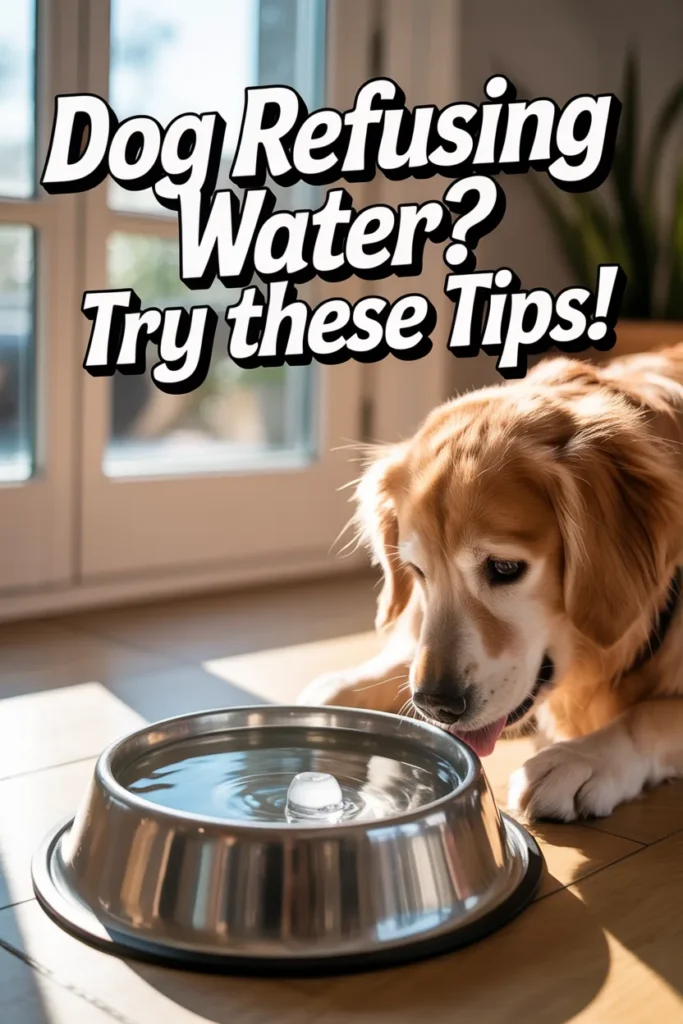
Lack of hydration isn’t just a quirky habit—it can quickly lead to health issues if not addressed. From kidney stress to digestive problems, water refusal needs attention.
Key Takeaways
- Track your dog’s water intake; going over 24 hours without water can be dangerous.
- Keep water bowls clean, fresh, and placed in quiet areas.
- Use low-sodium broth or hydrating fruits like watermelon to encourage drinking.
- Watch for signs of dental issues that require healthy dental treats, nausea, or urinary problems.
- Consult a vet if refusal continues or behavior changes.
- Proper hydration supports digestion, kidney health, and energy levels.
Understanding the Problem
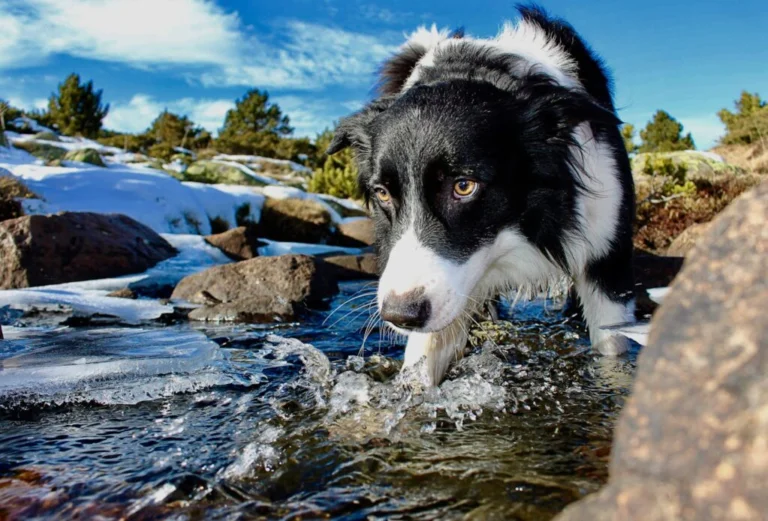
When dogs avoid water, there’s usually a reason behind it. Health issues like dental pain, throat irritation, nausea, or kidney concerns can make drinking uncomfortable. Even minor dental problems can reduce intake noticeably.
Sometimes, plain water simply doesn’t excite them. Research suggests dogs may drink 20–30% more water if lightly flavored with safe options like low-sodium broth. Environmental factors—like a dirty bowl, noisy surroundings, or heat—also play a role. Dogs are sensitive to subtle changes, and adjusting their environment often helps.
Related Posts:
A good rule of thumb: dogs need about 1 ounce of water per pound of body weight daily. Skipping fluids for over 24 hours can become an emergency situation.
Pro Tip: Always track your dog’s daily water intake—adding a few drops of low-sodium broth or moving the bowl to a calm spot can boost hydration.
Start with the Basics
Encouraging hydration often starts with small adjustments. Make sure the water bowl is spotless—residual soap or food particles can turn dogs away.
Fresh, cool water is usually preferred, and placing the bowl in a calm, familiar spot can make a difference. From my grooming experience, rotating bowls weekly and monitoring water levels is surprisingly effective—dogs are sensitive to stale or warm water.
Experimenting with Flavors
When basics aren’t enough, adding a bit of flavor can help. Low-sodium chicken or beef broth (just 1–2 tablespoons per cup of water) often entices dogs to drink.
Hydrating fruits like seedless watermelon or cucumber slices are safe and refreshing. Even ice cubes can help some dogs chew and hydrate simultaneously. I’ve seen dogs who refused water entirely become regular drinkers after just a few drops of broth. Using different bowl materials—ceramic, glass, or stainless steel—can also make a difference.
Pro Tip: Rotate water bowls and try safe flavors like low-sodium broth or watermelon—small changes can turn a water-refusing dog into a regular drinker.
Monitor & Consult
Hydration is critical for energy, digestion, and kidney health. If your dog keeps avoiding water despite your efforts, it’s time to seek veterinary advice. Persistent refusal may signal dental or gum pain, urinary tract infections, gastrointestinal upset, or kidney/liver issues.
I always track daily water intake and note changes in urination, behavior, or energy levels. A vet can recommend safe hydration supplements, like dog-friendly electrolyte solutions, to ensure your pup stays healthy.
All content on this site is written and reviewed by our experienced team to ensure it is accurate, reliable, and helpful for our readers. Our Our Process page explains how we carefully research and create high-quality content, while our Team page introduces the professionals behind our work. We also provide clear guidelines for content or image concerns on our Image Removal page, so you can trust that we prioritize transparency, quality, and reader safety.