How To Clean Wood Floors – 12 Easy Hacks!
Wood floors have a way of making a home feel warm, stylish, and inviting. They are classic, timeless, and instantly elevate any room. But if you own a dog—or even just live a busy life—you know that keeping them spotless is a challenge. Between muddy paws, food spills, and everyday dust, it can feel like your floors are under constant attack. The good news? With the right approach and a few practical habits, you can maintain that polished, beautiful look without feeling overwhelmed. Let’s walk through everything you need to know to keep your wood floors looking amazing.
1. Sweep Like a Pro
Dust and dirt are sneakier than we often realize. Even a little buildup can dull the shine of your floors, and over time, grit can scratch the surface. That’s why regular sweeping or vacuuming is not optional—it’s essential.
Forget the decorative straw broom that looks pretty but doesn’t do much. Instead, grab a microfiber dust mop, which attracts dust and pet hair like a magnet without scratching your wood. If you prefer a vacuum, choose one with a hardwood setting and a soft brush attachment so it glides over your floors safely.
How often? At least once a week is a good starting point, but if you have pets or kids running around constantly, consider doing it a few times a week. Trust me, your floors will thank you.
2. Ditch the Excess Water
Wood and water are not friends. Standing water can seep into the wood, causing warping or permanent damage that’s expensive to fix. Even mopping needs to be done carefully.
Always use a damp mop, never a soaking wet one. Microfiber mops with removable, washable pads work best because they clean effectively without leaving too much moisture behind.
Spills happen, and when they do, grab a cloth and clean them immediately. The faster you remove liquid, the less chance your floors have to absorb it and get damaged.
3. Say No to Harsh Chemicals
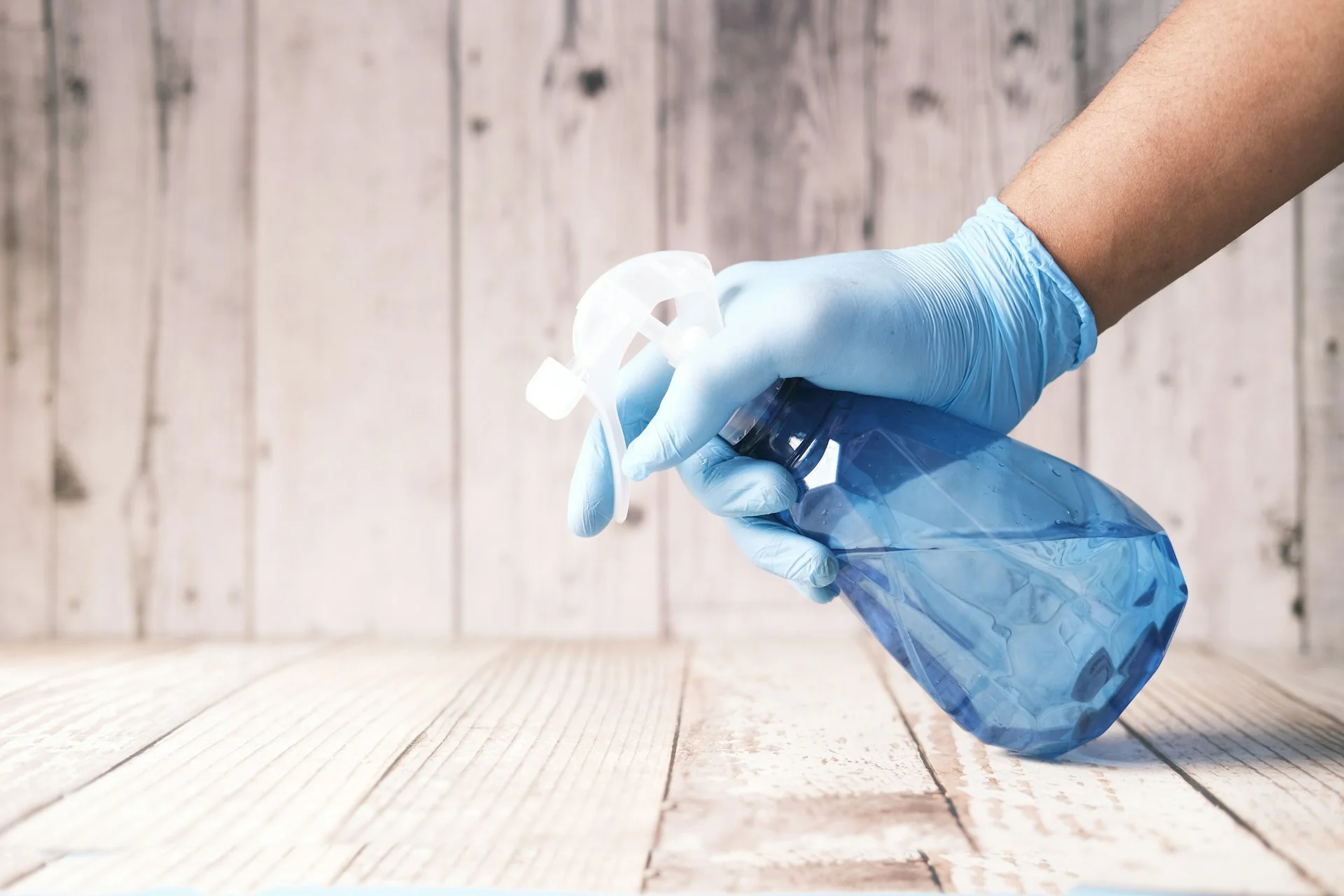
It might be tempting to reach for strong cleaners when your floors get dirty, but many can actually harm the wood. Avoid bleach, ammonia, and even some oil-based soaps. These products can strip the finish or leave a dull film.
Stick to gentle, wood-safe cleaners instead. If you like DIY solutions, try mixing one part white vinegar with ten parts water, and add a few drops of your favorite essential oil. This mixture cleans effectively without being harsh, and it leaves a fresh scent behind.
4. Buff for That Extra Shine
After you’ve swept and mopped, a quick buff can make a world of difference. Use a clean, dry microfiber cloth or towel and gently rub the floor. Buffing removes streaks, leftover residue, and adds a natural shine that makes the wood pop.
Think of it as giving your floors a mini spa treatment. It only takes a few minutes but can make your wood look far cleaner and healthier than mopping alone.
5. Protect High-Traffic Areas
Some parts of your home take a bigger beating than others—think hallways, kitchens, and entryways. Without extra care, these areas can lose their shine faster than the rest of your floors.
Here’s what helps:
- Area rugs or runners: Place them in spots where your feet, shoes, and pet paws hit most often.
- Felt pads under furniture legs: These prevent scratches from chairs, tables, or heavy furniture when moved.
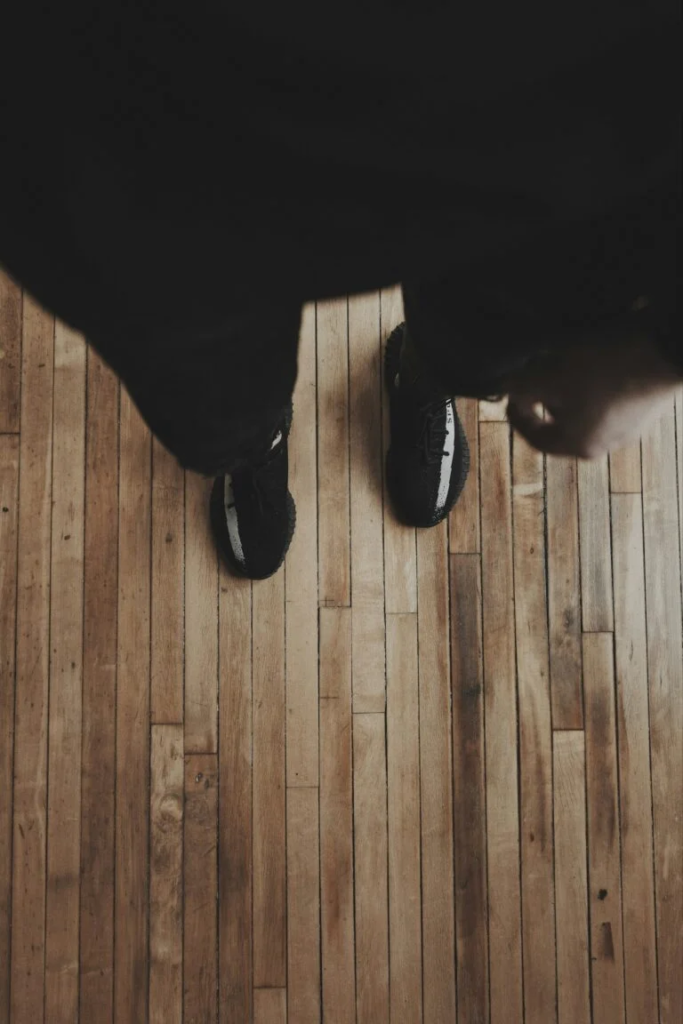
- No-shoes policy: It might feel strict, but keeping shoes off your wood floors dramatically reduces dirt, mud, and scuff marks.
With these steps, high-traffic zones will stay protected and look beautiful for years.
6. Clean Up Spills ASAP
Spills are inevitable, but the timing of your cleanup matters. The longer liquid sits on wood, the higher the risk of stains or warping.
For sticky spills like juice or syrup, use a slightly damp cloth with mild soap to wipe them up gently. Oily spills are trickier—sprinkle a bit of baking soda to absorb the grease, then wipe clean. Always act fast, and never leave any spill sitting, even for a few minutes. This habit alone saves countless headaches.
7. Tackle Scuffs with Everyday Items
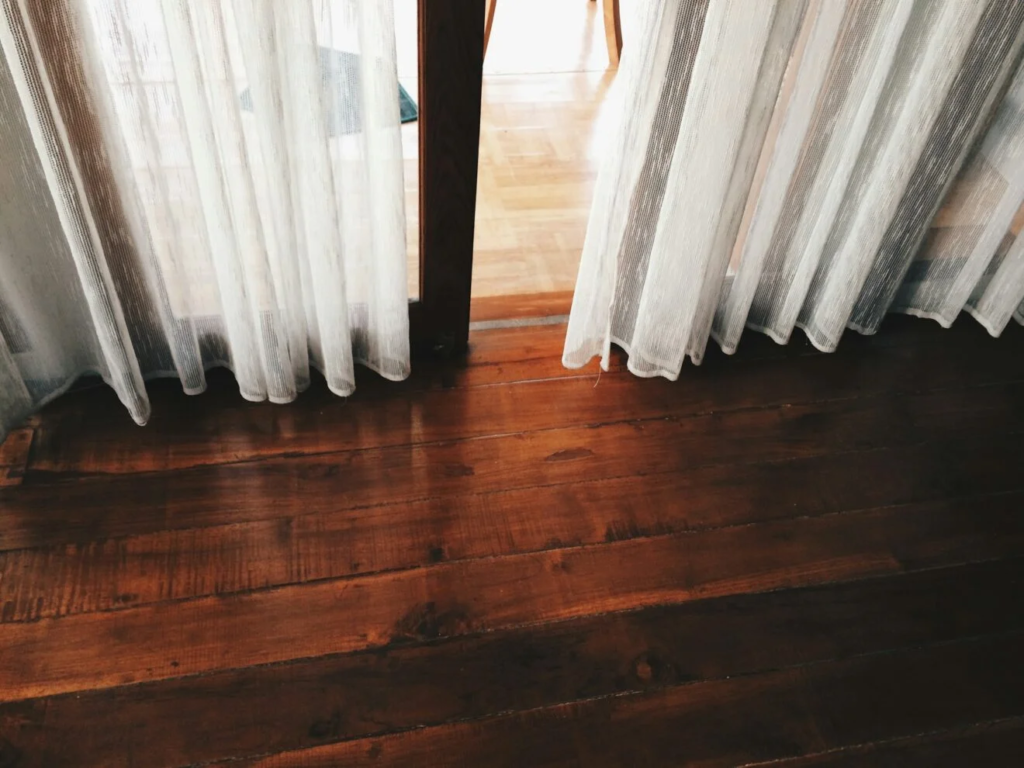
Scuffs and marks happen, especially if you have pets or move furniture frequently. Luckily, you don’t need expensive products to fix them.
A few easy tricks:
- Tennis ball: Rub the edge of a tennis ball on the scuff, and it will gradually disappear.
- Baking soda paste: Mix baking soda with water, gently rub onto the mark, then wipe clean.
Both methods are simple, effective, and safe for your floors.
8. Deep Clean Once in a While
Even with regular sweeping and mopping, wood floors collect built-up grime over time. Deep cleaning every couple of months helps restore that fresh, polished look.
Use a wood-specific deep cleaner or your vinegar solution, working in small sections to ensure it doesn’t dry before wiping. Rinse with a damp cloth afterward and dry thoroughly. This keeps your floors clean and shiny without damaging the finish.
9. Combat Scratches Like a Pro
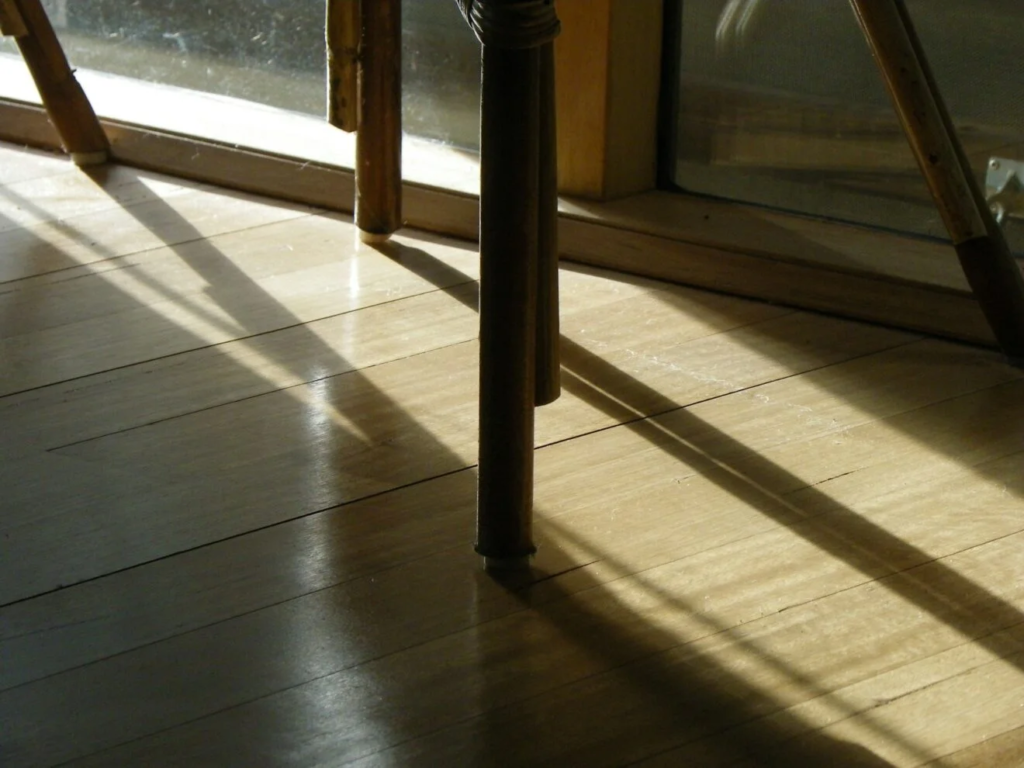
Scratches are part of life with wood floors, but small ones can often be fixed at home.
- Walnuts: Rub a walnut over the scratch. The natural oils fill in the lines and make them less noticeable.
- Wood markers or crayons: Match the color of your floor and carefully fill in scratches.
For deeper scratches, sanding and refinishing might be needed, but minor touch-ups are easy and effective.
10. Polish for Long-Term Protection
Polishing isn’t just about appearance—it helps protect your floors from scratches, scuffs, and everyday wear.
Use a water-based wood polish and apply it with a clean microfiber mop. Let it dry completely before walking on the floor. Polishing every 2–3 months maintains shine and adds a protective layer to keep your wood looking great for years.
11. Be Strategic About Furniture Placement
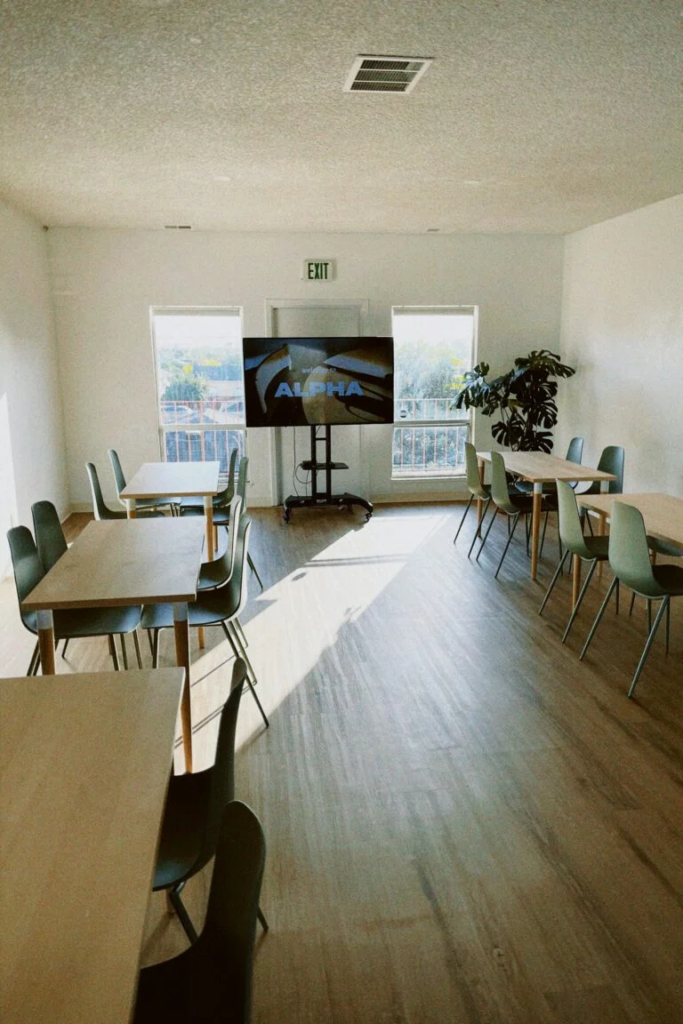
Dragging furniture across wood floors is an invitation for scratches. If you want to rearrange your home, lift pieces instead of sliding them.
Also, check the felt pads under furniture legs regularly. Worn pads offer little protection and can leave marks as easily as unprotected wood.
12. Invest in a Humidifier
Wood floors expand and contract with changes in humidity. Too dry, and they can crack or shrink; too humid, and they might warp or buckle.
Running a humidifier during dry months, especially winter, helps maintain a stable indoor environment. This small step keeps your floors healthy and reduces long-term damage.
Conclusion of How To Clean Wood Floors
Wood floors are an investment, and taking care of them doesn’t have to be stressful. Regular sweeping, careful mopping, timely spill cleanup, and a few protective habits go a long way. Buff for shine, polish for protection, and fix small scuffs or scratches before they get worse.
With a little attention and the right techniques, your wood floors will stay beautiful, elegant, and ready to impress for years to come.