How to Become a Dog Sitter (and Actually Get Paid to Hang with Dogs)
Getting paid to spend time with dogs sounds almost too good to be true, but it’s a real opportunity if you’re willing to earn people’s trust. When I first looked into how to become a dog sitter, I had plenty of questions about where to start, how to find clients, and whether anyone would actually hire someone without years of experience. The good news is that everyone starts somewhere.
I quickly learned that being a great dog sitter is about much more than loving dogs. Showing up on time, following care instructions, and communicating well with pet owners helped me build confidence and get repeat bookings. In this guide, I’ll share practical tips that can help you start dog sitting, build experience, and turn your love for dogs into extra income.
Save For Later
Key Takeaways
- Learn the basic skills every responsible dog sitter should have.
- Build experience before looking for paying clients.
- Create trust by communicating clearly with pet owners.
- Understand each dog’s routine, behavior, and safety needs.
- Ask for reviews to grow your reputation.
- Stay reliable to earn repeat bookings and referrals.
Pro Tip
One thing that helped me get more bookings was sending pet owners a few photo updates during each visit. It only took a minute, but it showed them their dog was happy and well cared for. I also kept short notes about feeding times, walks, and anything unusual I noticed. Those small details made owners feel confident hiring me again. Over time, repeat clients became much easier to get than constantly searching for new ones.
Other Posts
- How to Train a Stubborn Dog Like a Pro
- How to Train a 6-Month-Old Dog
- How to Travel with a Dog in the Car Safely
1. Know What Dog Sitting Actually Involves
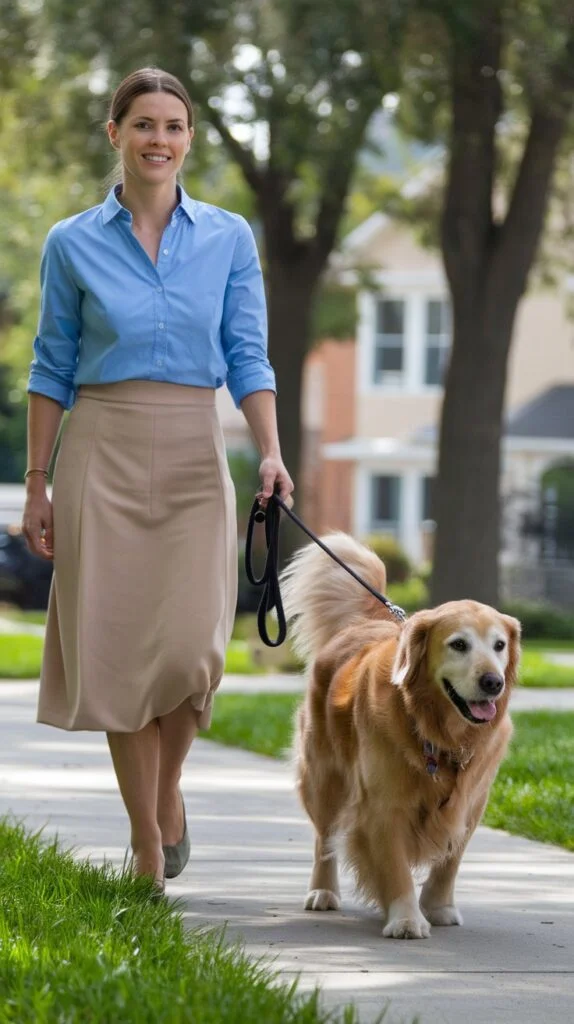
When you first think about dog sitting, it sounds simple — spending time with dogs, giving them attention, and enjoying their company. But once you actually step into the role, you realize it’s much more hands-on than that. You’re stepping into someone else’s routine and becoming the person a dog relies on while their owner is away.
You will be the one handling everything that keeps their day normal. That means waking up early for walks when the dog expects it, preparing meals the way the owner described, cleaning up accidents without making a big deal out of it, and noticing small changes in behavior that might matter. Some dogs need medication, others need patience, and a few just need someone calm who understands how to keep them comfortable.
Sometimes you stay overnight in the owner’s home, other times you stop by a few times a day for walks, feeding, or playtime. If you choose to host dogs yourself, your own home becomes their temporary safe space, and that requires preparation and responsibility. You’re not just visiting a dog — you are the person keeping their routine stable so they feel secure while their family is gone.
Before jumping in, it helps to be honest with yourself. Can you handle early mornings? Are you comfortable with big dogs that pull on the leash or tiny dogs that need extra care? Would you stay calm in an emergency and know how to get help if needed? Being confident in these situations makes the entire experience smoother for both you and the dog.
2. Build Some Experience First

Trust doesn’t appear overnight in dog sitting. Pet owners care deeply about who they leave their animals with, so real experience matters. The good news is you don’t need to start with strangers. Most people begin by helping dogs they already know.
Watching a friend’s dog for the weekend, helping a coworker who’s stuck late at work, or stepping in when a neighbor needs support all count. Each experience teaches you something new — how different breeds behave, how routines change from dog to dog, and how important clear communication with owners is.
Volunteering at shelters or rescue groups can also teach you practical skills fast. You learn how to handle nervous dogs, energetic puppies, and older dogs that move slower but need more patience. These moments build confidence and show that you’ve actually worked with different personalities.
Keep track of the dogs you’ve cared for. Remember their breeds, their ages, and anything special they needed. Over time, you’ll notice patterns and develop instincts — like knowing when a dog is anxious or when they simply need space. Experience is what turns you from someone who likes dogs into someone owners can rely on.
3. Set Yourself Up on Trusted Platforms
Once you’ve built some real experience, it’s time to make yourself visible. Joining pet-sitting platforms helps you connect with people who are actively looking for help. These platforms act like a bridge between you and pet parents, making it easier for both sides to feel safe.
Your profile matters more than most people think. A warm, honest description helps owners picture you caring for their dog. Sharing clear details about your experience, your availability, and what kind of dogs you’re comfortable with builds confidence right away. Photos with dogs you’ve actually cared for make your profile feel genuine and approachable.
Owners aren’t just looking for a dog lover — they’re looking for someone responsible. Being clear about your schedule and your skills shows that you take the job seriously. Background checks are common, and while that might feel formal at first, it actually works in your favor because it increases trust from the start.
4. Set Your Rates (Without Underselling Yourself)

Pricing can feel awkward in the beginning, especially when you’re just starting out. But dog sitting is real work, and your time has value. You don’t need to charge the highest rates immediately, but you also shouldn’t feel like you have to work for almost nothing just to get started.
Rates usually depend on where you live, what services you offer, and how much responsibility is involved. Overnight stays tend to cost more because you’re giving up your personal time and staying with the dog for longer periods. Drop-in visits, walks, and daycare can vary depending on how much care each dog needs.
As you gain experience and positive feedback, your rates should grow with your reputation. When clients see consistent care and reliability, they don’t just pay for time — they pay for peace of mind. Pricing yourself confidently shows that you take your role seriously and understand the value you bring.
5. Meet & Greet Like a Pro
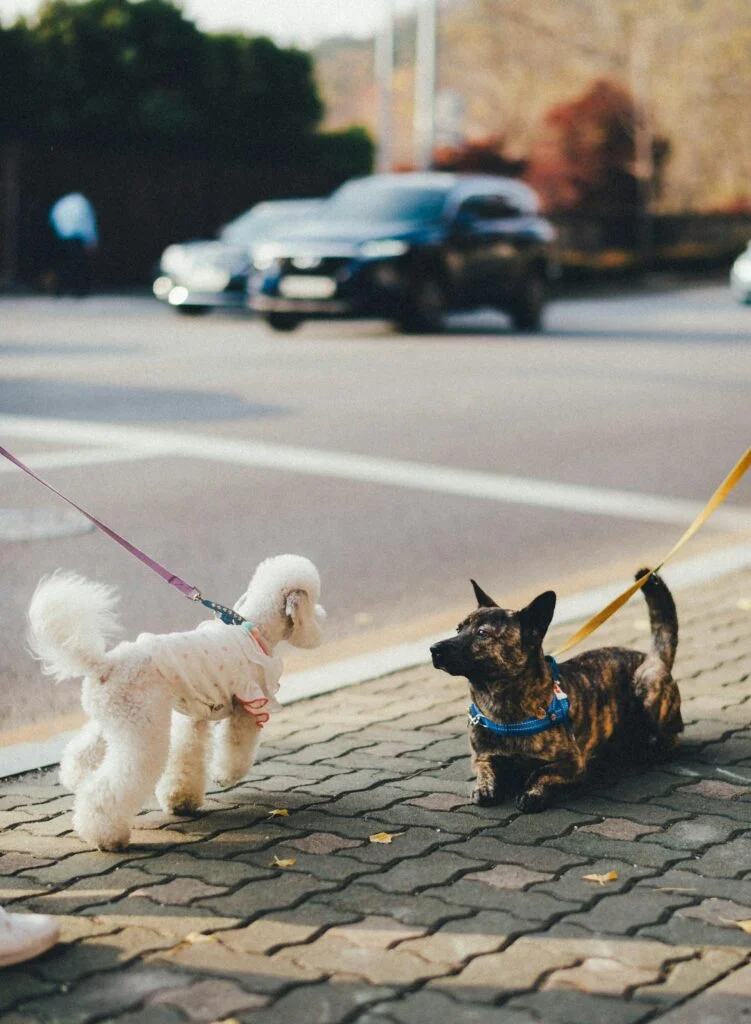
A meet and greet is one of the most important parts of dog sitting, and honestly, it sets the tone for everything that follows. This is your chance to see how the dog reacts to you and how comfortable you feel in their environment.
During this meeting, you get to ask all the practical questions that will help later. You learn about feeding schedules, walking habits, favorite toys, fears, and anything that might trigger stress or excitement. You also gather important details like emergency contacts and vet information so you never feel unprepared.
Spending time with the dog before the official booking helps both of you relax. You get to see their energy level, their personality, and how they communicate. Sometimes you’ll immediately feel a connection, and other times you might realize it’s not the right fit — and that’s perfectly okay. Choosing the right matches makes the entire experience better for everyone.
6. Keep It Professional (and Pup-Focused)

Once the booking starts, consistency matters. Dogs notice routines, and owners notice reliability. Showing up when you said you would, following instructions carefully, and keeping things tidy builds trust quickly.
Sending updates with photos or quick messages reassures owners that their dog is safe and happy. It doesn’t have to be complicated — even a simple photo of a relaxed or playful dog can make someone feel calm while they’re away.
Not every day goes perfectly. Dogs may bark, refuse to eat, or act differently when their owners are gone. Staying calm and handling situations like a responsible adult makes a huge difference. Honest communication is always better than hiding problems. Owners appreciate transparency, and it strengthens your reputation as someone dependable.
7. Collect Reviews Like Treats in a Kong

Reviews are one of the biggest factors that help you grow. When someone shares a positive experience, future clients immediately feel more confident booking with you. A few genuine reviews can open the door to consistent work.
After finishing a successful sitting job, reach out politely and ask if they would be comfortable leaving feedback. Most happy clients are glad to help — they just need a reminder. Over time, those reviews build a strong profile that speaks for you even before you meet new owners.
The more people see proof that dogs were safe, happy, and well cared for with you, the easier it becomes to attract new bookings. Trust builds slowly, but once it’s there, it keeps working for you.
Final Thoughts of How to Become a Dog Sitter
Dog sitting can start as something small but quickly grow into something meaningful. You get to spend time with animals, build relationships with pet owners, and create flexible work that fits your lifestyle. Every booking teaches you something new, and every dog adds to your confidence.
When you focus on being reliable, caring, and attentive, people remember you. Soon enough, you’re not just someone who likes dogs — you’re the person owners trust whenever they need help. And honestly, there’s something really satisfying about knowing a dog feels safe and happy because you showed up for them.
All content on this site is written and reviewed by our experienced team to ensure it is accurate, reliable, and helpful for our readers. Our Our Process page explains how we carefully research and create high-quality content, while our Team page introduces the professionals behind our work. We also provide clear guidelines for content or image concerns on our Image Removal page, so you can trust that we prioritize transparency, quality, and reader safety.