
How to Make a Calming Dog Spray with Chamomile & Lavender
If your dog gets anxious easily, creating a gentle, familiar environment can make a real difference in how they handle everyday stress. A calming spray made with chamomile and lavender offers a simple, natural way to support relaxation without relying on heavy fragrances or complicated products. The goal isn’t to completely change your dog’s behavior overnight — it’s to give them a soft, reassuring scent that becomes associated with comfort, safety, and calm moments. When used consistently, this kind of spray can help your dog settle more easily during situations that normally make them uneasy, while fitting naturally into daily routines.
Why a DIY Calming Spray Works (and When to Use It)
A calming spray works best as a supportive tool rather than a quick fix. Dogs respond strongly to smell, and when they repeatedly experience a gentle scent during peaceful moments, they begin to link it with relaxation. The effect is subtle and builds over time. Instead of expecting instant results, think of it as creating a calming background signal that supports good habits and training.
Use your calming spray:
Before stressful situations, applying the scent ahead of time helps your dog settle before anxiety rises. During training sessions, it can create a calmer environment where learning feels easier and less overwhelming. Around bedtime, using the spray as part of a consistent routine helps signal that it’s time to relax. Small, regular use is far more effective than heavy or occasional spraying. If anxiety becomes intense or persistent, professional guidance from a veterinarian should always be considered.
Ingredients That Actually Help: Chamomile & Lavender

Chamomile and lavender work well together because both offer soft, familiar scents that are less likely to overwhelm a dog’s sensitive nose. The key is using gentle forms and proper dilution. The scent should feel light and comforting rather than strong or perfume-like.
Chamomile: The Gentle Comfort
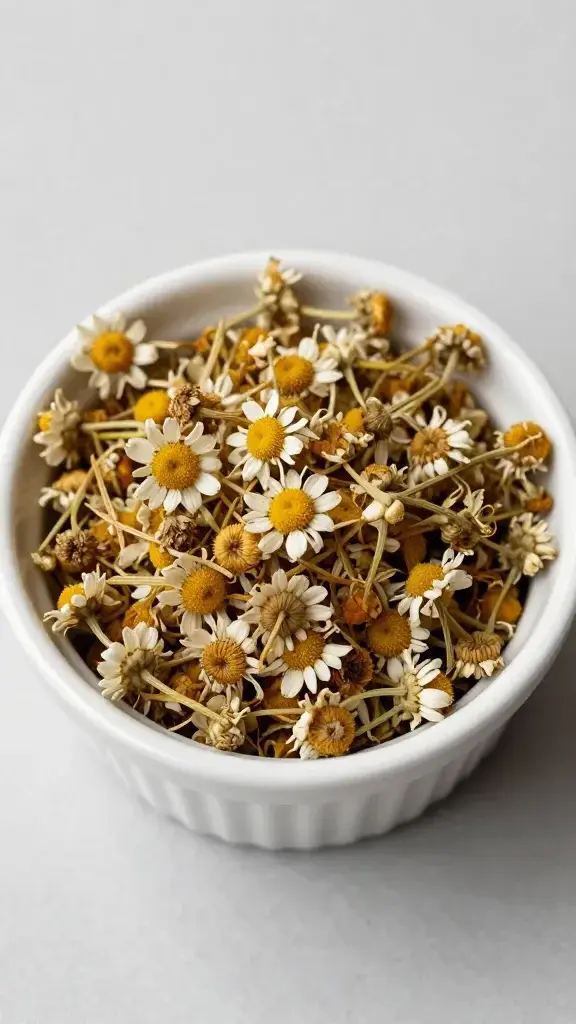
Chamomile brings a mild, soothing aroma that many dogs tolerate well. Strong chamomile tea is often the easiest option because it’s simple to make and naturally gentle. Alcohol-free tinctures can also be used but should be added carefully since they are more concentrated. Chamomile works especially well for everyday calming support and for dogs who are sensitive to stronger smells.
Lavender: The Chill Superstar
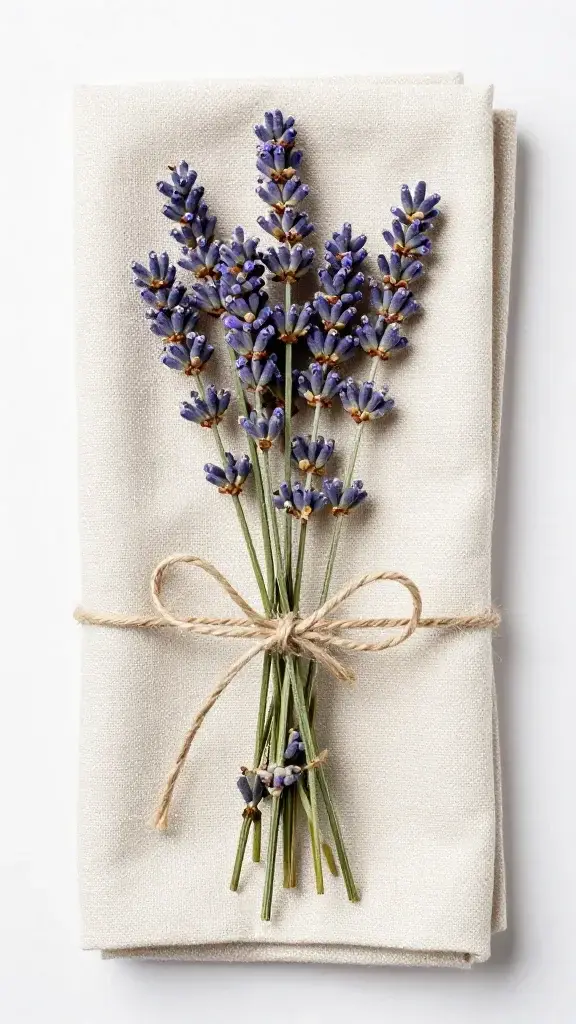
Lavender is well known for encouraging relaxation, but with dogs, moderation matters. Their sense of smell is extremely powerful, so heavy amounts can quickly become overwhelming. Lavender hydrosol is usually the safest and easiest choice because it’s already diluted. If essential oil is used, it must be measured carefully and heavily diluted so the scent stays soft and comfortable.
What You’ll Need (Simple, Promise)
You only need a few basic items to get started. A clean spray bottle, distilled water, chamomile, and lavender are the foundation. Distilled water helps prevent quick spoilage and keeps the mixture fresh. Optional ingredients like preservatives help extend shelf life, while a solubilizer is necessary if essential oils are included so they mix properly with water. A funnel keeps the process tidy, and labeling the bottle makes it easy to remember what you made and when.
Two Easy Recipes (Pick Your Comfort Level)
Recipe A: Super-Gentle Hydrosol + Tea Blend
This is the easiest and most beginner-friendly option. Start by brewing strong chamomile tea and allowing it to cool completely. Mix the tea with lavender hydrosol inside the spray bottle, then top up with distilled water if needed. If you choose to add a preservative, follow its instructions carefully to extend shelf life. Without one, the spray should be stored in the fridge and used within a short period. Shake gently before use, and adjust the scent with extra water if it feels too strong.
Recipe B: Essential Oil (Ultra-Low Dose) + Water
This method is best for people comfortable measuring very small amounts. The lavender essential oil must first be mixed with a solubilizer so it blends evenly into the water. Once combined, add it to the spray bottle and fill with distilled water. Chamomile tea can be added for extra softness, but the oil concentration must remain extremely low. Dogs notice scent much more intensely than humans, so keeping the fragrance light ensures it stays calming rather than overwhelming.
How to Use It Without Annoying Your Dog
Most dogs dislike being sprayed directly, especially around the face. A better approach is to spray the environment instead of the dog. Lightly mist beds, blankets, crates, bandanas, or car seats and allow them to dry briefly before your dog settles in. Start with just one or two sprays and observe how your dog reacts. Pair the scent with positive experiences like treats, quiet time, or gentle petting so it becomes associated with comfort. If your dog enjoys touch, lightly misting your hands and smoothing over their back can work, but always follow their cues.
Timing Tips That Make a Difference
Timing plays a big role in effectiveness. Using the spray about 10–15 minutes before a stressful event gives the scent time to settle. For loud noises like storms or fireworks, preparing a cozy space beforehand can help your dog feel secure. Before car rides, spraying the travel area creates familiarity. At bedtime, repeating the same calm routine each night — quiet voice, dim lights, light spray, and relaxation — helps build strong positive associations.
Safety First: What Not to Do
Avoid spraying directly onto your dog’s face or fur. Heavy scents and undiluted oils can be irritating and stressful. Strong diffusers or overpowering fragrances should be avoided entirely. Dogs with breathing issues or medical sensitivities need extra care, and any sign of sneezing, discomfort, skin irritation, or avoiding the area means the spray should be diluted further or discontinued. If essential oils are included, keep the spray away from cats. Always allow your dog to choose whether they want to be near the scent.
Make It Last: Storage, Shelf Life, and Labeling
Water-based sprays can spoil if not stored properly. If your mixture contains tea and no preservative, refrigeration is best, and it should be used within one to two weeks. With a preservative, room-temperature storage may last longer, but proper dosing is important. Keep the bottle away from heat and direct sunlight since light breaks down delicate botanical ingredients. Always label your spray with ingredients and the date it was made. If the smell changes or the liquid looks unusual, discard it and prepare a fresh batch.
Level-Up Add-Ins (Optional, But Fun)
Once you know what works for your dog, you can make small adjustments. Valerian tea can add extra calming support for some dogs, though its scent is strong. Rose hydrosol softens the overall fragrance and creates a gentle floral balance. A very small amount of glycerin can help if you prefer applying the spray to your hands before smoothing over fur. Strong or energizing oils should be avoided, as they can clash with the calming purpose.
Pair It With Training for Best Results
The spray works best when paired with positive training routines. Playing low-volume sound triggers while your dog relaxes on a sprayed bed can help build tolerance over time. Giving treats when stressful sounds occur helps create new positive associations. Teaching relaxation on a mat while using the same calming scent can turn the smell into a familiar signal that it’s time to settle. Over time, the scent becomes part of a trusted routine.
FAQ
Can I spray this directly on my dog?
It’s better to spray bedding, crates, or other surrounding items instead of spraying directly onto your dog. If your dog enjoys it, lightly misting your hands and gently stroking their back is a softer alternative.
Is lavender safe for dogs?
Lavender can be safe when used in very low concentrations. Hydrosols are generally easier and gentler, while essential oils must always be properly diluted. Stop use immediately if your dog shows signs of discomfort.
What if my dog has allergies or sensitive skin?
A very mild blend using only chamomile tea and distilled water is a safer option. Test first by offering a lightly sprayed blanket and observing your dog’s reaction before regular use.
How often can I use the spray?
Light use one to three times a day around stressful situations is usually enough. Consistent, gentle application works better than heavy spraying.
Can I use this around cats too?
Sprays made only with teas or hydrosols are generally milder around cats. If essential oils are included, keep the spray away from cats entirely.
Will it fix separation anxiety?
A calming spray can support relaxation but won’t solve deep anxiety on its own. Long-term improvement usually requires structured training, enrichment, and sometimes professional guidance.
Conclusion of How to Make a Calming Dog Spray
Making a calming spray at home is a simple way to add comfort and predictability to your dog’s routine. When the scent stays light, gentle, and consistent, it can become a reassuring signal during stressful moments. Pay attention to your dog’s reactions, keep the formula simple, and combine it with patience and positive routines. Over time, those small calming cues can help create a more relaxed environment for both you and your dog.