Why Dogs Tilt Their Heads: The Science Behind It
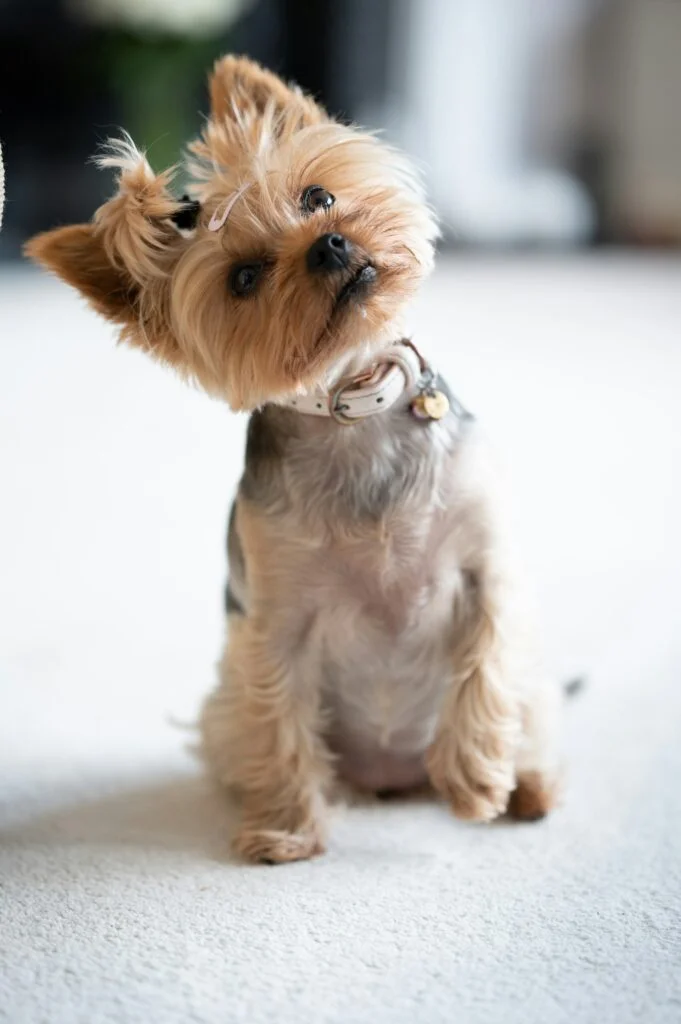
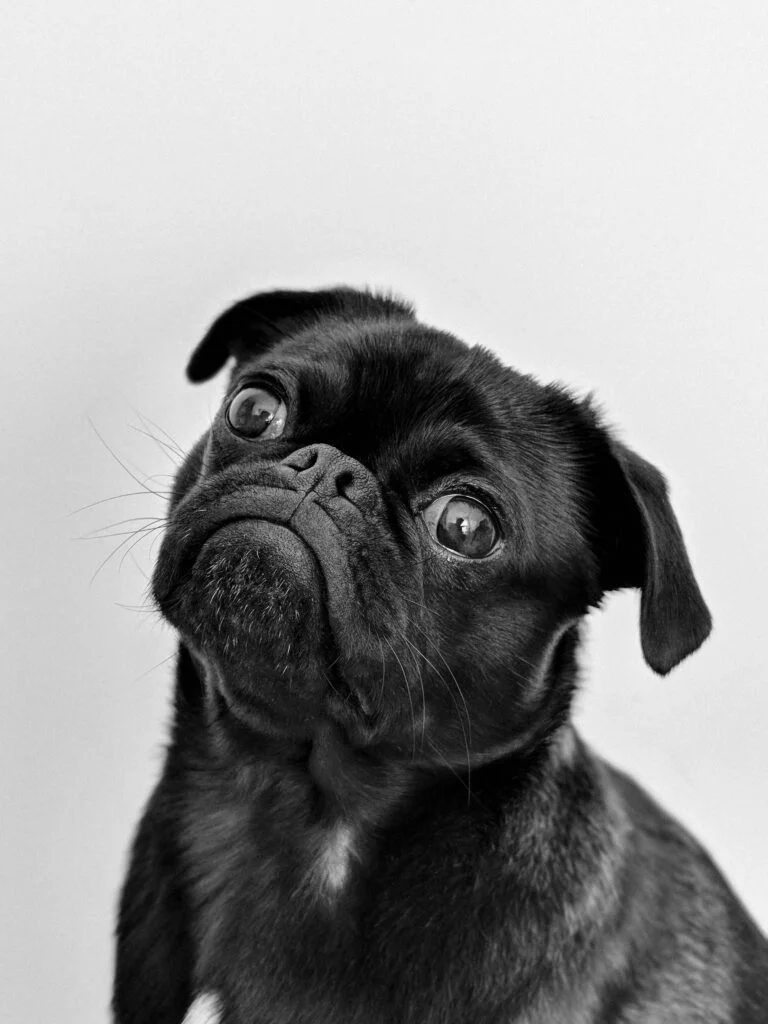
Every dog owner knows the moment. You say a certain word, maybe “treat” or “walk,” and suddenly your dog pauses, lifts one ear slightly, and tilts their head to the side. It feels like they’re trying to decode your language. That tiny movement instantly melts your heart, but it’s far more than just a cute reaction.
That head tilt is communication in action. It reflects how your dog listens, learns, and connects with you on a deeper level. Once you understand what’s happening behind that simple gesture, you’ll see it as something much more meaningful.
The Science Behind the Head Tilt
How Dogs Use Sound to Understand the World
Dogs experience the world through sound far more intensely than we do. Their hearing range is wider, and they can detect frequencies we can’t even perceive. But while their hearing is powerful, identifying the exact source and meaning of a sound sometimes requires fine adjustment.
When your dog tilts their head, they are repositioning their outer ears to capture sound more accurately. This subtle shift helps them determine direction, distance, and tone. If you’ve ever turned your head slightly to hear someone better in a noisy place, you’ve done the human version of what your dog is doing.
They are actively focusing.
How Vision Plays a Role
Sound is only part of the story. Dogs rely heavily on facial cues when interacting with humans. They watch your eyes, your mouth, and your expressions closely.
For dogs with longer snouts, their muzzle can partially block their forward view. Tilting their head changes the angle and gives them a clearer perspective of your face. That adjustment helps them read subtle movements in your lips and eyes.
In that moment, they’re studying you carefully. They’re not confused. They’re attentive.
What’s Happening in Your Dog’s Brain
Processing Words and Associations
Some dogs tilt their heads more frequently when they hear specific words. This often happens during training or when familiar commands are spoken. Research published in the journal Animal Cognition suggests that dogs who frequently tilt their heads during communication tasks may perform better in associative learning exercises.
When you say a word like “ball,” your dog may tilt their head while connecting that word to a stored memory of the object. It’s a processing moment. Their brain is matching sound with meaning.
It’s concentration in motion.
Left Tilt vs Right Tilt
You may notice your dog consistently tilts to one side. This pattern may be linked to brain lateralization, where one hemisphere of the brain is more active during certain tasks.
Just like humans tend to favor one hand, dogs can show side preferences linked to how their brain processes emotional or auditory information. That repeated tilt direction isn’t random. It reflects how their brain organizes and interprets what they hear.
The Emotional Side of the Head Tilt
A Sign of Engagement and Bonding
Dogs are deeply social animals. They evolved alongside humans and are naturally wired to pay attention to us. When you speak, your dog isn’t just hearing words. They’re interpreting tone, rhythm, and emotional energy.
The head tilt often appears when they are fully engaged. It signals focus and interest. It shows they’re trying to understand not just what you’re saying, but how you’re feeling.
That’s why it feels so personal. Because it is.
Positive Reinforcement from You
There’s another layer to this behavior. Dogs quickly learn patterns. When they tilt their head, we smile, laugh, soften our voices, and sometimes offer treats or affection.
Over time, they may repeat the behavior because it brings positive attention. They aren’t manipulating you in a calculated way. They’re simply responding to what earns connection and reward.
And honestly, it works every time.
Do Certain Breeds Tilt More Often?
Physical structure plays a role. Dogs with longer muzzles may tilt their heads more frequently because adjusting their angle helps them see better.
Breeds such as
Greyhound
Collie
often show this behavior more noticeably due to their facial structure. Dogs with flatter faces may not need to tilt as much to improve their view.
That said, personality matters too. Curious, attentive dogs are more likely to display frequent head tilts regardless of breed.
When a Head Tilt Is Completely Normal
A healthy head tilt is brief and situational. It typically happens when
- You say a familiar word in an unusual tone
- They hear a new or unexpected sound
- You are teaching them something new
- They are intensely focused on your face
The tilt lasts only a few seconds, and then they return to a neutral position.
This type of head tilt is normal, healthy, and simply part of how dogs communicate.
When a Head Tilt Could Be a Warning Sign
Not all head tilts are harmless. If your dog’s head remains tilted for an extended period or seems locked to one side, it may indicate a medical issue.
Warning signs to watch for include
- Loss of balance or coordination
- Stumbling or walking in circles
- Vomiting or nausea
- Rapid or unusual eye movements
- Pawing at one ear
- Sensitivity when you touch their head
These symptoms could signal an ear infection, vestibular disorder, or neurological condition. Persistent tilting combined with balance problems requires immediate veterinary attention.
A playful tilt appears only during interaction. A medical tilt remains even when your dog is resting or moving normally.
Knowing the difference can protect your dog’s health.
Is Head Tilting Linked to Intelligence?
There is growing evidence that dogs who tilt their heads frequently during learning sessions may demonstrate strong memory and word recognition skills. While not every head-tilting dog is a genius, the behavior often reflects active engagement.
When your dog tilts their head during training, they are thinking. They are analyzing the sound you made and comparing it with past experiences.
That effort shows cognitive involvement.
How You Can Strengthen This Connection
If you want to encourage attentive communication with your dog, try
- Speaking clearly and using consistent words
- Maintaining eye contact during commands
- Using expressive tone and body language
- Practicing regular short training sessions
The more you engage with them verbally and visually, the more opportunities you create for meaningful interaction.
And yes, you may see that head tilt more often.
Why This Behavior Matters
That tiny tilt represents something powerful. It shows your dog is tuned in to you. It reflects curiosity, intelligence, emotional awareness, and the desire to connect.
They’re not just reacting to noise. They’re participating in communication.
When your dog tilts their head, they are actively trying to understand you. They are listening beyond words. They are responding to your presence.
That small movement carries more depth than most people realize.
Final Thoughts of Why Dogs Tilt Their Heads
The next time your dog gives you that signature head tilt, pause for a moment. Recognize what’s happening beneath the surface. They are focusing. They are processing. They are connecting.
It’s a blend of biology, learning, and emotion wrapped into one simple gesture.
And that’s exactly why it feels so special.