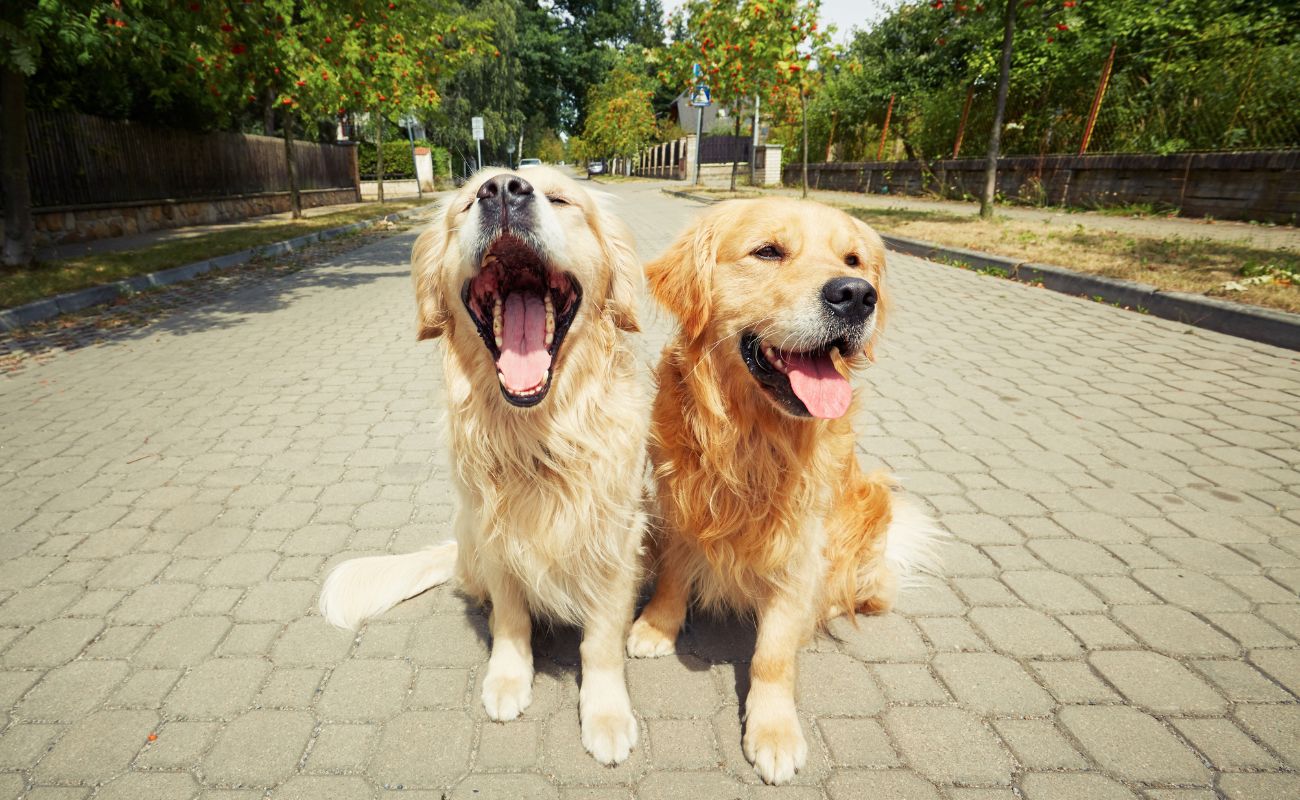
How To Introduce New Dog To Old Dog
Bringing a new dog into your home is exciting. You imagine wagging tails, playful afternoons, and a house full of happy energy. But if you already have a dog, this decision affects more than just you. Your older dog has routines, favorite spots, and a sense of security that has been built over time. When a new dog arrives, that comfort zone shifts.
If you handle the introduction properly, you can prevent tension, reduce stress, and create a peaceful multi-dog home. The key is preparation, patience, and paying close attention to both dogs every step of the way.
Why Preparation Matters Before the First Meeting
You can’t just bring a new dog home and hope everything works out. Dogs rely heavily on structure and familiarity. Sudden changes can create anxiety, especially for a dog that has been the only pet for a while.
Preparation helps both dogs feel safe. It reduces territorial behavior and gives you control over the situation before problems begin.
Set Up Separate Spaces First
Before your new dog arrives, organize your home so each dog has their own designated area. This step alone prevents many early conflicts.
Make sure you provide:
- Separate food and water bowls
- Individual beds or resting areas
- Their own toys
- Designated feeding spots
Your older dog should not feel like their belongings are being taken away. When each dog has their own resources, you reduce competition and tension immediately.
Keep Your Older Dog’s Routine Stable
Dogs thrive on routine. Walk them at the same times. Feed them as usual. Give them attention the way you always have. Maintaining familiar patterns helps your older dog feel secure even as changes happen around them.
Planning the First Introduction Carefully
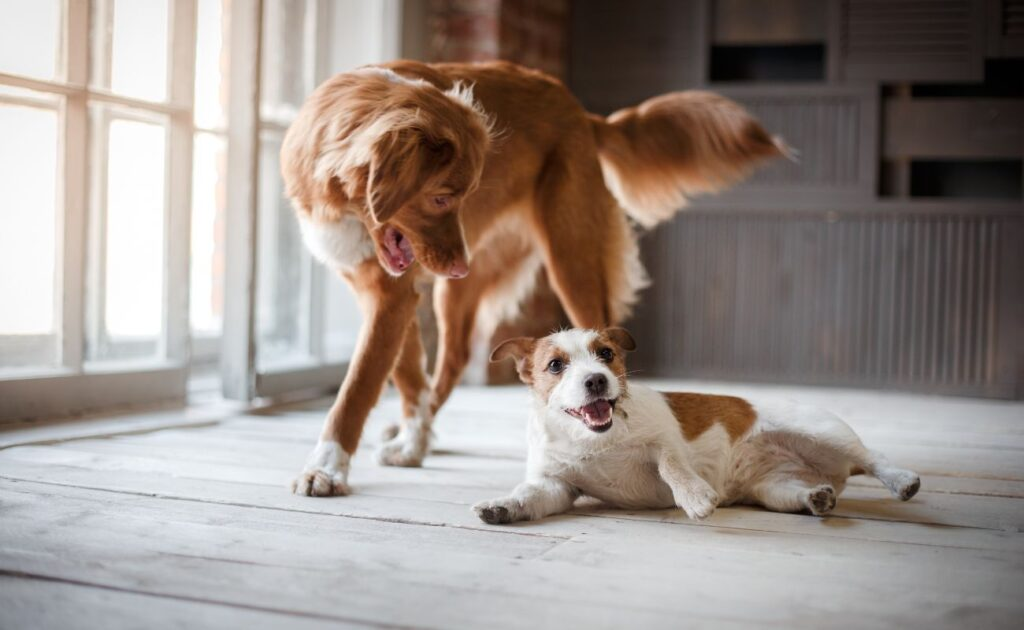
The first meeting sets the tone for everything that follows. A calm, structured introduction creates a foundation for future success.
Rushing this step can create stress that takes weeks to fix. Taking it slow builds trust from the start.
Choose Neutral Territory for the First Meeting
Never introduce the dogs inside your home right away. Your older dog may feel protective of their space.
Instead, meet in a neutral location such as:
- A quiet park
- A friend’s fenced yard
- A calm outdoor area with minimal distractions
Neutral ground prevents territorial reactions and allows both dogs to focus on curiosity rather than defense.
Keep Both Dogs on Leashes
Leashes give you control without creating pressure. Keep them loose but secure.
Allow the dogs to:
- Walk parallel at a comfortable distance
- Sniff gradually
- Observe each other calmly
Avoid forcing face-to-face contact immediately. Side-by-side walking often feels less confrontational and more natural.
Learn to Read Their Body Language
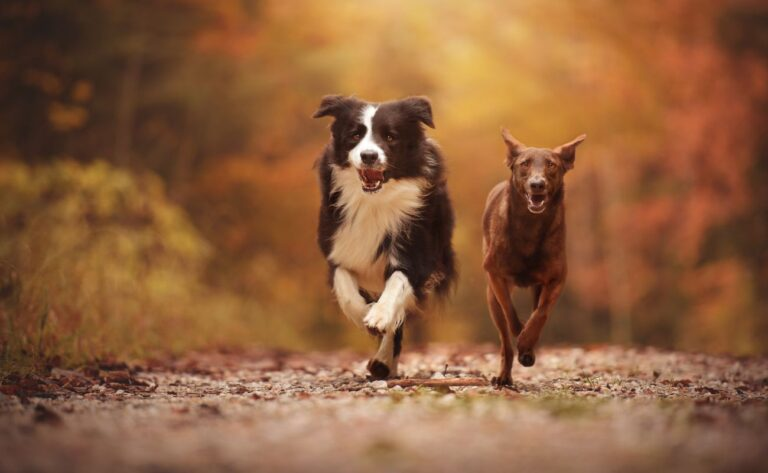
Dogs communicate constantly through posture, tail movement, and facial expression. Watching closely can prevent problems before they escalate.
Signs of Relaxed Curiosity
Look for these positive signals:
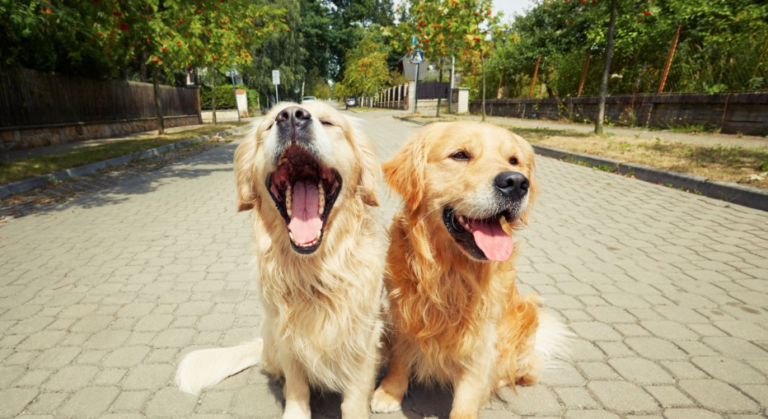
- Loose, wagging tail
- Relaxed ears
- Soft eye contact
- Play bows
- Casual sniffing
These behaviors show that the dogs are open and curious rather than defensive.
Signs of Tension or Aggression
Be alert for warning signs such as:
- Stiff posture
- Hard staring
- Growling
- Raised hackles
- Bared teeth
If you notice these signals, calmly separate the dogs. Do not yell or punish. Give them space and try again later when both are calmer.
Gradual Integration at Home
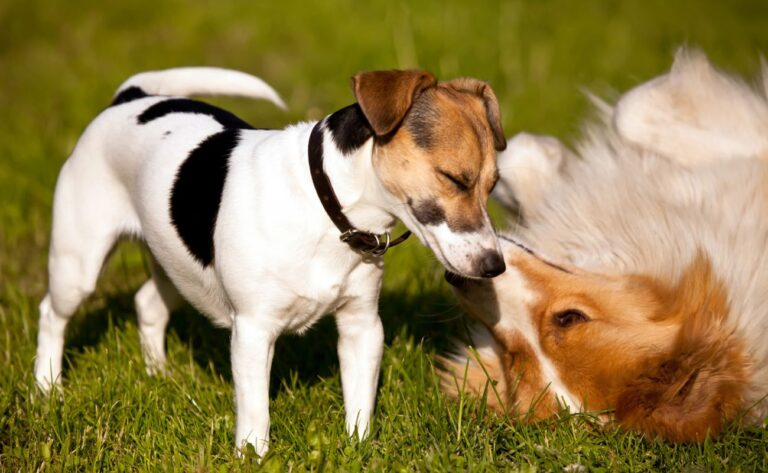
After a few successful outdoor meetings, you can begin short visits inside the home. This stage still requires structure and supervision.
Supervise All Early Interactions
For the first several days:
- Do not leave the dogs alone together
- Keep them in separate rooms when unsupervised
- Use baby gates if needed
This approach allows them to adjust to each other’s scent and presence safely.
Increase Time Together Slowly
Start with short sessions indoors. If they remain calm, gradually extend the time they spend in the same space. Always end interactions on a positive note before either dog becomes overstimulated.
Use Positive Reinforcement Consistently
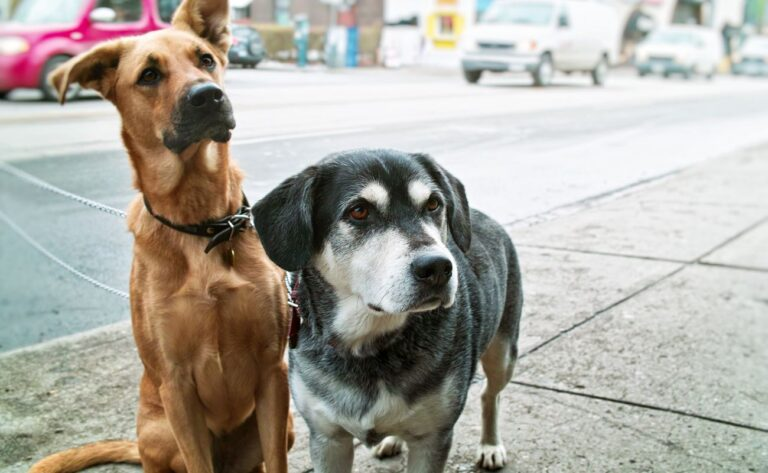
Reward calm behavior immediately. When both dogs sit quietly near each other or ignore minor annoyances, offer treats and praise.
Positive reinforcement helps them associate each other with good experiences. Be fair and reward both dogs equally to avoid jealousy.
Avoid using treats as bribes. Instead, use them to reinforce behaviors you want to see repeated.
Monitor Behavior Even After Progress
Even if things seem peaceful after a few days, continue observing their interactions.
Watch for subtle signs like:
- Guarding toys
- Blocking access to you
- Stiff body posture during play
Address small issues early with calm redirection. Preventing problems is easier than fixing them later.
Give Both Dogs Individual Attention
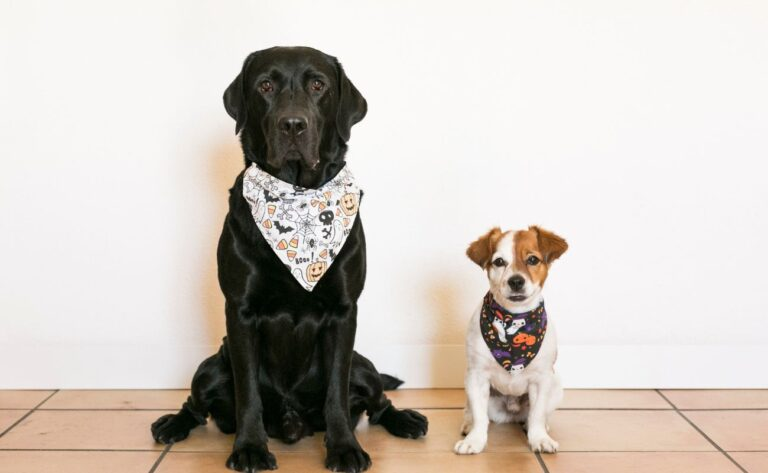
Your older dog may need extra reassurance during this transition. Spend one-on-one time with each dog daily. Walk them separately when possible. Play with them individually.
This prevents feelings of competition and helps both dogs feel secure in their place within the family.
How Long Does Adjustment Take?
Every dog is different. Some adjust within days. Others may take several weeks.
Factors that influence adjustment include:
- Age
- Energy level
- Past socialization experiences
- Personality differences
Patience is essential. Let your dogs move at their own pace instead of forcing closeness.
What to Do If Growling Continues
Growling is communication. It means a dog feels uncomfortable. Do not punish it. Suppressing the warning can lead to sudden escalation later.
If tension continues beyond the early stages, consult a professional dog trainer or behaviorist. Early guidance can prevent long-term behavioral issues.
Final Thoughts of How To Introduce New Dog To Old Dog
Introducing a new dog to your existing dog requires intention, structure, and patience. It is not about forcing instant friendship. It is about building trust gradually.
When you prepare properly, supervise consistently, and respect each dog’s boundaries, you create a stable environment where companionship can develop naturally.
Over time, you will notice small signs of progress — relaxed naps in the same room, shared curiosity, maybe even playful moments. Those small victories are proof that patience and planning truly work.
With the right approach, your home can become a balanced space where both dogs feel safe, valued, and comfortable together.