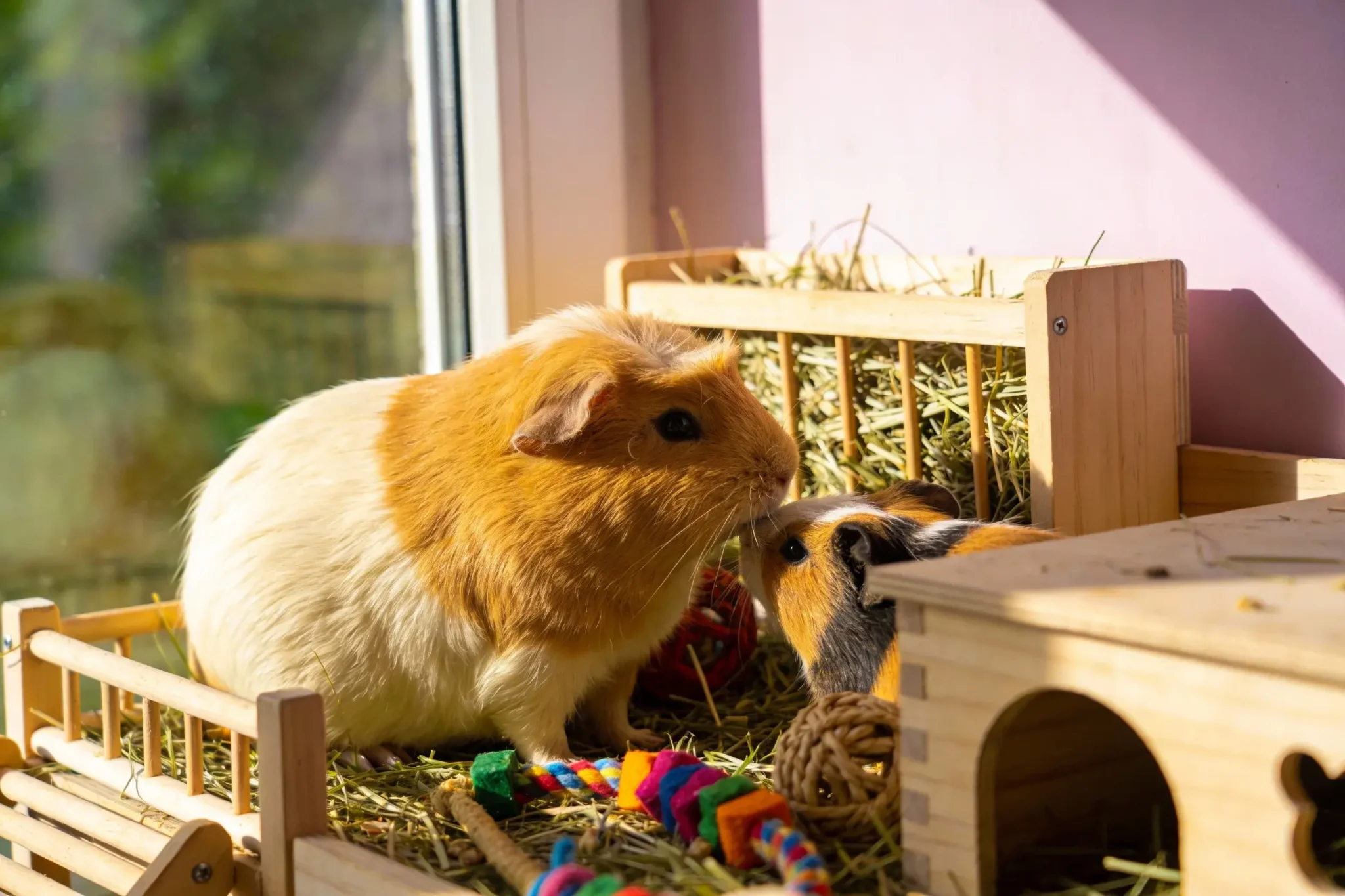
How to Keep Your Guinea Pig Happy & Socialized
The first time I brought home a guinea pig, I thought a roomy cage and fresh food would be enough. I quickly realized that how to keep your guinea pig happy & socialized goes far beyond basic care. If you’ve ever wondered why your guinea pig seems shy, quiet, or hides whenever you get close, you’re definitely not the only one.
Over time, I learned that these little pets thrive on companionship, gentle handling, and a predictable routine. Once I started paying attention to their natural behaviors, they became more confident, playful, and eager to interact with me. A few simple daily habits made a noticeable difference, and they can help your guinea pig feel safe and content too.
Save For Later
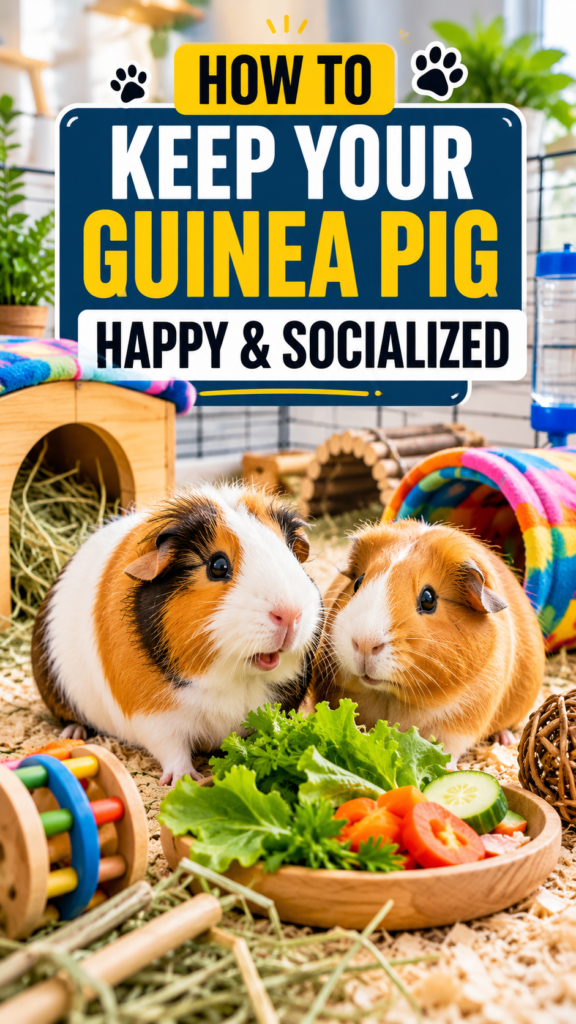
Key Takeaways
- Spend time with your guinea pig every day to build trust.
- Provide companionship since guinea pigs are naturally social animals.
- Create a spacious habitat with places to hide and explore.
- Offer enrichment through safe toys and supervised floor time.
- Feed a balanced diet with fresh hay, vegetables, and clean water.
- Watch for changes in behavior that may signal stress or illness.
Pro Tip
One habit that worked well for me was talking softly before reaching into the cage. My guinea pigs learned to recognize my voice, which made them much less nervous during handling. I also kept feeding and playtime on a consistent schedule so they knew what to expect. Adding a cardboard tunnel and rotating simple toys every week kept them interested without spending much money. These small routines helped build trust much faster than I expected.
Other Posts
- How to Feed a Healthy Diet to Your Guinea Pig
- Guinea Pigs vs. Rats as Pets: Which Is Right for You?
- Common Guinea Pig Health Problems Every Owner Should Know
Understanding What Makes a Guinea Pig Tick
Guinea pigs are herd animals. That instinct runs deep. They feel safest when they have companionship, routine, and predictable surroundings. When those needs aren’t met, they don’t always act out dramatically. Instead, they withdraw. They move less. They hide more. They vocalize less often.
If you listen closely, they’re always communicating. A loud wheek usually means excitement, especially around food time. A soft purr can signal comfort, but a tense, vibrating rumble may mean irritation or dominance. Teeth chattering is a clear warning sign. Once you learn their language, you stop guessing and start responding confidently. That’s when their personality really begins to show.
Social interaction is not optional. It is a daily requirement. Without it, even the best cage setup won’t make up the difference.
Why Two Guinea Pigs Are Better Than One
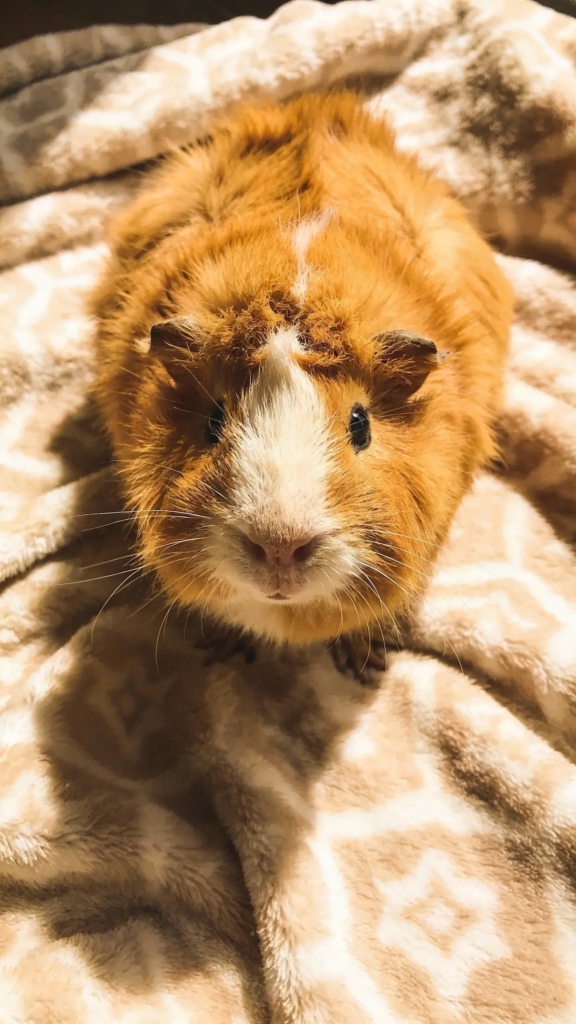
A single guinea pig can survive alone, but most will never truly thrive without a companion. When you keep two together, you’ll notice natural behaviors that simply don’t appear in solitary pigs. They groom each other. They nap side by side. They “talk” constantly in small, quiet sounds you won’t hear otherwise.
Choosing the Right Pair
Some combinations tend to work more smoothly:
- Two females
- Two neutered males
- A mixed pair if at least one is fixed
Personality matters just as much as gender. Two calm pigs usually adjust well. Two dominant pigs can clash if the space is limited or resources are uneven.
Space Requirements
For two guinea pigs, the enclosure should provide at least 7.5 to 10.5 square feet of usable floor space. Larger is always better. Tight quarters create tension. Spacious environments reduce competition and allow natural movement.
How to Introduce New Guinea Pigs Properly
Introducing guinea pigs requires patience. You should never place a new pig directly into another’s established cage without preparation.
Step-by-Step Introduction
- Use a neutral area that neither pig considers territory
- Provide multiple hideouts with two entrances
- Offer two hay piles and two water sources
- Expect chasing and rumble-strutting
Mounting and mild chasing are normal during dominance sorting. Only separate immediately if you see blood drawn. Otherwise, allow them time to establish hierarchy. If aggression escalates, separate calmly and try again later. Rushed bonding often creates more problems than it solves.
Creating a Cage Setup That Encourages Activity
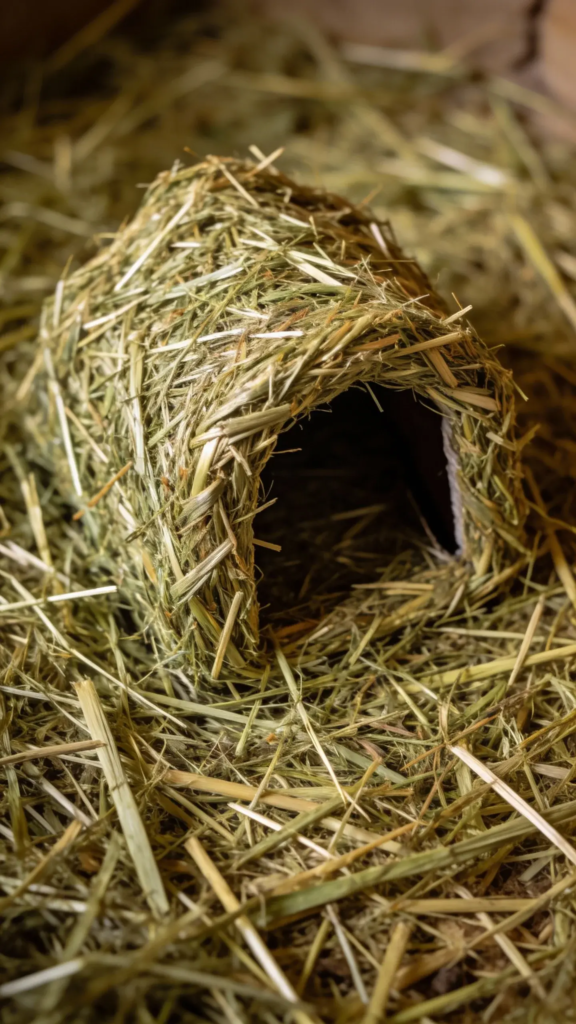
The way you arrange their enclosure shapes their behavior every single day. A cramped, empty cage leads to boredom. A thoughtfully designed habitat promotes confidence and curiosity.
Bedding Choices
Safe options include:
- Paper-based bedding
- Fleece liners
Avoid cedar and pine shavings because the aromatic oils can irritate their respiratory system over time.
Creating Functional Zones
Divide the enclosure into clear areas:
- A hay corner for constant grazing
- A sleeping area with hides
- An open stretch for running and popcorning
Defined spaces help reduce conflict and encourage movement.
Hideouts and Security
Each guinea pig needs:
- One personal hide
- At least one additional shared hide
Choose hideouts with two exits to prevent trapping during disagreements.
Safe Chews and Toys
Because their teeth grow continuously, chewing is necessary. Offer:
- Willow sticks
- Cardboard pieces
- Hay-based toys
Avoid fragile plastic items that break easily.
Lighting and Environment
Place the cage in a room with a natural day and night rhythm. Keep noise levels moderate. Constant loud sounds create chronic stress.
Enrichment That Keeps Them Engaged
Guinea pigs don’t need elaborate structures. They need variety and stimulation.
Rotate toys weekly. Scatter small vegetable pieces around the enclosure to encourage natural foraging. Stuff hay into paper bags or cardboard tubes after removing glue and tape. Add low, stable ramps or platforms, keeping everything close to the ground since guinea pigs are not climbers.
When enrichment is consistent, you’ll notice more popcorning and confident exploration.
Building Trust Through Daily Social Time
Bonding happens in small, repeated moments. You cannot rush it, but you can build it steadily.
Gentle Communication
Approach calmly. Speak softly. Use consistent phrases during feeding or interaction times. They learn patterns quickly and begin to associate your voice with safety.
Hand-Feeding for Confidence
Offer safe vegetables from your hand. Stay still and let them approach you. This builds trust faster than forced handling.
Gradual Lap Time
Start with five-minute sessions on a towel in your lap. Support both the chest and hindquarters when lifting. Gradually extend the time as they relax.
Safe Floor Exploration
Provide 15 to 30 minutes daily in a secure playpen. Remove hazards such as wires and houseplants. Add tunnels and safe hideouts. Exploration outside the cage improves both physical health and social behavior.
Recognizing Happy and Stressed Behavior
Understanding their emotional signals prevents problems before they escalate.
Signs of a Happy Guinea Pig
- Popcorning jumps
- Gentle purring
- Curious sniffing
- Relaxed body posture
Signs of Stress or Discomfort
- Teeth chattering
- Freezing in place
- Constant hiding
- Frantic running
If you see stress signals, reduce noise, slow interactions, and create a calmer setting.
Nutrition That Supports Mood and Health
Diet directly affects energy levels and social behavior. A guinea pig experiencing digestive discomfort will withdraw and become less interactive.
Core Diet
- Unlimited timothy or orchard grass hay
- One cup of fresh vegetables per pig daily
- Plain timothy-based pellets, about 1/8 cup per pig
- Fresh, clean water available at all times
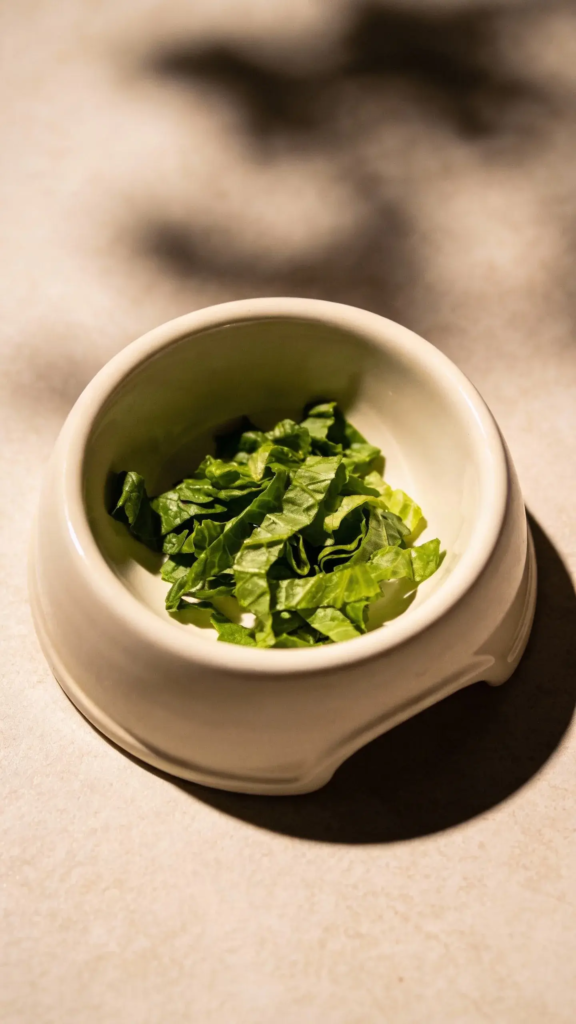
Leafy greens like romaine, cilantro, and green leaf lettuce are excellent staples. Bell peppers provide essential vitamin C, which guinea pigs cannot produce on their own.
Safe Treat Guidelines
Fruits should be occasional and minimal. A small blueberry or thin apple slice is sufficient. Avoid sugary commercial treats, yogurt drops, and seed sticks. Their digestive systems are delicate and easily disrupted.
Routine, Cleanliness, and Preventive Care
Guinea pigs feel secure when their daily routine stays consistent.
Cleaning Schedule
- Spot clean daily
- Perform a full enclosure clean once or twice weekly
- Wash fleece liners in hot water without fabric softener
Grooming and Monitoring
- Trim nails every 3 to 4 weeks
- Weigh weekly using a kitchen scale
- Brush long-haired breeds regularly
- Provide occasional brushing for short-haired pigs
Sudden weight loss is often the earliest sign of illness.
When Veterinary Care Is Urgent
Seek immediate veterinary attention if you notice:
- Labored breathing
- Eye discharge
- Diarrhea
- Lethargy
- Lack of droppings
Guinea pigs instinctively hide illness. Quick action can prevent serious complications.
Involving the Whole Household
Consistency across caregivers matters. Everyone should:
- Lift with full body support
- Handle gently
- Recognize when the guinea pig wants to return to the cage
A simple daily rhythm helps:
Morning hay refill and fresh water
Afternoon vegetable serving and brief interaction
Evening floor time and cage tidying
Predictability builds trust, and trust creates confident, vocal guinea pigs.
Frequently Asked Questions
Can a guinea pig live alone?
While possible, most guinea pigs show better behavior and activity levels when paired with another pig. If you must keep one alone, daily interaction and enrichment become even more critical.
How long does bonding take?
Bonding can take hours or several weeks. Gradual exposure and neutral introductions increase success rates. Minor dominance behavior is normal during the process.
What toys are best?
Chewable and forage-based items such as cardboard tunnels, willow balls, and hay-stuffed bags tend to keep them most engaged. Rotating toys maintains interest.
How much floor time is needed?
Aim for 15 to 60 minutes daily in a secure area. Regular exercise improves both physical and social health.
Why does teeth chattering happen?
Teeth chattering signals discomfort or warning. Reduce stimulation and give space before attempting interaction again.
Do male guinea pigs always fight?
No. With adequate space, balanced resources, and compatible personalities, many male pairs coexist peacefully.
Conclusion
Raising happy, social guinea pigs comes down to companionship, proper housing, balanced nutrition, daily enrichment, and consistent interaction. When you meet their needs fully and predictably, you’ll see confident movement, relaxed body language, and hear those unmistakable contented sounds that tell you they feel safe in your care.
All content on this site is written and reviewed by our experienced team to ensure it is accurate, reliable, and helpful for our readers. Our Our Process page explains how we carefully research and create high-quality content, while our Team page introduces the professionals behind our work. We also provide clear guidelines for content or image concerns on our Image Removal page, so you can trust that we prioritize transparency, quality, and reader safety.