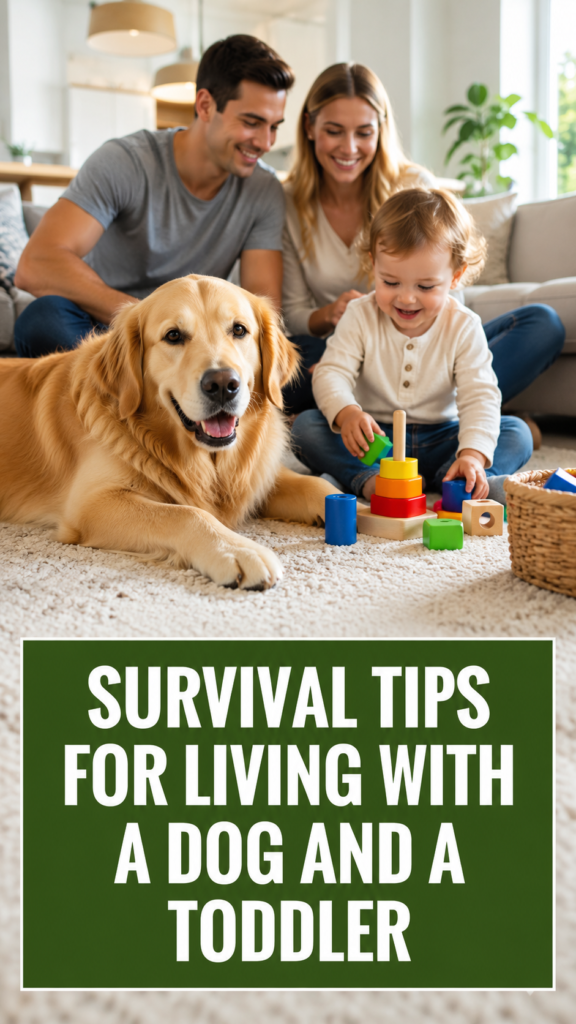
7 Survival Tips for Living with a Dog and a Toddler
When I first started figuring out survival tips for living with a dog and a toddler, I honestly wondered if my house would ever feel calm again. Between keeping my curious toddler safe and making sure my dog still felt loved, every day came with new challenges. If you’re asking yourself how to manage both without feeling stressed all the time, you’re definitely not alone.
I learned that small changes made the biggest difference. Creating simple routines, giving my dog clear boundaries, and teaching gentle interactions helped everyone settle into a happier rhythm. It wasn’t perfect overnight, but with patience and a little planning, our home became a place where both my child and my dog could feel safe, comfortable, and included.
Save For Later
Key Takeaways
- Keep daily routines as consistent as possible for both your dog and toddler.
- Never leave young children and dogs together without supervision.
- Teach your toddler how to interact gently and respectfully with your dog.
- Give your dog a quiet space where they can rest without being disturbed.
- Reward calm behavior to build positive habits for everyone.
- Be patient—trust and good routines take time to develop.
Pro Tip
One thing that helped me more than anything was setting aside just five to ten minutes each day for my dog alone. Even a short walk, a quick training session, or a game of fetch made a huge difference in their behavior. I also made sure my toddler understood that the dog’s bed was a “no-play zone.” Having these simple rules reduced stress for everyone. If your dog seems overwhelmed, don’t wait for problems to grow—give them a quiet break before they become anxious. Small daily habits are much easier than fixing bad behaviors later.
Other Posts
- How to Train a Stubborn Dog: Pro Tips
- Puppy Obedience Training Tips Every Owner Should Know
- Training Tips for Australian Shepherd Owners
1. Start Training Yesterday
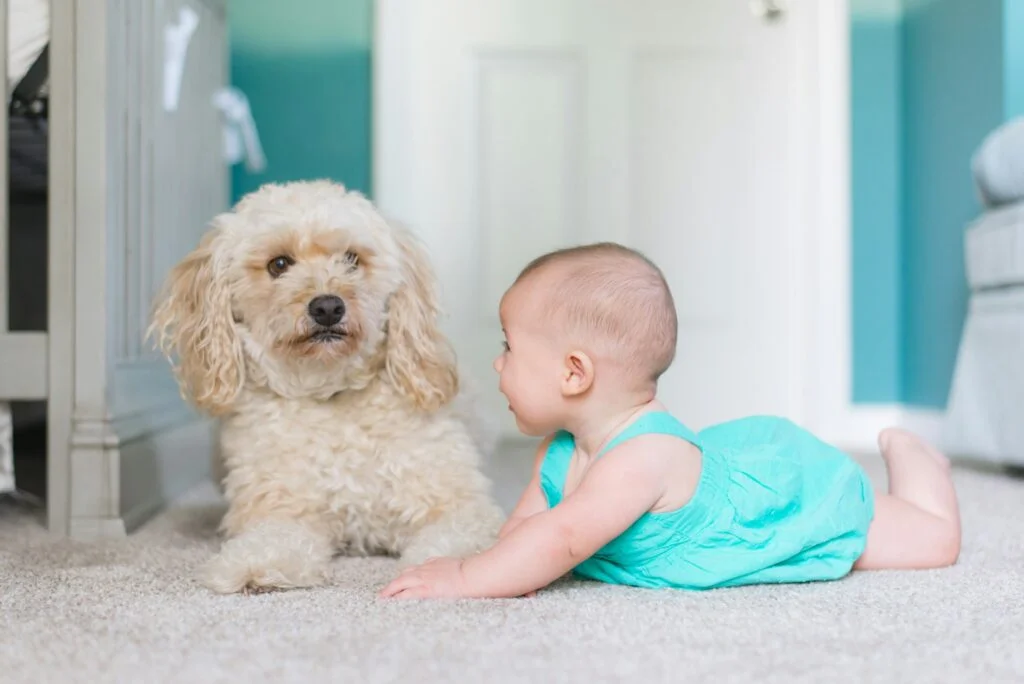
If your dog’s listening skills are hit-or-miss, this is the moment to tighten things up. When a toddler enters the picture, commands aren’t just nice to have—they’re essential. You need your dog to respond quickly and reliably, especially during unpredictable situations.
Think about how often things fall on the floor when you have a toddler. Snacks, pacifiers, toys—everything ends up within reach of curious paws. If your dog doesn’t understand boundaries, small moments can turn stressful fast. Teaching solid basics like sitting calmly, staying in place, and backing away when told makes daily life smoother.
Use rewards, praise, and consistency. Dogs respond far better when they feel encouraged instead of scolded. And if you’ve tried on your own and things aren’t improving, getting professional guidance can truly change the game. There’s no shame in asking for help when your household dynamics are shifting this much.
2. Create Safe Zones (for Everyone)
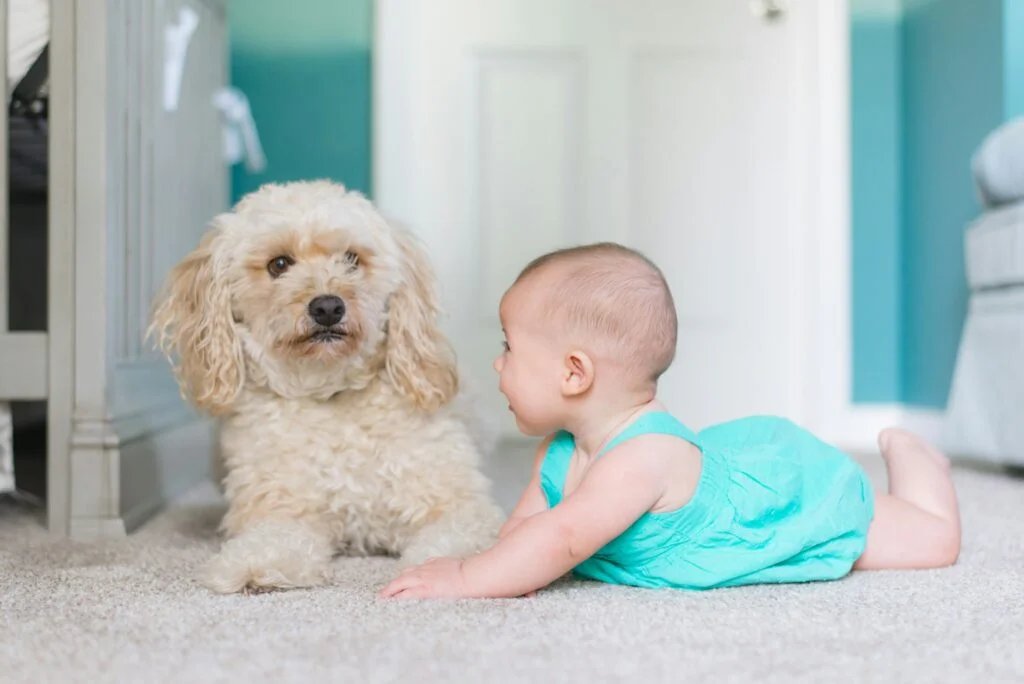
You’ll quickly learn that constant interaction between your toddler and your dog isn’t healthy for either of them. Your child is curious and energetic. Your dog, even the most patient one, needs downtime.
Set up physical boundaries in your home. Baby gates, playpens, or a specific corner where your dog can relax without being approached—these small changes make a huge difference. When your dog has a space that feels secure, you’ll notice fewer signs of stress.
At the same time, keep things like food bowls and treats out of toddler reach. Kids explore with their hands. Dogs guard their food. That combination can create unnecessary tension. Prevention is always easier than dealing with conflict later.
3. Supervise Like a Hawk
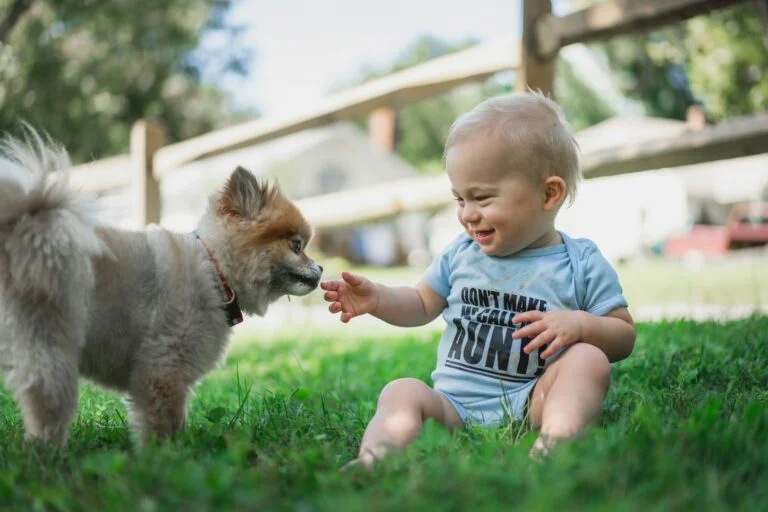
No matter how gentle your dog is, supervision isn’t optional. Toddlers move fast and act on impulse. One second they’re giggling, the next they’re pulling fur or falling onto your dog unexpectedly.
You can’t assume your dog will tolerate everything forever. Even calm animals have limits. Staying present when they’re together allows you to step in before a situation escalates.
Start teaching your toddler early what “gentle” really means. Show them how to use an open hand when petting. Guide their movements. Repeat it often. They won’t get it right away, and that’s okay. It’s a learning process for both of them.
And yes, it might feel exhausting always watching, but those early years of careful supervision build a foundation of safety and trust.
4. Exercise is Your Best Friend
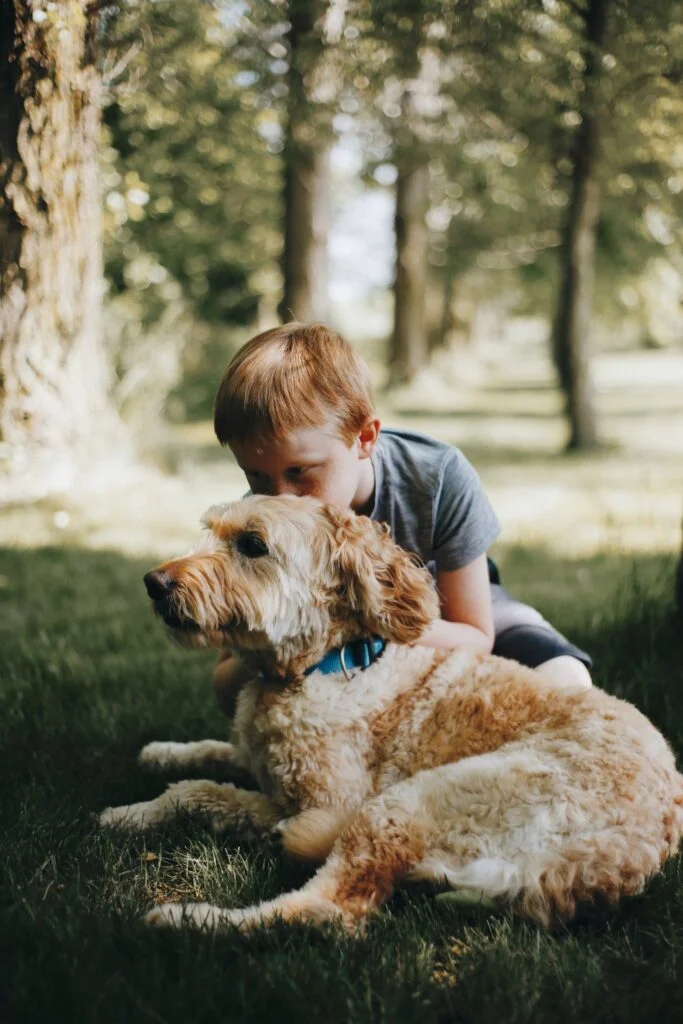
An under-exercised dog adds fuel to an already busy household. When your dog has pent-up energy, you’ll see it in restless pacing, jumping, or attention-seeking behavior—usually at the worst possible times.
Making sure your dog gets enough movement every day helps balance their mood. Long walks, backyard play, or structured games can release built-up tension. If getting outside isn’t always possible, mental stimulation works wonders too. Puzzle toys, scent-based games, and short training sessions keep their minds busy.
When your dog is satisfied physically and mentally, you’ll notice the difference immediately. They settle easier. They react less. And that calmer energy makes your whole home feel lighter.
5. Manage the Chaos with a Routine

You may not think you’re a routine person, but once you’re managing a toddler and a dog, structure becomes your best ally. Both of them feel more secure when they know what’s coming next.
Try aligning schedules where you can. Walking the dog during stroller time. Feeding both around consistent hours. Planning quiet moments when your toddler naps so your dog can rest too.
When your days follow a general pattern, there’s less confusion and fewer meltdowns—on both ends. It doesn’t have to be perfect. Life with kids rarely is. But predictable rhythms reduce stress for everyone, including you.
6. Teach Boundaries (Yes, to Both of Them)

Respect doesn’t happen automatically. It’s taught, practiced, and reinforced.
Your toddler needs to understand that when the dog is eating, sleeping, or retreating to their space, that’s off-limits. You’ll repeat this rule more times than you can count, but consistency matters.
At the same time, your dog must learn that sudden squeals, quick movements, and dropped toys are part of the environment now. If your dog gets overwhelmed easily, teaching them to go to a specific spot when things feel too intense can prevent problems before they start.
It takes time. Some days it may feel like progress is slow. But steady reinforcement creates mutual understanding, and that understanding is what builds long-term harmony.
7. Accept That Mess Will Happen (and Just Roll with It)

Let’s be honest—your house won’t stay spotless. Between fur, crumbs, spills, and whatever your toddler decides to experiment with next, perfection just isn’t realistic anymore.
Instead of fighting it, prepare for it. Keep cleaning supplies accessible. Choose washable fabrics. Vacuum more often than you used to. But also give yourself grace.
There will be muddy paw prints. There will be sticky fingerprints. Some days will feel chaotic from sunrise to bedtime. That doesn’t mean you’re failing. It means you’re living in a full, active home.
And in the middle of all that noise and mess, you’ll catch moments that make it worthwhile—your toddler laughing while your dog gently sits beside them, or quiet cuddles at the end of a long day.
Final Thoughts of Survival Tips for Living with a Dog and a Toddler
Balancing a toddler and a dog isn’t effortless, but it’s absolutely manageable when you approach it with intention. When you commit to training, supervision, boundaries, and routine, you create an environment where both can thrive safely.
There will be challenging days. You’ll feel stretched thin at times. But you’ll also witness a bond forming between your child and your dog that’s incredibly special. With patience and steady guidance, your home won’t just be chaotic—it’ll be full of warmth, loyalty, and memories you didn’t even realize you were building.
All content on this site is written and reviewed by our experienced team to ensure it is accurate, reliable, and helpful for our readers. Our Our Process page explains how we carefully research and create high-quality content, while our Team page introduces the professionals behind our work. We also provide clear guidelines for content or image concerns on our Image Removal page, so you can trust that we prioritize transparency, quality, and reader safety.