Beef & Veggie Dog Dinner For Dog: The High-Protein,
If you have ever opened a can of dog food and wondered what exactly your dog is eating, you are definitely not alone. Many commercial dog foods contain ingredients that are difficult to recognize, and sometimes the smell alone makes you question the quality. The good news is that preparing a healthy meal for your dog at home is actually very simple. If you can cook rice or sauté vegetables, you already have the basic skills needed to create a nutritious homemade meal your dog will happily devour.
Save For Later
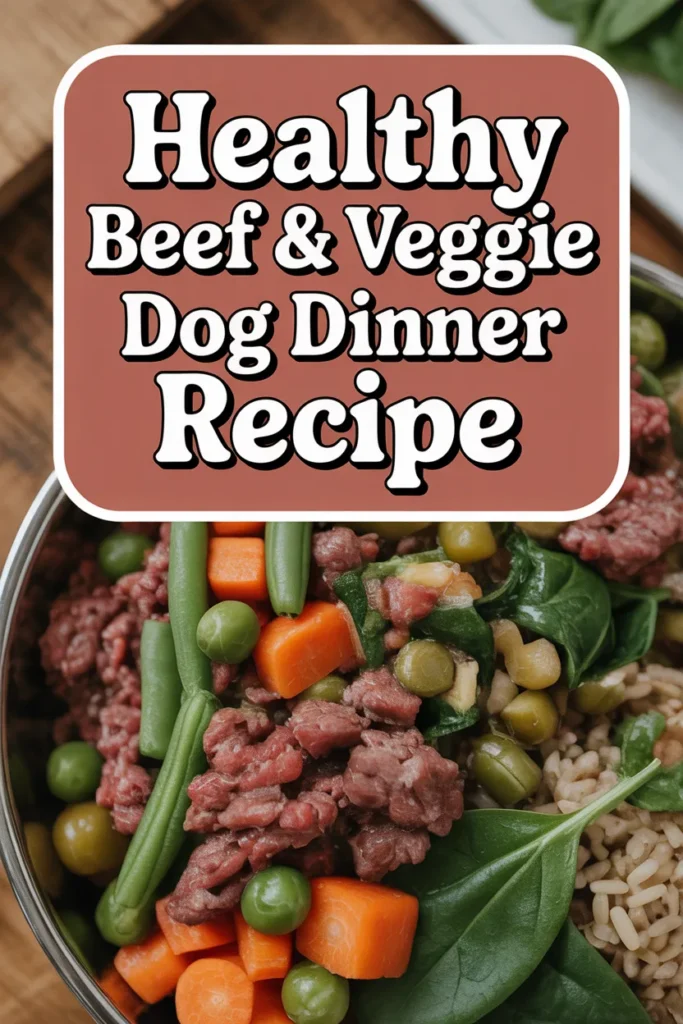
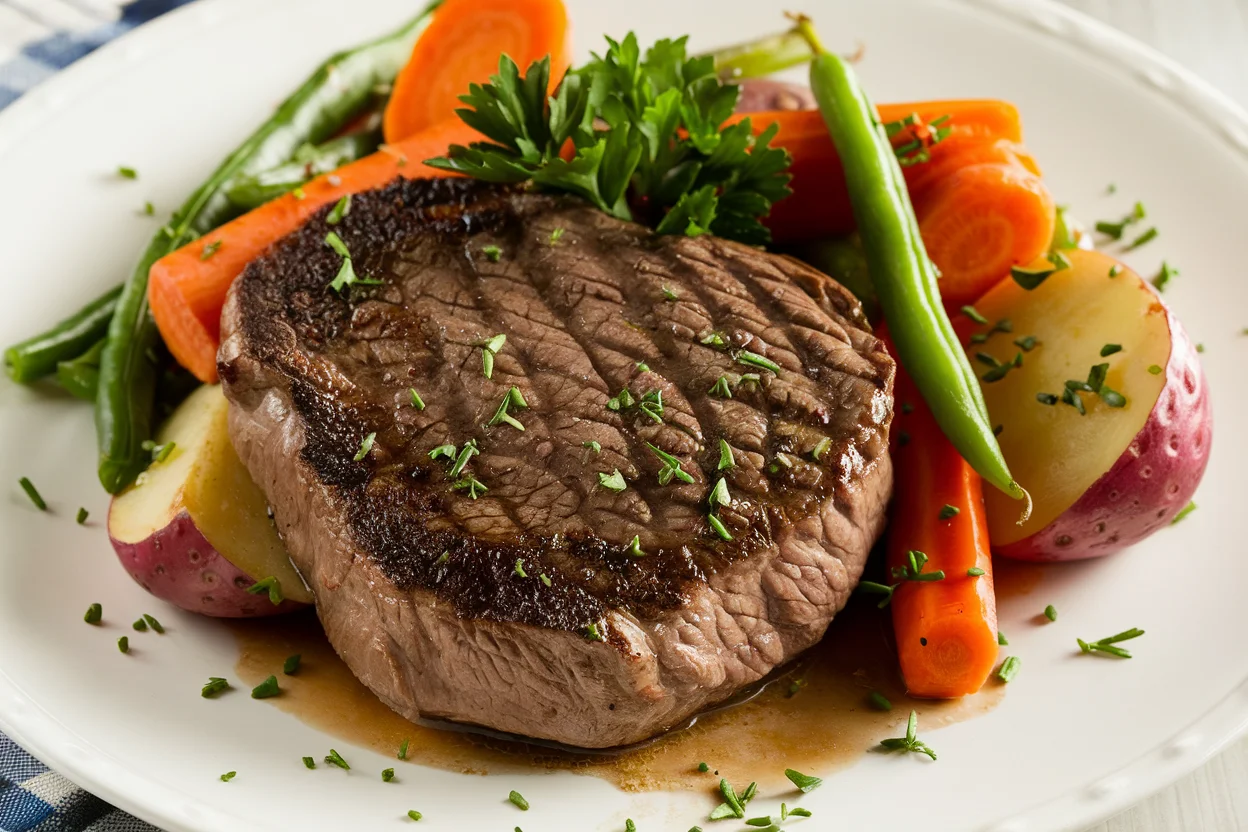
This Beef & Veggie Dog Dinner is a straightforward recipe made with real ingredients that support your dog’s overall health. Lean beef provides high-quality protein, vegetables deliver fiber and essential nutrients, and a wholesome carbohydrate such as rice or oats helps maintain steady energy levels throughout the day. Everything cooks together into a soft, warm mixture that smells like real food because it truly is real food.
Many dog owners notice an immediate reaction the first time they serve a homemade meal like this. Dogs often approach the bowl with excitement, tails wagging and eyes focused, finishing every bite in seconds. Beyond that enthusiasm, the real benefit is knowing exactly what you are feeding your pet. When you cook for your dog yourself, you stay in control of every ingredient that goes into the bowl.
Why This Recipe Works So Well
Balanced nutrition from real ingredients
Dogs need the right combination of protein, carbohydrates, healthy fats, vitamins, and minerals to stay healthy and active. This recipe naturally provides those nutrients through simple whole foods.
The main components contribute important benefits:
- Lean ground beef provides strong protein for muscles and overall body maintenance
- Vegetables add fiber that supports digestion and gut health
- Rice or oats supply slow-release carbohydrates for lasting energy
- Healthy oils support skin health and a shiny coat
Because these ingredients work together, the meal helps maintain your dog’s daily energy without relying on heavily processed fillers.
Easy to digest for most dogs
Homemade dog meals often feel gentler on a dog’s digestive system compared with heavily processed foods. The ingredients are lightly cooked and softened, making them easier to break down and absorb. This can be especially helpful for dogs that experience stomach sensitivity or occasional digestive discomfort.
Flexible ingredients that suit different dogs
Every dog has slightly different preferences. Some enjoy certain vegetables more than others, and some may benefit from small ingredient adjustments. This recipe allows for flexibility while still maintaining balanced nutrition.
You can easily rotate vegetables or swap certain ingredients depending on your dog’s needs and preferences.
Budget-friendly meal preparation
High-quality canned or fresh dog foods often come with a high price tag. Preparing a meal like this at home usually costs much less per serving while producing several portions at once. Batch cooking can make weekly feeding easier while helping reduce overall food expenses.
Full ingredient transparency
One of the biggest advantages of homemade dog food is knowing exactly what your dog is eating. There are no artificial dyes, unknown by-products, or unnecessary fillers. Every ingredient has a clear purpose and contributes something beneficial to the meal.
Ingredients You Will Need
Preparing this recipe requires simple, widely available ingredients that are easy to find in most grocery stores.
Protein Source
- 1 lb (455 g) lean ground beef (90–95% lean)
Lean beef provides essential protein that supports muscle development and daily activity.
Carbohydrate Source
- 1 cup brown rice or rolled oats
These carbohydrates digest slowly and provide steady energy rather than quick spikes.
Vegetables
- 1 cup carrots, finely diced or shredded
- 1 cup green beans, chopped
- 1 cup spinach or kale, chopped with stems removed
- ½ cup peas
These vegetables provide fiber, vitamins, minerals, and antioxidants that support digestion and immune health.
Additional Nutrition Boosters
- 2 tablespoons plain pumpkin puree
- 1–2 tablespoons olive oil or salmon oil
- 1–2 eggs (optional)
Pumpkin helps digestion, while healthy oils support coat and skin health. Eggs provide extra protein and biotin.
Liquid Base
- 2 to 2.5 cups low-sodium bone broth or water
This helps soften ingredients and combine the mixture into a moist meal.
Essential Nutrient Support
- 1 teaspoon finely ground eggshell powder or canine calcium supplement
- Optional canine multivitamin
Calcium is essential if homemade food becomes a regular part of your dog’s diet.
Step-by-Step Cooking Instructions
1. Cook the grain
Begin by preparing the brown rice or oats according to the package instructions. Use water or unsalted bone broth. Once cooked, set it aside.
2. Brown the ground beef
Place a large skillet on medium heat and add the lean ground beef. Break it apart while cooking until the meat is fully browned and no pink remains. Drain excess fat if needed.
3. Add the firm vegetables first
Stir in the carrots and green beans. Cook them for about 4 to 5 minutes so they soften slightly while still maintaining their nutrients.
4. Add softer vegetables
Next, add peas and chopped spinach or kale. These vegetables cook quickly and only need a few minutes to soften and blend into the mixture.
5. Add moisture and simmer
Pour in about 1 to 1.5 cups of broth or water. Allow the mixture to simmer gently for several minutes so the ingredients soften and flavors combine.
6. Mix in pumpkin puree
Stir in the pumpkin puree. It adds moisture and digestive fiber that many dogs benefit from.
7. Combine with the grain
Add the cooked rice or oats to the skillet and mix everything thoroughly so the ingredients distribute evenly.
8. Add eggs if using
Push the mixture slightly to the side of the pan. Scramble the eggs in the empty space, then fold them into the meal.
9. Stir in healthy oils
Remove the pan from heat and drizzle olive oil or salmon oil over the mixture. Stir gently to distribute the healthy fats.
10. Allow the food to cool
Let the meal cool completely before serving. Dogs often eat quickly, and hot food can easily burn their mouths.
11. Add calcium and supplements
Once the food has cooled, mix in the ground eggshell powder or calcium supplement. If you are using a multivitamin, add it according to the recommended serving amount.
12. Portion and serve
Divide the food into portions appropriate for your dog’s size and activity level.
Storage and Preservation Guide
Refrigerating fresh portions
Store the prepared dog food in airtight containers in the refrigerator for 3 to 4 days. Separating daily portions ahead of time makes feeding quick and convenient.
Freezing for longer storage
If you prepare a larger batch, freezing works very well.
Helpful freezing tips:
- Portion meals into individual containers
- Use freezer-safe bags or silicone trays
- Label containers with the preparation date
The food can remain frozen for up to two months.
Thawing and reheating
When ready to use a frozen portion:
- Thaw overnight in the refrigerator
- Warm gently on the stove or microwave
- Always allow the food to cool again before serving
Food safety reminders
Discard the food if you notice:
- An unusual sour smell
- Slimy texture
- Visible spoilage
Freshness is important for your dog’s health.
Nutritional Benefits of This Meal
This recipe supports several aspects of canine health.
Muscle maintenance and strength
Beef provides high-quality protein that supports muscle growth, repair, and overall strength.
Improved digestion
Fiber from pumpkin, carrots, and green beans helps regulate digestion and maintain healthy stools.
Immune and cellular support
Leafy greens contribute antioxidants and essential nutrients that support immune function.
Healthy skin and coat
Salmon oil or olive oil contains beneficial fats that help maintain smooth skin and a shiny coat.
Consistent energy levels
Brown rice and oats provide steady energy that helps dogs remain active without sudden energy crashes.
Common Mistakes to Avoid
When preparing homemade dog food, a few mistakes can affect nutritional balance.
Forgetting calcium
Homemade diets often lack enough calcium naturally. Always include a proper calcium source when feeding recipes regularly.
Adding human seasonings
Avoid ingredients such as:
- Onion
- Garlic
- Salt
- Spicy seasonings
These can be harmful to dogs.
Serving food while still hot
Dogs usually eat quickly and may burn their mouths if the food is too hot. Always allow it to cool first.
Using unsafe foods
Never include the following ingredients:
- Grapes
- Raisins
- Onions
- Leeks
- Chives
- Large amounts of avocado
These foods can be toxic to dogs.
Guessing portion sizes long term
Feeding amounts should be adjusted according to your dog’s body condition, weight, and activity level.
Ingredient Alternatives
If you want to adjust the recipe, several substitutions work well.
Protein alternatives
Instead of beef, you may use:
- Lean ground turkey
- Ground chicken
- Venison
These options still provide excellent protein while keeping fat levels moderate.
Carbohydrate substitutes
For dogs that do better without grains:
- Sweet potato
- Quinoa
Both provide energy and important nutrients.
Vegetable variations
Vegetables that can safely rotate into the recipe include:
- Zucchini
- Broccoli florets
- Small portions of butternut squash
Always cook them until soft.
Adjustments for food sensitivities
If your dog shows signs of food intolerance, switching the protein or carbohydrate source often helps identify a better combination.
Feeding Guidelines
A general guideline for adult dogs is feeding 2–3% of their body weight per day.
Example:
- A 20 lb dog may eat roughly 6 to 9 ounces of food daily, divided into two meals.
However, several factors influence portion size:
- Age
- Activity level
- Metabolism
- Overall health condition
Monitoring your dog’s body condition and adjusting portions gradually helps maintain a healthy weight.
Frequently Asked Questions
Can puppies eat this recipe?
Puppies have very specific nutrient requirements for healthy growth. Homemade diets should only be used for puppies with guidance from a veterinarian or veterinary nutritionist.
Is canned pumpkin acceptable?
Yes, as long as it is 100% plain pumpkin puree without sugar or spices.
What if my dog has a sensitive stomach?
Start by mixing a small amount of the homemade meal with your dog’s current food over 3 to 5 days. Gradual introduction allows the digestive system to adjust comfortably.
Can I cook large batches?
Yes. Many owners prepare a larger batch and freeze individual servings. This makes feeding easy throughout the week.
Is garlic powder safe for dogs?
No. Garlic and onions are toxic to dogs and should never be included in their meals.
Final Thoughts
Beef & Veggie Dog Dinner is a simple and nutritious homemade option that supports your dog’s health using real, recognizable ingredients. With lean protein, vegetables, healthy fats, and balanced carbohydrates, it delivers the kind of nourishment many dogs thrive on.
Preparing meals like this also gives you peace of mind. You know exactly what is going into your dog’s bowl, and you can adjust ingredients to suit their needs. By cooking in batches, storing portions properly, and maintaining balanced nutrition with calcium and supplements when necessary, this recipe can easily become part of a healthy feeding routine your dog will look forward to every day.