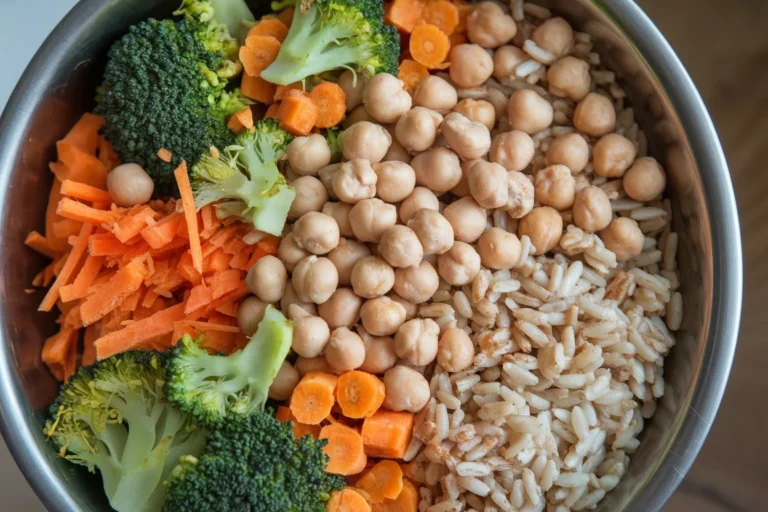
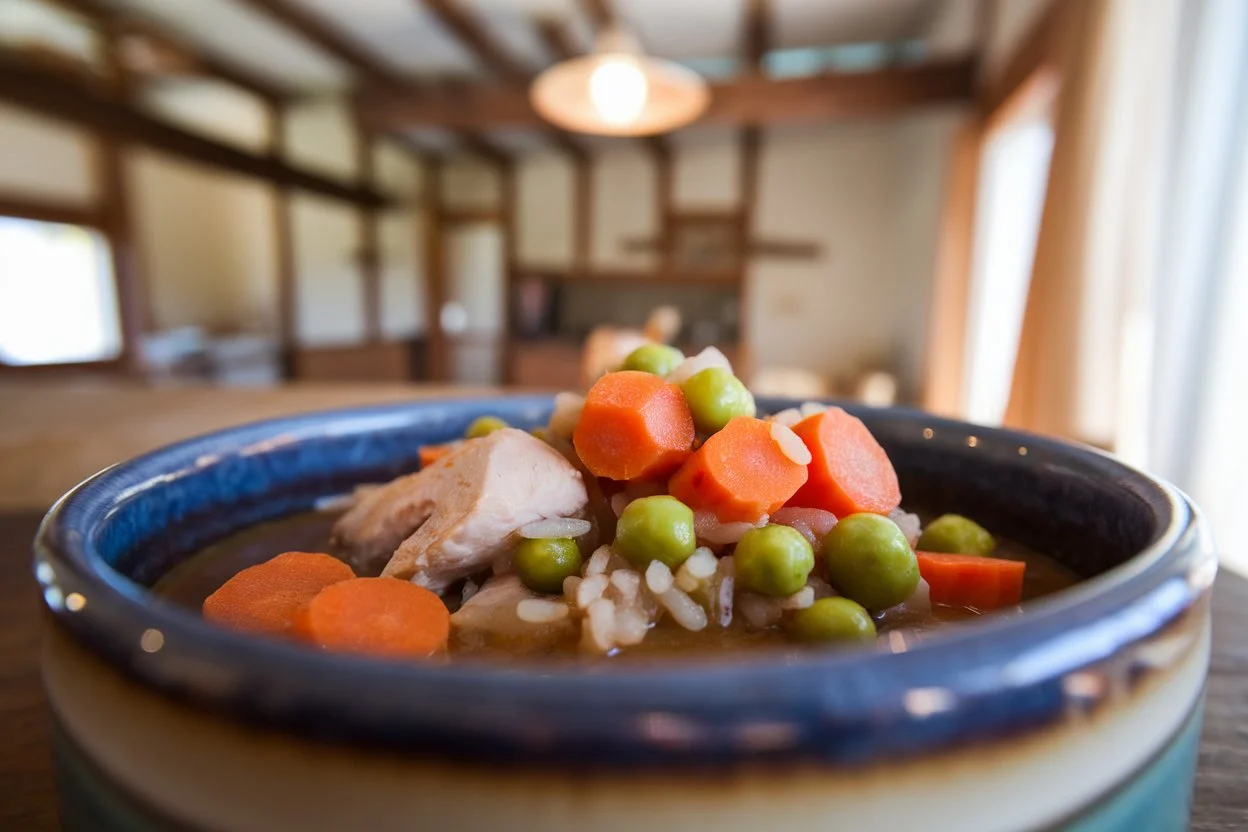
4-Ingredient Stew for Dogs (So Good They’ll Ask For More)
4-Ingredient Stew for Dogs (So Good They’ll Ask For More)
After more than 20 years of grooming, feeding, and caring for dogs, I’ve learned one simple truth: dogs love variety just as much as we do. When a dog eats the same kibble every single day, it can quickly become boring for them. I’ve seen this with many dogs I’ve worked with over the years—some start eating slower, some leave food behind, and picky eaters become even pickier.
That’s why I occasionally prepare simple homemade meals like this 4-ingredient dog stew. It’s warm, nutritious, and incredibly easy to make. Most importantly, it uses real ingredients you can see and trust, which gives many dog owners peace of mind.
Key Takeaways
- This 4-ingredient dog stew is simple, nutritious, and easy to digest.
- Warm, soft meals are especially helpful for senior dogs or picky eaters.
- The basic formula is protein + vegetables + carbs + broth.
- Homemade stews can improve hydration and appetite in dogs.
- Always avoid toxic ingredients like garlic, onions, grapes, and raisins.
- Portions should match your dog’s size, activity level, and vet recommendations.
- Leftovers can be refrigerated for 3–4 days or frozen for longer storage.
I’ve made versions of this stew for years, and in my experience, it works beautifully as a full meal, occasional treat, or a topper to upgrade boring kibble.
🍲 Why Stew?

Dogs naturally enjoy warm, soft food, and stew offers several benefits I’ve personally noticed while feeding dogs in my care.
Easy on digestion
Cooked ingredients break down more easily in a dog’s stomach compared to raw or heavily processed foods.
Great for hydration
Stews contain broth or water, which helps dogs stay hydrated. Studies suggest mild dehydration is common in dogs eating only dry kibble, so adding moisture can help.
Perfect for picky eaters or older dogs
Senior dogs often develop dental sensitivity or reduced appetite. Soft stews make eating easier and more appealing.
Ideal as a topper or standalone meal
Even a few spoonfuls over kibble can make dogs much more excited about their meals.
Another reason I recommend homemade options like this occasionally is simple: you control the ingredients. No mystery fillers, artificial flavors, or unnecessary additives.
🐾 The 4 Ingredients You Need
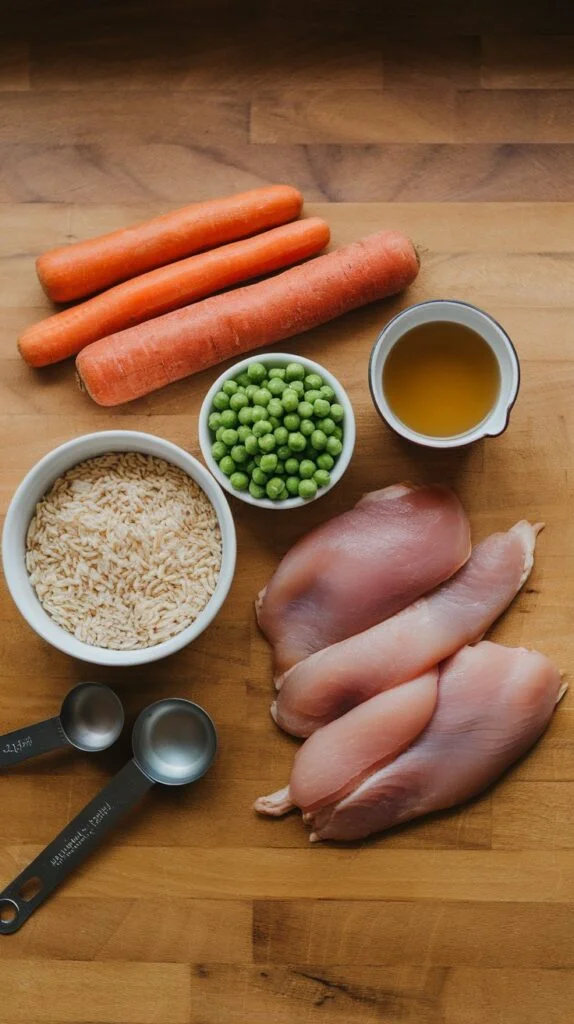
One thing I love about this recipe is that it’s incredibly flexible. Over the years I’ve made dozens of variations depending on what I had available.
1. Lean Protein (1 cup cooked)
Protein is the foundation of a dog’s diet.
Good options include:
- Chicken
- Turkey
- Lean beef
- Salmon (fully cooked, bones removed)
Always cook the meat plain with no seasoning. Dogs should never eat garlic, onion powder, or heavily salted foods.
In my experience, chicken or turkey works best for sensitive stomachs, while salmon is fantastic for dogs with dry skin or dull coats due to its natural omega-3 fatty acids.
2. Vegetables (1 cup chopped/cooked)
Vegetables add fiber, vitamins, and antioxidants.
Safe choices include:
- Carrots
- Green beans
- Peas
- Spinach
- Sweet potatoes
Light steaming or boiling makes vegetables much easier for dogs to digest. I’ve noticed dogs absorb nutrients better this way, especially older dogs.
Carrots and sweet potatoes are two of my personal favorites because they provide beta-carotene, which supports eye health and immunity.
3. Rice or Quinoa (½–1 cup cooked)
Healthy carbohydrates provide energy and fiber.
You can use:
- Brown rice
- White rice
- Quinoa
White rice is often recommended for dogs with digestive issues, while brown rice provides more fiber.
In my years of feeding dogs recovering from stomach upset, plain white rice with chicken has always been one of the most reliable gentle meals.
4. Low-Sodium Broth or Water (1–2 cups)
Broth helps bring everything together while adding moisture.
Best options:
- Unsalted chicken broth
- Unsalted beef broth
- Plain water
Low sodium is important because excess salt can stress a dog’s kidneys, especially in smaller breeds.
If your dog drinks very little water, broth-based meals like this can significantly boost hydration levels.
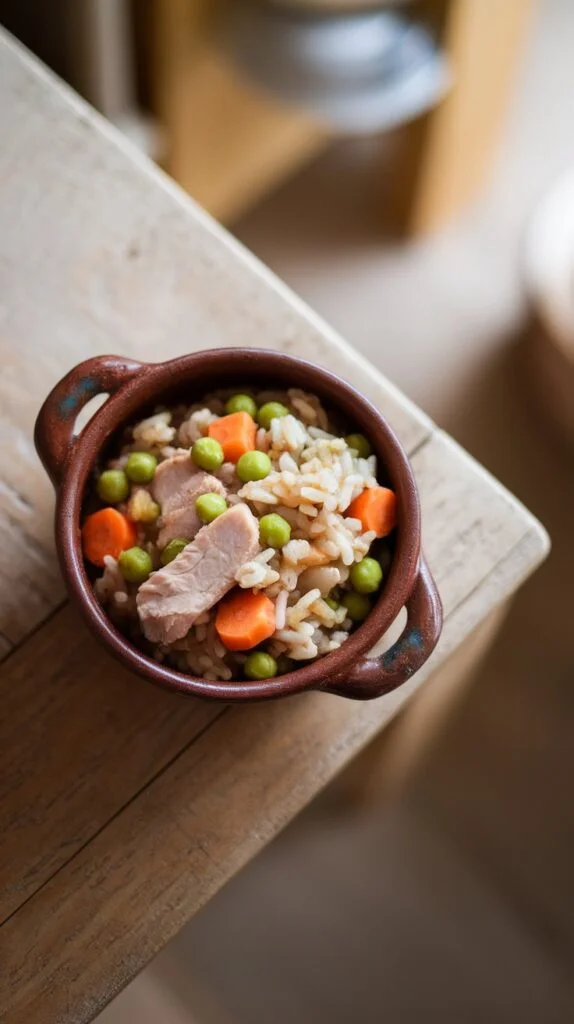
👩🍳 How to Make It
Making this stew takes about 20–25 minutes total, and the process is simple.
Cook your protein fully
Use plain cooking methods like boiling or baking. Avoid oils, spices, garlic, and onions.
Chop and steam your vegetables
Cook them until they are soft but not overcooked.
Combine ingredients in a pot
Add protein, vegetables, rice or quinoa, and broth.
Simmer for 10–15 minutes
Stir occasionally so flavors blend well.
Cool completely before serving
This is important. Dogs often try to eat food immediately, even if it’s too hot.
In my experience, lukewarm food is the sweet spot for dogs—they smell it better and get more excited about eating.
🧊 Storage Tips
One of the reasons I love this recipe is how easy it is to prepare in batches.
Refrigerator storage
Store leftovers in an airtight container for 3–4 days.
Freezer storage
Freeze portions in silicone trays or small containers.
This makes it easy to thaw individual servings later.
When reheating, always warm the stew gently until slightly warm, not hot.
🐕 When to Serve It
There are several times when this stew works especially well.
As a full meal
For dogs who eat mostly homemade diets (with proper vet guidance).
As a kibble topper
Just a few tablespoons can make regular kibble much more appealing.
After a vet visit
Many dogs lose appetite after stressful situations. A warm meal often helps.
Cold winter days
Dogs enjoy warm meals just like we do.
Pro Tip from my experience:
Once the stew cools, you can mix in small health boosters like:
- Fish oil for skin and coat health
- Dog-safe probiotics for digestion
- Joint support powder for older dogs
Because the stew is flavorful, most dogs never notice the supplements.
❓FAQ: Because We Know You’re That Kind of Dog Parent
1. Can I use raw veggies instead of cooking them?
You can, but cooked vegetables are generally much easier for dogs to digest. Raw vegetables may cause gas or mild stomach discomfort in some dogs.
From what I’ve seen working with dogs for years, lightly cooked vegetables work best for most breeds.
2. What should I absolutely avoid?
Some foods are toxic to dogs and should never be included.
Avoid:
- Garlic
- Onions
- Chives
- Leeks
- Grapes
- Raisins
- Highly seasoned meat
Even small amounts of these ingredients can cause serious health problems.
3. Can I switch up the ingredients?
Absolutely.
This recipe follows a simple formula:
Protein + Vegetables + Carb + Broth
You can rotate ingredients to give your dog nutritional variety and prevent boredom.
4. How much should I feed them?
Portion size depends on:
- Your dog’s weight
- Activity level
- Age
- Whether the stew is a full meal or topper
As a rough guideline, adult dogs typically need about 2–3% of their body weight in food per day, but your veterinarian can give the most accurate recommendation.
Final Thoughts: Warm Food = Happy Dog
After spending two decades around dogs, I can confidently say that homemade meals—even simple ones like this stew—can make a big difference in a dog’s excitement around food.
This 4-ingredient dog stew is:
- Easy to make
- Budget-friendly
- Packed with real nutrition
- Perfect for occasional home-cooked meals
And honestly, there’s something incredibly rewarding about watching your dog happily devour a meal you made yourself.
Cook it. Let it cool. Serve it.
Then enjoy the tail wags, happy eyes, and clean bowl that follow. 🐾