7 Common Behavior Problems in Siberian Huskies (And How to Fix Them)
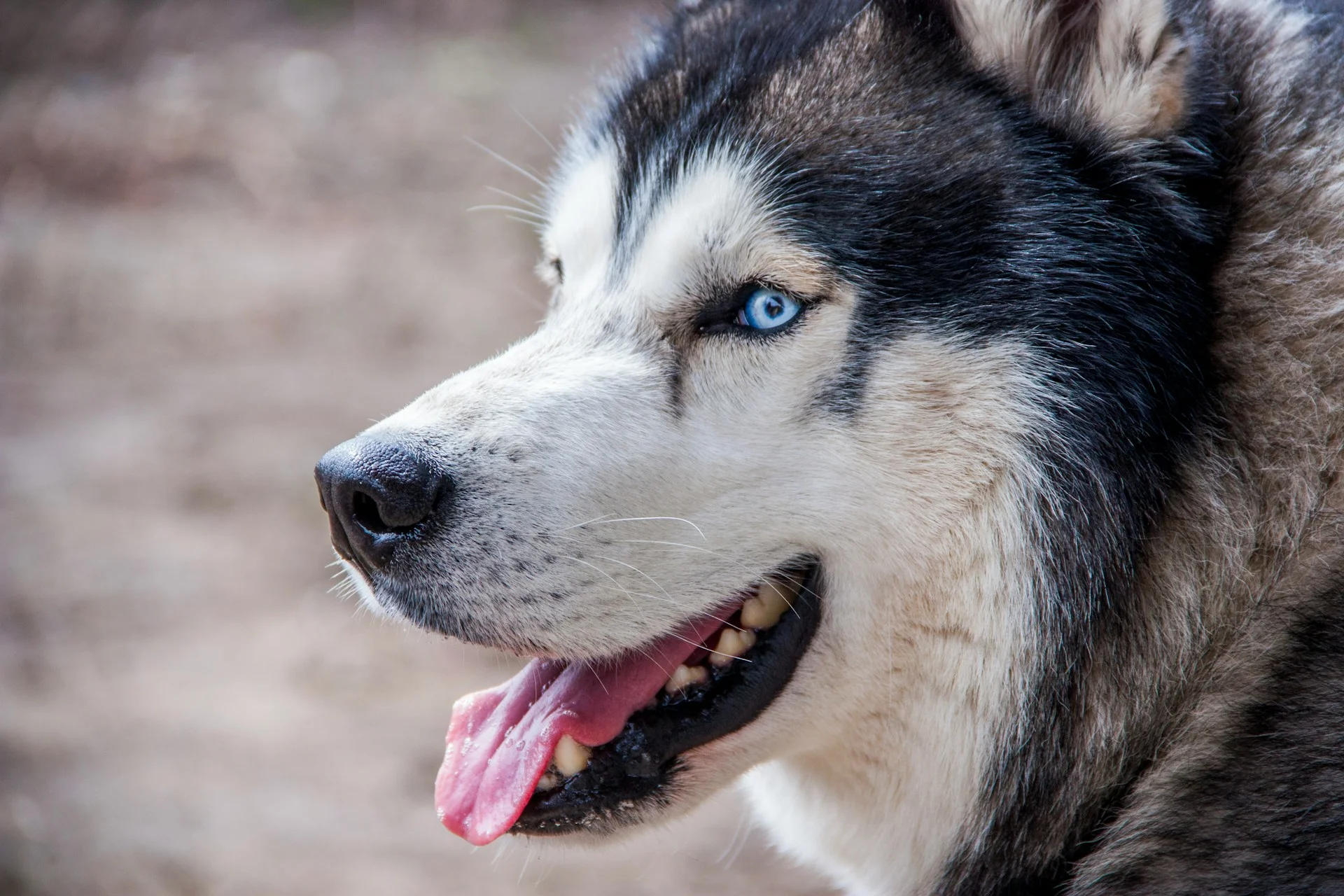
Siberian Huskies are one of the most beautiful dog breeds out there. Their piercing eyes, fluffy coats, and playful personalities make them irresistibly charming. But their intelligence and independence mean they often do exactly what they want, not what you want. They are goofy, energetic, and strong-willed, which can make living with them a challenge if you don’t understand their unique needs. If you’ve ever returned home to chewed shoes, scratched doors, or a Husky staring at you like you owe them something, you’re not alone. These dogs have quirks, but with the right approach, you can turn challenges into enjoyable moments.
The Escape Artist Life
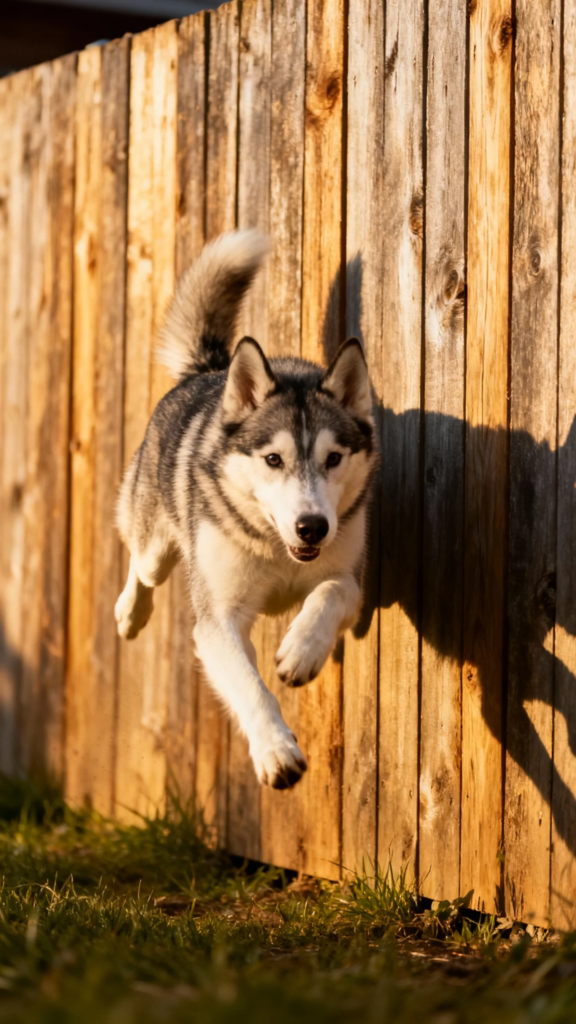
Huskies were bred to run and explore, so freedom is in their nature. They will find any weakness in a fence, door, or gate. Motivated enough, they can jump fences up to six feet tall, making containment a serious consideration.
How to Keep a Husky Safe and Contained
Upgrade Your Fence: Use at least a six-foot-tall fence with smooth surfaces and minimal footholds. Adding a lean-in top or coyote rollers can provide extra security.
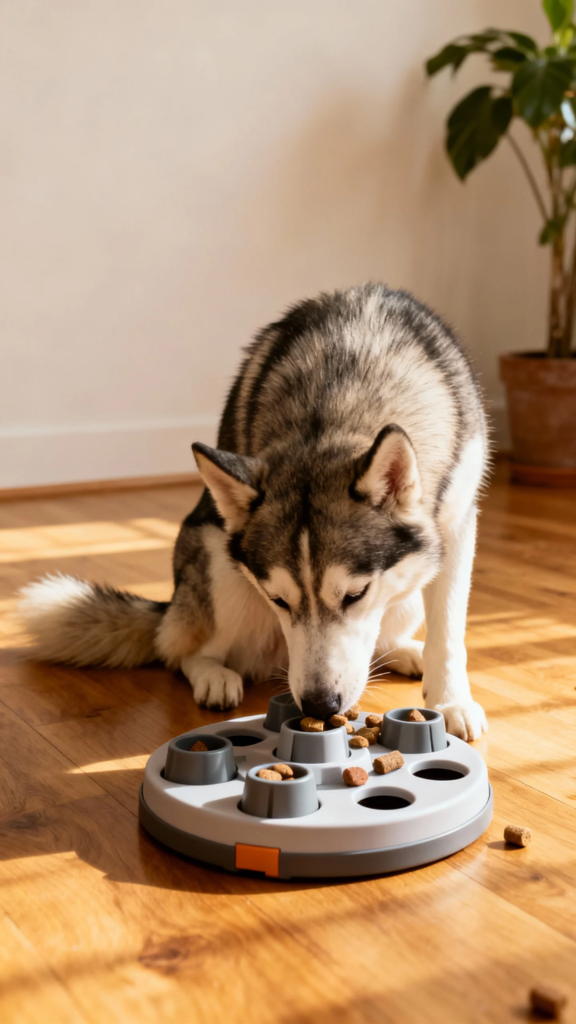
Provide Mental and Physical Stimulation: Long sniffing walks, flirt pole games, and puzzle feeders help burn off energy. A well-stimulated Husky is far less likely to escape.
Train Recall Realistically: Many Huskies are not fully reliable off-leash. Long lines in open areas let them enjoy freedom while staying safe.
Training Tip: The “Check-In” Game
During walks, reward your Husky every time they look back at you. Saying “Yes!” and giving a treat builds a habit where checking in with you is always a positive experience. It strengthens your bond and keeps them safe.
The Scream-And-Howl Soundtrack
Huskies are famously vocal. They talk, howl, and sometimes scream, expressing excitement, boredom, or frustration. Deny a walk or attention, and your Husky may respond with a full-on concert.
How to Manage Excessive Howling
Teach the “Quiet” Cue: Reward even brief pauses in vocalizing. Over time, your Husky learns that being quiet brings attention and treats.
Increase Enrichment: Rotate toys, use lick mats, and add scent-based games. Bored Huskies are louder Huskies.
Avoid Reinforcing Demand Howling: Don’t give in when your dog screams for attention. Wait for calm behavior to engage, teaching them that quiet behavior gets rewards.
Handling Separation Anxiety: If howling starts when you leave and stops upon your return, your Husky may be anxious. Start with short departures, monitor via camera, and consult a certified trainer for guidance.
Destructive Chewing and Digging
Huskies chew and dig not out of spite, but because they are bored, teething, or full of energy. Without proper outlets, furniture, shoes, and carpets can become victims of their creativity.
Solutions for Chewing and Digging
Create a Chew Library: Rotate safe chew toys like rubber toys, frozen Kongs, or yak chews. Set up a “chew zone” to provide safe options when unsupervised.
Provide a Digging Outlet: Designate a dig pit in your yard and bury toys in it. Encourage your Husky to dig there instead of in unwanted areas.
Daily Exercise Routine: Huskies need 90–120 minutes of physical and mental stimulation daily to stay balanced.
Crate Training Made Positive
Make the crate an inviting space: feed meals inside, toss treats in, and keep the door open initially. Never use the crate as punishment. Start with short, frequent sessions, and your Husky will learn to love their private space.
Stubbornness and Selective Listening
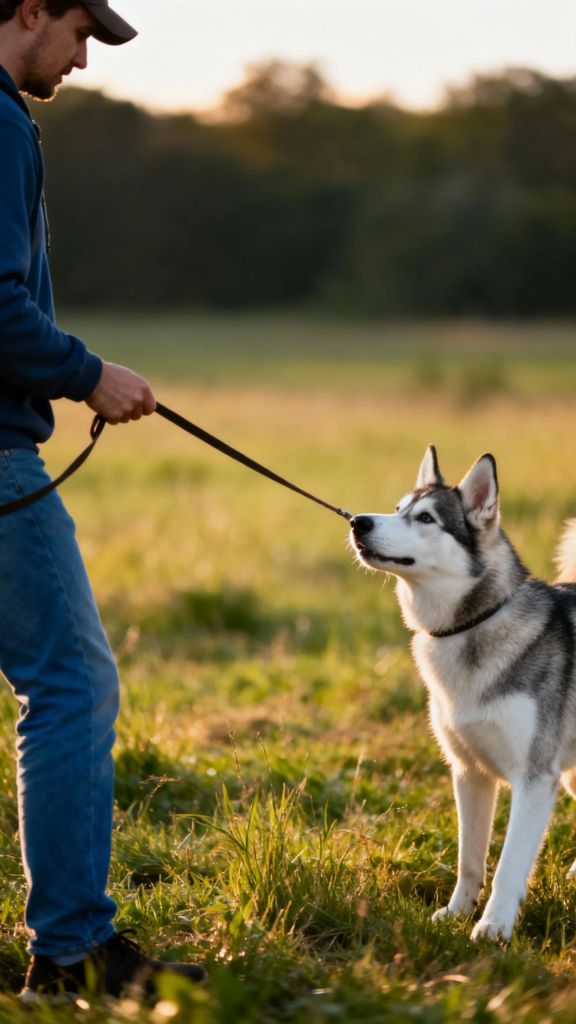
Huskies are intelligent and independent. They hear you, but they often choose their own focus, ignoring commands in favor of something more interesting, like squirrels or passing cars.
How to Train a Husky Who Chooses Their Own Adventure
Use High-Value Rewards: Special treats like chicken or cheese work better than kibble when distractions are high.
Keep Training Short: 3–5 minute sessions multiple times a day keep them engaged and prevent frustration. Always end on a success.
Proof Commands Gradually: Start with sit, down, and stay indoors, then move to the yard, and eventually to walks.
Leverage Choices: Ask for a sit before leashing, a down before meals, or a touch before going outside. This teaches that cooperation brings rewards, making daily life smoother.
Leash Pulling Like a Sled Dog
Pulling is instinctive for Huskies. They were bred to pull sleds, and that energy is in their DNA. You can’t remove it, but you can guide it safely.
Techniques to Reduce Pulling
Use a Front-Clip Harness: Helps reduce neck strain and discourages pulling.
“Be a Tree” Method: Stop walking when your Husky pulls. Resume only when the leash is loose. Consistency is key.
Reward Position: Treat your dog for walking calmly at your side. Start in low-distraction areas and increase difficulty gradually.
Provide an Outlet: Let them pull through canicross or urban mushing in designated areas to satisfy their instincts safely.
Prey Drive and Small Animal Drama
Huskies have a strong prey instinct and may chase squirrels, cats, or even small dogs. This behavior is instinct, not malice.
How to Manage Prey Drive
Management First: Always use a strong leash and harness. Avoid off-leash areas near wildlife.
Engagement Training: Teach “look at me” and “let’s go” cues with high-value rewards to redirect attention.
Pattern Games: Simple routines like “1-2-3-treat” keep your Husky focused on you despite distractions.
Introducing Cats: Some Huskies can live peacefully with cats, others may never be fully trustworthy. Introduce slowly using barriers and always provide escape routes for the cat. Supervision is crucial for months until calm behavior is consistent.
Resource Guarding and Food Possessiveness
Huskies may guard food, toys, or objects. Growling is an early warning—never scold it.
How to Handle Guarding
Trade Up: Teach “drop it” by offering higher-value treats in exchange for items. Occasionally return the item to reinforce trust.
Hand-Feeding Reps: Drop bonus treats into the bowl while they eat to create a positive association with humans approaching.
Manage the Environment: Remove high-value items when guests visit to prevent conflicts.
Seek Professional Help: If your Husky guards aggressively or you feel unsafe, a certified behaviorist can help quickly and safely.
Daily Routine That Works
Huskies thrive on structure and consistency. They don’t need military-style schedules, but predictable routines help reduce stress and behavioral issues.
Sample Daily Flow
Morning: 30–45 minute brisk walk or jog plus 5 minutes of obedience training.
Midday: Puzzle feeder, sniff mat, or short training sessions like recall or touch games.
Evening: Active play like flirt pole or fetch, followed by calm decompression walks and chew time.
Weekly Extras: Nose work, tracking games, hiking with a weighted backpack, or group classes to provide socialization and impulse control.
Training Mindset
Focus on progress, not perfection. Reward the behaviors you like, manage the ones you don’t, and keep sessions short and consistent. Five minutes daily is far more effective than one long session once a week.
Frequently Asked Questions
Are Huskies good for first-time owners? Yes, if you love exercise, routine, and problem-solving. They are challenging but rewarding.
How much exercise does a Husky need? Around 90–120 minutes of daily physical and mental activity. Quality and variety matter more than distance.
Can I trust a Husky off-leash? Usually not. Long lines and secure fenced areas are safest due to their prey drive and independence.
Will neutering/spaying fix behavior issues? It may reduce hormone-driven behavior but does not replace training, structure, or mental stimulation.
How do I prevent destructive behavior when alone? Use a crate or gated area, provide a stuffed frozen Kong, exercise your Husky beforehand, and gradually increase separation times.
Do Huskies get along with other dogs? Many do, especially with proper socialization. Always supervise play, match energy levels, and allow breaks when needed.
Conclusion of Common Behavior Problems in Siberian Huskies
Huskies are not inherently difficult—they simply have specific needs. Providing them with structure, outlets for their intelligence and energy, and clear rules that reward positive behavior transforms challenges into enjoyable quirks. With patience, consistency, and understanding, living with a Husky becomes incredibly rewarding. When your Husky finally responds to recall past a squirrel, you’ll know all the effort was worth it.