
How to Make Ear Cleaning Solution for Dogs with Witch Hazel & Chamomile
You love your dog, but that funky ear smell and constant head shaking can quickly become frustrating. I can confidently say ear care is one of the most overlooked parts of dog hygiene. The good news is you can make a gentle and effective ear cleaning solution at home using simple ingredients like witch hazel and chamomile. It’s affordable, natural, and surprisingly effective for routine ear maintenance.
Key Takeaways
• Witch hazel works as a natural astringent that helps remove oil, wax, and moisture from dog ears.
• Chamomile has anti-inflammatory and soothing properties that calm irritated skin.
• This DIY solution is ideal for routine ear cleaning, not for treating infections.
• Most dogs benefit from ear cleaning every 1–2 weeks, depending on breed and ear type.
• Dogs with floppy ears or swimmers may need ear cleaning more often.
• Avoid alcohol, essential oils, and vinegar which can irritate sensitive ear tissue.
• Always check ears for redness, discharge, or pain before cleaning.
According to veterinary dermatology research, around 20% of dogs develop ear problems during their lifetime, especially breeds with floppy ears. Regular ear maintenance can prevent wax buildup and reduce odor.
Why Witch Hazel and Chamomile Work (And When They Don’t)
Image Credit: smart dog learning
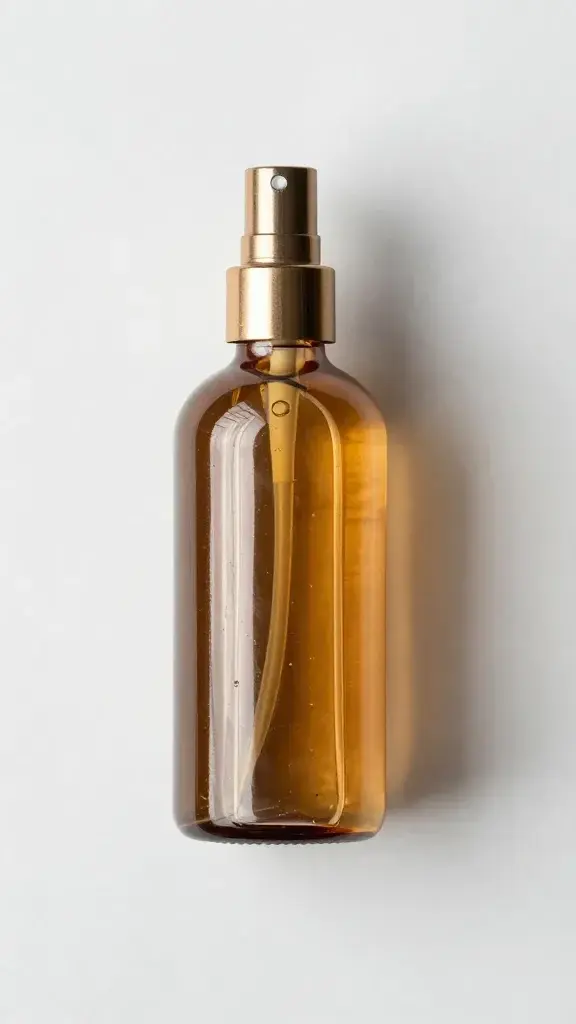
Over the years in my grooming routine, I’ve seen many natural ear cleaners come and go, but witch hazel and chamomile consistently work well for gentle maintenance.
Witch hazel acts as a mild astringent. It helps remove excess oils and moisture that can trap bacteria or yeast. Unlike rubbing alcohol, it cleans without causing burning or irritation when properly diluted.
Chamomile is widely known for its soothing properties. It contains compounds like apigenin and bisabolol, which help calm irritated skin and reduce mild inflammation. This makes it particularly helpful for dogs with slightly itchy ears after outdoor play or seasonal allergies.
However, this solution is not meant to treat infections. If your dog’s ears show signs like:
• Thick discharge
• Strong yeast smell
• Redness or swelling
• Pain when touched
• Constant scratching or head tilting
then it’s time to consult your veterinarian before trying any home remedy.
In my experience, catching ear issues early is one of the best ways to prevent chronic infections.
What You’ll Need (Simple, Safe, Effective)
Making this solution is simple and requires only a few ingredients. I’ve used nearly this exact mixture in grooming settings for years when dogs just needed a gentle clean.
Ingredients and tools:
• Alcohol-free witch hazel (distilled)
• Dried chamomile flowers or pure chamomile tea bags
• Distilled water
• Small saucepan
• Fine strainer
• Clean squeeze bottle or dropper bottle
• Cotton pads or gauze
Avoid using cotton swabs deep inside the ear canal. In grooming practice, I always stick to cotton pads or gauze because they reduce the risk of pushing wax deeper.
Make the Chamomile Infusion
Image Credit: smart dog learning

The first step is brewing a simple chamomile infusion.
Bring 1 cup of distilled water to a gentle simmer.
Add 1 tablespoon of dried chamomile flowers or two chamomile tea bags.
Cover and let it steep for 10 to 15 minutes.
Strain the liquid thoroughly and allow it to cool to room temperature.
Chamomile tea works best when it’s fresh and mild, not overly concentrated.
Pro Tip: Keep It Clean
After decades of grooming dogs, one habit I always follow is keeping everything extremely clean.
Use sanitized containers and clean utensils. If the mixture ever becomes cloudy or develops an unusual smell, discard it immediately and make a fresh batch.
Dog ears are sensitive environments, and contamination can cause irritation.
Mix the Ear Cleaning Solution
Once the chamomile infusion is completely cooled, you can mix the solution.
Combine two parts chamomile tea with one part alcohol-free witch hazel.
Example mixture:
½ cup chamomile tea
¼ cup witch hazel
For extra soothing benefits, you can optionally add 1 teaspoon of pure aloe vera juice, as long as it contains no alcohol or fragrances.
Always use the solution at room temperature. Cold or hot liquid can make dogs uncomfortable and may cause them to resist ear cleaning.
Can I Add Essential Oils?
I strongly recommend avoiding essential oils in dog ear solutions.
Even oils that seem mild for humans can irritate a dog’s sensitive ear canal. Over the years I’ve seen several cases where well-meaning owners accidentally caused redness or itching by adding oils like tea tree or peppermint.
Simple is safer when it comes to ear care.
How to Clean Your Dog’s Ears (The Calm, Non-Wrestling Way)
Image Credit: smart dog learning
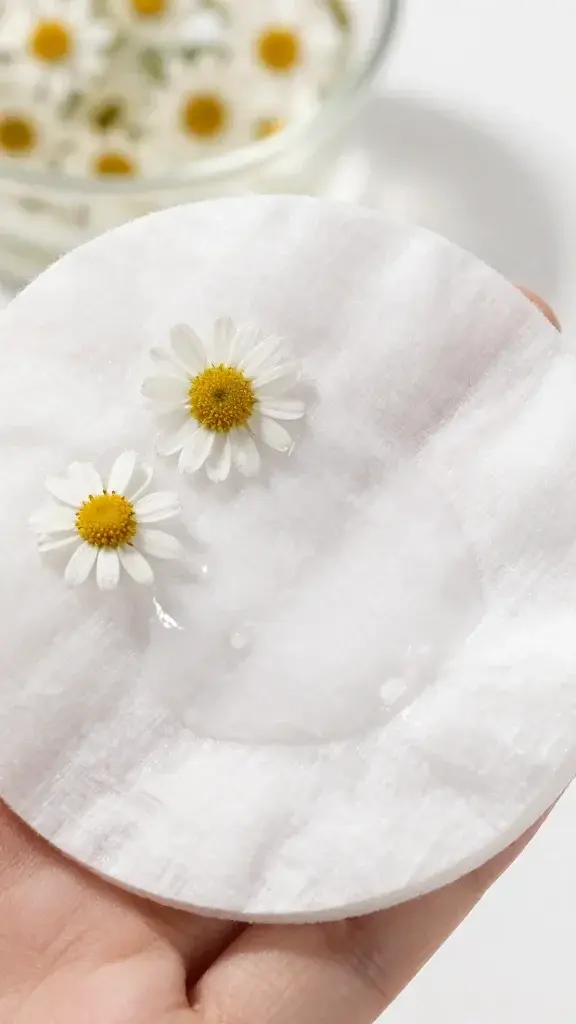
Cleaning ears doesn’t have to feel like wrestling a crocodile. With the right approach and a few treats, most dogs cooperate.
First, check the ear. Look for redness, swelling, strong odor, or discharge. If you notice these signs, stop and consult your veterinarian.
Fill a dropper or squeeze bottle with your cleaning solution.
Gently lift the ear flap and apply enough solution to fill the entrance of the ear canal. Avoid inserting the bottle tip deep into the ear.
Massage the base of the ear gently for about 20 to 30 seconds. You will usually hear a soft squishing sound as the solution loosens wax.
Allow your dog to shake their head. This is normal and helps bring debris to the surface.
Finally, use a cotton pad or gauze to wipe the outer ear canal and ear flap.
In my grooming experience, positive reinforcement makes a huge difference. Offer a treat and calm praise after each cleaning session.
How Often Should You Clean?
Frequency depends on your dog’s breed, lifestyle, and ear structure.
Routine maintenance for most dogs is every one to two weeks.
Dogs with floppy ears, heavy wax production, or frequent swimming may benefit from cleaning once or twice weekly.
After baths or swimming, a quick ear cleaning helps remove trapped moisture and prevents yeast growth.
If your dog’s ears require cleaning every couple of days to stay odor-free, it’s worth having a veterinarian check for underlying issues.
Safety Notes You Shouldn’t Skip
Ear care is simple, but there are a few rules I always follow to keep dogs safe.
Never use ear cleaner on damaged skin or suspected eardrum rupture.
Avoid solutions containing alcohol because they can sting and dry sensitive tissue.
Make small batches of the DIY solution and store it in the refrigerator for up to seven days.
Always warm the solution to room temperature before using it.
Test for sensitivity by applying a small amount on the inner ear flap before full use.
If your dog shows pain, imbalance, excessive scratching, or head tilting, stop immediately and contact your veterinarian.
When Witch Hazel & Chamomile Shine
This natural ear rinse works especially well for routine maintenance.
It helps with mild wax buildup when ears look normal but slightly dirty.
It is useful after swimming to help dry excess moisture.
It can soothe mild itching caused by dust, pollen, or environmental allergens.
Many dog owners also appreciate that this solution has a soft herbal scent rather than the strong chemical smell of some store-bought cleaners.
Troubleshooting: If Things Get Weird
Not every ear issue responds to routine cleaning.
If odor remains after several cleanings, yeast or bacteria may be present and a veterinarian should evaluate the ears.
Large amounts of dark debris could indicate ear mites, especially in puppies.
If the outer ear flap becomes red or irritated, try diluting the mixture further using three parts chamomile tea to one part witch hazel.
For dogs that dislike ear cleaning, start with very small steps. Lift the ear, reward with a treat, touch the bottle, reward again, and slowly build trust.
FAQ
Can I use this if my dog has an ear infection?
No. Home remedies cannot treat infections. If you notice redness, swelling, discharge, or pain, consult your veterinarian for proper treatment. After recovery, this solution may be used for maintenance with veterinary approval.
Is witch hazel safe for dogs?
Alcohol-free witch hazel is generally safe for external use when diluted properly. Avoid applying it to broken skin or irritated tissue.
Can I swap chamomile for green tea?
Yes, mild green tea can work as well because it contains natural antioxidants and mild antibacterial compounds. However, chamomile tends to be gentler for sensitive skin.
What if my dog hates liquid in the ear?
You can use a wipe method instead. Soak a cotton pad with the solution and gently clean the outer ear canal and ear flap.
How long does the solution last?
Store it in the refrigerator for up to seven days. If the liquid becomes cloudy or develops an unusual smell, discard it and prepare a new batch.
Can I add vinegar for extra cleaning power?
I do not recommend adding vinegar. It can sting sensitive ear tissue, especially if there is mild irritation already present.
Conclusion
A simple witch hazel and chamomile ear cleaner is one of the easiest and most affordable ways to maintain your dog’s ear hygiene. With regular use, it helps remove wax buildup, reduce odor, and keep ears comfortable.
From my experience grooming dogs for over two decades, consistent ear care is one of the easiest ways to prevent bigger ear problems later.
Keep the solution fresh, clean ears gently, and pay attention to any signs of infection. And when something doesn’t seem right, your veterinarian is always the best partner in keeping your dog healthy.