
How to Make Homemade Dog Deodorizing Spray with Baking Soda & Lavender
Your dog smells like love, sunshine, and maybe a suspicious little hint of swamp. You adore the cuddles, but the wet-fur smell? Not quite as lovable.
A simple homemade freshening spray can be useful between baths, but when you’re making something for your dog’s coat, simpler is better. Dogs can be sensitive to fragrances and other ingredients, and products that smell perfectly mild to us may be much stronger to them.
This version keeps things straightforward and skips concentrated essential oils. It takes only a few minutes to prepare and is intended as a light between-bath refresher—not a replacement for proper bathing or veterinary care.
Want a Better-Trained, Happier Dog?
Get practical guidance for obedience, behavior, and everyday dog training with a collection of helpful training guides designed for dog owners.
This post may contain affiliate links. If you purchase through our link, we may earn a commission at no additional cost to you.
Why Make Your Own Dog Deodorizing Spray?
Store-bought pet sprays can contain fragrances and other ingredients that your dog simply doesn’t need. Making a basic spray yourself lets you know exactly what you’re putting into the bottle.
But here’s an important distinction: homemade doesn’t automatically mean safer.
A dog’s coat can hold onto whatever you spray on it, and your dog may later lick those substances while grooming. Essential oils deserve particular caution because veterinary sources report that some can cause problems through skin exposure or ingestion.
A minimalist freshening spray has a few advantages:
- Simple ingredients: You know exactly what’s in the bottle.
- No concentrated fragrance oils: There’s no need to make your dog’s coat heavily scented.
- Easy to prepare: You can make a small batch whenever needed.
- Budget-friendly: Basic ingredients cost very little.
- Light freshening: It can help between proper baths when your dog just needs a quick refresh.
If your dog has a persistent odor, though, don’t simply cover it with fragrance. Skin infections, ear problems, dental disease, and other issues can sometimes contribute to unpleasant smells.
Disclosure: As Amazon Associates, we earn from qualifying purchases at no extra cost to you.
The Simple Ingredient Lineup
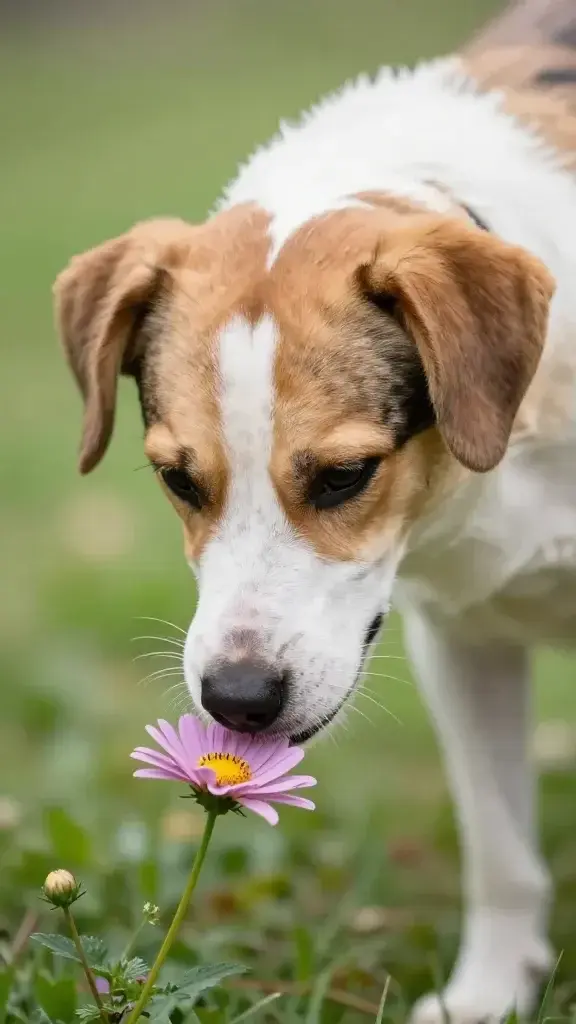
We’re keeping this formula intentionally minimal.
- Distilled water: The simple liquid base for the spray.
- Baking soda (sodium bicarbonate): Commonly used to help absorb and neutralize household odors.
- Clean spray bottle: Choose a bottle that can be thoroughly cleaned before use.
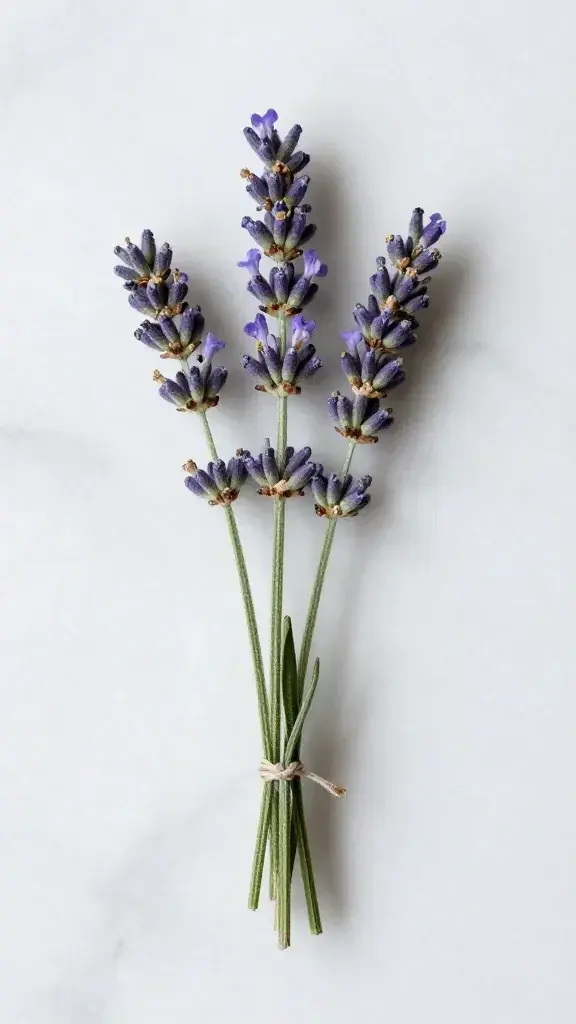
And one major change from many DIY dog-spray recipes: leave lavender essential oil out of the homemade formula.
Although lavender is frequently promoted online as a “dog-safe” essential oil, ASPCA lists lavender as toxic to dogs if ingested, and veterinary guidance advises against directly applying concentrated essential oils to pets.
That makes an unscented version the more conservative choice.
Exact Recipe: Dog-Safe Deodorizing Spray
This makes approximately 8 ounces (240 ml), depending on the size of your bottle.
Ingredients
- 1 cup (240 ml) distilled water
- 1 teaspoon baking soda
- 1 clean 8-ounce spray bottle
That’s all you need.
I would not add lavender essential oil to this recipe. If you want a scented grooming product, choose one specifically formulated for dogs rather than improvising with concentrated essential oils.
Instructions
- Start with a clean bottle. Wash and rinse the spray bottle thoroughly and allow it to dry.
- Add the baking soda. Place 1 teaspoon into the bottle.
- Pour in the distilled water. Add the water slowly to avoid unnecessary foaming.
- Close and shake. Secure the spray top and gently shake until the baking soda is dispersed.
- Label the bottle. Write the ingredients and preparation date on the bottle.
The baking soda may settle over time, so shake the bottle before each use.
Because this homemade mixture contains no commercial preservative system, make small batches rather than storing a large bottle for months.
How to Use It Without Annoying Your Dog
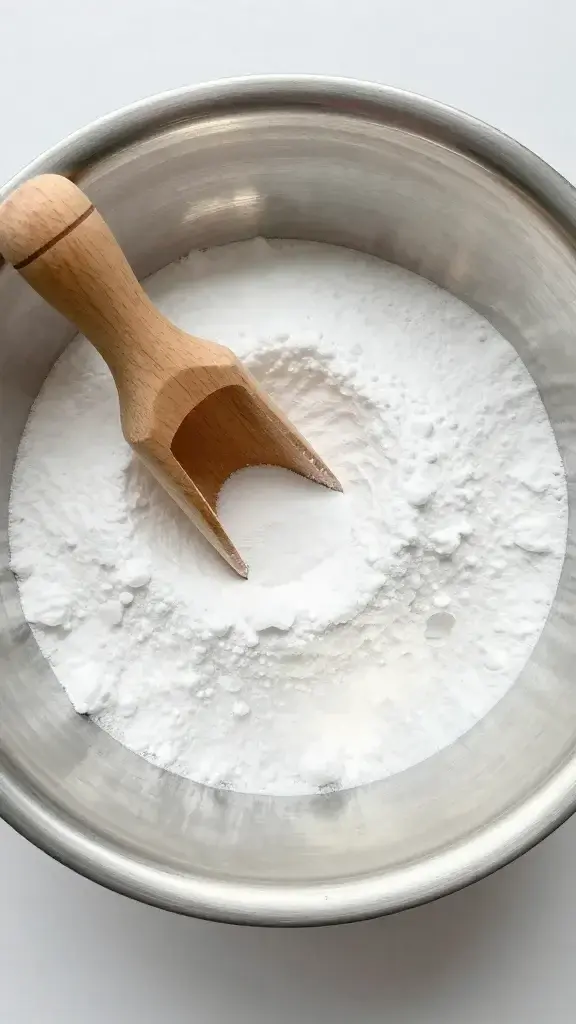
The goal is to freshen your dog—not make them smell like a room fragrance.
Patch Test First
Before using any new topical product over a larger area, try a very small amount on a limited area of the coat.
Watch for redness, itching, excessive licking, rubbing, or other signs of discomfort.
If your dog reacts, stop using the product and rinse the affected area with water. If the reaction is significant or doesn’t settle, contact your veterinarian.
Proper Spritz Technique
- Take your dog somewhere well ventilated.
- Never spray toward the face.
- Keep the spray away from the eyes, nose, mouth, ears, genitals, and broken or irritated skin.
- Use only a light mist over the outer coat.
- You can work the product gently through the fur with your hands.
- Allow the coat to dry naturally.
If your dog hates the sound of a spray bottle, don’t force the issue. Spray a small amount into your hands and gently work it through the coat instead.
Frequency: Use only when needed as a light between-bath refresher. If your dog has a strong odor that keeps returning, investigate the cause rather than repeatedly covering it.
And if your dog has rolled in something truly awful—hello, goose poop—a proper bath is the better solution.
Baking Soda + Lavender: Why This Combo Works
Baking soda is commonly used as an odor absorber and deodorizer, which is why it appears in countless household cleaning recipes.
Lavender is where we need to be more careful.
While many DIY pet recipes recommend adding lavender essential oil for fragrance, I wouldn’t recommend adding it directly to this dog spray. ASPCA identifies lavender as toxic to dogs if ingested, while veterinary toxicology guidance warns that essential oils can cause problems through skin exposure and ingestion.
Your dog doesn’t need a stronger fragrance to smell cleaner. In fact, an unscented spray may be preferable because dogs have a much more sensitive sense of smell than humans.
Safety Notes on Essential Oils
- Don’t assume an essential oil is safe because it’s labeled “natural.”
- Never apply concentrated essential oils directly to your dog.
- Avoid adding essential oils to homemade sprays intended for your dog’s coat.
- Keep essential-oil bottles securely away from pets.
- If your veterinarian recommends a particular essential-oil-containing product, follow their specific directions rather than creating your own concentration.
If your dog accidentally gets essential oil on their fur or skin, veterinary guidance recommends prompt decontamination and contacting a veterinarian, particularly if any symptoms develop.
Troubleshooting: When the Spray Doesn’t Seem to Work
Sometimes the stink fights back. That’s usually a sign that your dog needs more than a quick freshening spray.
Common Fixes
- Smell returns quickly: Give your dog a proper bath using an appropriate dog shampoo and rinse the coat thoroughly.
- Spray separates or settles: Shake before each use. Homemade mixtures don’t have the stabilizers found in commercial products.
- Skin seems dry: Stop using the spray rather than automatically adding more ingredients. Your veterinarian can recommend an appropriate grooming product for sensitive skin.
- Dog hates the spray sound: Spray a small amount into your hands or onto a brush instead of spraying directly at your dog.
- Still funky? Check the ears, teeth, paws, skin folds, and coat. Persistent or unusual odor can sometimes indicate an underlying health problem.
If you notice redness, sores, discharge, excessive itching, or a sudden change in odor, talk with your veterinarian.
Make It Last: Storage, Shelf Life, and Hygiene
Homemade water-based products don’t have the same preservation system as commercial grooming products.
Instead of relying on a fixed shelf-life number, use a small-batch approach.
- Make small amounts: Prepare only what you’re likely to use relatively soon.
- Watch for changes: If the mixture becomes cloudy, develops an unusual smell, or appears contaminated, throw it away.
- Clean the bottle: Wash the bottle thoroughly before preparing another batch.
- Don’t top off old batches: Empty and clean the bottle before making a fresh mixture.
- Label it: Record the preparation date and ingredients so you know what’s inside.
When making homemade products for pets, fresh and simple is better than trying to stretch one bottle for months.
Variations You Can Try (Carefully)
The safest variation is actually the simplest one.
- No-scent version: Use distilled water and baking soda without essential oils.
- Dog-formulated grooming spray: If you want fragrance or conditioning ingredients, choose a product specifically manufactured for dogs rather than improvising with essential oils.
- Extra-gentle approach: For dogs with sensitive skin, ask your veterinarian which grooming products are appropriate before adding homemade ingredients.
I would skip adding argan oil, coconut oil, essential oils, or other concentrated ingredients to this homemade spray unless your veterinarian specifically recommends them for your dog’s coat or skin.
Remember: more ingredients don’t automatically make a better dog deodorizer.
Grooming Habits That Keep the Funk Away
A deodorizing spray is only a small part of keeping your dog fresh.
- Brush regularly: Brushing removes loose hair and debris while helping prevent mats that can trap odors.
- Dry after wet adventures: Don’t leave your dog damp for long periods. Towel-dry thoroughly after rain, swimming, or bathing.
- Wash bedding regularly: Your dog’s bed can collect hair, oils, dirt, and odors that eventually transfer right back onto a freshly groomed coat.
- Keep the coat maintained: Dogs with long or dense coats may need more frequent brushing and grooming.
- Pay attention to diet and overall health: If coat or skin odor changes noticeably, discuss it with your veterinarian rather than assuming it’s simply a grooming issue.
- Stay on top of ear and dental care: Ear infections and dental disease can both contribute to unpleasant odors.
A clean environment plus consistent grooming usually does far more for long-term freshness than repeatedly spraying perfume onto the coat.
FAQ
Is lavender safe for dogs?
I wouldn’t recommend using lavender essential oil as a homemade coat spray.
ASPCA lists lavender as toxic to dogs if ingested, and veterinary toxicology guidance recommends avoiding direct application of essential oils to pets because the risk varies with the specific oil, concentration, formulation, and exposure.
For this recipe, simply leave the lavender out.
Can I use this spray on cats too?
I wouldn’t use this dog recipe as a homemade cat deodorizer.
Cats are particularly sensitive to many essential oils, and their grooming behavior can increase the chance of ingesting substances that get onto their coat. VCA specifically warns about essential-oil exposure in pets.
If your cat has an odor problem, ask your veterinarian about an appropriate cat-specific grooming product.
Will this replace baths?
No.
Think of this as an occasional between-bath freshener, not a substitute for bathing.
If your dog has rolled in something dirty, has a visibly dirty coat, or smells strongly, give them a proper bath using a dog-appropriate shampoo and rinse thoroughly.
If the odor keeps coming back despite bathing, investigate the underlying cause.
What if my dog licks the spray?
Don’t intentionally allow your dog to lick the product.
Although the recipe is deliberately simple, baking soda can cause problems when consumed in sufficiently large quantities. If your dog repeatedly licks the treated area or consumes a noticeable amount of the mixture, contact your veterinarian for advice.
If you ever use an essential-oil-containing product and your dog develops drooling, vomiting, lethargy, difficulty breathing, tremors, or coordination problems after exposure, seek veterinary help promptly.
Can I add more drops of lavender for a stronger smell?
No.
In fact, I recommend zero drops of lavender essential oil in this homemade dog spray.
Increasing the concentration of an essential oil increases exposure and can increase risk. If you want your dog to have a pleasant scent, use a commercially formulated dog grooming product instead of making a stronger homemade essential-oil mixture.
Why use distilled water?
Distilled water is a convenient choice for homemade mixtures because it contains fewer dissolved minerals than many tap-water sources.
More importantly, when making a homemade water-based product for your dog, use a clean bottle, fresh ingredients, small batches, and good hygiene. Distilled water doesn’t turn a homemade mixture into a preserved product.
Conclusion
You don’t need a complicated recipe—or a bottle full of fragrance oils—to help your dog feel fresher between baths.
A simple mixture of distilled water and a small amount of baking soda keeps the formula minimal, while good grooming habits do most of the real work.
Skip the lavender essential oil, keep the spray light, avoid the face and irritated skin, and don’t use a deodorizing spray to hide an odor that keeps coming back.
Sometimes “clean dog” is the best fragrance of all. 🐶✨