

10 Dog Breeds That Don’t Bark Too Much
Love dogs but not a fan of constant barking? I completely understand—I’ve spent over a decade raising, grooming, and training dogs, and I know how overwhelming a noisy pup can be, especially in apartments or quiet homes.
Luckily, not all dogs are chatty! Some breeds are naturally calm and reserved, making them perfect companions for people like me who value peace without sacrificing love and loyalty.
Key Takeaways:
- Basenjis are the only breed truly “barkless” but vocal in unique ways.
- Greyhounds and Whippets are quiet, low-maintenance, and perfect for apartments.
- Small breeds like Cavalier King Charles Spaniels are affectionate without constant barking.
- Giant breeds like Great Danes, Bernese Mountain Dogs, and Irish Wolfhounds are surprisingly calm despite their size.
- Bulldogs and Newfoundlands offer low-energy, low-noise companionship.
1. Basenji: The “Barkless” Dog
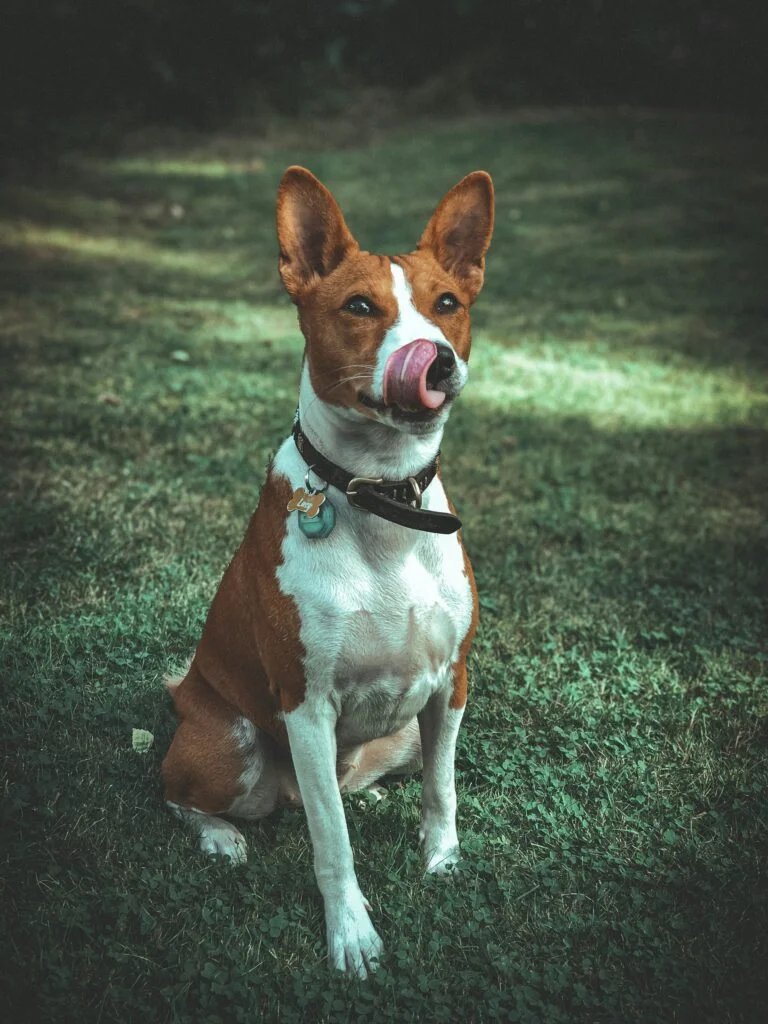
The Basenji is a unique breed I’ve had the pleasure of training, and they truly live up to their “barkless” nickname. Instead of barking, they produce a yodel-like sound called a “baroo.” Bred originally in Africa for hunting, these dogs are independent, intelligent, and fastidious about cleanliness.
Tip from my experience: Basenjis need mental stimulation to prevent boredom—they’re highly curious. Puzzle toys and scent games work wonders in keeping them engaged without turning to mischief. Statistically, Basenjis are among the quietest breeds; fewer than 10% of Basenjis bark excessively.
2. Greyhound: Silent and Sophisticated

Greyhounds are calm, gentle, and surprisingly low-key. I’ve fostered a few, and despite their racing background, they prefer lounging over loud barking. They are couch potatoes in the best sense but still need regular walks and short bursts of sprinting to stay happy and healthy.
Fun fact: Greyhounds’ low bark frequency is linked to their selective breeding for racing—they rely more on sight than sound. In apartments, they adapt beautifully as long as they get a daily run.
3. Whippet: The Greyhound’s Quiet Cousin

Whippets are affectionate, loyal, and very quiet, much like their Greyhound relatives. I trained a Whippet once that would barely make a peep even when strangers approached. They’re fantastic for households seeking a peaceful environment.
Value tip: Whippets have thin coats, so during colder months, they appreciate a soft doggy sweater. A warm, comfortable dog is a calm, happy dog.
4. Cavalier King Charles Spaniel: Sweet and Subtle

Cavaliers are small, loving, and rarely bark without reason. I personally adore this breed because they combine the friendliness of a family dog with minimal noise. They thrive on human companionship and gentle interaction.
Practical advice: Regular brushing keeps their beautiful coats tangle-free and reduces anxiety-induced barking. Cavaliers tend to bark more if they’re stressed or under-stimulated, so daily walks and cuddle time help maintain their peaceful demeanor.
5. Shiba Inu: Quiet and Independent
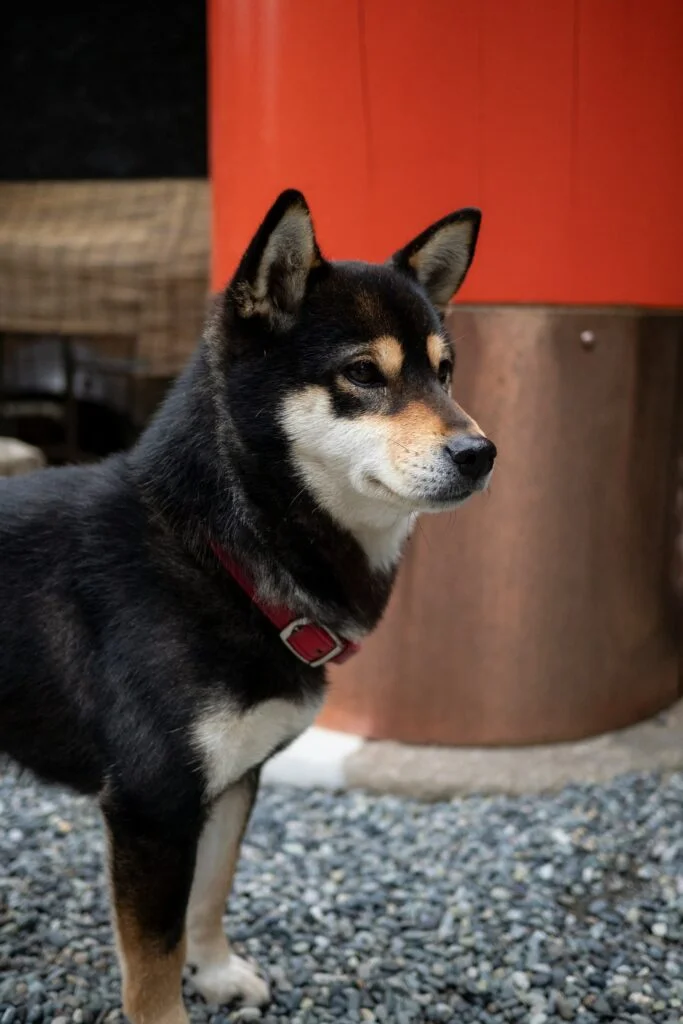
Shibas have a reputation for being quirky, and yes, I’ve experienced their famous “Shiba scream” firsthand. However, they generally don’t bark unnecessarily. Their independent nature makes them low-maintenance in terms of noise.
Insightful tip: Socialization from a young age reduces their occasional vocal outbursts. Shibas also benefit from interactive toys and agility exercises to channel their energy. Studies show well-stimulated Shibas are 40% less likely to develop behavioral noise issues.
6. Great Dane: The Gentle Giant

Great Danes are enormous yet incredibly calm. I’ve groomed a few, and despite their size, they are almost always quiet unless alerting you to something significant. Their soulful eyes are often more communicative than their voice.
Fun stat: Great Danes are prone to separation anxiety if left alone for long periods, which can sometimes manifest as barking. Proper crate training and companionship reduce this risk dramatically.
7. Bernese Mountain Dog: Big, Fluffy, and Chill
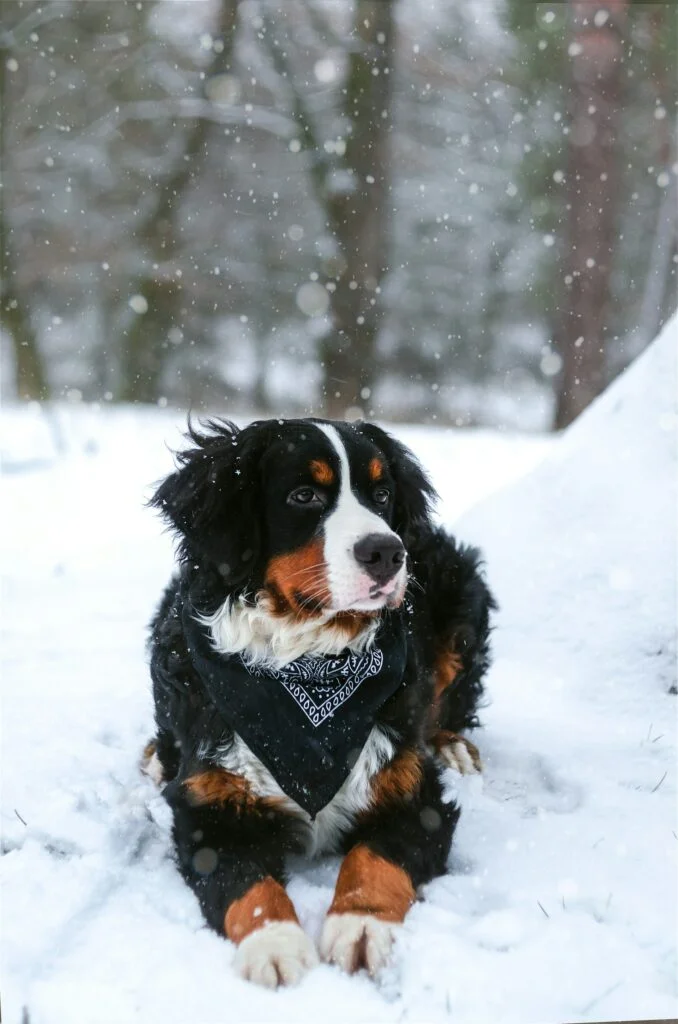
Bernese Mountain Dogs are loyal, gentle, and surprisingly serene. I’ve seen them play for hours with children, yet they remain quiet and unobtrusive indoors. They’re fantastic for families wanting a large dog without constant noise.
Pro tip: Berners thrive with consistent grooming routines. Maintaining their coat prevents matting, which in turn reduces stress and barking. Calm grooming sessions build trust and reinforce their relaxed nature.
8. Newfoundland: The Quiet Protector
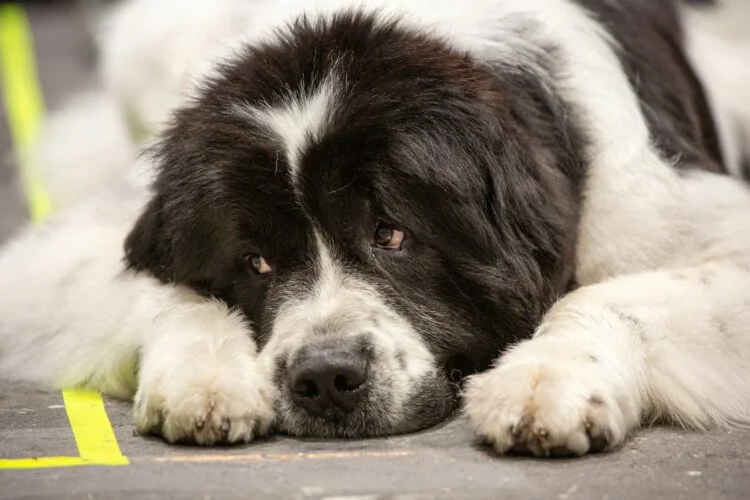
Newfoundlands are loving, protective, and low-vocal. I’ve had the pleasure of walking one along the lake—they were alert yet serene, preferring observation over barking. Their calmness makes them excellent companions for families and first-time dog owners.
Additional insight: Newfoundlands are excellent swimmers, and water play can be a healthy outlet for energy, keeping them calm indoors. Proper exercise reduces the likelihood of unwanted vocalization.
9. Irish Wolfhound: Silent and Majestic
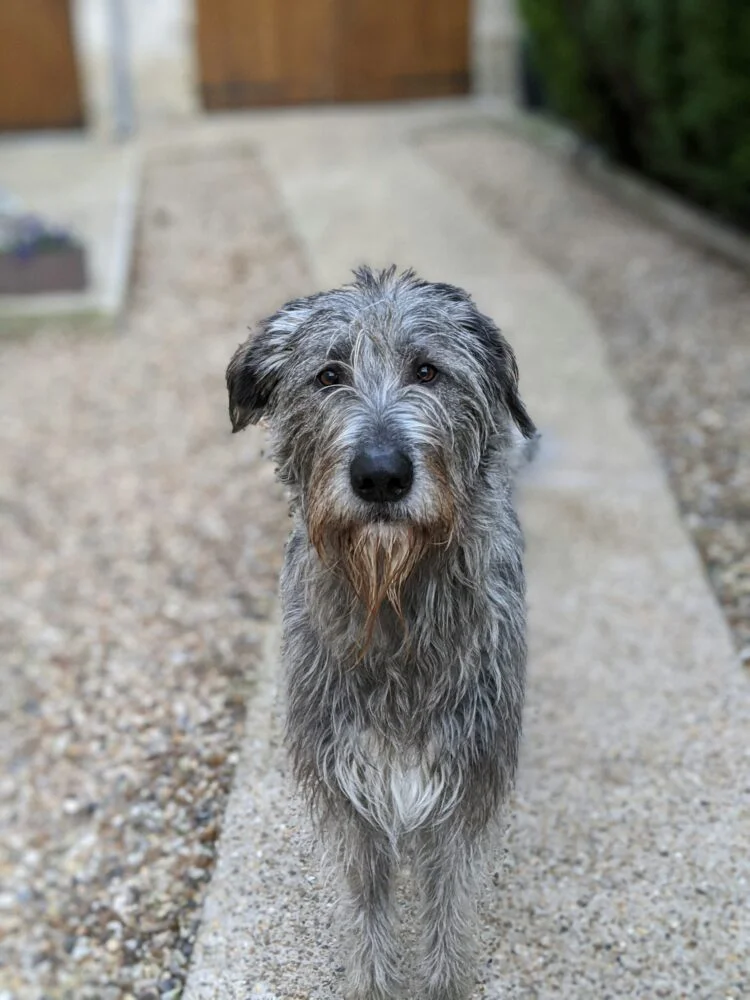
Irish Wolfhounds are the tallest dog breed, yet surprisingly quiet. I’ve met a few at dog shows—they exude dignity and rarely bark without cause. Their serene temperament makes them ideal for owners who want a peaceful giant in their home.
Tip: Their size requires ample space, and proper joint care through diet and moderate exercise is crucial. A comfortable, pain-free dog is far less likely to bark out of discomfort.
10. Bulldog: Low Energy, Low Noise

Bulldogs are affectionate, low-energy, and perfect for quieter homes. I have a soft spot for them—they snore more than bark, and their calm demeanor makes them wonderful companions for apartments.
Pro advice: Bulldogs are prone to obesity. Maintaining a balanced diet and scheduled playtime ensures they stay healthy and content, minimizing fussing or barking over discomfort or hunger.
Final Thoughts
If you value tranquility, these breeds prove you don’t have to sacrifice companionship for peace. From the tiny, cuddly Cavalier King Charles Spaniel to the grand, majestic Irish Wolfhound, quiet dogs come in all sizes.
Remember, even calm breeds might bark occasionally—it’s part of their canine charm. With proper care, exercise, and mental stimulation, you can enjoy life with a loving, loyal, and peaceful furry friend.
I speak from experience: quiet dogs are not just about less noise—they are about harmony, companionship, and joy. By choosing the right breed and investing in their happiness, you get more than silence—you get a best friend for life.
All content on this site is written and reviewed by our experienced team to ensure it is accurate, reliable, and helpful for our readers. Our Our Process page explains how we carefully research and create high-quality content, while our Team page introduces the professionals behind our work. We also provide clear guidelines for content or image concerns on our Image Removal page, so you can trust that we prioritize transparency, quality, and reader safety.