10 Air-Purifying Plants That Are Safe for Pets (And Your Home’s Vibe)
So, you want cleaner air and a house full of plants, but you also have pets who treat anything green like a snack. The good news is you can absolutely have both. With the right plants, your home can feel fresh, vibrant, and safe for your furry companions.
Save for later
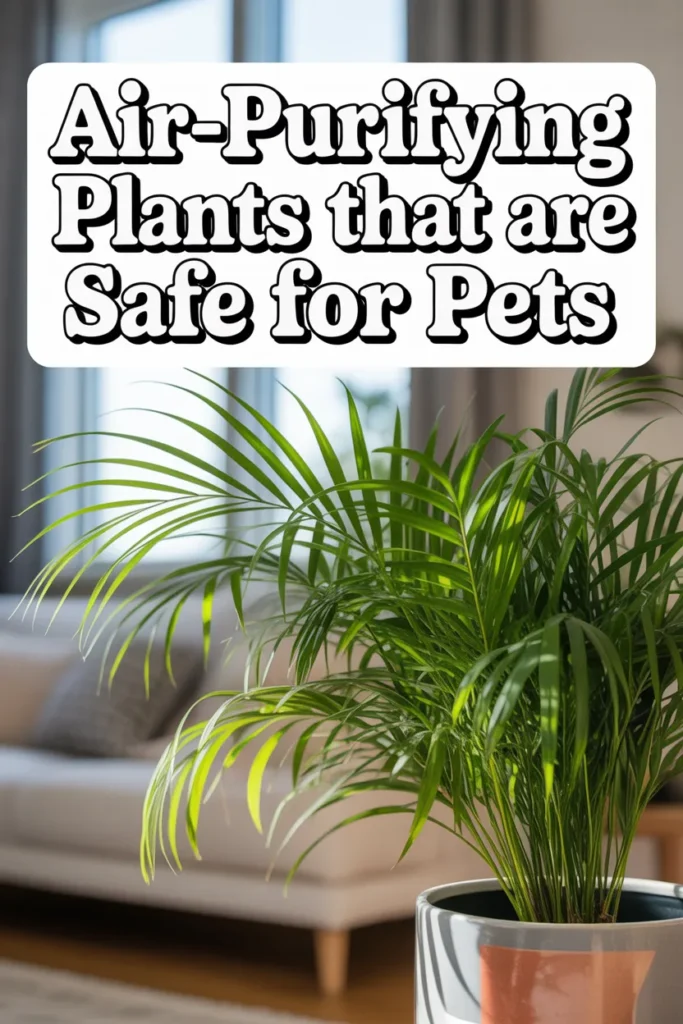
You don’t have to give up your love for indoor plants just because you share your space with a dog or cat. Many houseplants are both beautiful and harmless to pets, which means you can decorate your home with greenery without worrying about curious paws or noses.
Below is a helpful guide to pet-friendly plants that also help improve indoor air. These plants bring natural beauty into your space while supporting a healthier environment for both you and your pets.
Disclosure: As Amazon Associates, we earn from qualifying purchases at no extra cost to you.
1. Areca Palm (Dypsis lutescens)
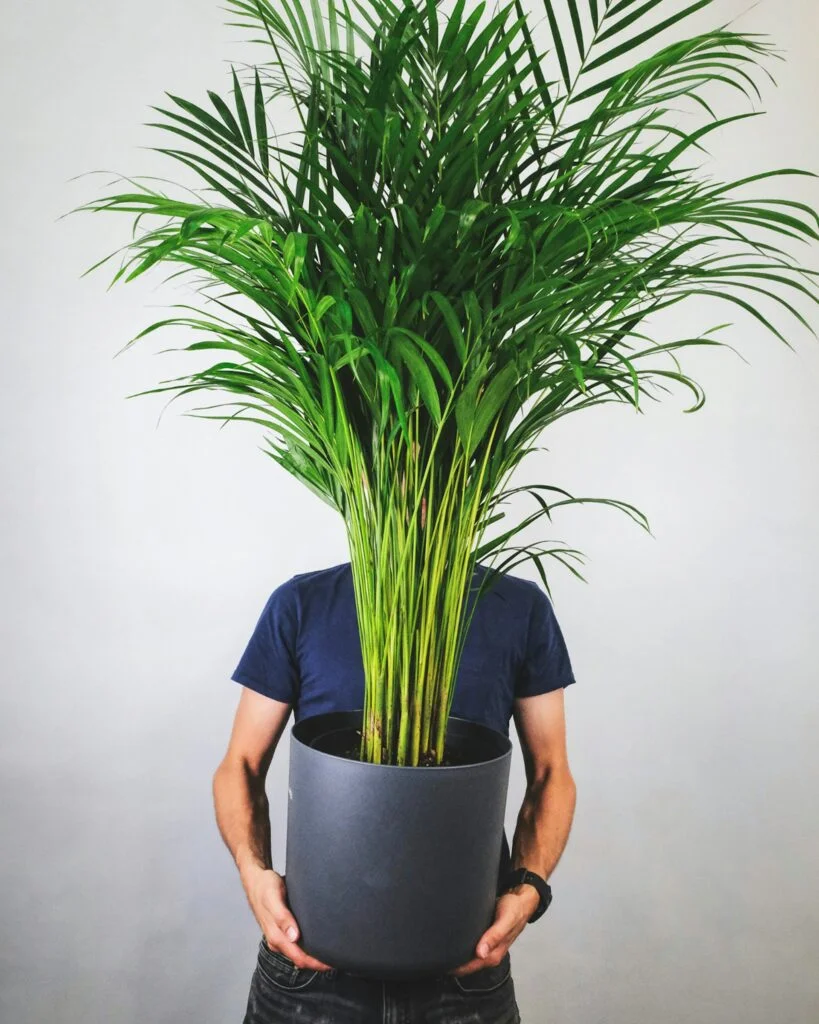
The Tropical Powerhouse
The Areca palm is a popular indoor plant that instantly adds a bright, tropical feel to any room. It is known for helping reduce certain indoor pollutants while releasing fresh oxygen into the air. The soft, feathery leaves also make it a beautiful decorative choice for living rooms, bedrooms, or home offices.
Why it’s great
• Helps filter common indoor pollutants
• Adds a tropical, vibrant look to your space
• Works well in living rooms or bright corners
Care tips
• Place in bright, indirect sunlight
• Water regularly and keep soil slightly moist
• Avoid letting the soil dry out completely
Pet-approved
This plant is safe for both cats and dogs, so it’s a great choice for homes with playful pets.
2. Parlor Palm (Chamaedorea elegans)
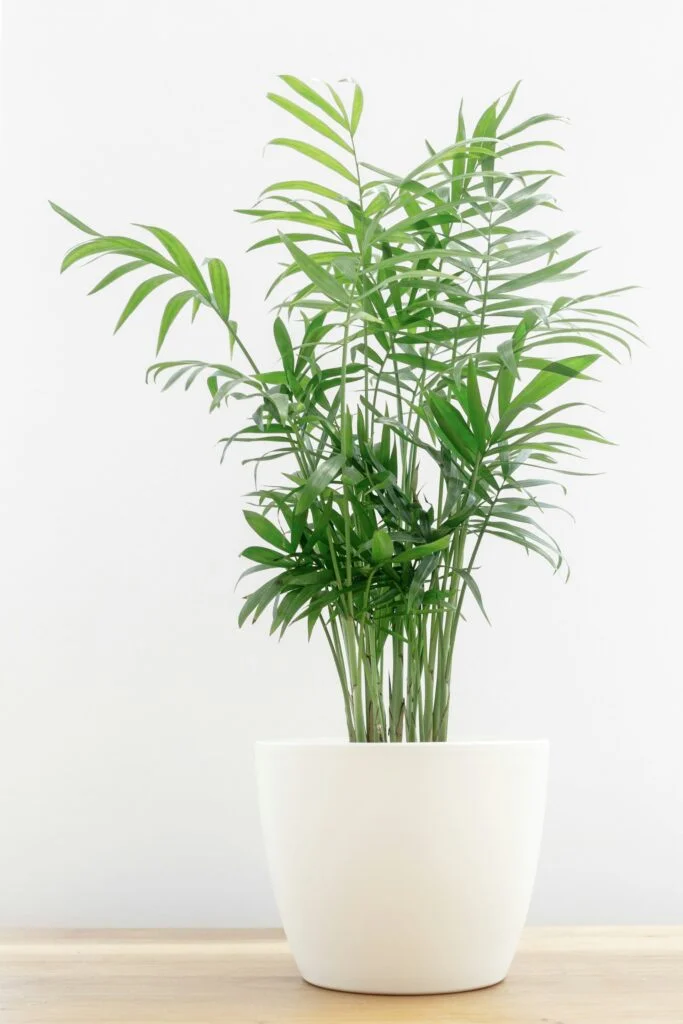
The Low-Maintenance MVP
The parlor palm is one of the easiest houseplants to care for. It has been a favorite indoor plant for many years because it grows well in typical indoor conditions and helps improve indoor air quality.
Why it’s great
• Beginner-friendly and easy to grow
• Helps reduce indoor air pollutants
• Looks elegant on desks, tables, or shelves
Care tips
• Thrives in medium to low light
• Water when the top soil feels dry
• Doesn’t require constant attention
Pet-approved
Parlor palms are completely non-toxic to pets, making them a worry-free addition to your home.
3. Spider Plant (Chlorophytum comosum)
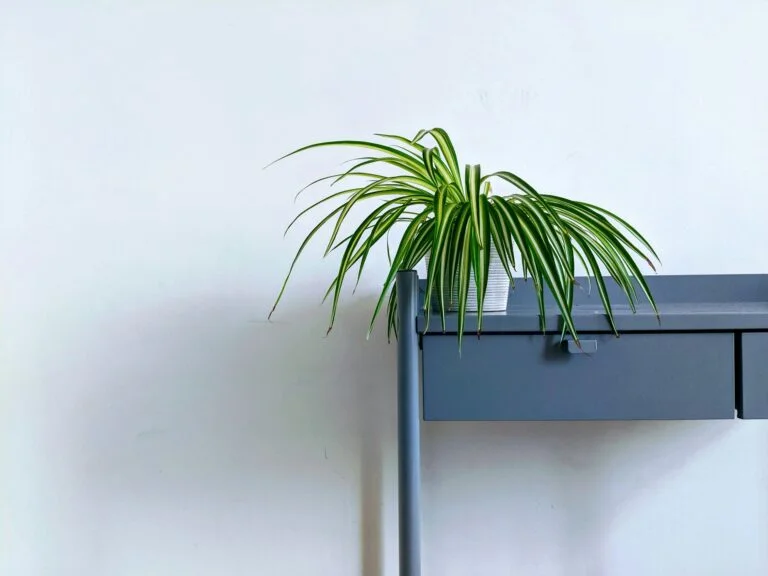
The Comeback Classic
Spider plants are known for their ability to survive almost anything. They are tough, adaptable, and very effective at improving indoor air quality. Their long arching leaves and tiny baby plants give them a playful and decorative appearance.
Why it’s great
• Helps remove pollutants like carbon monoxide
• Very hardy and beginner-friendly
• Produces small “baby plants” that grow from the mother plant
Care tips
• Prefers bright but indirect sunlight
• Water moderately and avoid soggy soil
• Can tolerate occasional neglect
Pet-approved
Spider plants are non-toxic for cats and dogs, although pets may enjoy playing with the dangling baby plants.
4. Calathea (Calathea spp.)
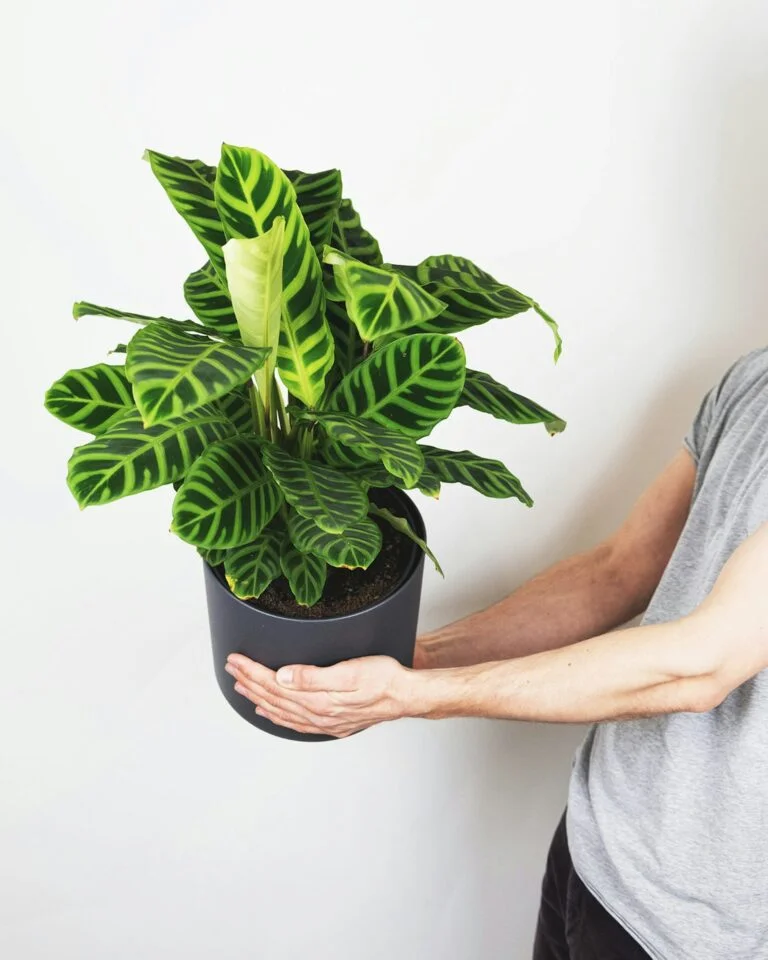
The Instagram Darling
Calatheas are loved for their stunning patterned leaves. While they are often chosen for their beauty, they also help contribute to a cleaner indoor environment. Their striking colors and patterns make them a favorite among plant lovers.
Why it’s great
• Unique decorative leaves
• Adds visual interest to any room
• Supports a healthier indoor environment
Care tips
• Keep in bright, indirect light
• Maintain good humidity levels
• Water regularly to keep soil lightly moist
Pet-approved
Calatheas are completely safe for pets, so cats and dogs can roam around them safely.
5. Bamboo Palm (Chamaedorea seifrizii)
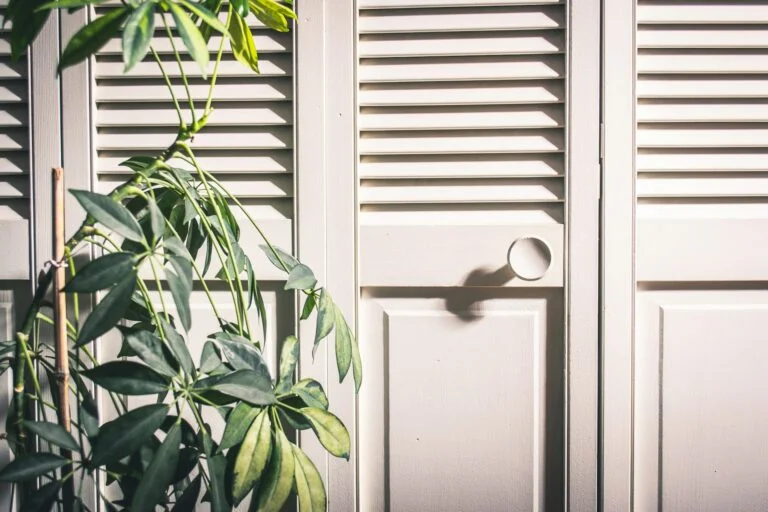
The Air-Cleaning Giant
The bamboo palm is known for its ability to filter harmful toxins from indoor air. It also helps increase humidity, which can make indoor environments more comfortable.
Why it’s great
• Helps remove indoor toxins
• Adds moisture to dry indoor air
• Creates a relaxing, tropical look
Care tips
• Keep in bright indirect sunlight
• Maintain slightly moist soil
• Avoid placing it in harsh direct sunlight
Pet-approved
This palm is safe for pets, making it ideal for homes with dogs and cats.
6. Boston Fern (Nephrolepis exaltata)

The Humidity Hero
Boston ferns are lush, full plants that improve indoor air while adding natural humidity to a room. They are especially useful in dry environments or during colder months when indoor air becomes dry.
Why it’s great
• Helps purify indoor air
• Increases humidity levels
• Adds soft greenery to hanging baskets or shelves
Care tips
• Keep soil consistently moist
• Mist the leaves regularly
• Place in a humid room if possible
Pet-approved
Boston ferns are non-toxic and safe for both cats and dogs.
7. Cast Iron Plant (Aspidistra elatior)
The Indestructible Wonder
If you struggle to keep plants alive, the cast iron plant might be perfect for you. It’s incredibly resilient and can tolerate conditions that many other plants cannot.
Why it’s great
• Extremely durable and low-maintenance
• Survives in low light conditions
• Ideal for beginners or busy households
Care tips
• Can tolerate low light
• Water occasionally
• Handles dry indoor air well
Pet-approved
This plant is completely safe for pets, even if they take a curious nibble.
8. Baby Tears (Soleirolia soleirolii)
The Soft and Sweet Ground Cover
Baby Tears is a small but charming plant that adds a soft, delicate look to indoor spaces. It works especially well in terrariums or decorative containers.
Why it’s great
• Creates a fresh and vibrant look
• Works well in terrariums and small spaces
• Adds natural greenery to shelves or tables
Care tips
• Prefers moist soil
• Needs bright but indirect light
• Thrives in humid environments
Pet-approved
Baby Tears is non-toxic, making it safe for pets.
9. Peperomia (Peperomia spp.)
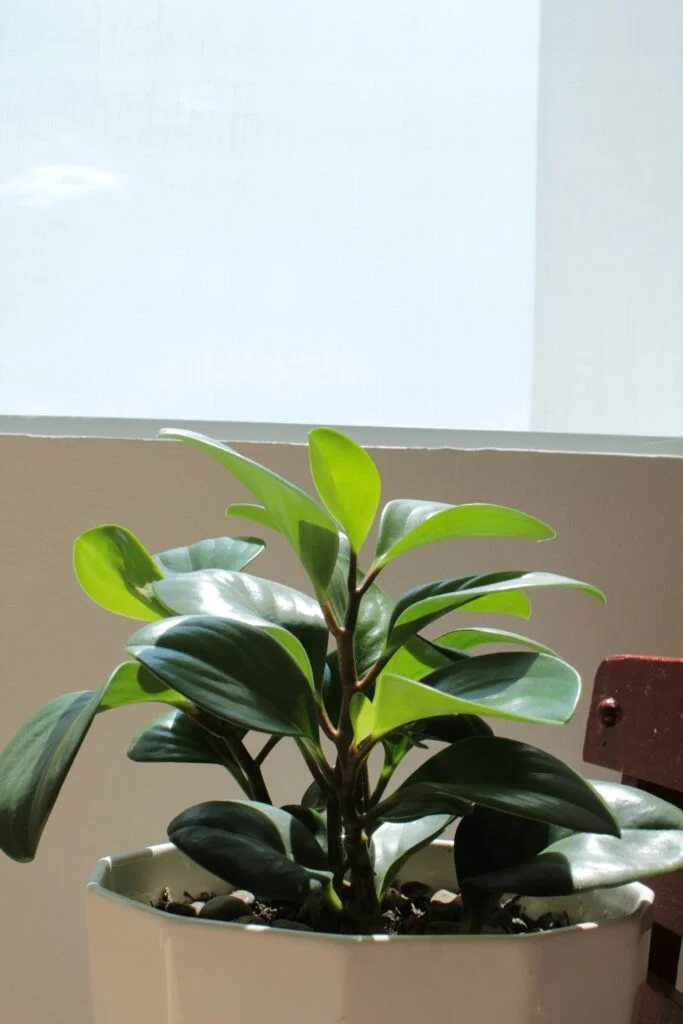
The Cute Air Cleaner
Peperomia plants come in many shapes and colors. They are compact, easy to care for, and perfect for small indoor spaces.
Why it’s great
• Small and decorative
• Comes in many varieties
• Helps support better indoor air
Care tips
• Place in bright indirect light
• Allow soil to dry slightly between watering
• Avoid overwatering
Pet-approved
Peperomia plants are safe for both cats and dogs.
10. Prayer Plant (Maranta leuconeura)
The Plant with Personality
The prayer plant gets its name from the way its leaves fold upward at night, almost like hands in prayer. This unique movement makes it an interesting plant to watch.
Why it’s great
• Unique leaf movement
• Attractive patterned leaves
• Helps support cleaner indoor air
Care tips
• Keep in bright, indirect light
• Maintain good humidity
• Water regularly without overwatering
Pet-approved
Prayer plants are non-toxic and safe to keep around pets.
Tips for Keeping Your Plants and Pets Happy Together
Even when plants are pet-safe, it’s a good idea to create boundaries between pets and plants. Some helpful tips include:
- Place plants out of reach: Use shelves, stands, or hanging planters to prevent pets from nibbling.
- Create a dedicated plant area: Keep plants together in a corner where pets are less likely to disturb them.
- Use gentle deterrents: Pet-safe sprays or foil around pots can discourage pets.
- Choose sturdy pots: Heavy pots prevent plants from tipping over.
Final Thoughts of Air-Purifying Plants That Are Safe for Pets
Adding plants to your home is an easy way to make your space cleaner and more relaxing. Pet-friendly plants allow you to enjoy the beauty and air-purifying benefits of greenery without worrying about your animals’ safety. These ten plants are beginner-friendly, visually appealing, and perfect for homes with furry family members. Start your indoor garden today and breathe easier knowing your pets are safe.
All content on this site is written and reviewed by our experienced team to ensure it is accurate, reliable, and helpful for our readers. Our Our Process page explains how we carefully research and create high-quality content, while our Team page introduces the professionals behind our work. We also provide clear guidelines for content or image concerns on our Image Removal page, so you can trust that we prioritize transparency, quality, and reader safety.